×
Camino de Santiago de Compostela

Spain🇪🇸 | hikesCamino de Santiago de Compostelapilgrimage route, rural hostels, scallop shell markers | things to do and best time to go

Explore Caminito del ReyExplore GR 11

Backpacking in Camino de Santiago de Compostela
🏆 Top pickhike ranked #1
By Johan Kruseman 🇳🇱 | Updated September 4, 2026

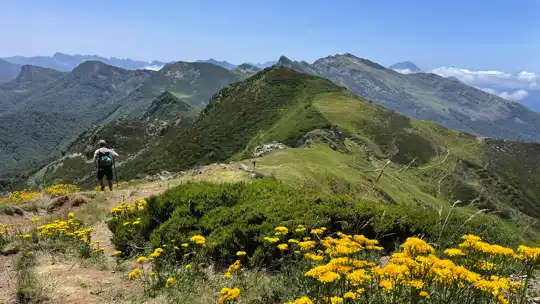
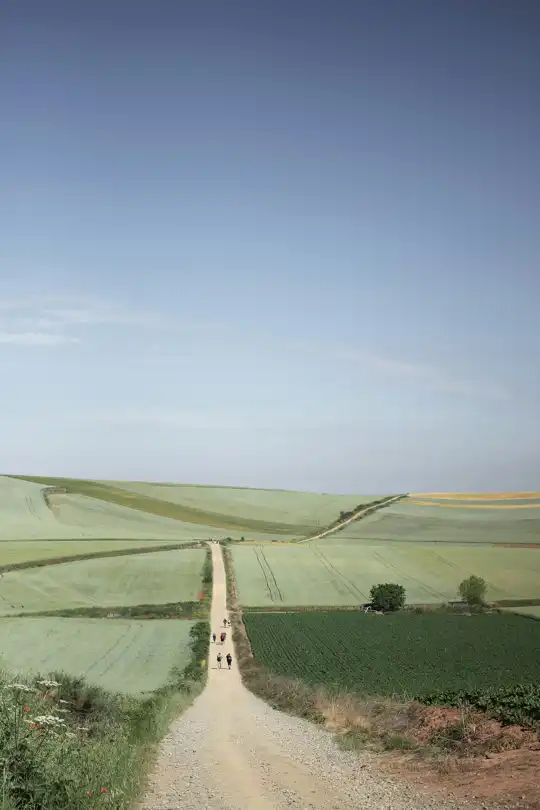
Most people only realize halfway through that the Camino quietly solves logistics for you: cheap pilgrim beds, fixed menus, yellow arrows everywhere, so you can focus on walking instead of planning. The Camino de Santiago de Compostela runs across northern Spain, funneling toward the city of Santiago de Compostela in Galicia, out near the country’s rainy Atlantic corner. It’s not a wilderness epic; it’s a long, lived‑in trail where you cross wheat fields, eucalyptus forests, scruffy suburbs, and Roman bridges in the same day. The classic French Way is roughly 780 km, long but technically easy, more about stubborn feet than mountaineering skills. Trains and buses drop you in starting towns like Saint-Jean-Pied-de-Port, Pamplona, or León with almost insulting ease compared to more remote Spanish routes like the GR11 or Picos de Europa treks. Downsides: crowds, some dull roadside stretches, and snoring dorms—but that first beer in a stone village plaza after 30 km tastes like a life upgrade.

Discover everything you want to know in the 📖 Spain Travel Guide.
Best time to go: April - July, September - October
Duration: 30 to 35 days
Distance: 780 kilometers
Total ascent: 13,000 meters


Get your Spain guide
148 ranked highlights, routes & tips, works offline (542 pages)
Loading the map 🌍
CLICK TO FILTER
cities
towns
villages
landmarks
national parks
hikes
beaches
attractions
festivals
regions
SHOW COUNTRY’S BESTSHOW ALL

✨ Why go?
Ranked #1 hike in Spain
Why visitors keep coming back

The Camino de Santiago de Compostela is a magnet for backpackers, and for good reason. First off, the scenery-to-effort ratio is off the charts. You’ll traverse rolling hills, ancient forests, and charming villages, all while feeling the burn in your legs. Each step is a blend of challenge and reward, with breathtaking views that make you forget the sweat.

Access is a breeze. Public transport connects you to various starting points, so you can jump in wherever your heart desires. Whether you’re a weekend warrior or a seasoned trekker, the flexible distances allow you to tailor your journey. Want a leisurely stroll one day? Go for it. Feeling ambitious the next? Push those limits.

Cost? It’s wallet-friendly. Affordable albergues and local eateries keep your budget in check, allowing you to … read more 👉
The Camino de Santiago de Compostela is a magnet for backpackers, and for good reason. First off, the scenery-to-effort ratio is off the charts. You’ll traverse rolling hills, ancient forests, and charming villages, all while feeling the burn in your legs. Each step is a blend of challenge and reward, with breathtaking views that make you forget the sweat.

Access is a breeze. Public transport connects you to various starting points, so you can jump in wherever your heart desires. Whether you’re a weekend warrior or a seasoned trekker, the flexible distances allow you to tailor your journey. Want a leisurely stroll one day? Go for it. Feeling ambitious the next? Push those limits.

Cost? It’s wallet-friendly. Affordable albergues and local eateries keep your budget in check, allowing you to splurge on that first cold beer at the end of a long day. Plus, the Camino fits seamlessly into a longer backpacking route through Spain, making it an ideal stopover.

In short, the Camino isn’t just a hike; it’s a vibrant tapestry of effort, scenery, and camaraderie that beckons every backpacker to lace up their boots and hit the trail.
Want to include Camino de Santiago de Compostela in your Spain route?
Create a personalized Spain itinerary that includes Camino de Santiago de Compostela and the places that fit your trip — based on your travel style, budget, and available time. Get your route in seconds.

Generate my trip

💡 HighlightsTop highlights of Camino de Santiago de Compostela

  • Roncesvalles / The Pyrenees — That first-day mountain crossing still feels like a proper rite of passage: steep climbs, crisp air, ancient forests and the tiny abbey at Roncesvalles where pilgrims gather. It’s dramatic, raw and a real reset after the long travel to the trailhead.
  • Alto del Perdón — A short, windy ridge dotted with haunting steel sculptures of pilgrims that glow at sunset. The panorama over Navarre is huge, the sculptural silhouettes make for great photos, and it’s one of those places where the landscape suddenly feels symbolic.
  • The Meseta — Endless golden plains and enormous skies that turn the whole hike into rhythm: step, step, sunrise, lunch, sunset. Wildlife is low-key but visible (kestrels, larks, storks), and the flat openness gives you time to think or just zone
read more 👉
  • Roncesvalles / The Pyrenees — That first-day mountain crossing still feels like a proper rite of passage: steep climbs, crisp air, ancient forests and the tiny abbey at Roncesvalles where pilgrims gather. It’s dramatic, raw and a real reset after the long travel to the trailhead.
  • Alto del Perdón — A short, windy ridge dotted with haunting steel sculptures of pilgrims that glow at sunset. The panorama over Navarre is huge, the sculptural silhouettes make for great photos, and it’s one of those places where the landscape suddenly feels symbolic.
  • The Meseta — Endless golden plains and enormous skies that turn the whole hike into rhythm: step, step, sunrise, lunch, sunset. Wildlife is low-key but visible (kestrels, larks, storks), and the flat openness gives you time to think or just zone out — very different from tight mountain trails.
  • O Cebreiro — (personal favorite) A tiny stone village that feels older than time, with Celtic-style pallozas, rolling green hills and misty mornings. The architecture and atmosphere are uniquely Galician — quiet, a bit mystical — and the local cheese and caldo will warm you up after a damp climb.
  • Cathedral of Santiago de Compostela — The emotional finish: Baroque façade, the packed Obradoiro square and the pilgrim’s mass inside. Seeing the cathedral spire after weeks on the trail — and, if you’re lucky, catching the Botafumeiro swing — is a very specific kind of goosebumps moment.
Spotted a mistake or missing something? Contact us.

Things to do near Camino de Santiago de Compostela

Ratings based on Tripadvisor reviews. When you book through this link, you support our work at no extra cost to you.

🌤️ When to go?Best time to hike the Camino de Santiago de Compostela


  • Weather: Spring (April to June) and early fall (September to October) offer the best balance—mild, dry days with temperatures between 12-22°C (54-72°F). Summer can scorch you with highs hitting 30°C (86°F), while winter drags cold rains and muddy trails.

  • Temperature: Expect crisp mornings around 8-12°C (46-54°F) in spring and fall, warming to comfortable 20-22°C (68-72°F) afternoons. Summer’s heat can sap your energy, especially on exposed stretches.

  • Daylight Hours: Long days in June and July stretch up to 15-16 hours, giving you more daylight to cover ground. Spring and fall offer 10-14 hours, enough for steady pacing without burning out.

  • Crowds: Peak summer months flood the trail with pilgrims, turning solitude into a shuffle. Spring and fall bring fewer walkers, letting you savor
read more 👉

  • Weather: Spring (April to June) and early fall (September to October) offer the best balance—mild, dry days with temperatures between 12-22°C (54-72°F). Summer can scorch you with highs hitting 30°C (86°F), while winter drags cold rains and muddy trails.

  • Temperature: Expect crisp mornings around 8-12°C (46-54°F) in spring and fall, warming to comfortable 20-22°C (68-72°F) afternoons. Summer’s heat can sap your energy, especially on exposed stretches.

  • Daylight Hours: Long days in June and July stretch up to 15-16 hours, giving you more daylight to cover ground. Spring and fall offer 10-14 hours, enough for steady pacing without burning out.

  • Crowds: Peak summer months flood the trail with pilgrims, turning solitude into a shuffle. Spring and fall bring fewer walkers, letting you savor the trail’s rhythm and the quiet moments that make the Camino sacred.

  • Seasonal Activities: Spring bursts with blooming wildflowers and local festivals, while fall harvests bring grape stomping and cider tastings—both add cultural spice to your trek.

  • Price Fluctuations: Summer drives up accommodation and transport costs. Shoulder seasons offer better deals and more availability, easing the strain on your wallet and your schedule.


Pro-tip: Start in late April or early October to dodge crowds, enjoy crisp air, and catch local festivals without sweating the price or the heat.


source: climatestotravel.comJANJanuary: below average for travelingFEBFebruary: below average for travelingMARMarch: fair for travelingAPRApril: highly recommended for travelingMAYMay: excellent for travelingJUNJune: excellent for travelingJULJuly: good for travelingAUGAugust: fair for travelingSEPSeptember: excellent for travelingOCTOctober: highly recommended for travelingNOVNovember: fair for travelingDECDecember: below average for traveling
Spain - the Camino de Santiago de Compostela

✈️ The backpacker research shortcutSpain Travel Guide

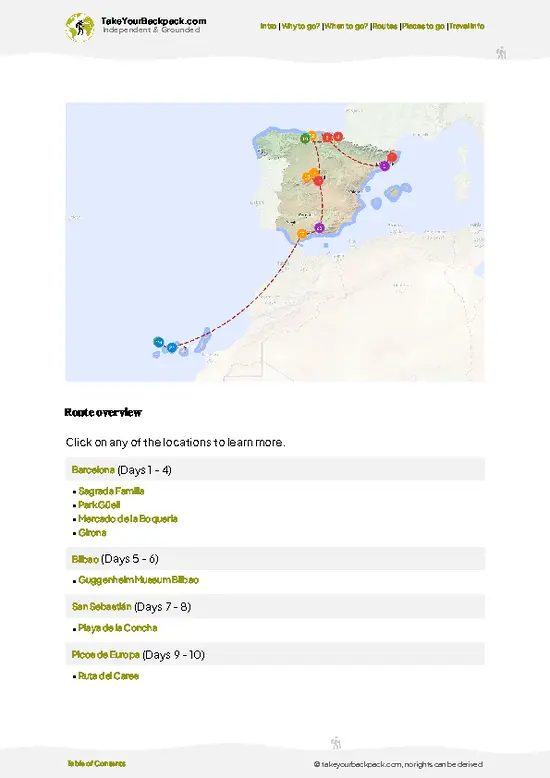
An offline-friendly backpacking guide with optimized travel routes, ranked highlights, transport advice, and the best areas to stay.
example page 0 from our offline Travel Guide for Spain
example page 1 from our offline Travel Guide for Spain
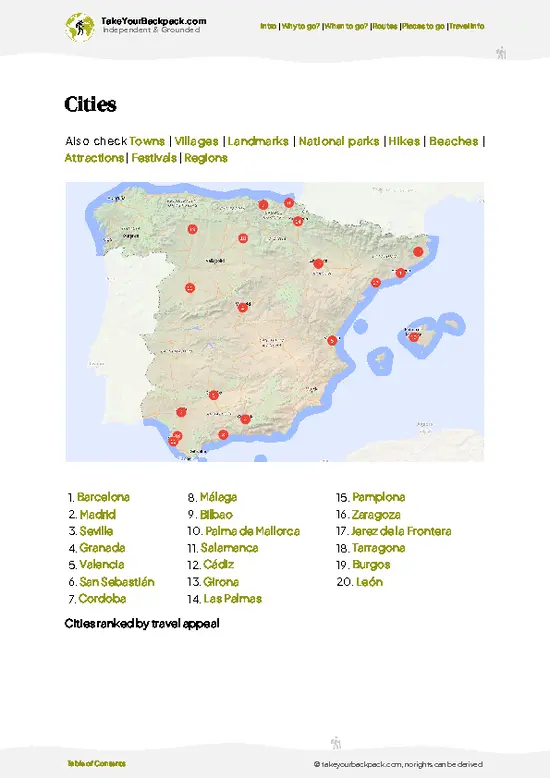
example page 2 from our offline Travel Guide for Spain
example page 3 from our offline Travel Guide for Spain
example page 4 from our offline Travel Guide for Spain
example page 5 from our offline Travel Guide for Spain
example page 6 from our offline Travel Guide for Spain
example page 7 from our offline Travel Guide for Spain
The digital guide (542 pages) contains:
148 highlights, ranked by travel appeal
Optimized 7, 14 & 21-day travel routes
Cities, national parks, landmarks, beaches
How to get around
Offline-friendly for travel without Wi-Fi
👉 Click to see all 30+ guide features

📅 Plan smarter in minutes, not weeks
Month by month travel advice
Festivals & national holidays
Budget expectations

🗺️ Go to the right places, skip the overrated ones
Honest pros & cons of destinations
Top hikes, parks & viewpoints
Lesser-known places most travelers miss
Clear “worth it vs skip it” guidance

🛏️ Travel smoothly without rookie mistakes
Best areas to stay
Transport systems explained simply
Common scams & safety advice
SIM cards, money & practical tips

🌍 Understand the country, not just visit it
Culture & traditions
52 Essential phrases & customs
Festivals worth planning around
Traveler-friendly historical context
Insights that make places more meaningful

📱 Built for real travel conditions
Fully downloadable PDF
Works completely offline
Optimized for phone use
Useful in remote areas & buses
Everything in one place
Save weeks of stressful planning
Get instant access to your full guide. 30‑day money-back guarantee.
+ Add another guide for just US$7.80

By proceeding you agree to our terms.
Sent to your inbox immediately after payment • 100% Secure Checkout
Best Backpacking Travel Advisor 2025 tourism awardBest Backpacking
Travel Advisor
2025
What others say about Take Your Backpack Guides:
⭐⭐⭐⭐⭐
Fantastic, amazing amount of information!
⭐⭐⭐⭐⭐
My goodness this is amazing, it's what I've been looking for hats off too you!
⭐⭐⭐⭐⭐
I think this is absolutely BRILLIANT
⭐⭐⭐⭐
Very complete and informative. It's still missing places, but I gotta to commend you
⭐⭐⭐⭐⭐
This is truly amazing, thank you, can't wait to explore it with my kids!
⭐⭐⭐⭐⭐
Awesome resource, thank you!
⭐⭐⭐⭐⭐
This is amazing! Can't wait to explore the ones I haven't seen
⭐⭐⭐⭐
I love this! Well done, great idea.
⭐⭐⭐⭐⭐
Thanks for taking the time to make this gem!
⭐⭐⭐⭐⭐
This might be the best website I've ever seen.
⭐⭐⭐⭐⭐
Congratulations, and thank you so much for your work; it's incredibly valuable.
⭐⭐⭐⭐
In all seriousness I think you did a great job pointing out the important spots
⭐⭐⭐⭐⭐
10/10 very good
⭐⭐⭐⭐⭐
As someone who's only just starting to visit regularly this is awesome, thank you.
⭐⭐⭐⭐
Thank you very much! I'm going to visit my dad, it's going to be very useful!
⭐⭐⭐⭐⭐
This is really cool! We'll be travelling for the first time and this definitely come in handy.
⭐⭐⭐⭐⭐
You are now our minister of culture, congratulations 👨‍💼
⭐⭐⭐⭐⭐
Just wanted to tell you that this is a pearl! Going to follow your recommendations.
⭐⭐⭐⭐⭐
This is so cool. I'll definitely be using the resource for my travels soon.
⭐⭐⭐⭐⭐
This is very impressive! Good work.
⭐⭐⭐⭐⭐
This is an amazing and informative site. Very well done!

🛏️ Where to stay?Best areas and accommodation options

If you enjoy meeting fellow travelers, consider choosing hostels with high ratings for atmosphere. On the other hand, if you prefer having your own space, a hotel might be a better option.

🥾 Hike detailsEverything you need to know before hiking Camino de Santiago de Compostela

Total Distance: The Camino de Santiago de Compostela spans approximately 780 kilometers (about 485 miles) from St. Jean Pied de Port in France to Santiago de Compostela in Spain, though you can choose shorter sections if you prefer.

Estimated Duration: Most hikers take about 30 to 35 days to complete the full route, averaging 20 to 25 kilometers (12 to 15 miles) per day. If you’re tackling just a part of it, you can easily adjust your timeline.

Difficulty Level: The difficulty varies along the trail. Overall, it’s considered moderate, but you’ll encounter some steep climbs and descents, especially … read more 👉
Total Distance: The Camino de Santiago de Compostela spans approximately 780 kilometers (about 485 miles) from St. Jean Pied de Port in France to Santiago de Compostela in Spain, though you can choose shorter sections if you prefer.

Estimated Duration: Most hikers take about 30 to 35 days to complete the full route, averaging 20 to 25 kilometers (12 to 15 miles) per day. If you’re tackling just a part of it, you can easily adjust your timeline.

Difficulty Level: The difficulty varies along the trail. Overall, it’s considered moderate, but you’ll encounter some steep climbs and descents, especially in the Pyrenees. The terrain can be challenging, but it’s manageable for most hikers with a reasonable level of fitness.

Starting Point: The traditional starting point is St. Jean Pied de Port.
  • Getting There: You can reach St. Jean by taking a train to Bayonne and then a regional bus to St. Jean Pied de Port. The bus ride takes about an hour, and the views are pretty nice, so keep your camera handy.

Major Landmarks Along the Route:
  • Roncesvalles: Famous for its historic monastery and stunning church.
  • Pamplona: Known for the Running of the Bulls, this city has a vibrant atmosphere and plenty of tapas bars.
  • Logroño: A great spot for wine lovers, especially if you enjoy the local Rioja wines.
  • Santiago de Compostela: The final destination, home to the impressive cathedral where the remains of St. James are believed to be buried.

Type of Terrain and Scenery: The trail features a mix of well-marked paths, dirt roads, and some paved sections. You’ll walk through lush forests, rolling hills, vineyards, and charming villages. The scenery changes dramatically as you move from the Pyrenees through the plains of Castilla and into the green hills of Galicia.

Typical Vegetation and Wildlife: Expect to see a variety of flora, from wildflowers in spring to oak and pine forests. In terms of wildlife, you might spot deer, rabbits, and a range of bird species. Keep an eye out for the occasional stork, especially in the rural areas.

This trail is not just about the destination; it’s about the journey and the people you meet along the way. So, pack light, lace up those hiking boots, and enjoy the adventure!
⚠️ Hiking info can sometimes be outdated or inaccurate. Before you hit the trail, check the latest conditions with locals. If you do spot anything that's off, I'd love to hear from you, so I can update it for fellow travelers.

🛡️ SafetySafety Tips and Common Scams in Camino de Santiago de Compostela

The Camino de Santiago is a well-trodden path, but don’t let that fool you into thinking it’s a walk in the park. Weather can shift on a dime, especially in spring and fall. One moment you’re basking in sunshine, the next you’re dodging rain. Layer up and be ready for anything.

The terrain varies, with some stretches steep and rocky. Pay attention to your footing, especially on descents. Navigation is straightforward with clear markers, but don’t let your guard down—stay alert to avoid missing a turn. River crossings can be slippery, so take your time.

Wildlife is generally shy, but you might spot a deer or a curious fox. Keep your distance and don’t feed them; they’re part of the ecosystem, not your hiking buddies.

Pack light but smart. A good pair of trekking poles can save your knees … read more 👉
The Camino de Santiago is a well-trodden path, but don’t let that fool you into thinking it’s a walk in the park. Weather can shift on a dime, especially in spring and fall. One moment you’re basking in sunshine, the next you’re dodging rain. Layer up and be ready for anything.

The terrain varies, with some stretches steep and rocky. Pay attention to your footing, especially on descents. Navigation is straightforward with clear markers, but don’t let your guard down—stay alert to avoid missing a turn. River crossings can be slippery, so take your time.

Wildlife is generally shy, but you might spot a deer or a curious fox. Keep your distance and don’t feed them; they’re part of the ecosystem, not your hiking buddies.

Pack light but smart. A good pair of trekking poles can save your knees on the downhill stretches. Timing is key; start early to beat the heat and enjoy the trail in peace. Embrace the challenge, and the rewards—like that first cold beer at the end—will feel even sweeter.

FAQTraveler FAQ

The Camino de Santiago de Compostela hike typically takes 30 to 35 days to complete the full French Way route, covering about 780 kilometers. Most hikers walk around 20 to 25 kilometers per day. Shorter routes, like the last 100 kilometers from Sarria, take about 5 to 7 days.
The difficulty of the Camino varies but is generally moderate. The terrain includes some hills and uneven paths, with daily distances averaging 20 to 25 kilometers. Good physical condition and proper footwear are essential, but no technical climbing skills are required.
No guide is required to hike the Camino de Santiago, but many choose to use guidebooks or apps for navigation. A permit called the 'Credencial' is needed to stay in pilgrim hostels and to receive the Compostela certificate; it costs around 2 to 3 euros and can be obtained in starting towns or online.
⚠️ Things can change over time, so always validate details locally before you go.

Other Spanish hikes near Camino de Santiago de Compostela

Explore more nearby:


💡 Not sure where to go next?
Create a personalized itinerary for Spain including Camino de Santiago de Compostela and the places that fit your trip.

Generate my itinerary

👉 Discover all hikes

Or checkout all Spain has to offer (think cities, towns, villages, national parks, hikes, beaches, festivals)
Country photo of Spain

We 💚 feedbackIs it worth it?

The Camino de Santiago is a soul-stirring journey where every step feels like a conversation with history. You’ll find camaraderie among fellow pilgrims, sharing stories over a cold beer after a long day. But be ready for the reality: the trails can be relentless, and blisters are part of the package. Embrace the grit; it’s all part of the experience. The reward? That breathtaking view at the end makes every ache worth it.

✈️ When did I visit Spain?
With Spain having so much to offer, I have visited it many times. Best trip was a hiking tour in the Picos de Europa in the North of Spain in July 2023.

✍️ Help improve this page!
The information on this page is based on my own backpacking experience in Spain, supplemented with up-to-date research and feedback from other travelers. Travel details can change, so if you notice anything outdated or incomplete, feel free to let me know.


🙋‍♂️ Give feedback

👋 Meet the founderWho’s Behind Take Your Backpack?

Johan, backpacker and founder of TakeYourBackpackHi, I’m Johan (Netherlands 🇳🇱), the creator of TakeYourBackpack. Over the past decade, I’ve backpacked through 80+ countries across six continents, gaining extensive experience with independent travel, long-term trips, and overland routes.

This site is built on a combination of firsthand travel experience and carefully curated insights from other backpackers. Many guides are based on places I’ve personally visited, while others bring together tips, observations, and practical advice shared by trusted travelers I’ve met along the way.

The goal is to provide realistic, experience-driven guidance — not generic itineraries — so you can explore destinations with better context, clearer expectations, and more confidence.

Get full Spain guide •
Instant download • 148 highlights • Full Offline guide