v2.webp)
1. The Pico de Bandama Crater Rim
The trail wastes no time. You’re climbing straight onto the rim of a volcanic caldera, and the drop is immediate—200 meters down, sheer and raw. The wind here doesn’t whisper; it shoves. The ground crunches underfoot, black and rust-red, a reminder that this mountain was once a cauldron. Peer over the edge and you’ll see the crater’s bowl, wild with tangled fig trees and prickly pear, a patchwork of green that looks almost out of place in the dry Canarian landscape. This isn’t your average summit panorama. The rim is a 360-degree stage: Las Palmas sprawls in the distance, the Atlantic glints, and on a clear day, you can spot the faint outline of Fuerteventura. The scale hits you in the gut. This is the moment you realize you’re standing on the lip of something … read more 👉
The trail wastes no time. You’re climbing straight onto the rim of a volcanic caldera, and the drop is immediate—200 meters down, sheer and raw. The wind here doesn’t whisper; it shoves. The ground crunches underfoot, black and rust-red, a reminder that this mountain was once a cauldron. Peer over the edge and you’ll see the crater’s bowl, wild with tangled fig trees and prickly pear, a patchwork of green that looks almost out of place in the dry Canarian landscape. This isn’t your average summit panorama. The rim is a 360-degree stage: Las Palmas sprawls in the distance, the Atlantic glints, and on a clear day, you can spot the faint outline of Fuerteventura. The scale hits you in the gut. This is the moment you realize you’re standing on the lip of something … read more 👉
1. The Pico de Bandama Crater Rim
The trail wastes no time. You’re climbing straight onto the rim of a volcanic caldera, and the drop is immediate—200 meters down, sheer and raw. The wind here doesn’t whisper; it shoves. The ground crunches underfoot, black and rust-red, a reminder that this mountain was once a cauldron. Peer over the edge and you’ll see the crater’s bowl, wild with tangled fig trees and prickly pear, a patchwork of green that looks almost out of place in the dry Canarian landscape. This isn’t your average summit panorama. The rim is a 360-degree stage: Las Palmas sprawls in the distance, the Atlantic glints, and on a clear day, you can spot the faint outline of Fuerteventura. The scale hits you in the gut. This is the moment you realize you’re standing on the lip of something ancient and alive.
2. The Descent into the Caldera
Most people stick to the rim, but the real adventure is dropping into the crater itself. The trail zigzags down, loose underfoot, and you’ll feel your calves protest. The air thickens—suddenly, you’re in a microclimate. Wild fennel and eucalyptus scent the path. Lizards dart between rocks. The silence is total, broken only by your own breath and the crunch of volcanic gravel. Down here, the world above feels far away. You’re inside the volcano’s memory. The descent is a test, but the reward is solitude and the sense that you’ve slipped into a secret pocket of the island.
3. The Abandoned Winery
Halfway down the crater, you’ll stumble across the ruins of an old winery—stone walls, rusted presses, and the ghosts of harvests past. It’s a reminder that people have tried to tame this place, to coax life from volcanic ash. The contrast is sharp: wild nature reclaiming human ambition. Pause here. Run your hand along the sun-warmed stone. It’s a tactile connection to the island’s agricultural roots, and a perfect spot to catch your breath before the climb out.
4. The Summit Viewpoint (Mirador de Bandama)
This is the payoff. The summit viewpoint is a short detour from the main rim trail, but it’s worth every extra step. The wind is relentless, and the view is pure drama: the crater at your feet, the patchwork of vineyards and villages beyond, and the Atlantic stretching to the horizon. If you’re lucky, clouds will race overhead, throwing shadows across the landscape. This is my personal favorite—there’s a rush to standing here, sweat cooling, lungs burning, and the whole island laid out like a map you’ve just conquered.
5. The Bandama Vines and Local Flora
On the lower slopes, the trail cuts through vineyards clinging to the volcanic soil. The vines are gnarled, stubborn, and improbably green. In spring, wildflowers explode in color—yellow broom, purple echium, and the occasional poppy. The scent is sharp, almost medicinal. This isn’t a manicured wine country stroll; it’s agriculture on the edge, shaped by fire and wind. If you time it right, you might catch a local farmer tending the vines, a living link to centuries of Canarian tradition.
The trail wastes no time. You’re climbing straight onto the rim of a volcanic caldera, and the drop is immediate—200 meters down, sheer and raw. The wind here doesn’t whisper; it shoves. The ground crunches underfoot, black and rust-red, a reminder that this mountain was once a cauldron. Peer over the edge and you’ll see the crater’s bowl, wild with tangled fig trees and prickly pear, a patchwork of green that looks almost out of place in the dry Canarian landscape. This isn’t your average summit panorama. The rim is a 360-degree stage: Las Palmas sprawls in the distance, the Atlantic glints, and on a clear day, you can spot the faint outline of Fuerteventura. The scale hits you in the gut. This is the moment you realize you’re standing on the lip of something ancient and alive.
2. The Descent into the Caldera
Most people stick to the rim, but the real adventure is dropping into the crater itself. The trail zigzags down, loose underfoot, and you’ll feel your calves protest. The air thickens—suddenly, you’re in a microclimate. Wild fennel and eucalyptus scent the path. Lizards dart between rocks. The silence is total, broken only by your own breath and the crunch of volcanic gravel. Down here, the world above feels far away. You’re inside the volcano’s memory. The descent is a test, but the reward is solitude and the sense that you’ve slipped into a secret pocket of the island.
3. The Abandoned Winery
Halfway down the crater, you’ll stumble across the ruins of an old winery—stone walls, rusted presses, and the ghosts of harvests past. It’s a reminder that people have tried to tame this place, to coax life from volcanic ash. The contrast is sharp: wild nature reclaiming human ambition. Pause here. Run your hand along the sun-warmed stone. It’s a tactile connection to the island’s agricultural roots, and a perfect spot to catch your breath before the climb out.
4. The Summit Viewpoint (Mirador de Bandama)
This is the payoff. The summit viewpoint is a short detour from the main rim trail, but it’s worth every extra step. The wind is relentless, and the view is pure drama: the crater at your feet, the patchwork of vineyards and villages beyond, and the Atlantic stretching to the horizon. If you’re lucky, clouds will race overhead, throwing shadows across the landscape. This is my personal favorite—there’s a rush to standing here, sweat cooling, lungs burning, and the whole island laid out like a map you’ve just conquered.
5. The Bandama Vines and Local Flora
On the lower slopes, the trail cuts through vineyards clinging to the volcanic soil. The vines are gnarled, stubborn, and improbably green. In spring, wildflowers explode in color—yellow broom, purple echium, and the occasional poppy. The scent is sharp, almost medicinal. This isn’t a manicured wine country stroll; it’s agriculture on the edge, shaped by fire and wind. If you time it right, you might catch a local farmer tending the vines, a living link to centuries of Canarian tradition.
Spotted a mistake or missing something? Contact us.

The Volcano Heart Tour: Hiking, Tasting and Sunset Experience

Full Day Across the Island Tour from Las Palmas

Gran Canaria Peaks Full-Day Tour from Las Palmas

Full Day to Bandama Volcano, Center and High Peaks of Gran Canaria & Roque Nublo

Las Palmas, Botanical Garden & Bandama Crater tour - Gran Canaria

Gran Canaria Premium Tour: Volcanoes and Wine for cruisers

The Essentials of Gran Canaria: 4-Hour Tour from the Port

Las Palmas Tour: Vegueta, Botanical Garden & Bandama Crater

Volcano Road Trip & Roque Nublo Hike – Self-Guided Driving Tour


 Best Backpacking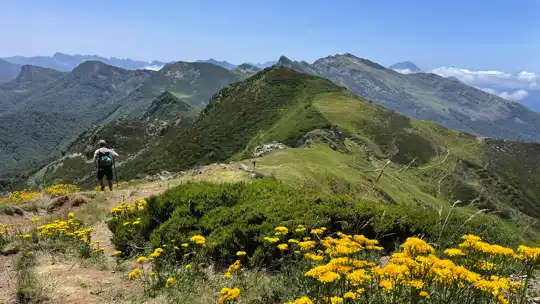
.jpg) Hi, I’m Johan (Netherlands 🇳🇱), the creator of TakeYourBackpack. Over the past 3 decades, I’ve backpacked through 90+ countries across six continents, gaining extensive experience with independent travel, long-term trips, and overland routes.
Hi, I’m Johan (Netherlands 🇳🇱), the creator of TakeYourBackpack. Over the past 3 decades, I’ve backpacked through 90+ countries across six continents, gaining extensive experience with independent travel, long-term trips, and overland routes.