v2.webp)

1. Roque Nublo: The Sentinel of Gran Canaria
You’ll spot Roque Nublo long before you reach it—a hulking volcanic monolith, jutting 80 meters into the sky, perched on its own platform of ancient lava. The trail snakes through pine forests and open ridges, then suddenly, you’re standing in its shadow, boots dusted with red earth. The wind here is relentless, and the silence is broken only by the crunch of gravel and the distant call of kestrels. This is the island’s spiritual heart, a place the Guanches revered. The view? It’s not just a panorama—it’s a collision of cloud, rock, and Atlantic blue. On a clear day, Tenerife’s Teide floats on the horizon like a mirage. Roque Nublo isn’t just a waypoint; it’s the moment you realize you’re walking on the roof of Gran Canaria.
2. The Caldera de Tejeda: … read more 👉
You’ll spot Roque Nublo long before you reach it—a hulking volcanic monolith, jutting 80 meters into the sky, perched on its own platform of ancient lava. The trail snakes through pine forests and open ridges, then suddenly, you’re standing in its shadow, boots dusted with red earth. The wind here is relentless, and the silence is broken only by the crunch of gravel and the distant call of kestrels. This is the island’s spiritual heart, a place the Guanches revered. The view? It’s not just a panorama—it’s a collision of cloud, rock, and Atlantic blue. On a clear day, Tenerife’s Teide floats on the horizon like a mirage. Roque Nublo isn’t just a waypoint; it’s the moment you realize you’re walking on the roof of Gran Canaria.
2. The Caldera de Tejeda: … read more 👉
1. Roque Nublo: The Sentinel of Gran Canaria
You’ll spot Roque Nublo long before you reach it—a hulking volcanic monolith, jutting 80 meters into the sky, perched on its own platform of ancient lava. The trail snakes through pine forests and open ridges, then suddenly, you’re standing in its shadow, boots dusted with red earth. The wind here is relentless, and the silence is broken only by the crunch of gravel and the distant call of kestrels. This is the island’s spiritual heart, a place the Guanches revered. The view? It’s not just a panorama—it’s a collision of cloud, rock, and Atlantic blue. On a clear day, Tenerife’s Teide floats on the horizon like a mirage. Roque Nublo isn’t just a waypoint; it’s the moment you realize you’re walking on the roof of Gran Canaria.
2. The Caldera de Tejeda: A Volcanic Amphitheater
Drop into the Caldera de Tejeda and you’ll feel the temperature shift, the air thick with the scent of wild fennel and sun-baked stone. The caldera is a collapsed volcanic crater, now a vast bowl ringed by cliffs and spires. Trails here twist through almond groves and terraces built by hand centuries ago. In spring, the valley explodes with pink and white blossoms, and the only traffic jam is a herd of goats. The real reward is the sense of scale—standing at the rim, you see the island’s bones laid bare, a geology lesson written in basalt and time.
3. Pico de las Nieves Summit: The Island’s Crown
This is the high point—literally. At 1,949 meters, Pico de las Nieves is the highest spot on Gran Canaria. The final push is steep, the air thin, and your legs will burn. But the summit delivers: a 360-degree sweep from the green north to the arid south, with the Atlantic glinting on all sides. The military radar dome is a reminder that you’re not alone up here, but it’s the raw exposure that sticks with you. On some days, the clouds boil below your feet, and you’re hiking above the weather. My personal favorite—there’s nothing like the first lungful of cool summit air, sweat drying on your back, and the world spread out in every direction.
4. The Ancient Pine Forests of Llanos de la Pez
Before the final ascent, the trail plunges into the island’s old-growth Canary pines. These trees are survivors—tall, resinous, and fire-scarred, their needles whispering overhead. The ground is soft with centuries of fallen needles, and the air smells faintly of sap and ozone. If you’re lucky, you’ll spot a blue chaffinch flitting through the branches, or hear the tap-tap of a woodpecker. This stretch is pure sensory reset: cool shade, filtered light, and the steady rhythm of your own footsteps.
You’ll spot Roque Nublo long before you reach it—a hulking volcanic monolith, jutting 80 meters into the sky, perched on its own platform of ancient lava. The trail snakes through pine forests and open ridges, then suddenly, you’re standing in its shadow, boots dusted with red earth. The wind here is relentless, and the silence is broken only by the crunch of gravel and the distant call of kestrels. This is the island’s spiritual heart, a place the Guanches revered. The view? It’s not just a panorama—it’s a collision of cloud, rock, and Atlantic blue. On a clear day, Tenerife’s Teide floats on the horizon like a mirage. Roque Nublo isn’t just a waypoint; it’s the moment you realize you’re walking on the roof of Gran Canaria.
2. The Caldera de Tejeda: A Volcanic Amphitheater
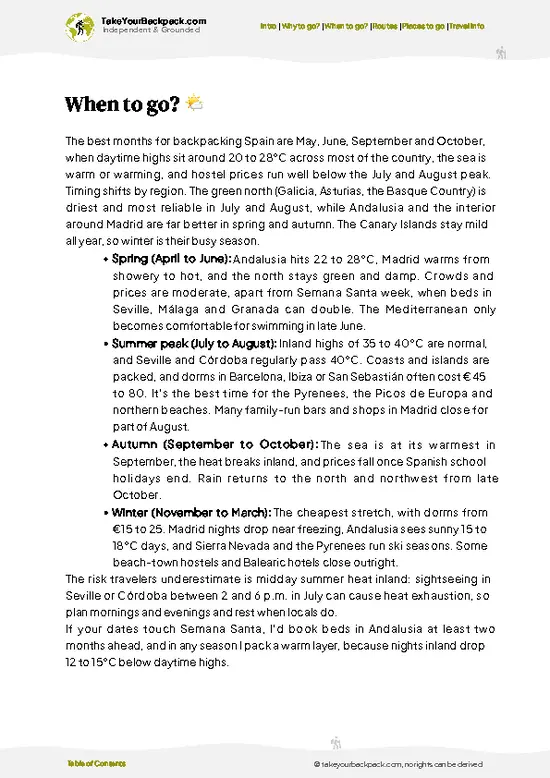
Drop into the Caldera de Tejeda and you’ll feel the temperature shift, the air thick with the scent of wild fennel and sun-baked stone. The caldera is a collapsed volcanic crater, now a vast bowl ringed by cliffs and spires. Trails here twist through almond groves and terraces built by hand centuries ago. In spring, the valley explodes with pink and white blossoms, and the only traffic jam is a herd of goats. The real reward is the sense of scale—standing at the rim, you see the island’s bones laid bare, a geology lesson written in basalt and time.
3. Pico de las Nieves Summit: The Island’s Crown
This is the high point—literally. At 1,949 meters, Pico de las Nieves is the highest spot on Gran Canaria. The final push is steep, the air thin, and your legs will burn. But the summit delivers: a 360-degree sweep from the green north to the arid south, with the Atlantic glinting on all sides. The military radar dome is a reminder that you’re not alone up here, but it’s the raw exposure that sticks with you. On some days, the clouds boil below your feet, and you’re hiking above the weather. My personal favorite—there’s nothing like the first lungful of cool summit air, sweat drying on your back, and the world spread out in every direction.
4. The Ancient Pine Forests of Llanos de la Pez
Before the final ascent, the trail plunges into the island’s old-growth Canary pines. These trees are survivors—tall, resinous, and fire-scarred, their needles whispering overhead. The ground is soft with centuries of fallen needles, and the air smells faintly of sap and ozone. If you’re lucky, you’ll spot a blue chaffinch flitting through the branches, or hear the tap-tap of a woodpecker. This stretch is pure sensory reset: cool shade, filtered light, and the steady rhythm of your own footsteps.
Spotted a mistake or missing something? Contact us.

70s Buggy ride in Gran Canaria.

Discover Scuba diving in Gran Canaria with Hotel Pick-up

Private Excursion The mountains of Gran Canaria for 2 to 4 people

Custom Private & VIP Highlights Tour of Gran Canaria

Jetski Tour in Maspalomas - Unlicensed - Guided Experience

2 Hour Stand Up Paddle Lesson in Gran Canaria

Aerial Yoga Experience in Maspalomas, Spain

Gran Canaria: Small Group Sup Yoga Experience.

Sunset Tour in Beetle Convertible West Coast


 Best Backpacking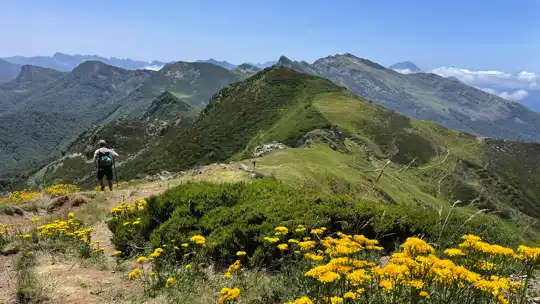
.jpg) Hi, I’m Johan (Netherlands 🇳🇱), the creator of TakeYourBackpack. Over the past 3 decades, I’ve backpacked through 90+ countries across six continents, gaining extensive experience with independent travel, long-term trips, and overland routes.
Hi, I’m Johan (Netherlands 🇳🇱), the creator of TakeYourBackpack. Over the past 3 decades, I’ve backpacked through 90+ countries across six continents, gaining extensive experience with independent travel, long-term trips, and overland routes.