

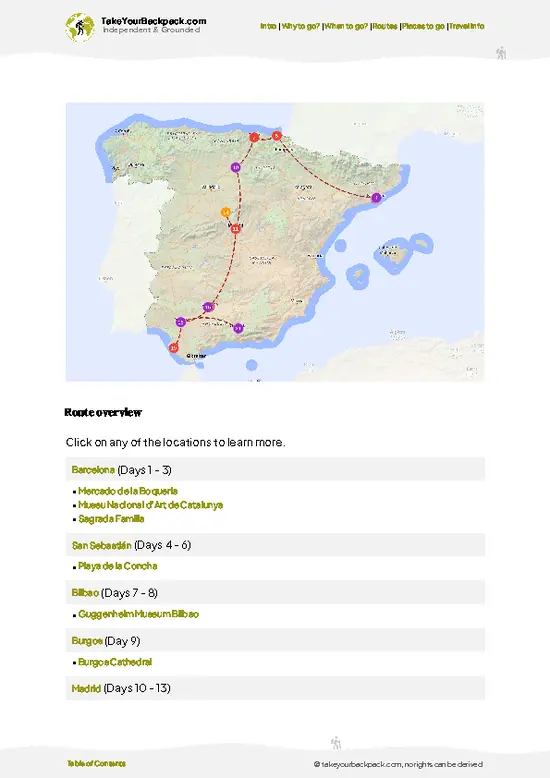
El Capricho de Gaudí
You’ll know you’re close when you catch the scent of wildflowers and hear the chatter of visitors marveling at the sunflower-tiled façade. This is Antoni Gaudí’s northern outpost—a riot of color and whimsy, built before he became a household name. The building’s playful curves and mosaics are best appreciated in the late morning, when sunlight bounces off the ceramic tiles and the garden is still quiet. Entry is around €7-€10. Give yourself at least an hour; the details reward slow wandering. The staff are used to architecture buffs and selfie-hunters alike, so you’ll never feel out of place, whether you’re sketching or just gawking.
Palacio de Sobrellano
This neo-Gothic palace sits on a rise, its honey-colored stone glowing in the late afternoon. The air smells faintly … read more 👉
El Capricho de Gaudí
You’ll know you’re close when you catch the scent of wildflowers and hear the chatter of visitors marveling at the sunflower-tiled façade. This is Antoni Gaudí’s northern outpost—a riot of color and whimsy, built before he became a household name. The building’s playful curves and mosaics are best appreciated in the late morning, when sunlight bounces off the ceramic tiles and the garden is still quiet. Entry is around €7-€10. Give yourself at least an hour; the details reward slow wandering. The staff are used to architecture buffs and selfie-hunters alike, so you’ll never feel out of place, whether you’re sketching or just gawking.
Palacio de Sobrellano
This neo-Gothic palace sits on a rise, its honey-colored stone glowing in the late afternoon. The air smells faintly of the sea, and the lawns are clipped with almost English precision. Inside, you’ll find woodwork and stained glass that whisper of old money and grand ambitions. Guided tours (about €3-€5) run regularly, and you’ll want to join one—otherwise, you’ll miss the stories behind the family portraits and the chapel’s carved choir stalls. Plan for 45 minutes to an hour. The best time is late afternoon, when the crowds thin and the light slants through the tall windows.
Cementerio de Comillas
Not your average graveyard. Perched on a bluff above the Cantabrian Sea, the cemetery is a place where wind and salt air mingle with the scent of cypress. The ruined church walls and the Angel Exterminador statue give it a gothic, almost cinematic atmosphere. It’s free, open daylight hours, and you’ll rarely find more than a handful of visitors. Go at sunset if you want drama—clouds rolling in from the Atlantic, the angel’s wings silhouetted against the sky. Thirty minutes is enough, but linger if you like the feeling of history breathing down your neck.
Playa de Comillas
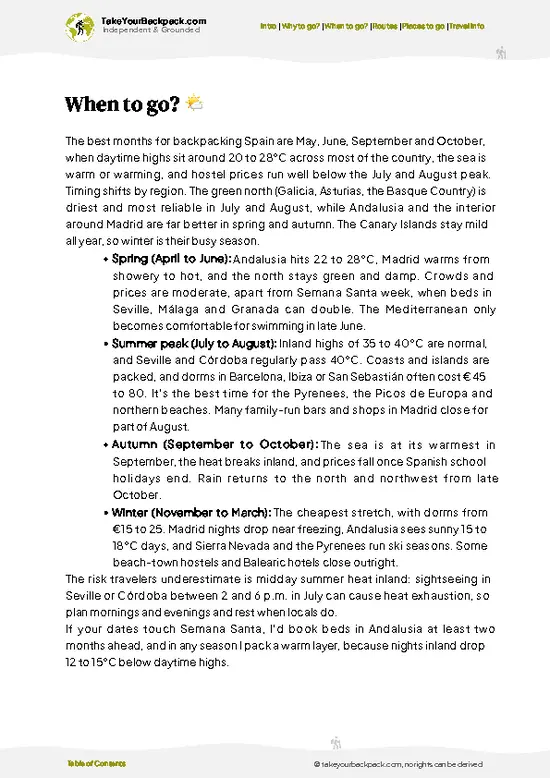
This isn’t just a beach—it’s the town’s living room. Locals stroll the promenade, kids chase footballs, and the air smells of grilled sardines from the chiringuitos. The sand is fine, the water brisk even in July, and the waves are gentle enough for swimming or paddleboarding. Free access, of course. Early morning is for solitude, late afternoon for people-watching. Stay as long as you like; the mood shifts with the tide.
Fuente de los Tres Caños
A fountain, yes, but also a meeting point and a slice of Comillas’ soul. Built in 1899, its ornate stonework and iron lamps are a nod to the town’s modernista heyday. The water is cold and clear—locals fill bottles here, and you should too. It’s free, and you’ll only need ten minutes, but don’t rush. Sit on the nearby bench, watch the world go by, and listen to the echo of footsteps on cobblestones.
If you’re itching to stretch your legs beyond town, the caves of El Soplao, the medieval streets of Santillana del Mar, and the wild cliffs of Oyambre Natural Park are all within easy reach. El Soplao’s underground world is my personal favorite—otherworldly, cool, and a total reset from the sunlit plazas of Comillas.
Spotted a mistake or missing something? Contact us.

Immersive visit to the Velarde Palace Museum

Historic Santillana del Mar Hidden Treasure Private Tour

Santillana del Mar and the medieval Collegiate Church of Santa Juliana

Santillana del Mar Architectural Jewels Private Tour

Historic Altamira Museum Private Tour Through Santillana Del Mar

Santillana: Gaudí’s Caprice, Comillas and Redwood Forest

Santillana Uncorked Wine Tasting: A private Adventure

Private Walking Tour of Altamira and Neocave Museum

Private Guided Walking Tour of Santillana del Mar


 Best Backpacking
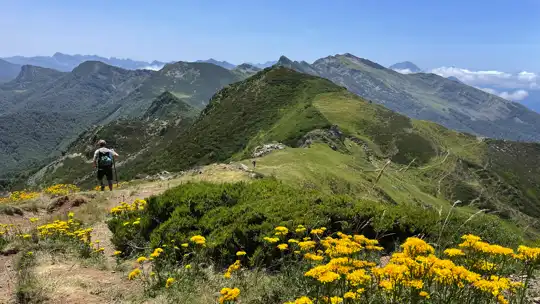
 Hi, I’m Johan (Netherlands 🇳🇱), the creator of TakeYourBackpack. Over the past 3 decades, I’ve backpacked through 90+ countries across six continents, gaining extensive experience with independent travel, long-term trips, and overland routes.