
×

Spain🇪🇸 | national parksDoñana National Parkwetlands, migratory birds, shifting dunes | things to do and best time to go

Explore Cabo de Gata-NíjarExplore Ordesa y Monte Perdido

Backpacking in Doñana
UNESCO World Heritage site
🏆 Top picknational park ranked #4
By Johan Kruseman 🇳🇱 | Updated May 18, 2026

Most people only realize after leaving that Doñana is one of the cheapest ways in Spain to see truly wild Europe—marsh, dunes, and big mammals—without needing hardcore mountaineering fitness or expensive gear. It sits in southwest Spain, in Andalusia, between Seville and the Atlantic coast around Matalascañas and Sanlúcar de Barrameda. As a backpacker destination, it’s low-drama but also low-flexibility: hiking is limited to short marked trails and boardwalks near visitor centers, with the real heart of the park only accessible on guided 4x4 or boat tours. The birdlife and chance (not promise) of Iberian lynx are the draw; scenery is subtle, more wetlands and scrub than postcard peaks. Public transport reaches gateway towns, but wild camping is banned and budget beds cluster outside the park. Compared with Sierra de Aracena or Grazalema, Doñana feels quieter, flatter, and more about patience than adrenaline.

Discover everything you want to know in the 📖 Spain Travel Guide.


Get your Spain guide
151 ranked highlights, routes & tips, works offline (553 pages)
Loading the map 🌍
CLICK TO FILTER
cities
towns
villages
landmarks
national parks
hikes
beaches
attractions
festivals
regions
SHOW COUNTRY’S BESTSHOW ALL

✨ Why go?
Ranked #4 national park in Spain
What makes it a must-see national park

Doñana National Park attracts backpackers for several compelling reasons. First, the independent exploration is a major draw. You can roam the diverse landscapes—from wetlands to dunes—without the constraints of guided tours. This freedom allows you to connect with nature on your own terms.

Budget-conscious travelers appreciate the camping and hostel options nearby. Affordable accommodations let you stretch your funds, leaving more for experiences like local cuisine or a guided birdwatching session.

The trail variety is another highlight. Whether you’re into leisurely strolls or more challenging hikes, there’s something for everyone. This flexibility makes it easy to tailor your adventure based on your energy levels and interests.

Doñana is particularly suited for self-guided travelers. … read more 👉
Doñana National Park attracts backpackers for several compelling reasons. First, the independent exploration is a major draw. You can roam the diverse landscapes—from wetlands to dunes—without the constraints of guided tours. This freedom allows you to connect with nature on your own terms.

Budget-conscious travelers appreciate the camping and hostel options nearby. Affordable accommodations let you stretch your funds, leaving more for experiences like local cuisine or a guided birdwatching session.

The trail variety is another highlight. Whether you’re into leisurely strolls or more challenging hikes, there’s something for everyone. This flexibility makes it easy to tailor your adventure based on your energy levels and interests.

Doñana is particularly suited for self-guided travelers. The well-marked trails and informative signage mean you can navigate confidently. Just keep an eye on the weather and park regulations to avoid surprises. By planning wisely, you can focus your energy and budget on the moments that truly matter.
Get the complete Travel Guide for Spain
Everything organized for offline planning — routes, highlights, costs & tips

See what’s inside 👉

Get the Travel Guide -

💡 HighlightsThe experiences that define the visit

  • Marismas (seasonal marshes and lagoons) — The heart of Doñana: shallow, shifting lagoons that fill and dry with the seasons, turning the place into a playground for thousands of wading birds. Flamingos, herons, stilts and huge flocks of ducks create spectacular color and reflections at dawn and dusk.
  • Coto de Doñana (the protected core) — Strictly managed habitat where the rarest residents hang out: Iberian lynx, Spanish imperial eagle and other threatened species. Public access is limited and most visits are guided 4x4 tours, which makes sightings feel special — and helps the park survive.
  • Mobile dune system & Matalascañas beach — A big, raw sandscape: wind-sculpted mobile dunes that roll down to a long Atlantic beach. Great for wide-open walks, sunset photos and the odd sand-blown silence
read more 👉
  • Marismas (seasonal marshes and lagoons) — The heart of Doñana: shallow, shifting lagoons that fill and dry with the seasons, turning the place into a playground for thousands of wading birds. Flamingos, herons, stilts and huge flocks of ducks create spectacular color and reflections at dawn and dusk.
  • Coto de Doñana (the protected core) — Strictly managed habitat where the rarest residents hang out: Iberian lynx, Spanish imperial eagle and other threatened species. Public access is limited and most visits are guided 4x4 tours, which makes sightings feel special — and helps the park survive.
  • Mobile dune system & Matalascañas beach — A big, raw sandscape: wind-sculpted mobile dunes that roll down to a long Atlantic beach. Great for wide-open walks, sunset photos and the odd sand-blown silence that makes the park feel huge.
  • La Rocina stream and riparian trails — Shady freshwater corridor with cork- and holm-oaks, boardwalks and hides. It’s surprisingly green and intimate compared to the open marshes — excellent for songbirds, kingfishers and sometimes otters. (Personal favorite — I love the quiet walks here.)
  • El Acebuche Visitor Centre & lagoon — The best place to get your bearings: maps, guided-walk options, short accessible trails and an observation hide right by a lagoon. Perfect if you want to learn what to watch for before heading deeper into the park.
  • El Rocío village and pine woods — Not a wildlife sighting per se, but this whitewashed pilgrimage village and its boardwalked pine groves have a vibe you won’t forget. It’s a cultural contrast to the wild parts of Doñana and a handy launch point for nearby trails.
  • Birdwatching hides & observation points — Scattered hides around the big lagoons and marsh edges let you sit close to the action without disturbing birds. Best during migration and winter; bring a scope if you want serious ID work or photos.
Spotted a mistake or missing something? Contact us.

Things to do around Doñana National Park

Ratings based on Tripadvisor reviews. When you book through this link, you support our work at no extra cost to you.

🌤️ When to go?Seasonal considerations and timing


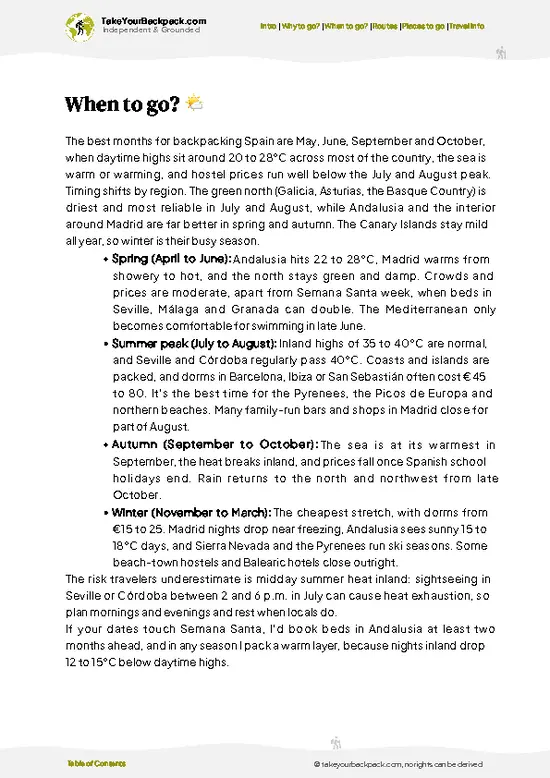
  • Weather: Spring (March to May) offers mild, pleasant conditions with temperatures ranging from 15°C to 25°C (59°F to 77°F). Summers get hot and dry, often exceeding 35°C (95°F), which can drain your energy fast.

  • Temperature: Winters are cool and damp, averaging 10°C to 15°C (50°F to 59°F), which might limit some outdoor activities but keeps the park quieter.

  • Daylight Hours: Longer days from late March to early September provide more daylight for exploring, with up to 14 hours in summer, while winter days shrink to about 9 hours.

  • Crowds: Peak season is spring and early summer when birdwatchers and nature lovers flock in. Visiting in late autumn or winter means fewer people but less wildlife activity.

  • Seasonal Activities: Spring is prime for bird migrations and wildflower blooms.
read more 👉

  • Weather: Spring (March to May) offers mild, pleasant conditions with temperatures ranging from 15°C to 25°C (59°F to 77°F). Summers get hot and dry, often exceeding 35°C (95°F), which can drain your energy fast.

  • Temperature: Winters are cool and damp, averaging 10°C to 15°C (50°F to 59°F), which might limit some outdoor activities but keeps the park quieter.

  • Daylight Hours: Longer days from late March to early September provide more daylight for exploring, with up to 14 hours in summer, while winter days shrink to about 9 hours.

  • Crowds: Peak season is spring and early summer when birdwatchers and nature lovers flock in. Visiting in late autumn or winter means fewer people but less wildlife activity.

  • Seasonal Activities: Spring is prime for bird migrations and wildflower blooms. Summer limits wildlife sightings due to heat, while autumn brings calmer weather and fewer tourists.

  • Price Fluctuations: Accommodation and tours spike in spring and early summer. Off-season rates in winter and late autumn can save you a solid chunk of cash.


Pro-tip: Aim for late spring to catch good weather and wildlife without the full crush of crowds or prices.


source: climatestotravel.comJANJanuary: fair for travelingFEBFebruary: fair for travelingMARMarch: highly recommended for travelingAPRApril: excellent for travelingMAYMay: excellent for travelingJUNJune: good for travelingJULJuly: fair for travelingAUGAugust: fair for travelingSEPSeptember: good for travelingOCTOctober: highly recommended for travelingNOVNovember: good for travelingDECDecember: fair for traveling
spain-national-park-donana-national-park
© Google | Maria Asensio

✈️ The backpacker research shortcutSpain Travel Guide

An offline-friendly backpacking guide with optimized travel routes, ranked highlights, transport advice, and the best areas to stay.
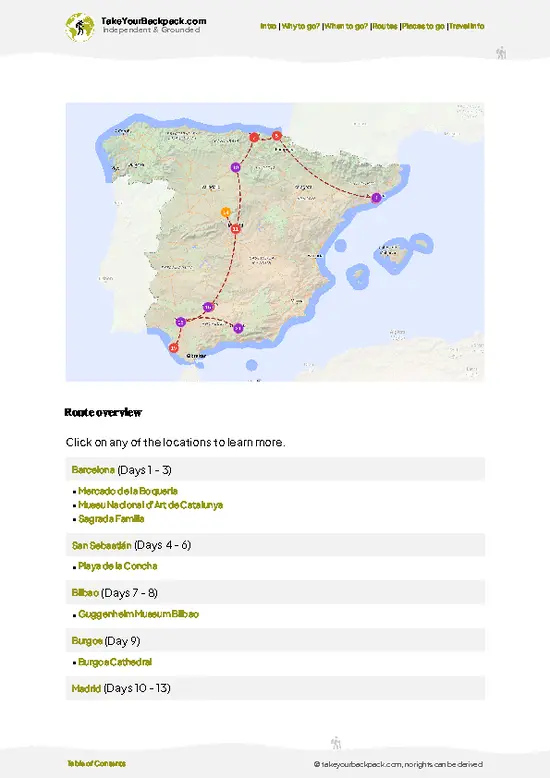
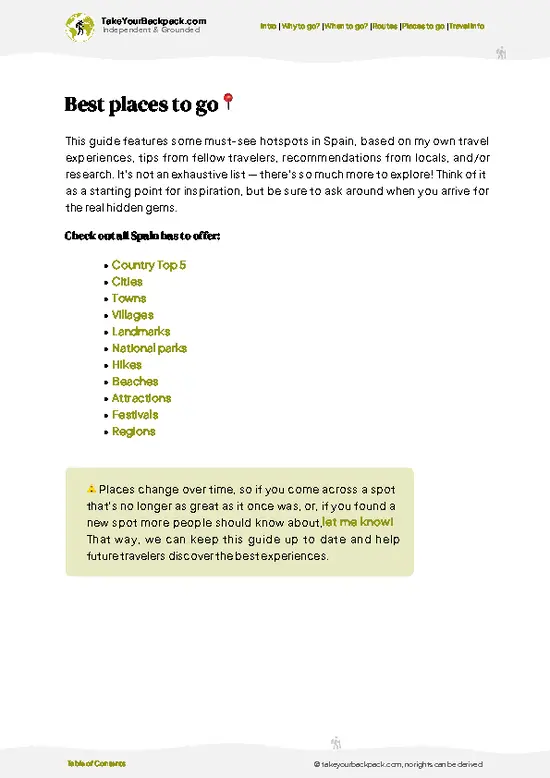
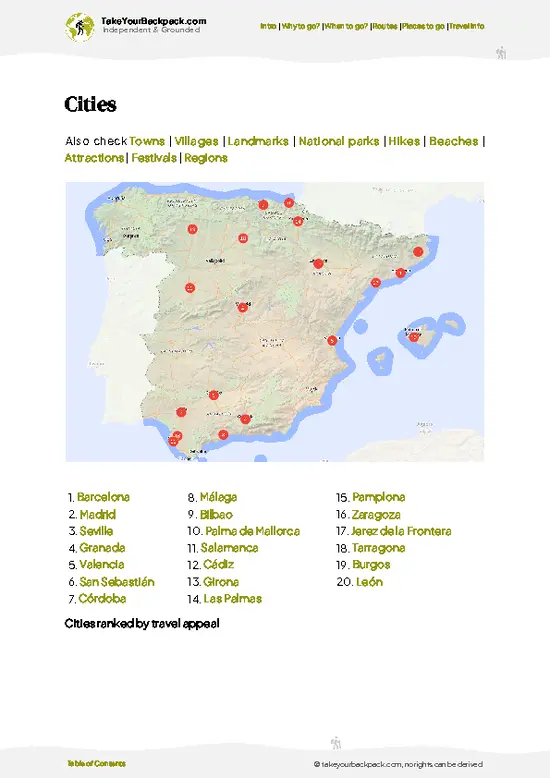
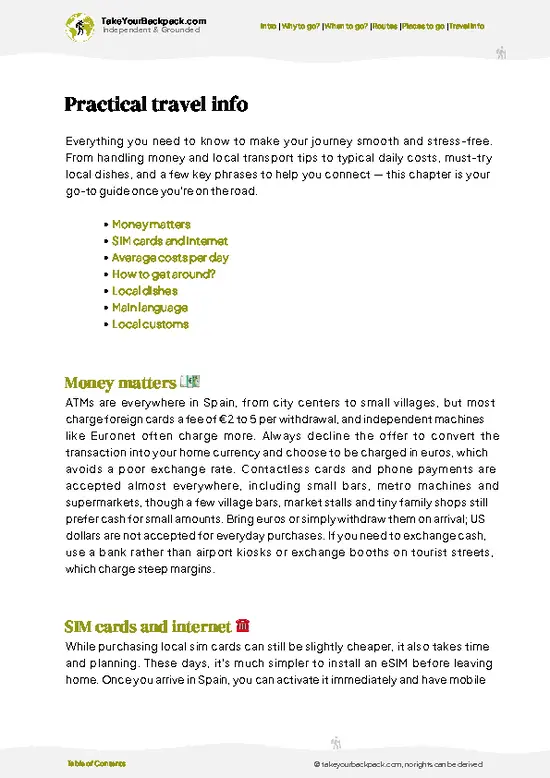
example page 0 from our offline Travel Guide for Spainexample page 1 from our offline Travel Guide for Spainexample page 2 from our offline Travel Guide for Spainexample page 3 from our offline Travel Guide for Spainexample page 4 from our offline Travel Guide for Spainexample page 5 from our offline Travel Guide for Spainexample page 6 from our offline Travel Guide for Spainexample page 7 from our offline Travel Guide for Spain
The digital guide (553 pages) contains:
151 highlights, ranked by travel appeal
Optimized 7, 14 & 21-day travel routes
Cities, national parks, beaches, historical sites, ...
How to get around
Offline-friendly for travel without Wi-Fi
👉 Click to see all 30+ guide features

📅 Plan smarter in minutes, not weeks
Month by month travel advice
Festivals & national holidays
Budget expectations

🗺️ Go to the right places, skip the overrated ones
Honest pros & cons of destinations
Top hikes, parks & viewpoints
Lesser-known places most travelers miss
Clear “worth it vs skip it” guidance

🛏️ Travel smoothly without rookie mistakes
Best areas to stay
Transport systems explained simply
Common scams & safety advice
SIM cards, money & practical tips

🌍 Understand the country, not just visit it
Culture & traditions
52 Essential phrases & customs
Festivals worth planning around
Traveler-friendly historical context
Insights that make places more meaningful

📱 Built for real travel conditions
Fully downloadable PDF
Works completely offline
Optimized for phone use
Useful in remote areas & buses
Everything in one place
Save weeks of stressful planning
Get instant access to the full guide directly. 30-day money-back guarantee.


Sent to your inbox immediately after payment • 100% Secure Checkout
Best Backpacking Travel Advisor 2025 tourism awardBest Backpacking
Travel Advisor
2025
What others say about Take Your Backpack Guides:
⭐⭐⭐⭐⭐
Fantastic, amazing amount of information!
⭐⭐⭐⭐⭐
My goodness this is amazing, it's what I've been looking for hats off too you!
⭐⭐⭐⭐⭐
I think this is absolutely BRILLIANT
⭐⭐⭐⭐
Very complete and informative. It's still missing places, but I gotta to commend you
⭐⭐⭐⭐⭐
This is truly amazing, thank you, can't wait to explore it with my kids!
⭐⭐⭐⭐⭐
Awesome resource, thank you!
⭐⭐⭐⭐⭐
This is amazing! Can't wait to explore the ones I haven't seen
⭐⭐⭐⭐
I love this! Well done, great idea.
⭐⭐⭐⭐⭐
Thanks for taking the time to make this gem!
⭐⭐⭐⭐⭐
This might be the best website I've ever seen.
⭐⭐⭐⭐⭐
Congratulations, and thank you so much for your work; it's incredibly valuable.
⭐⭐⭐⭐
In all seriousness I think you did a great job pointing out the important spots
⭐⭐⭐⭐⭐
10/10 very good
⭐⭐⭐⭐⭐
As someone who's only just starting to visit regularly this is awesome, thank you.
⭐⭐⭐⭐
Thank you very much! I'm going to visit my dad, it's going to be very useful!
⭐⭐⭐⭐⭐
This is really cool! We'll be travelling for the first time and this definitely come in handy.
⭐⭐⭐⭐⭐
You are now our minister of culture, congratulations 👨‍💼
⭐⭐⭐⭐⭐
Just wanted to tell you that this is a pearl! Going to follow your recommendations.
⭐⭐⭐⭐⭐
This is so cool. I'll definitely be using the resource for my travels soon.
⭐⭐⭐⭐⭐
This is very impressive! Good work.
⭐⭐⭐⭐⭐
This is an amazing and informative site. Very well done!

🛏️ Where to stay?Best areas and accommodation options

When it comes to staying near Doñana National Park, you have a few solid options that cater to backpackers without breaking the bank.

Inside the park, accommodations are limited. There’s the Casa de la Luz, a rustic guesthouse that offers a cozy atmosphere and easy access to trails. It’s basic but charming, perfect for those who want to immerse themselves in nature. However, be aware that availability can be tight, especially in peak seasons.

For more options, head to nearby towns like El Rocío and Almonte. El Rocío is famous for its unique architecture and vibrant atmosphere. You’ll find budget … read more 👉
When it comes to staying near Doñana National Park, you have a few solid options that cater to backpackers without breaking the bank.

Inside the park, accommodations are limited. There’s the Casa de la Luz, a rustic guesthouse that offers a cozy atmosphere and easy access to trails. It’s basic but charming, perfect for those who want to immerse themselves in nature. However, be aware that availability can be tight, especially in peak seasons.

For more options, head to nearby towns like El Rocío and Almonte. El Rocío is famous for its unique architecture and vibrant atmosphere. You’ll find budget hostels and guesthouses here, like Hostal Rural La Fonda, which offers a friendly vibe and local cuisine. Almonte has a wider range of accommodations, from hostels to small hotels, making it a practical base for exploring the park.

Keep in mind that public transport can be sparse, so consider renting a bike or a car to maximize your time in the park. This way, you can save your energy and budget for the experiences that truly matter.

👛 Costs (as of 12 February 2026)Typical daily expenses

Visiting Doñana National Park in Spain can be a rewarding experience, but it’s essential to be aware of the costs involved to avoid surprises.

Entry fees for the park typically range from €1 to €10, depending on the specific area you wish to access. Some guided tours may charge more, often between €20 and €50, which can include transportation and a knowledgeable guide. If you opt for a specialized birdwatching tour, expect to pay around €50 to €100.

Parking is another consideration. If you’re driving, parking fees can vary from €2 to €5 per day. Be mindful that some areas may have limited parking, especially during peak seasons.

Food and drink can add up quickly. A meal at a local restaurant near the park might cost you between €10 and €25. If you plan to bring your own food, consider the … read more 👉
Visiting Doñana National Park in Spain can be a rewarding experience, but it’s essential to be aware of the costs involved to avoid surprises.

Entry fees for the park typically range from €1 to €10, depending on the specific area you wish to access. Some guided tours may charge more, often between €20 and €50, which can include transportation and a knowledgeable guide. If you opt for a specialized birdwatching tour, expect to pay around €50 to €100.

Parking is another consideration. If you’re driving, parking fees can vary from €2 to €5 per day. Be mindful that some areas may have limited parking, especially during peak seasons.

Food and drink can add up quickly. A meal at a local restaurant near the park might cost you between €10 and €25. If you plan to bring your own food, consider the cost of snacks and drinks, which can range from €5 to €15, depending on your preferences.

Lastly, if you’re considering accommodations, prices for nearby hotels or lodges can range from €50 to €150 per night, depending on the level of comfort and proximity to the park.

Understanding these costs will help you budget effectively, allowing you to focus on enjoying the natural beauty and wildlife of Doñana National Park without financial stress.


source: spain.info
⚠️ Prices can change and everyone travels differently, so take this as a rough guide. Hope it helps you plan your adventure!

🥾 TrailsExploring Doñana: trails, terrain, and views

Doñana National Park is a hidden gem in Spain, offering a unique blend of wetlands, dunes, and forests. The scenery is stunning, with sprawling marshes that teem with life, especially during migration seasons when birds flock in from all over. The terrain ranges from sandy beaches to dense vegetation, making it a diverse playground for hikers.

One of the standout trails is the Sendero del Acebuche, which is about 3.5 kilometers long. It usually takes around an hour to complete, and it’s rated as easy, perfect for a leisurely stroll. Here are some details:
  • Length: 3.5 km
  • Estimated Duration: 1 hour
  • Difficulty
read more 👉
Doñana National Park is a hidden gem in Spain, offering a unique blend of wetlands, dunes, and forests. The scenery is stunning, with sprawling marshes that teem with life, especially during migration seasons when birds flock in from all over. The terrain ranges from sandy beaches to dense vegetation, making it a diverse playground for hikers.

One of the standout trails is the Sendero del Acebuche, which is about 3.5 kilometers long. It usually takes around an hour to complete, and it’s rated as easy, perfect for a leisurely stroll. Here are some details:
  • Length: 3.5 km
  • Estimated Duration: 1 hour
  • Difficulty Level: Easy
  • Key Features: Birdwatching opportunities, views of marshlands
  • Terrain: Flat, well-marked paths

For something a bit longer, check out the Sendero de la Cañada de los Pajaritos, which stretches around 7 kilometers. This one takes about 2-3 hours and has a moderate difficulty level. Here’s the scoop:
  • Length: 7 km
  • Estimated Duration: 2-3 hours
  • Difficulty Level: Moderate
  • Key Features: Scenic views, diverse wildlife
  • Terrain: Mixed, some sandy sections

Getting to Doñana is pretty straightforward. You can catch a bus from Seville or Huelva, and it’s a relatively short trip. Just keep in mind that it can get crowded, especially during peak tourist seasons, so consider visiting early in the day or during the off-peak months. There’s an entrance fee, but it’s usually quite affordable, making it a budget-friendly option for nature lovers.
⚠️ Hiking info can sometimes be outdated or inaccurate. Before you hit the trail, check the latest conditions with locals. If you do spot anything that's off, I'd love to hear from you, so I can update it for fellow travelers.

🛡️ SafetySafety Tips and Common Scams in Doñana

Doñana National Park is generally a welcoming place for backpackers, but a few realities can enhance your experience. The weather can shift quickly, especially in spring and fall, so pack layers to adapt to temperature changes. The terrain is mostly flat, but some trails can be sandy or muddy after rain, which may slow your pace.

Wildlife is abundant, including birds and the occasional deer. Keep a respectful distance; don’t feed or approach animals. This helps preserve their natural behaviors and keeps you safe.

Timing is key. Early mornings or late afternoons are best for spotting wildlife and avoiding the heat. Carry plenty of water, as hydration is crucial, especially in warmer months.

Overall, with a bit of preparation and respect for the environment, you’ll find Doñana to be a rewarding destination.

Other Spanish national parks near Doñana

Explore more nearby:


👉 Discover all national parks

Or checkout all Spain has to offer (think cities, towns, villages, national parks, hikes, beaches, festivals)
Country photo of Spain

We 💚 feedbackSumming up the experience

Doñana National Park is a birdwatcher’s paradise. The sheer variety of species here is staggering, and you’ll find yourself captivated by their calls and colors. But be prepared: the park can get crowded during peak seasons. This isn’t just a minor inconvenience; it can sap your energy and make spotting wildlife tougher. Plan your visit for early mornings or weekdays to truly soak in the beauty without the throngs.

✈️ When did I visit Spain?
With Spain having so much to offer, I have visited it many times. Best trip was a hiking tour in the Picos de Europa in the North of Spain in July 2023.

✍️ Help improve this page!
The information on this page is based on my own backpacking experience in Spain, supplemented with up-to-date research and feedback from other travelers. Travel details can change, so if you notice anything outdated or incomplete, feel free to let me know.


🙋‍♂️ Give feedback

👋 Meet the founderWho’s Behind Take Your Backpack?

Johan, backpacker and founder of TakeYourBackpackHi, I’m Johan (Netherlands 🇳🇱), the creator of TakeYourBackpack. Over the past decade, I’ve backpacked through 80+ countries across six continents, gaining extensive experience with independent travel, long-term trips, and overland routes.

This site is built on a combination of firsthand travel experience and carefully curated insights from other backpackers. Many guides are based on places I’ve personally visited, while others bring together tips, observations, and practical advice shared by trusted travelers I’ve met along the way.

The goal is to provide realistic, experience-driven guidance — not generic itineraries — so you can explore destinations with better context, clearer expectations, and more confidence.

Get full Spain guide •
Instant download • 151 highlights • Full Offline guide