v2.webp)
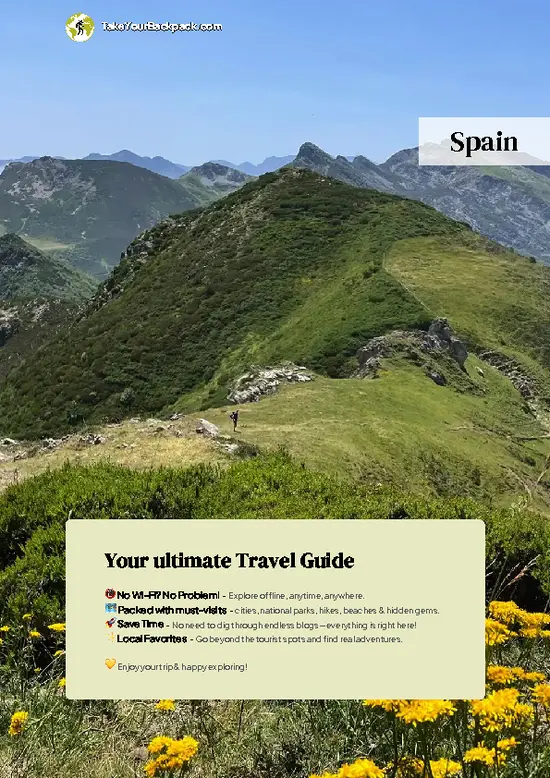
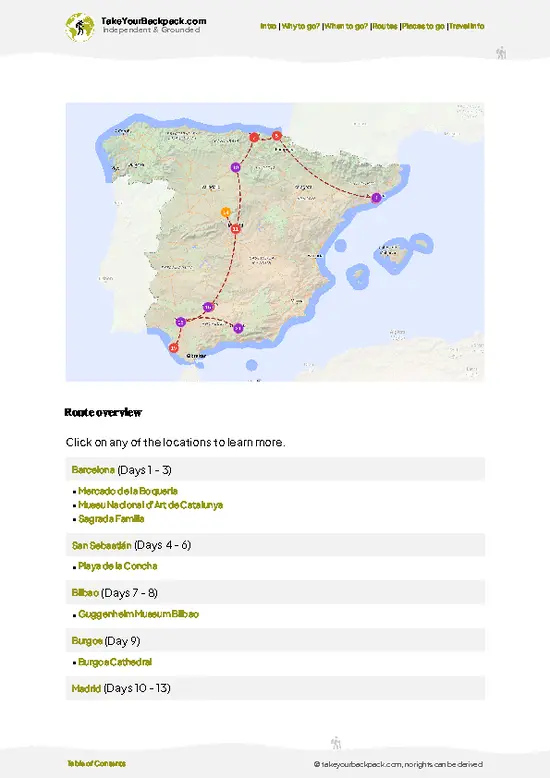
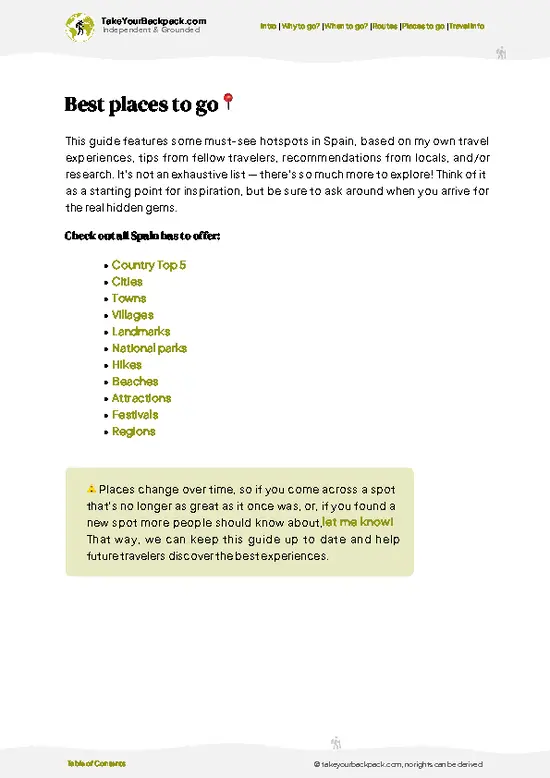
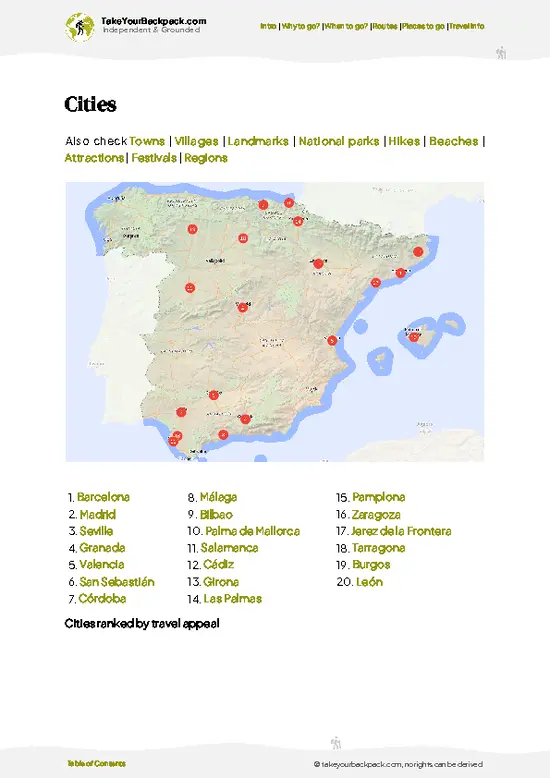
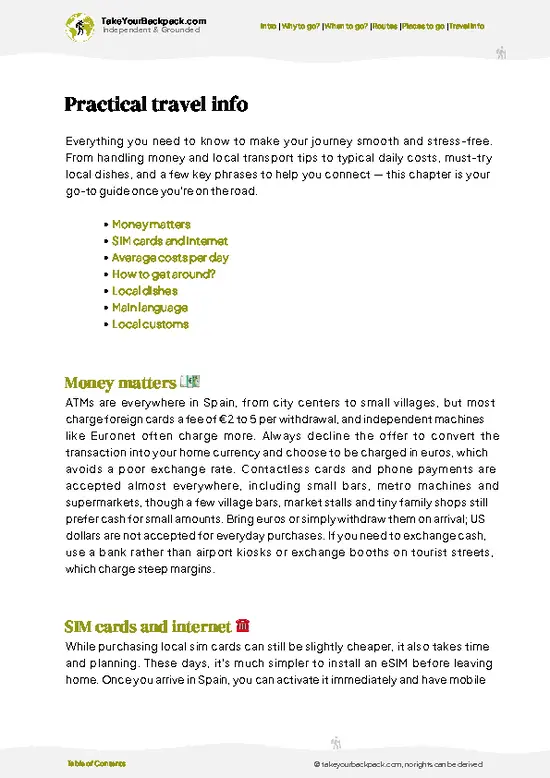
La Seu (Palma Cathedral)
This isn’t just a Gothic cathedral—it’s a statement piece for the entire city. Gaudí left his fingerprints here, but the real thrill is the way sunlight floods the nave through the rose window, painting the stone in color. Arrive early (doors open at 10:00) to dodge the tour groups and catch the hush before the city wakes up. Entry is around €9. You’ll want at least an hour, but architecture fans could linger for two. The climb to the terraces (extra fee, limited slots) is worth it if you want that “above the city” feeling.
Mercat de l’Olivar
Palma’s central market is a living, breathing slice of Mallorcan daily life. It’s not just for foodies—though the seafood stalls and pintxos bars are a playground for anyone who likes to eat what locals eat. Go mid-morning (10:30-12:00) … read more 👉
This isn’t just a Gothic cathedral—it’s a statement piece for the entire city. Gaudí left his fingerprints here, but the real thrill is the way sunlight floods the nave through the rose window, painting the stone in color. Arrive early (doors open at 10:00) to dodge the tour groups and catch the hush before the city wakes up. Entry is around €9. You’ll want at least an hour, but architecture fans could linger for two. The climb to the terraces (extra fee, limited slots) is worth it if you want that “above the city” feeling.
Mercat de l’Olivar
Palma’s central market is a living, breathing slice of Mallorcan daily life. It’s not just for foodies—though the seafood stalls and pintxos bars are a playground for anyone who likes to eat what locals eat. Go mid-morning (10:30-12:00) … read more 👉
La Seu (Palma Cathedral)
This isn’t just a Gothic cathedral—it’s a statement piece for the entire city. Gaudí left his fingerprints here, but the real thrill is the way sunlight floods the nave through the rose window, painting the stone in color. Arrive early (doors open at 10:00) to dodge the tour groups and catch the hush before the city wakes up. Entry is around €9. You’ll want at least an hour, but architecture fans could linger for two. The climb to the terraces (extra fee, limited slots) is worth it if you want that “above the city” feeling.
Mercat de l’Olivar
Palma’s central market is a living, breathing slice of Mallorcan daily life. It’s not just for foodies—though the seafood stalls and pintxos bars are a playground for anyone who likes to eat what locals eat. Go mid-morning (10:30-12:00) for peak bustle. Entry is free; a snack or coffee will run you €2-€10 depending on your appetite for oysters or jamón. You can see the whole market in 30 minutes, but give yourself an hour if you want to sit and sample.
Palau de l’Almudaina
A royal palace with roots in Moorish rule, right across from the cathedral. The interiors are a crash course in layered history—Islamic arches, medieval halls, and a terrace with a sea breeze. It’s rarely crowded outside peak summer. Entry is €7, and you’ll need about 45 minutes to do it justice. Go late afternoon for golden light and fewer crowds.
Fundació Miró Mallorca
Joan Miró’s studio and a modern art museum in one. The real value is seeing the creative chaos of Miró’s actual workspace—paint-splattered floors, unfinished canvases, and all. It’s a 15-minute bus ride from the center, so factor in travel. Entry is €10. Art lovers will want 90 minutes; casual visitors can get the vibe in under an hour. Go on a weekday morning for space to breathe.
Banys Àrabs (Arab Baths)
A rare survivor from Palma’s Islamic past. The baths themselves are compact, but the garden is a cool, shaded retreat from the city’s heat. Entry is €3. You’ll only need 20 minutes, but it’s a shortcut to understanding Palma’s deep, multicultural roots. Early morning or late afternoon is best for quiet.
Passeig del Born
More than a shopping street—this is Palma’s social artery. Plane trees, grand facades, and people-watching that rivals any European boulevard. Free to wander, but a coffee at a terrace café (€3-€5) buys you a front-row seat to the city’s daily theater. Walk it in 15 minutes, or linger for an hour if you want to soak up the rhythm.
Es Baluard Museu d’Art Contemporani
A fortress-turned-museum with a punchy collection of Balearic and international art. The real trick: the ramparts double as a viewing platform over the marina and old town. Entry is €6-€9. Give it an hour, more if you’re an art devotee. Late afternoon is ideal for the light and the views.
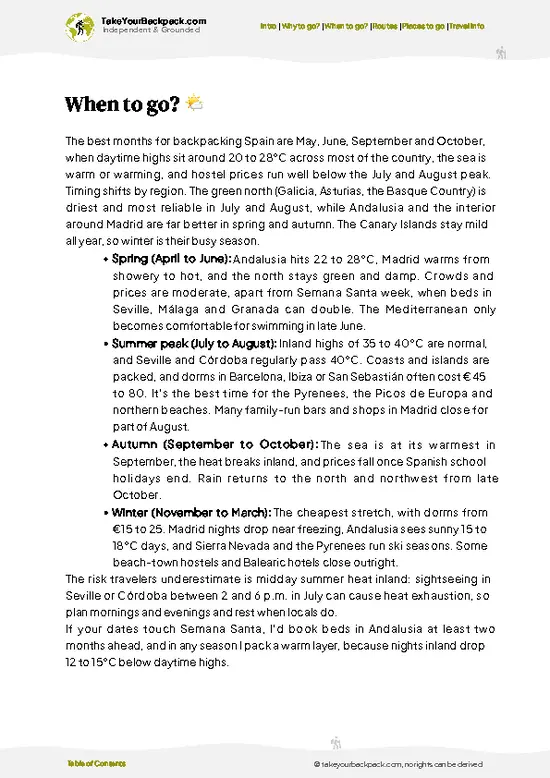
If you’re itching to venture beyond Palma, day trips to Valldemossa, Sóller, and the dramatic Cap de Formentor are all within easy reach. Valldemossa, with its mountain air and Chopin lore, is my personal favorite for a quick escape that feels worlds away.
This isn’t just a Gothic cathedral—it’s a statement piece for the entire city. Gaudí left his fingerprints here, but the real thrill is the way sunlight floods the nave through the rose window, painting the stone in color. Arrive early (doors open at 10:00) to dodge the tour groups and catch the hush before the city wakes up. Entry is around €9. You’ll want at least an hour, but architecture fans could linger for two. The climb to the terraces (extra fee, limited slots) is worth it if you want that “above the city” feeling.
Mercat de l’Olivar
Palma’s central market is a living, breathing slice of Mallorcan daily life. It’s not just for foodies—though the seafood stalls and pintxos bars are a playground for anyone who likes to eat what locals eat. Go mid-morning (10:30-12:00) for peak bustle. Entry is free; a snack or coffee will run you €2-€10 depending on your appetite for oysters or jamón. You can see the whole market in 30 minutes, but give yourself an hour if you want to sit and sample.
Palau de l’Almudaina
A royal palace with roots in Moorish rule, right across from the cathedral. The interiors are a crash course in layered history—Islamic arches, medieval halls, and a terrace with a sea breeze. It’s rarely crowded outside peak summer. Entry is €7, and you’ll need about 45 minutes to do it justice. Go late afternoon for golden light and fewer crowds.
Fundació Miró Mallorca
Joan Miró’s studio and a modern art museum in one. The real value is seeing the creative chaos of Miró’s actual workspace—paint-splattered floors, unfinished canvases, and all. It’s a 15-minute bus ride from the center, so factor in travel. Entry is €10. Art lovers will want 90 minutes; casual visitors can get the vibe in under an hour. Go on a weekday morning for space to breathe.
Banys Àrabs (Arab Baths)
A rare survivor from Palma’s Islamic past. The baths themselves are compact, but the garden is a cool, shaded retreat from the city’s heat. Entry is €3. You’ll only need 20 minutes, but it’s a shortcut to understanding Palma’s deep, multicultural roots. Early morning or late afternoon is best for quiet.
Passeig del Born
More than a shopping street—this is Palma’s social artery. Plane trees, grand facades, and people-watching that rivals any European boulevard. Free to wander, but a coffee at a terrace café (€3-€5) buys you a front-row seat to the city’s daily theater. Walk it in 15 minutes, or linger for an hour if you want to soak up the rhythm.
Es Baluard Museu d’Art Contemporani
A fortress-turned-museum with a punchy collection of Balearic and international art. The real trick: the ramparts double as a viewing platform over the marina and old town. Entry is €6-€9. Give it an hour, more if you’re an art devotee. Late afternoon is ideal for the light and the views.
If you’re itching to venture beyond Palma, day trips to Valldemossa, Sóller, and the dramatic Cap de Formentor are all within easy reach. Valldemossa, with its mountain air and Chopin lore, is my personal favorite for a quick escape that feels worlds away.
Spotted a mistake or missing something? Contact us.
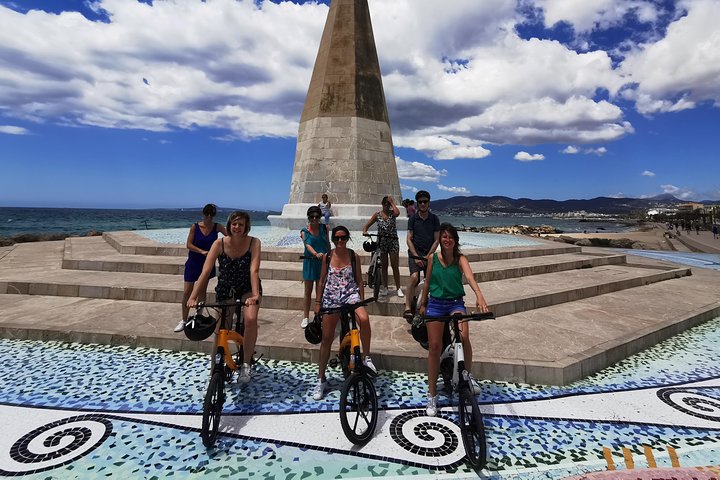
3 Hours E-Bike Tour in Palma

Mallorca Full Day Tour Valldemossa Deià and Sóller Experience

Cala des Moro, S’Almunia & Best Coves, SUP & Snorkel by Van
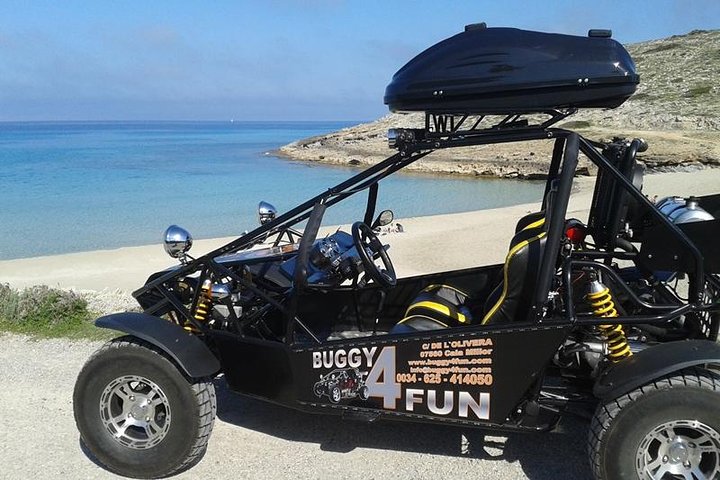
Cala Millor / Cala Bona: TOP Buggy Tours—Your Ultimate Adventure

Explore Mallorca in Your Own Formula One Car

Mallorca Midday or Sunset Sailing with Light Snacks and Open Bar

EASY-MOOV Off-Road E-scooter adventure Tour

Small-Group Cova de Coloms Sea Caving Tour in Mallorca

Scooter and Motorbike Rental to Explore Mallorca


 Best Backpacking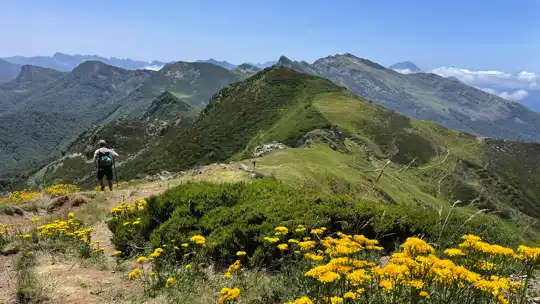
.jpg) Hi, I’m Johan (Netherlands 🇳🇱), the creator of TakeYourBackpack. Over the past 3 decades, I’ve backpacked through 90+ countries across six continents, gaining extensive experience with independent travel, long-term trips, and overland routes.
Hi, I’m Johan (Netherlands 🇳🇱), the creator of TakeYourBackpack. Over the past 3 decades, I’ve backpacked through 90+ countries across six continents, gaining extensive experience with independent travel, long-term trips, and overland routes.