
×
Picos de Europa

Spain🇪🇸 | national parksPicos de Europakarst mountains, alpine meadows, narrow gorges | things to do and best time to go

Explore Ordesa y Monte PerdidoExplore Sierra Nevada

Backpacking in Picos de Europa
🏆 Top picknational park ranked #1
By Johan Kruseman 🇳🇱 | Updated May 23, 2026

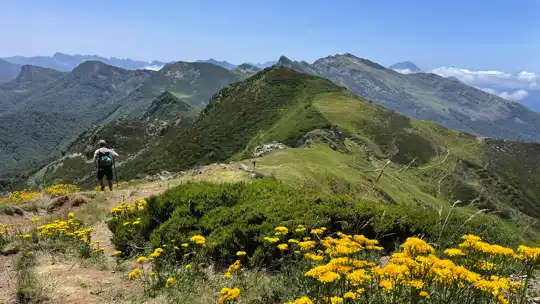
Most people online sell Picos de Europa as “Pyrenees-lite.” The surprise: the terrain here is steeper, more alpine, and often more serious than much of the Pyrenees, yet it sits far closer to the Atlantic coast in northern Spain, straddling Asturias, Cantabria, and a slice of León. For backpackers, it’s a compact park with big-mountain drama: limestone peaks, deep gorges like Cares, and real chances to see chamois and vultures from the trail, not just on postcards. Access is decent by bus to main villages, but trailheads can still require awkward connections or hitchhiking. No entrance fee, but cable cars, refuges, and parking can quietly drain your budget. Wild camping rules are strict and enforced; you’ll lean on refugios, basic guesthouses, or campgrounds. Compared with Ordesa or Somiedo, Picos feels rougher, busier on the headline routes, quieter elsewhere, and better suited to hikers who respect exposure and fast-changing weather.

Discover everything you want to know in the 📖 Spain Travel Guide.


Get your Spain guide
151 ranked highlights, routes & tips, works offline (553 pages)
Loading the map 🌍
CLICK TO FILTER
cities
towns
villages
landmarks
national parks
hikes
beaches
attractions
festivals
regions
SHOW COUNTRY’S BESTSHOW ALL

✨ Why go?
Ranked #1 national park in Spain
Why visitors keep coming back

Backpackers flock to Picos de Europa for its blend of independent exploration and stunning landscapes. This park offers a vast network of trails, catering to everyone from casual hikers to seasoned trekkers. You can choose from easy walks along lush valleys to challenging ascents that reward you with breathtaking views.

Budget-conscious travelers appreciate the camping options and hostels nearby. Pitch your tent under the stars or find a cozy spot in a hostel without breaking the bank. This flexibility allows you to stretch your budget for experiences that matter, like indulging in local cuisine or enjoying a refreshing dip in a mountain lake.

Self-guided travelers thrive here. The well-marked trails and detailed maps make it easy to navigate without a tour guide. You can set your own pace, … read more 👉
Backpackers flock to Picos de Europa for its blend of independent exploration and stunning landscapes. This park offers a vast network of trails, catering to everyone from casual hikers to seasoned trekkers. You can choose from easy walks along lush valleys to challenging ascents that reward you with breathtaking views.

Budget-conscious travelers appreciate the camping options and hostels nearby. Pitch your tent under the stars or find a cozy spot in a hostel without breaking the bank. This flexibility allows you to stretch your budget for experiences that matter, like indulging in local cuisine or enjoying a refreshing dip in a mountain lake.

Self-guided travelers thrive here. The well-marked trails and detailed maps make it easy to navigate without a tour guide. You can set your own pace, linger at scenic spots, or tackle a trail that piques your interest.

However, be mindful of the weather; conditions can change rapidly. Prepare accordingly to keep your energy up for the adventures ahead. In Picos de Europa, the freedom to explore is matched only by the beauty that surrounds you.
Get the complete Travel Guide for Spain
Everything organized for offline planning — routes, highlights, costs & tips

See what’s inside 👉

Get the Travel Guide -

💡 HighlightsDon't-miss highlights and experiences

  • Lagos de Covadonga (Enol & Ercina) — Two glacial lakes tucked into a steep bowl of granite and grass; the water is mirror-clear, the surrounding peaks are dramatic, and there are short, easy walks and viewpoints that feel alpine without a long trek.
  • Ruta del Cares (Cares Gorge) — A carved footpath running through a spectacular limestone canyon between Poncebos and Caín. It’s an unforgettable, mostly exposed trail with sheer drops, turquoise water below, and jaw-dropping geology — perfect for a long day-hike. (Personal favorite: the sense of scale on this trail never gets old.)
  • Fuente Dé cable car & upper viewpoint — A four-minute cable car that shoots you up to panoramic ridgelines around 1,800 m. From the top you can walk into open alpine pastures, start classic hikes like the Áliva plateaus,
read more 👉
  • Lagos de Covadonga (Enol & Ercina) — Two glacial lakes tucked into a steep bowl of granite and grass; the water is mirror-clear, the surrounding peaks are dramatic, and there are short, easy walks and viewpoints that feel alpine without a long trek.
  • Ruta del Cares (Cares Gorge) — A carved footpath running through a spectacular limestone canyon between Poncebos and Caín. It’s an unforgettable, mostly exposed trail with sheer drops, turquoise water below, and jaw-dropping geology — perfect for a long day-hike. (Personal favorite: the sense of scale on this trail never gets old.)
  • Fuente Dé cable car & upper viewpoint — A four-minute cable car that shoots you up to panoramic ridgelines around 1,800 m. From the top you can walk into open alpine pastures, start classic hikes like the Áliva plateaus, and get one of the best bird’s-eye views in the park.
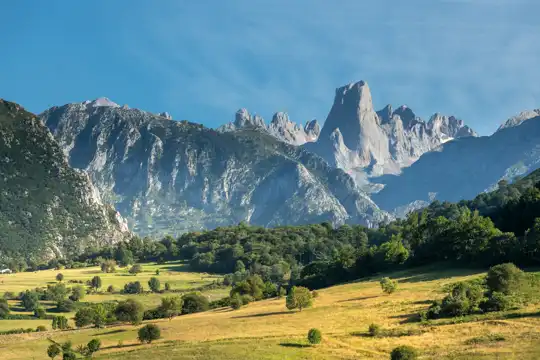
  • Picu Urriellu / Naranjo de Bulnes — That sheer, orange limestone monolith you’ve seen in photos; it’s a climber’s icon and a stunning focal point for sunrise and sunset. Even if you don’t climb, the approaches and viewpoints (from Sotres or Bulnes) are ridiculously photogenic.
  • Bulnes & Sotres (traditional mountain villages) — Tiny, preserved villages that feel frozen in time: stone houses, shepherding traditions, and local mountain restaurants. Bulnes is reachable by a funicular or footpath and makes a great base for nearby peaks; Sotres is higher and wilder, with direct access to classic routes.
  • Aliva plateau & Vega de Liordes — Wide, high meadows and limestone pavements where seasonal wildflowers carpet the ground and the sky feels enormous. It’s a calm counterpoint to the steep gorges and a lovely place for sunrise, wildflower walks, and stargazing.
  • Wildlife & raptors (chamois, vultures, eagles) — Keep your binoculars handy: rebecos (chamois) pick over cliffs, griffon vultures wheel above the crags, and golden eagles sometimes patrol the higher ridges. Wildlife is shy but rewarding if you move quietly or watch from viewpoints.
Spotted a mistake or missing something? Contact us.

Things to do near Picos de Europa

Ratings based on Tripadvisor reviews. When you book through this link, you support our work at no extra cost to you.

🌤️ When to go?Weather, crowds, and seasonal trade-offs


  • Weather: Spring and early autumn offer the most stable weather. Summers can be hot and dry, but sudden thunderstorms are common in July and August, which can turn trails slippery and dangerous.

  • Temperature: In summer, expect highs around 25-30°C (77-86°F), but nights can drop to 10-15°C (50-59°F). Winter temperatures often fall below freezing, especially at higher elevations, making some routes inaccessible.

  • Daylight Hours: Long summer days provide up to 15 hours of light, perfect for extended hikes. Winter days shrink to about 9 hours, limiting how far you can go safely.

  • Crowds: July and August attract the most visitors, especially on popular trails. Spring and autumn see fewer people, offering a quieter experience without sacrificing trail access.

  • Seasonal Activities: Summer is
read more 👉

  • Weather: Spring and early autumn offer the most stable weather. Summers can be hot and dry, but sudden thunderstorms are common in July and August, which can turn trails slippery and dangerous.

  • Temperature: In summer, expect highs around 25-30°C (77-86°F), but nights can drop to 10-15°C (50-59°F). Winter temperatures often fall below freezing, especially at higher elevations, making some routes inaccessible.

  • Daylight Hours: Long summer days provide up to 15 hours of light, perfect for extended hikes. Winter days shrink to about 9 hours, limiting how far you can go safely.

  • Crowds: July and August attract the most visitors, especially on popular trails. Spring and autumn see fewer people, offering a quieter experience without sacrificing trail access.

  • Seasonal Activities: Summer is prime for hiking and climbing. Autumn brings vibrant foliage and mushroom foraging but watch for early snow at altitude. Winter is best left to experienced mountaineers with proper gear.

  • Price Fluctuations: Accommodation and local services spike in summer. Booking early is essential. Off-season rates in spring and autumn can be 30-50% lower, giving you better value without missing much.


Pro-tip: Aim for late May or mid-September to dodge crowds and storms while enjoying mild weather and reasonable prices—perfect for stretching your legs without stretching your budget.


source: climatestotravel.comJANJanuary: below average for travelingFEBFebruary: below average for travelingMARMarch: fair for travelingAPRApril: highly recommended for travelingMAYMay: excellent for travelingJUNJune: highly recommended for travelingJULJuly: good for travelingAUGAugust: good for travelingSEPSeptember: excellent for travelingOCTOctober: highly recommended for travelingNOVNovember: fair for travelingDECDecember: below average for traveling
Spain - Picos de Europa

✈️ The backpacker research shortcutSpain Travel Guide

An offline-friendly backpacking guide with optimized travel routes, ranked highlights, transport advice, and the best areas to stay.
example page 0 from our offline Travel Guide for Spainexample page 1 from our offline Travel Guide for Spainexample page 2 from our offline Travel Guide for Spainexample page 3 from our offline Travel Guide for Spainexample page 4 from our offline Travel Guide for Spainexample page 5 from our offline Travel Guide for Spainexample page 6 from our offline Travel Guide for Spainexample page 7 from our offline Travel Guide for Spain
The digital guide (553 pages) contains:
151 highlights, ranked by travel appeal
Optimized 7, 14 & 21-day travel routes
Cities, national parks, beaches, historical sites, ...
How to get around
Offline-friendly for travel without Wi-Fi
👉 Click to see all 30+ guide features

📅 Plan smarter in minutes, not weeks
Month by month travel advice
Festivals & national holidays
Budget expectations

🗺️ Go to the right places, skip the overrated ones
Honest pros & cons of destinations
Top hikes, parks & viewpoints
Lesser-known places most travelers miss
Clear “worth it vs skip it” guidance

🛏️ Travel smoothly without rookie mistakes
Best areas to stay
Transport systems explained simply
Common scams & safety advice
SIM cards, money & practical tips

🌍 Understand the country, not just visit it
Culture & traditions
52 Essential phrases & customs
Festivals worth planning around
Traveler-friendly historical context
Insights that make places more meaningful

📱 Built for real travel conditions
Fully downloadable PDF
Works completely offline
Optimized for phone use
Useful in remote areas & buses
Everything in one place
Save weeks of stressful planning
Get instant access to the full guide directly. 30-day money-back guarantee.


Sent to your inbox immediately after payment • 100% Secure Checkout
Best Backpacking Travel Advisor 2025 tourism awardBest Backpacking
Travel Advisor
2025
What others say about Take Your Backpack Guides:
⭐⭐⭐⭐⭐
Fantastic, amazing amount of information!
⭐⭐⭐⭐⭐
My goodness this is amazing, it's what I've been looking for hats off too you!
⭐⭐⭐⭐⭐
I think this is absolutely BRILLIANT
⭐⭐⭐⭐
Very complete and informative. It's still missing places, but I gotta to commend you
⭐⭐⭐⭐⭐
This is truly amazing, thank you, can't wait to explore it with my kids!
⭐⭐⭐⭐⭐
Awesome resource, thank you!
⭐⭐⭐⭐⭐
This is amazing! Can't wait to explore the ones I haven't seen
⭐⭐⭐⭐
I love this! Well done, great idea.
⭐⭐⭐⭐⭐
Thanks for taking the time to make this gem!
⭐⭐⭐⭐⭐
This might be the best website I've ever seen.
⭐⭐⭐⭐⭐
Congratulations, and thank you so much for your work; it's incredibly valuable.
⭐⭐⭐⭐
In all seriousness I think you did a great job pointing out the important spots
⭐⭐⭐⭐⭐
10/10 very good
⭐⭐⭐⭐⭐
As someone who's only just starting to visit regularly this is awesome, thank you.
⭐⭐⭐⭐
Thank you very much! I'm going to visit my dad, it's going to be very useful!
⭐⭐⭐⭐⭐
This is really cool! We'll be travelling for the first time and this definitely come in handy.
⭐⭐⭐⭐⭐
You are now our minister of culture, congratulations 👨‍💼
⭐⭐⭐⭐⭐
Just wanted to tell you that this is a pearl! Going to follow your recommendations.
⭐⭐⭐⭐⭐
This is so cool. I'll definitely be using the resource for my travels soon.
⭐⭐⭐⭐⭐
This is very impressive! Good work.
⭐⭐⭐⭐⭐
This is an amazing and informative site. Very well done!

🛏️ Where to stay?Where staying makes the most sense

For backpackers heading to Picos de Europa, your accommodation options can make or break your experience. Inside the national park, options are limited but worth considering. The Refugio de Vega de Urriellu is a solid choice for those wanting to immerse themselves in the mountains. It’s basic but cozy, offering a communal vibe that fosters camaraderie among hikers. Just be aware that it fills up quickly, so booking ahead is essential.

If you prefer more amenities, the nearby town of Cangas de Onís is a great base. It’s about a 30-minute drive from the park and offers a range of hostels and budget … read more 👉
For backpackers heading to Picos de Europa, your accommodation options can make or break your experience. Inside the national park, options are limited but worth considering. The Refugio de Vega de Urriellu is a solid choice for those wanting to immerse themselves in the mountains. It’s basic but cozy, offering a communal vibe that fosters camaraderie among hikers. Just be aware that it fills up quickly, so booking ahead is essential.

If you prefer more amenities, the nearby town of Cangas de Onís is a great base. It’s about a 30-minute drive from the park and offers a range of hostels and budget hotels. Hostel La Posada is a popular pick, known for its friendly atmosphere and proximity to local eateries.

Another option is Potes, a charming town that serves as a gateway to the eastern side of the park. Here, you’ll find several guesthouses and hostels, like Hostal La Casona, which provides a homey feel and easy access to hiking trails.

Keep in mind that staying in towns means you’ll need to budget for transportation to the park. Public transport can be sporadic, so consider renting a car if you want to maximize your time on the trails.

👛 Costs (as of 17 February 2026)How expensive it really is

Visiting Picos de Europa National Park in Spain can be a rewarding experience, but it’s essential to be aware of the costs involved to avoid surprises.

Entrance to the park is free, which is a great start. However, if you’re planning to hike or explore specific areas, consider the costs of guided tours. These can range from €30 to €100 per person, depending on the length and complexity of the hike.

Accommodation is another significant expense. In nearby towns like Cangas de Onís or Potes, expect to pay between €50 and €150 per night for a decent hotel or guesthouse. If you’re camping, fees are generally around €5 to €15 per night, but check for specific site regulations.

Food costs can vary widely. A meal at a local restaurant typically ranges from €10 to €25. If you’re looking to save, … read more 👉
Visiting Picos de Europa National Park in Spain can be a rewarding experience, but it’s essential to be aware of the costs involved to avoid surprises.

Entrance to the park is free, which is a great start. However, if you’re planning to hike or explore specific areas, consider the costs of guided tours. These can range from €30 to €100 per person, depending on the length and complexity of the hike.

Accommodation is another significant expense. In nearby towns like Cangas de Onís or Potes, expect to pay between €50 and €150 per night for a decent hotel or guesthouse. If you’re camping, fees are generally around €5 to €15 per night, but check for specific site regulations.

Food costs can vary widely. A meal at a local restaurant typically ranges from €10 to €25. If you’re looking to save, grocery stores offer options for around €5 to €10 for a day’s worth of supplies.

Transportation is another factor. If you’re driving, budget for fuel, which can add up, especially if you’re exploring multiple areas. Public transport options are limited, so renting a car is often the best choice, costing around €30 to €70 per day.

Lastly, don’t forget about gear rentals if you need them. Expect to pay about €20 to €50 for items like hiking poles or climbing equipment.

Being aware of these costs will help you allocate your budget wisely, ensuring you have the energy and resources for the experiences that truly matter in Picos de Europa.


source: spain.info
⚠️ Prices can change and everyone travels differently, so take this as a rough guide. Hope it helps you plan your adventure!

🥾 TrailsScenic routes and wildlife spotting in Picos de Europa

The Picos de Europa is a hidden gem for hikers, offering a mix of stunning landscapes, rugged terrain, and diverse wildlife. You’ve got dramatic limestone peaks, lush valleys, and crystal-clear rivers, all wrapped up in a breathtaking package. Wildlife enthusiasts might spot griffon vultures soaring overhead or even a chamois if you’re lucky. The trails range from easy strolls to challenging scrambles, so there’s something for everyone.

One of the standout trails is Ruta del Cares. Here’s a quick breakdown:
  • Length: 12 km
  • Estimated Duration: 4-5 hours
  • Difficulty Level: Moderate
  • Key Features: Stunning
read more 👉
The Picos de Europa is a hidden gem for hikers, offering a mix of stunning landscapes, rugged terrain, and diverse wildlife. You’ve got dramatic limestone peaks, lush valleys, and crystal-clear rivers, all wrapped up in a breathtaking package. Wildlife enthusiasts might spot griffon vultures soaring overhead or even a chamois if you’re lucky. The trails range from easy strolls to challenging scrambles, so there’s something for everyone.

One of the standout trails is Ruta del Cares. Here’s a quick breakdown:
  • Length: 12 km
  • Estimated Duration: 4-5 hours
  • Difficulty Level: Moderate
  • Key Features: Stunning gorge views, crystal-clear river, and dramatic cliffs
  • Terrain: Well-marked path, but some sections have steep drops, so watch your step!

Another popular option is Ascenso al Naranjo de Bulnes for those seeking a challenge:
  • Length: 8 km
  • Estimated Duration: 6-8 hours
  • Difficulty Level: Hard
  • Key Features: Iconic peak, panoramic views, and a sense of accomplishment
  • Terrain: Rocky and steep, requires some scrambling

Getting to the park isn’t too tricky. You can catch a bus from major cities like Oviedo or Santander, but it can get crowded during peak season, especially in summer. As for entrance fees, there’s no charge to access the park, which is a nice bonus for budget travelers. Just pack some snacks, hit the trails, and soak in all that natural beauty!
⚠️ Hiking info can sometimes be outdated or inaccurate. Before you hit the trail, check the latest conditions with locals. If you do spot anything that's off, I'd love to hear from you, so I can update it for fellow travelers.

🛡️ SafetySafety Tips and Common Scams in Picos de Europa

Picos de Europa is a stunning playground for backpackers, but it demands respect. Weather can shift quickly, so always check forecasts before heading out. Carry layers to adapt to sudden temperature drops, especially at higher altitudes.

The terrain varies from well-marked paths to steep, rocky sections. Navigation can be tricky in fog or rain, so a reliable map and compass are essential. Footing can be uneven, and river crossings may require careful consideration, especially after heavy rains.

Wildlife encounters are rare but possible. If you spot a goat or a deer, keep your distance and don’t feed them. They’re part of the ecosystem, and respecting their space is crucial.

First-timers often underestimate the park’s scale. Start early to avoid the midday heat and give yourself ample … read more 👉
Picos de Europa is a stunning playground for backpackers, but it demands respect. Weather can shift quickly, so always check forecasts before heading out. Carry layers to adapt to sudden temperature drops, especially at higher altitudes.

The terrain varies from well-marked paths to steep, rocky sections. Navigation can be tricky in fog or rain, so a reliable map and compass are essential. Footing can be uneven, and river crossings may require careful consideration, especially after heavy rains.

Wildlife encounters are rare but possible. If you spot a goat or a deer, keep your distance and don’t feed them. They’re part of the ecosystem, and respecting their space is crucial.

First-timers often underestimate the park’s scale. Start early to avoid the midday heat and give yourself ample time to explore. Good footwear is non-negotiable; sturdy boots will save you from blisters and slips. Embrace the journey, but stay grounded in preparation.

Other Spanish national parks near Picos de Europa

Explore more nearby:


👉 Discover all national parks

Or checkout all Spain has to offer (think cities, towns, villages, national parks, hikes, beaches, festivals)
Country photo of Spain

We 💚 feedbackKey takeaways before you go

Picos de Europa is a hiker’s dream, with trails that lead you through jaw-dropping landscapes and charming villages where time feels like it’s stood still. But be ready for the weather; it can change on a dime. A sunny morning can turn into a downpour by noon, so pack layers and a solid rain jacket. Embrace the unpredictability, and you’ll find the real magic in this rugged paradise.

✈️ When did I visit Spain?
With Spain having so much to offer, I have visited it many times. Best trip was a hiking tour in the Picos de Europa in the North of Spain in July 2023.

✍️ Help improve this page!
The information on this page is based on my own backpacking experience in Spain, supplemented with up-to-date research and feedback from other travelers. Travel details can change, so if you notice anything outdated or incomplete, feel free to let me know.


🙋‍♂️ Give feedback

👋 Meet the founderWho’s Behind Take Your Backpack?

Johan, backpacker and founder of TakeYourBackpackHi, I’m Johan (Netherlands 🇳🇱), the creator of TakeYourBackpack. Over the past decade, I’ve backpacked through 80+ countries across six continents, gaining extensive experience with independent travel, long-term trips, and overland routes.

This site is built on a combination of firsthand travel experience and carefully curated insights from other backpackers. Many guides are based on places I’ve personally visited, while others bring together tips, observations, and practical advice shared by trusted travelers I’ve met along the way.

The goal is to provide realistic, experience-driven guidance — not generic itineraries — so you can explore destinations with better context, clearer expectations, and more confidence.

Get full Spain guide •
Instant download • 151 highlights • Full Offline guide