×

Spain🇪🇸 | regionsPyrénéesHigh mountain passes, glacial lakes, stone villages | things to do and best time to go

Explore LanzaroteExplore Risco Caido and the Sacred Mountains of Gran Canaria

Backpacking in Pyrénées
UNESCO World Heritage site
👌 Worth visitingregion ranked #10
By Johan Kruseman 🇳🇱 | Updated September 4, 2026

You land in Spain with ten days and a big question: do you burn half your trip on buses and transfers to squeeze in both the Pyrenees and the big-name cities, or do you commit to the mountains and accept you’ll miss some “must-sees”? That choice matters, because the Pyrenees sit way up along Spain’s northern border with France, and once you’re in, you’re in – this is not a quick day-trip zone. For backpackers, the Spanish Pyrenees are that sweet spot: wild peaks, stone villages, cheap refugios, and just enough infrastructure that you don’t feel like you’re on an expedition. It’s less polished than the Alps, less party-heavy than the Costa Brava, and way more authentic than the overrun Camino stages. You trade easy transport and nightlife for raw scenery, slower buses, and the kind of quiet that makes you actually hear your boots on the trail.

Discover everything you want to know in the 📖 Spain Travel Guide.


Get your Spain guide
148 ranked highlights, routes & tips, works offline (542 pages)
Loading the map 🌍
CLICK TO FILTER
cities
towns
villages
landmarks
national parks
hikes
beaches
attractions
festivals
regions
SHOW COUNTRY’S BESTSHOW ALL

✨ Why go?
Ranked #10 region in Spain
The unique appeal for travelers

Backpackers flock to the Pyrénées in Spain for a reason. This region offers a variety of landscapes that range from rugged mountains to lush valleys, all within a short distance. You can hike, bike, or even ski without the hassle of constant relocation. That’s a huge win for anyone looking to maximize their experience.

Transport is surprisingly flexible here. Buses and trains connect charming villages, making it easy to explore without a car. You can sip coffee in a quaint town one morning and be trekking in the mountains by afternoon.

What really sets the Pyrénées apart is the chance to mix nature and culture. You can spend your days hiking and your evenings enjoying local cuisine or music. This is slow travel at its finest, allowing you to soak in the essence of the region without feeling … read more 👉
Backpackers flock to the Pyrénées in Spain for a reason. This region offers a variety of landscapes that range from rugged mountains to lush valleys, all within a short distance. You can hike, bike, or even ski without the hassle of constant relocation. That’s a huge win for anyone looking to maximize their experience.

Transport is surprisingly flexible here. Buses and trains connect charming villages, making it easy to explore without a car. You can sip coffee in a quaint town one morning and be trekking in the mountains by afternoon.

What really sets the Pyrénées apart is the chance to mix nature and culture. You can spend your days hiking and your evenings enjoying local cuisine or music. This is slow travel at its finest, allowing you to soak in the essence of the region without feeling rushed. It’s about savoring every moment, not just ticking boxes.
Want to include Pyrénées in your Spain route?
Create a personalized Spain itinerary that includes Pyrénées and the places that fit your trip — based on your travel style, budget, and available time. Get your route in seconds.

Generate my trip

💡 HighlightsEssential experiences to have while visiting Pyrénées

  • Ordesa y Monte Perdido National Park — Deep glacial canyons, the soaring Monte Perdido massif and the Añisclo, Pineta and Ordesa valleys make this place feel like the Pyrenees in a postcard; great day-hikes, wildlife (vultures, chamois) and dramatic waterfalls that you won’t find in lowland Spain.
  • Aigüestortes i Estany de Sant Maurici National Park — The only true national park in Catalan Pyrenees, full of high mountain lakes (estanys), stone-built shepherd trails and compact alpine scenery; perfect for mirror-like lake photos and simple multi-day circuits without the crowding of bigger ranges.
  • Valle de Benasque & Aneto (Maladeta Massif) — Base for climbing Aneto (the Pyrenees’ highest summit) and exploring glacial landscapes around the Refugio de la Renclusa; the Benasque valley keeps
read more 👉
  • Ordesa y Monte Perdido National Park — Deep glacial canyons, the soaring Monte Perdido massif and the Añisclo, Pineta and Ordesa valleys make this place feel like the Pyrenees in a postcard; great day-hikes, wildlife (vultures, chamois) and dramatic waterfalls that you won’t find in lowland Spain.
  • Aigüestortes i Estany de Sant Maurici National Park — The only true national park in Catalan Pyrenees, full of high mountain lakes (estanys), stone-built shepherd trails and compact alpine scenery; perfect for mirror-like lake photos and simple multi-day circuits without the crowding of bigger ranges.
  • Valle de Benasque & Aneto (Maladeta Massif) — Base for climbing Aneto (the Pyrenees’ highest summit) and exploring glacial landscapes around the Refugio de la Renclusa; the Benasque valley keeps a strong mountain-culture feel — shepherding, mountain huts, and alpine villages that still serve honest Pyrenean fare.
  • San Juan de la Peña Monastery — A medieval monastery tucked under a massive overhanging rock face, with a crumbling old monastery and a newer cloister nearby; the setting is cinematic and uniquely Pyrenean — religious history literally carved into the mountain. (Personal favorite — I love the quiet sunset light under the rock.)
  • Canfranc International Railway Station — Gigantic, slightly eerie 1920s “ghost” station that once linked Spain and France; restored bits are visitable and the architecture plus the atmosphere of lost grandeur are extraordinary — a must for photographers and anyone curious about border history.
  • Val d’Aran (Vielha & mountain villages) — A pocket of Occitan culture on the Spanish side: a distinct language (Aranese), cuisine and mountain traditions. Vielha is a lively mountain town and the valley’s remote hamlets give a different cultural flavor than Catalonia or Aragón nearby.
  • Mallos de Riglos — Vertical, rust-colored rock towers above a small village — a mecca for classic rock climbers and a striking sight from a distance; it’s an iconic Pyrenean landscape and you can watch climbers working routes while sipping coffee in the village.
  • Ibón de Plan / Basa de la Mora — Hidden gem: an emerald glacial lake guarded by jagged peaks with a local legend about a lost princess; short but rewarding hike, packs that alpine-lake magic without the crowds you get in the bigger parks.
  • Ansó Village and Valley — Hidden gem: beautifully preserved wooden balconies, traditional stone houses and strong local customs make Ansó one of the most authentic Pyrenean villages; great for slow walks, local festivals and sampling mountain cooking in a quiet setting.
  • Foz de Lumbier (Lumbier Gorge) — Hidden gem: a limestone gorge with a riverside walking path and sheer cliffs where griffon vultures and other raptors nest; easy access, compact hike and excellent for birdwatching — surprisingly dramatic for a short outing.
Spotted a mistake or missing something? Contact us.

⌛️ 5 daysA smart one-week plan

Day 1: Huesca
Start your adventure in Huesca, the gateway to the Pyrénées. The transport system here is your best friend; it connects you to the heart of the mountains. Spend the day exploring the old town, where the medieval architecture whispers stories of the past. Grab a local meal at a tapas bar to fuel up for tomorrow’s trek. This city sets the tone for your journey, blending culture with convenience.

Day 2: Ordesa y Monte Perdido National Park
Catch an early bus to Ordesa, a mere hour away. The park is a hiker’s paradise, and the trails are well-marked. You’ll sacrifice a bit of comfort for the thrill of nature—think rugged paths and breathtaking views. Spend the day hiking the famous Cola de Caballo trail. The payoff? A stunning waterfall that feels like a secret just for you. … read more 👉
Day 1: Huesca
Start your adventure in Huesca, the gateway to the Pyrénées. The transport system here is your best friend; it connects you to the heart of the mountains. Spend the day exploring the old town, where the medieval architecture whispers stories of the past. Grab a local meal at a tapas bar to fuel up for tomorrow’s trek. This city sets the tone for your journey, blending culture with convenience.

Day 2: Ordesa y Monte Perdido National Park
Catch an early bus to Ordesa, a mere hour away. The park is a hiker’s paradise, and the trails are well-marked. You’ll sacrifice a bit of comfort for the thrill of nature—think rugged paths and breathtaking views. Spend the day hiking the famous Cola de Caballo trail. The payoff? A stunning waterfall that feels like a secret just for you.

Day 3: Torla
After a night in the park, head to Torla. This charming village is your base for exploring deeper into the mountains. The bus ride is scenic, and the village itself is a perfect blend of rustic charm and modern amenities. Spend the afternoon wandering the cobbled streets, then enjoy a hearty meal.

Day 4: Benasque
Travel to Benasque, known for its stunning landscapes and vibrant local culture. The journey takes a bit longer, but the bus routes are reliable. Here, you can hike to the Aneto Glacier. It’s a challenge, but the views from the top are worth every ounce of effort.

Day 5: Off-Path Reward: Aigüestortes i Estany de Sant Maurici National Park
Take a detour to Aigüestortes. This park is less touristy but offers some of the most spectacular scenery in the region. The bus ride is longer, but the tranquility and beauty you’ll find here are unparalleled.

The must-do day? Day 2 in Ordesa. The combination of accessible trails and stunning vistas makes it the highlight of your trip, justifying every step you take in the Pyrénées.
Turn your Pyrénées visit into an Spain adventure
Build a complete Spain route with Pyrénées, hidden gems, must-see destinations, and realistic travel times included.

Generate my trip

🌤️ When to go?Seasonal considerations and timing


  • Weather: Spring (April to June) and early autumn (September to October) offer the best balance—mild, dry days perfect for hiking without the summer scorch or winter chill.

  • Temperature: Expect highs around 15-22°C (59-72°F) in spring and autumn, dropping to chilly nights near 5°C (41°F). Summer can spike to 25-30°C (77-86°F), which can be sweaty on steep trails.

  • Daylight Hours: Long days in summer stretch up to 15 hours, giving you more trail time, but spring and autumn still offer a solid 10-13 hours—enough to explore without rushing.

  • Crowds: July and August pack the trails with tourists and locals escaping the coast. For a quieter vibe, aim for shoulder seasons when villages feel more authentic and less touristy.

  • Seasonal Activities: Summer is prime for alpine hiking and festivals,
read more 👉

  • Weather: Spring (April to June) and early autumn (September to October) offer the best balance—mild, dry days perfect for hiking without the summer scorch or winter chill.

  • Temperature: Expect highs around 15-22°C (59-72°F) in spring and autumn, dropping to chilly nights near 5°C (41°F). Summer can spike to 25-30°C (77-86°F), which can be sweaty on steep trails.

  • Daylight Hours: Long days in summer stretch up to 15 hours, giving you more trail time, but spring and autumn still offer a solid 10-13 hours—enough to explore without rushing.

  • Crowds: July and August pack the trails with tourists and locals escaping the coast. For a quieter vibe, aim for shoulder seasons when villages feel more authentic and less touristy.

  • Seasonal Activities: Summer is prime for alpine hiking and festivals, while autumn brings mushroom foraging and vibrant foliage. Winter turns the high peaks into a snow playground, but that’s a different trip.

  • Price Fluctuations: Accommodation and transport costs peak in summer. Book early or target spring and autumn for better deals and more flexible options.


Pro-tip: Hit the Pyrénées in late May or early October—trail conditions are solid, crowds thin, and you’ll snag local hospitality without the premium price tag.


source: climatestotravel.comJANJanuary: fair for travelingFEBFebruary: fair for travelingMARMarch: good for travelingAPRApril: excellent for travelingMAYMay: excellent for travelingJUNJune: highly recommended for travelingJULJuly: good for travelingAUGAugust: good for travelingSEPSeptember: excellent for travelingOCTOctober: excellent for travelingNOVNovember: good for travelingDECDecember: fair for traveling
spain-region-pyrenees
© Google |

✈️ The backpacker research shortcutSpain Travel Guide

An offline-friendly backpacking guide with optimized travel routes, ranked highlights, transport advice, and the best areas to stay.
example page 0 from our offline Travel Guide for Spain
example page 1 from our offline Travel Guide for Spain
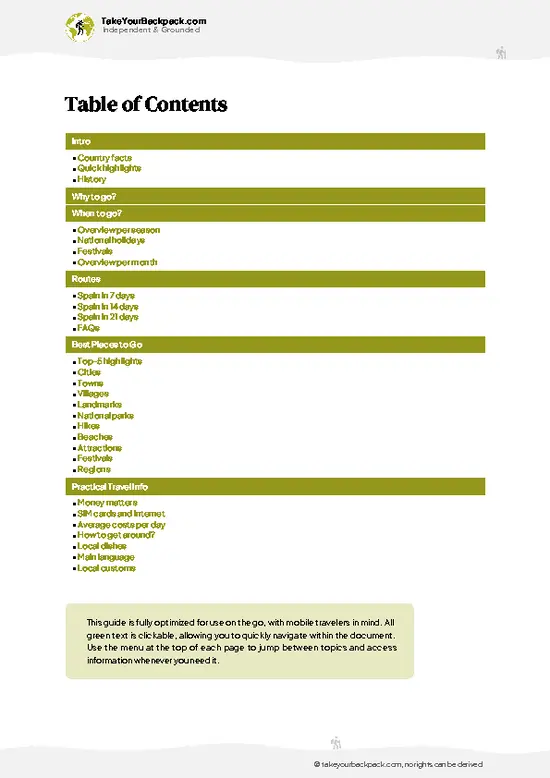
example page 2 from our offline Travel Guide for Spain
example page 3 from our offline Travel Guide for Spain
example page 4 from our offline Travel Guide for Spain
example page 5 from our offline Travel Guide for Spain
example page 6 from our offline Travel Guide for Spain
example page 7 from our offline Travel Guide for Spain
The digital guide (542 pages) contains:
148 highlights, ranked by travel appeal
Optimized 7, 14 & 21-day travel routes
Cities, national parks, landmarks, beaches
How to get around
Offline-friendly for travel without Wi-Fi
👉 Click to see all 30+ guide features

📅 Plan smarter in minutes, not weeks
Month by month travel advice
Festivals & national holidays
Budget expectations

🗺️ Go to the right places, skip the overrated ones
Honest pros & cons of destinations
Top hikes, parks & viewpoints
Lesser-known places most travelers miss
Clear “worth it vs skip it” guidance

🛏️ Travel smoothly without rookie mistakes
Best areas to stay
Transport systems explained simply
Common scams & safety advice
SIM cards, money & practical tips

🌍 Understand the country, not just visit it
Culture & traditions
52 Essential phrases & customs
Festivals worth planning around
Traveler-friendly historical context
Insights that make places more meaningful

📱 Built for real travel conditions
Fully downloadable PDF
Works completely offline
Optimized for phone use
Useful in remote areas & buses
Everything in one place
Save weeks of stressful planning
Get instant access to your full guide. 30‑day money-back guarantee.
+ Add another guide for just US$7.80

By proceeding you agree to our terms.
Sent to your inbox immediately after payment • 100% Secure Checkout
Best Backpacking Travel Advisor 2025 tourism awardBest Backpacking
Travel Advisor
2025
What others say about Take Your Backpack Guides:
⭐⭐⭐⭐⭐
Fantastic, amazing amount of information!
⭐⭐⭐⭐⭐
My goodness this is amazing, it's what I've been looking for hats off too you!
⭐⭐⭐⭐⭐
I think this is absolutely BRILLIANT
⭐⭐⭐⭐
Very complete and informative. It's still missing places, but I gotta to commend you
⭐⭐⭐⭐⭐
This is truly amazing, thank you, can't wait to explore it with my kids!
⭐⭐⭐⭐⭐
Awesome resource, thank you!
⭐⭐⭐⭐⭐
This is amazing! Can't wait to explore the ones I haven't seen
⭐⭐⭐⭐
I love this! Well done, great idea.
⭐⭐⭐⭐⭐
Thanks for taking the time to make this gem!
⭐⭐⭐⭐⭐
This might be the best website I've ever seen.
⭐⭐⭐⭐⭐
Congratulations, and thank you so much for your work; it's incredibly valuable.
⭐⭐⭐⭐
In all seriousness I think you did a great job pointing out the important spots
⭐⭐⭐⭐⭐
10/10 very good
⭐⭐⭐⭐⭐
As someone who's only just starting to visit regularly this is awesome, thank you.
⭐⭐⭐⭐
Thank you very much! I'm going to visit my dad, it's going to be very useful!
⭐⭐⭐⭐⭐
This is really cool! We'll be travelling for the first time and this definitely come in handy.
⭐⭐⭐⭐⭐
You are now our minister of culture, congratulations 👨‍💼
⭐⭐⭐⭐⭐
Just wanted to tell you that this is a pearl! Going to follow your recommendations.
⭐⭐⭐⭐⭐
This is so cool. I'll definitely be using the resource for my travels soon.
⭐⭐⭐⭐⭐
This is very impressive! Good work.
⭐⭐⭐⭐⭐
This is an amazing and informative site. Very well done!

🛏️ Where to stay?Where staying makes the most sense

In the Pyrénées, you’ve got some killer spots that cater to backpackers.

Start in Aínsa. This medieval town is a social hub, with a lively plaza where you can sip local wine and swap stories with fellow travelers. The vibe is relaxed, and the surrounding mountains offer endless hiking options.

Next up, Benasque. It’s a bit quieter but perfect for those who crave nature. The trails here are breathtaking, and the town has a friendly atmosphere. You’ll find plenty of backpackers sharing tips over a hearty meal.

Don’t overlook Luchon. Known for its thermal baths, it’s a great place to unwind after … read more 👉
In the Pyrénées, you’ve got some killer spots that cater to backpackers.

Start in Aínsa. This medieval town is a social hub, with a lively plaza where you can sip local wine and swap stories with fellow travelers. The vibe is relaxed, and the surrounding mountains offer endless hiking options.

Next up, Benasque. It’s a bit quieter but perfect for those who crave nature. The trails here are breathtaking, and the town has a friendly atmosphere. You’ll find plenty of backpackers sharing tips over a hearty meal.

Don’t overlook Luchon. Known for its thermal baths, it’s a great place to unwind after a day on the trails. The town has a vibrant market scene, and you’ll often bump into fellow adventurers.

Lastly, Cauterets is a must. It’s small but packed with charm. The social scene is buzzing, especially during the summer months. You’ll feel like part of the community, not just a visitor.

Choose wisely, and you’ll unlock the true spirit of the Pyrénées.

🚌 Getting aroundHow to get from A to B

The Pyrénées in Spain pulse with a rhythm that’s anything but rigid. Here, schedules are more like suggestions, and the landscape invites you to embrace spontaneity. Picture this: you’re winding through valleys, the air crisp with mountain freshness, and suddenly, you spot a tiny village that wasn’t on your radar. You’ll want to explore it, but how? The transport options here are a mix of reliable and adventurous, allowing you to navigate the stunning terrain without feeling like a tourist on a strict itinerary.


  • Bus: The backbone of budget travel in the Pyrénées. Buses run regularly between major towns like Jaca and Huesca, with first departures around 7 AM and the last ones around 8 PM. Prices hover around €5-€15 depending on the distance. They’re comfortable enough for a few hours, but
read more 👉
The Pyrénées in Spain pulse with a rhythm that’s anything but rigid. Here, schedules are more like suggestions, and the landscape invites you to embrace spontaneity. Picture this: you’re winding through valleys, the air crisp with mountain freshness, and suddenly, you spot a tiny village that wasn’t on your radar. You’ll want to explore it, but how? The transport options here are a mix of reliable and adventurous, allowing you to navigate the stunning terrain without feeling like a tourist on a strict itinerary.


  • Bus: The backbone of budget travel in the Pyrénées. Buses run regularly between major towns like Jaca and Huesca, with first departures around 7 AM and the last ones around 8 PM. Prices hover around €5-€15 depending on the distance. They’re comfortable enough for a few hours, but don’t expect luxury—just solid, dependable service.


  • Train: A scenic option, especially the line from Canfranc to Jaca. Trains typically run from 8 AM to 6 PM, with tickets costing about €10. The ride is smooth, and you’ll get views that make you feel like you’re in a postcard. Just be aware that service can be sporadic, so check the schedule ahead of time.


  • Car Rental: If you’re feeling adventurous, renting a car gives you the freedom to explore at your own pace. Prices start around €30 per day. Just remember, mountain roads can be narrow and winding, so take it slow. Plus, you’ll have the flexibility to chase those spontaneous detours.


  • Ride-Sharing: Apps like BlaBlaCar are gaining traction here. You can find rides between towns for about €10-€20. It’s a great way to meet locals and share stories, but be prepared for some last-minute changes.


For seamless travel, download local transport apps before you arrive. They’ll help you navigate schedules and routes like a local, making your journey through the Pyrénées feel effortless and spontaneous.

🍲 FoodEating & Drinking in Pyrénées

In the Pyrénées, food is a celebration of the land. Dive into trinxat, a hearty mix of potatoes and cabbage, often paired with crispy bacon. Don’t miss pimientos de padrón—small green peppers that can surprise you with a spicy kick. For something sweet, try tarta de manzana, a simple yet delightful apple tart that tastes like home.

Backpackers should hit up local markets for fresh produce and artisanal cheeses. Picture yourself sampling cured meats at a bustling stall, the air thick with savory aromas. Quaint cafés dot the streets, perfect for sipping on café con leche while people-watching. Street food is also a must; grab a bocadillo (a sandwich) from a vendor and enjoy it on a park bench.

Dining here is relaxed. Expect long meals filled with laughter and conversation. Don’t rush; savor … read more 👉
In the Pyrénées, food is a celebration of the land. Dive into trinxat, a hearty mix of potatoes and cabbage, often paired with crispy bacon. Don’t miss pimientos de padrón—small green peppers that can surprise you with a spicy kick. For something sweet, try tarta de manzana, a simple yet delightful apple tart that tastes like home.

Backpackers should hit up local markets for fresh produce and artisanal cheeses. Picture yourself sampling cured meats at a bustling stall, the air thick with savory aromas. Quaint cafés dot the streets, perfect for sipping on café con leche while people-watching. Street food is also a must; grab a bocadillo (a sandwich) from a vendor and enjoy it on a park bench.

Dining here is relaxed. Expect long meals filled with laughter and conversation. Don’t rush; savor each bite. And remember, it’s customary to greet your server with a friendly “hola.” This isn’t just a meal; it’s a moment to connect with the culture.

FAQTraveler FAQ

5 to 7 days are ideal to explore the Pyrénées in Spain, allowing time to visit key spots like Ordesa National Park and Aigüestortes i Estany de Sant Maurici National Park. This duration lets you enjoy hiking, local villages, and mountain scenery without rushing.
You can get around the Pyrénées without a car using regional buses and trains that connect major towns like Vielha, Benasque, and Jaca. Some hiking trails and natural parks offer shuttle services during peak seasons, typically from June to September.
The Pyrénées are known for their dramatic mountain landscapes, excellent hiking trails, and rich biodiversity. The region is also famous for its traditional mountain villages, Romanesque churches, and outdoor activities like skiing in winter and rafting in summer.
⚠️ Things can change over time, so always validate details locally before you go.

Other Spanish regions near Pyrénées

Explore more nearby:

  • Catalonia—Modernist architecture, Pyrenean foothills, Mediterranean coves| 137 km away
  • Basque Country—Pintxos bars, modern art, Atlantic surf towns| 207 km away
  • Cantabria—Prehistoric caves, alpine meadows, fishing ports| 370 km away

💡 Not sure where to go next?
Create a personalized itinerary for Spain including Pyrénées and the places that fit your trip.

Generate my itinerary

👉 Discover all regions

Or checkout all Spain has to offer (think cities, towns, villages, national parks, hikes, beaches, festivals)
Country photo of Spain

We 💚 feedbackFinal thoughts on visiting Pyrénées

The Pyrénées are a playground for anyone craving raw nature and epic trails. You’ll find solitude in the mountains that feels like a secret shared among friends. But here’s the kicker: the weather can turn on a dime. Be ready for sudden storms, especially in spring and fall. Pack smart, and you’ll be rewarded with stunning views and a sense of adventure that’s hard to beat.

✈️ When did I visit Spain?
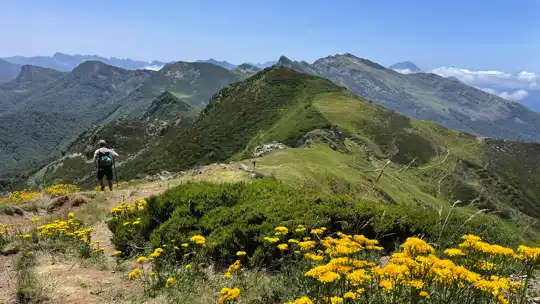
With Spain having so much to offer, I have visited it many times. Best trip was a hiking tour in the Picos de Europa in the North of Spain in July 2023.

✍️ Help improve this page!
The information on this page is based on my own backpacking experience in Spain, supplemented with up-to-date research and feedback from other travelers. Travel details can change, so if you notice anything outdated or incomplete, feel free to let me know.


🙋‍♂️ Give feedback

👋 Meet the founderWho’s Behind Take Your Backpack?

Johan, backpacker and founder of TakeYourBackpackHi, I’m Johan (Netherlands 🇳🇱), the creator of TakeYourBackpack. Over the past decade, I’ve backpacked through 80+ countries across six continents, gaining extensive experience with independent travel, long-term trips, and overland routes.

This site is built on a combination of firsthand travel experience and carefully curated insights from other backpackers. Many guides are based on places I’ve personally visited, while others bring together tips, observations, and practical advice shared by trusted travelers I’ve met along the way.

The goal is to provide realistic, experience-driven guidance — not generic itineraries — so you can explore destinations with better context, clearer expectations, and more confidence.

Get full Spain guide •
Instant download • 148 highlights • Full Offline guide