How many regions to visit: Three, or four on a month-long trip. That is the number that lets you unpack once, find a favorite bar and still be moving at a pace the Spanish would regard as civilized. Visiting six regions in two weeks gives you a camera roll of train stations and a vague memory of lunch. Spain is large, distances are real, and the best parts of each region tend to sit a bus ride away from the main hub.
Prioritizing by travel style: For
food and culture, favor the north and the big historic cities; they repay slow time at the table more than any monument queue. For
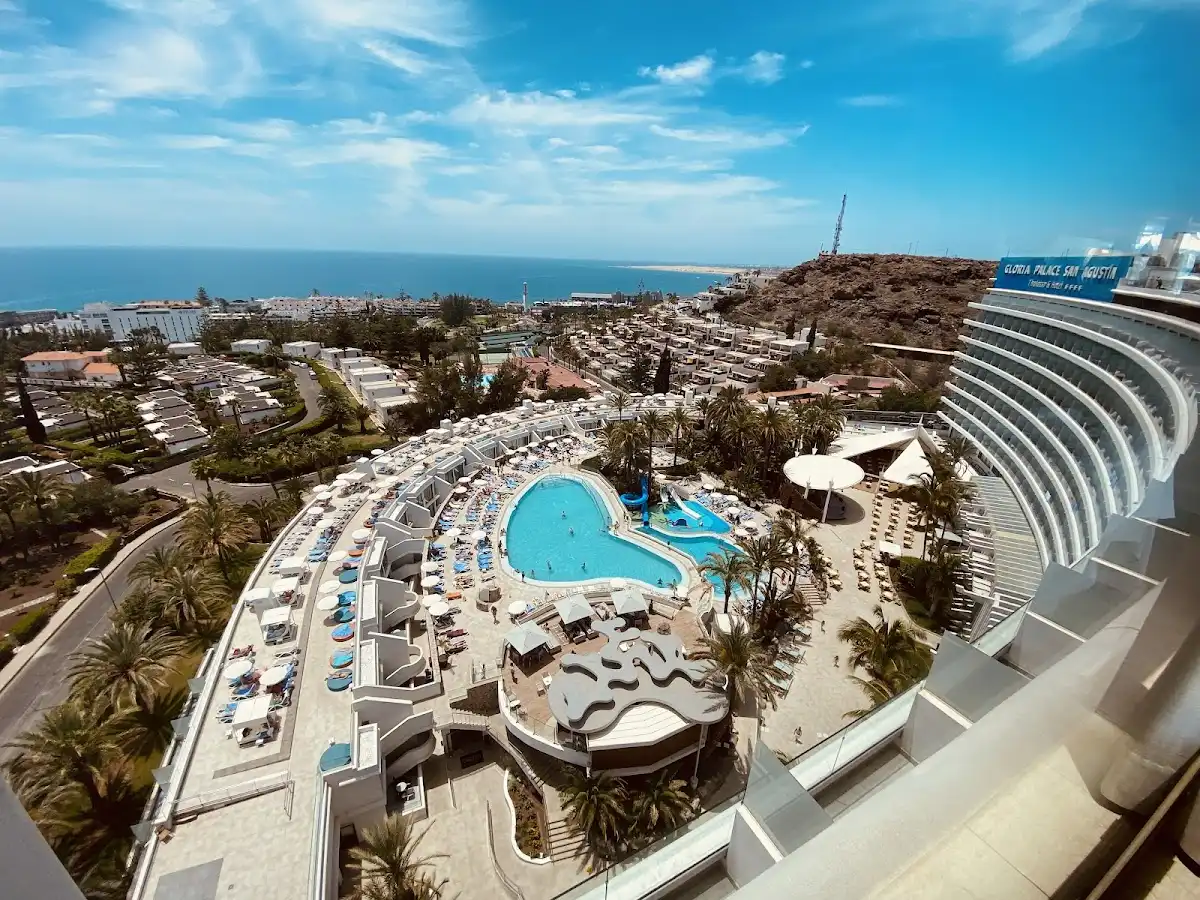
beaches and nightlife, the Mediterranean coast and islands work, but only outside July and August if you value a patch of sand. For
hiking and quiet, the mountain and Atlantic regions are worth far more than another …
read more 👉 How many regions to visit: Three, or four on a month-long trip. That is the number that lets you unpack once, find a favorite bar and still be moving at a pace the Spanish would regard as civilized. Visiting six regions in two weeks gives you a camera roll of train stations and a vague memory of lunch. Spain is large, distances are real, and the best parts of each region tend to sit a bus ride away from the main hub.
Prioritizing by travel style: For food and culture, favor the north and the big historic cities; they repay slow time at the table more than any monument queue. For beaches and nightlife, the Mediterranean coast and islands work, but only outside July and August if you value a patch of sand. For hiking and quiet, the mountain and Atlantic regions are worth far more than another famous plaza. For history, the south and the central plateau carry the heavy hitters, with Moorish and medieval layers few countries match. What is not worth much time: the big-name resort strips in high summer, where you pay more for a worse version of the coast, and any attraction that needs a 2-hour queue when a timed ticket exists.
What it costs: A realistic backpacker budget is US$55 to 90 a day (about €50 to 80) outside peak summer. That covers a dorm bed at €18 to 35, a menú del día at €12 to 18, local transport and one paid sight. In Barcelona, Madrid, the Balearics and San Sebastián, expect the upper end or more. Interior towns and the south can come in near €45 to 60 if you cook some meals. Entry fees add up: major sights such as the Alhambra, Sagrada Família or the Prado run roughly €15 to 40 each, and some museums are free at set hours. A guide for a major site is typically €15 to 35 for a group tour, and day-long guided hikes cost €40 to 90. Long-distance trains and buses range from €10 to 60 per leg when booked ahead, and last-minute fares are much higher. A reasonable visit budget for a single region over a week is €450 to 700 including everything.
Safety and local etiquette: Spain is safe for travelers, and violent crime is rare. The issue is pickpocketing, concentrated in Barcelona, Madrid, Seville and on metro lines, beaches and tourist squares. Keep phones out of back pockets and bags zipped in front, and never leave a bag on a chair or under a café table. Don't leave valuables in a parked car.
Culturally, language and identity matter. In Catalonia, Galicia and the Basque Country, learning a few words of the regional language is appreciated, and assuming everything is simply Spanish can annoy people. Greet shopkeepers and diners with a hello, and avoid loud behavior late at night in residential streets. Dress modestly in churches. Many cities are limiting alcohol-fueled tourism and apartment rentals, so follow local rules on noise, drinking in public and swimwear away from the beach.
Heat is the other genuine risk. Carry water, start hikes early and treat 40°C days seriously. Finally, book accommodation ahead for fiestas and holy week, and plan meals around Spanish hours; arriving at 7 p.m. to eat usually means a closed kitchen.




 Best Backpacking
 Hi, I’m Johan (Netherlands 🇳🇱), the creator of TakeYourBackpack. Over the past 3 decades, I’ve backpacked through 90+ countries across six continents, gaining extensive experience with independent travel, long-term trips, and overland routes.