
×

Sri Lanka🇱🇰 | festivalsSinhala and Tamil New Yeartraditional games, home rituals, sweetmeats, family gatherings | things to do and best time to go

Explore VesakExplore Maha Shivaratri

Backpacking in Sinhala and Tamil New Year
🏆 Top pickfestival ranked #4
By Johan Kruseman 🇳🇱 | Updated October 15, 2026

Your bare feet slap a chalky white line on the road as a stranger shouts in Sinhala, shoves a greasy spoon into your hand, and points at a wobbling clay pot swinging above you. Drums hammer from a crackling speaker, kids shriek, someone lights firecrackers way too close, and the air smells like coconut oil, incense, and fried snacks. This is Sinhala and Tamil New Year, erupting across Sri Lanka’s villages, small towns, and city neighborhoods, especially in the south and central highlands. It’s a family-first harvest new year, but backpackers get folded into the chaos: traditional drums and pop remixes, goofy village games, endless sweets, and everyone trying to feed you. It runs mainly over a few days in mid-April, and it’s worth it if you like homestays, slow buses, and being pulled into local life; skip it if you hate crowds and closed shops.

Discover everything you want to know in the 📖 Sri Lanka Travel Guide.


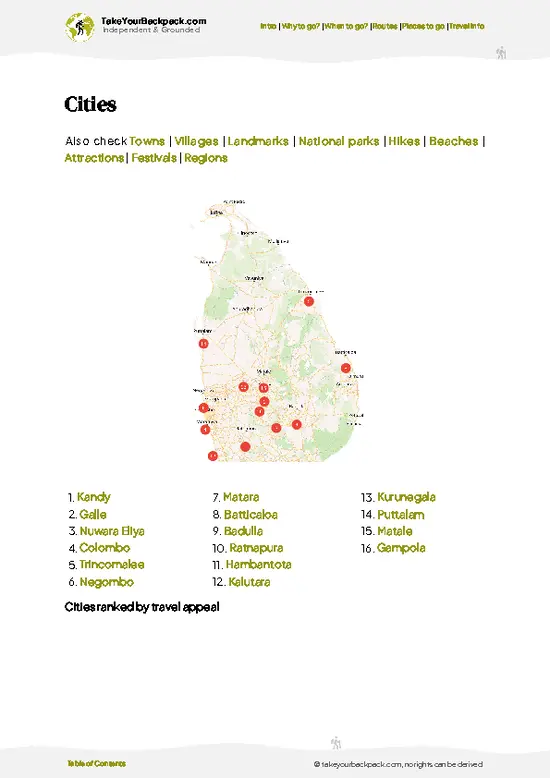
example page 0 from our offline Travel Guide for Sri Lanka
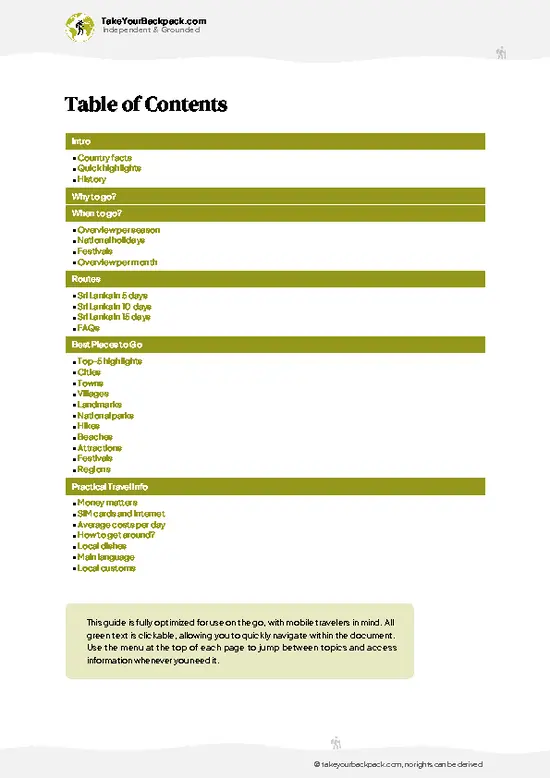
example page 1 from our offline Travel Guide for Sri Lanka
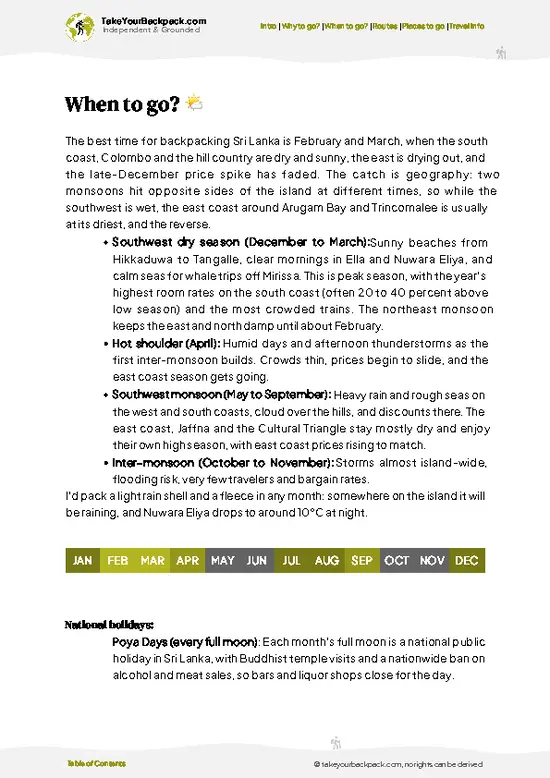
example page 2 from our offline Travel Guide for Sri Lanka
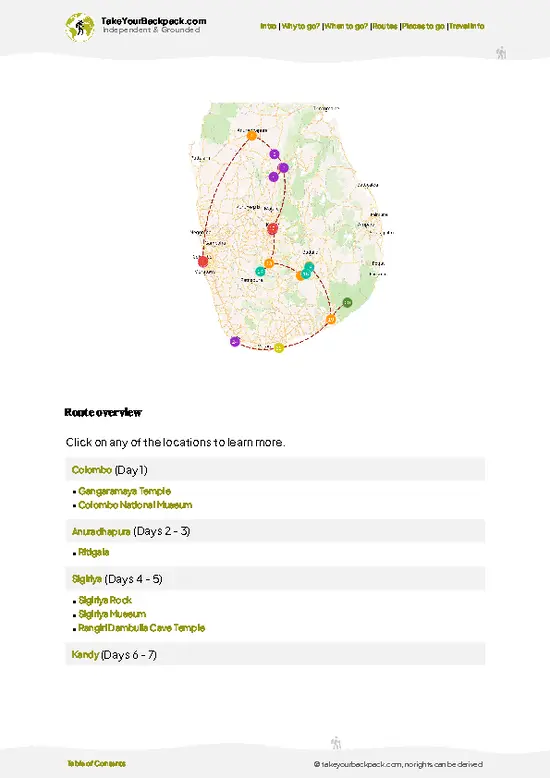
example page 3 from our offline Travel Guide for Sri Lanka
example page 4 from our offline Travel Guide for Sri Lanka
example page 5 from our offline Travel Guide for Sri Lanka
example page 6 from our offline Travel Guide for Sri Lanka
example page 7 from our offline Travel Guide for Sri Lanka
Loading the map 🌍
CLICK TO FILTER
cities
towns
villages
landmarks
national parks
hikes
beaches
attractions
festivals
regions
SHOW COUNTRY’S BESTSHOW ALL

✨ Why go?
Ranked #4 festival in Sri Lanka
Why Sinhala and Tamil New Year should be on your travel list

Backpackers flock to Sri Lanka during the Sinhala and Tamil New Year for a reason. This festival isn’t just a date on the calendar; it’s a social energy explosion that transforms the landscape into a vibrant tapestry of temporary community. Imagine joining locals in their homes, sharing traditional meals, and participating in rituals that have been passed down for generations.

The cultural immersion is unparalleled. You’ll find yourself in the thick of joyous celebrations, from colorful street parades to spirited games. Plus, it’s incredibly affordable compared to similar global events. You can dive deep into the festivities without draining your wallet, leaving you with more resources for the adventures that follow.

Planning your route around this festival means you’re not just ticking … read more 👉
Backpackers flock to Sri Lanka during the Sinhala and Tamil New Year for a reason. This festival isn’t just a date on the calendar; it’s a social energy explosion that transforms the landscape into a vibrant tapestry of temporary community. Imagine joining locals in their homes, sharing traditional meals, and participating in rituals that have been passed down for generations.

The cultural immersion is unparalleled. You’ll find yourself in the thick of joyous celebrations, from colorful street parades to spirited games. Plus, it’s incredibly affordable compared to similar global events. You can dive deep into the festivities without draining your wallet, leaving you with more resources for the adventures that follow.

Planning your route around this festival means you’re not just ticking off a destination; you’re weaving a rich experience into your journey. It’s a chance to connect, learn, and celebrate life in a way that adds layers to your travels. Don’t miss out on this unique opportunity!

💡 HighlightsKey sights and experiences for travelers

  • Rituals and auspicious timings (Nakath) — Families plan the whole morning around a few sacred minutes chosen by astrologers: first bath, lighting the hearth, and the very first mouthful all happen at the “right” time. It’s striking to see entire neighbourhoods pause and follow the same sequence of tiny, deliberate rites — old-world timing meets modern life.
  • Traditional sweets and New-Year dishes — Think kiribath (milk rice) and a parade of fried sweets like kavum, kokis, athirasa and aluwa. These recipes are handed down and made only at this time, so the smell of home-cooked coconut oil and jaggery frying is basically the festival’s soundtrack.
  • Folk games and communal competitions — From pot-smashing contests (kana mutti) to pole-top pillow fights and village tug-of-wars, the play is loud,
… read more 👉
  • Rituals and auspicious timings (Nakath) — Families plan the whole morning around a few sacred minutes chosen by astrologers: first bath, lighting the hearth, and the very first mouthful all happen at the “right” time. It’s striking to see entire neighbourhoods pause and follow the same sequence of tiny, deliberate rites — old-world timing meets modern life.
  • Traditional sweets and New-Year dishes — Think kiribath (milk rice) and a parade of fried sweets like kavum, kokis, athirasa and aluwa. These recipes are handed down and made only at this time, so the smell of home-cooked coconut oil and jaggery frying is basically the festival’s soundtrack.
  • Folk games and communal competitions — From pot-smashing contests (kana mutti) to pole-top pillow fights and village tug-of-wars, the play is loud, messy and everyone joins in — kids, teens, grandparents. It’s less about winning and more about that ridiculous, joyful chaos that pulls generations outside.
  • Music, dance and temple rituals — Drummers and traditional dancers (Kandyan and low-country styles), mask dances and temple pujas create a layered soundtrack of drumbeats, chanting and colour. The mix of Sinhala and Tamil religious ceremonies and performances makes the whole thing feel culturally rich and unmistakably Sri Lankan.
  • Visiting, gifting and street fairs — New clothes, house visits, small cash or sweet exchanges, and bustling temporary markets selling seasonal treats — plus fireworks as evening falls. The social round of visiting neighbours and sharing food turns streets and homes into one long, friendly party.
Spotted a mistake or missing something? Contact us.

🌤️ When to go?When is the celebration of Sinhala and Tamil New Year?

  • Topic: Weather - The Sinhala and Tamil New Year falls in mid-April, right at the tail end of Sri Lanka’s dry season. Expect warm, dry days around 30-34°C (86-93°F), perfect for outdoor festivities without the monsoon’s soggy interruptions.
  • Topic: Temperature - Daytime heat can push into the low 30s Celsius, but evenings cool down to a comfortable 22-24°C (72-75°F). Pack light, breathable clothes but a light layer for night is smart.
  • Topic: Daylight Hours - April offers roughly 12 hours of daylight, giving you plenty of time to soak in rituals, street fairs, and temple visits without rushing.
  • Topic: Crowds - This is peak cultural season, so expect locals and tourists to converge. Crowds add energy but book accommodations early to avoid last-minute price hikes or sold-out stays.
  • Topic: Seasonal
… read more 👉
  • Topic: Weather - The Sinhala and Tamil New Year falls in mid-April, right at the tail end of Sri Lanka’s dry season. Expect warm, dry days around 30-34°C (86-93°F), perfect for outdoor festivities without the monsoon’s soggy interruptions.
  • Topic: Temperature - Daytime heat can push into the low 30s Celsius, but evenings cool down to a comfortable 22-24°C (72-75°F). Pack light, breathable clothes but a light layer for night is smart.
  • Topic: Daylight Hours - April offers roughly 12 hours of daylight, giving you plenty of time to soak in rituals, street fairs, and temple visits without rushing.
  • Topic: Crowds - This is peak cultural season, so expect locals and tourists to converge. Crowds add energy but book accommodations early to avoid last-minute price hikes or sold-out stays.
  • Topic: Seasonal Activities - Traditional games, firecrackers, and food fairs dominate. Timing your visit here means you catch the full cultural immersion, not just a glimpse.
  • Topic: Price Fluctuations - Prices spike during the festival, especially in popular spots like Kandy and Colombo. Lock in lodging and transport early to dodge inflated last-minute rates.
Pro-tip: Arrive a day or two before the New Year to settle in, beat the rush, and catch the buildup—those quieter moments often reveal the festival’s soul better than the chaos itself.


source: climatestotravel.comJANJanuary: not recommended for travelingFEBFebruary: not recommended for travelingMARMarch: not recommended for travelingAPRApril: excellent for travelingMAYMay: not recommended for travelingJUNJune: not recommended for travelingJULJuly: not recommended for travelingAUGAugust: not recommended for travelingSEPSeptember: not recommended for travelingOCTOctober: not recommended for travelingNOVNovember: not recommended for travelingDECDecember: not recommended for traveling

✈️ The backpacker research shortcutSri Lanka Travel Guide

An offline-friendly backpacking guide with optimized travel routes, ranked highlights, transport advice, and the best areas to stay.
example page 0 from our offline Travel Guide for Sri Lanka
example page 1 from our offline Travel Guide for Sri Lanka
example page 2 from our offline Travel Guide for Sri Lanka
example page 3 from our offline Travel Guide for Sri Lanka
example page 4 from our offline Travel Guide for Sri Lanka
example page 5 from our offline Travel Guide for Sri Lanka
example page 6 from our offline Travel Guide for Sri Lanka
example page 7 from our offline Travel Guide for Sri Lanka
The digital guide (435 pages) contains:
✅ 121 highlights, ranked by travel appeal
✅ Optimized 5, 10 & 15-day travel routes
✅ Cities, national parks, landmarks, beaches
✅ How to get around
✅ Offline-friendly for travel without Wi-Fi
👉 Click to see all 30+ guide features

📅 Plan smarter in minutes, not weeks
✅ Month by month travel advice
✅ Festivals & national holidays
✅ Budget expectations

🗺️ Go to the right places, skip the overrated ones
✅ Honest pros & cons of destinations
✅ Top hikes, parks & viewpoints
✅ Lesser-known places most travelers miss
✅ Clear “worth it vs skip it” guidance

🛏️ Travel smoothly without rookie mistakes
✅ Best areas to stay
✅ Transport systems explained simply
✅ Common scams & safety advice
✅ SIM cards, money & practical tips

🌍 Understand the country, not just visit it
✅ Culture & traditions
✅ 52 Essential phrases & customs
✅ Festivals worth planning around
✅ Traveler-friendly historical context
✅ Insights that make places more meaningful

📱 Built for real travel conditions
✅ Fully downloadable PDF
✅ Works completely offline
✅ Optimized for phone use
✅ Useful in remote areas & buses
✅ Everything in one place
Stop searching, start planning
Get instant access to your full guide. 30‑day money-back guarantee.
+ Add another guide for just

By proceeding you agree to our terms.
Sent to your inbox immediately after payment • 100% Secure Checkout
Best Backpacking Travel Advisor 2025 tourism awardBest Backpacking
Travel Advisor
2025
What others say about Take Your Backpack Guides:
⭐⭐⭐⭐⭐
Fantastic, amazing amount of information!
⭐⭐⭐⭐⭐
My goodness this is amazing, it's what I've been looking for hats off too you!
⭐⭐⭐⭐⭐
I think this is absolutely BRILLIANT
⭐⭐⭐⭐
Very complete and informative. It's still missing places, but I gotta to commend you
⭐⭐⭐⭐⭐
This is truly amazing, thank you, can't wait to explore it with my kids!
⭐⭐⭐⭐⭐
Awesome resource, thank you!
⭐⭐⭐⭐⭐
This is amazing! Can't wait to explore the ones I haven't seen
⭐⭐⭐⭐
I love this! Well done, great idea.
⭐⭐⭐⭐⭐
Thanks for taking the time to make this gem!
⭐⭐⭐⭐⭐
This might be the best website I've ever seen.
⭐⭐⭐⭐⭐
Congratulations, and thank you so much for your work; it's incredibly valuable.
⭐⭐⭐⭐
In all seriousness I think you did a great job pointing out the important spots
⭐⭐⭐⭐⭐
10/10 very good
⭐⭐⭐⭐⭐
As someone who's only just starting to visit regularly this is awesome, thank you.
⭐⭐⭐⭐
Thank you very much! I'm going to visit my dad, it's going to be very useful!
⭐⭐⭐⭐⭐
This is really cool! We'll be travelling for the first time and this definitely come in handy.
⭐⭐⭐⭐⭐
You are now our minister of culture, congratulations 👨‍💼
⭐⭐⭐⭐⭐
Just wanted to tell you that this is a pearl! Going to follow your recommendations.
⭐⭐⭐⭐⭐
This is so cool. I'll definitely be using the resource for my travels soon.
⭐⭐⭐⭐⭐
This is very impressive! Good work.
⭐⭐⭐⭐⭐
This is an amazing and informative site. Very well done!

🛏️ Where to stay?Where staying makes the most sense

For the Sinhala and Tamil New Year in Sri Lanka, you want to be where the action is, but also where you can recharge. Head to Colombo, the vibrant capital. It’s a melting pot of cultures, and during the festival, the streets pulse with energy. You’ll find plenty of budget-friendly hostels buzzing with fellow travelers.

Next, consider Kandy, a cultural hub surrounded by lush hills. It’s safe, social, and the perfect base for exploring local festivities. The atmosphere is electric, with traditional music and dance filling the air.

Don’t overlook Galle, especially if you crave a coastal vibe. … read more 👉
For the Sinhala and Tamil New Year in Sri Lanka, you want to be where the action is, but also where you can recharge. Head to Colombo, the vibrant capital. It’s a melting pot of cultures, and during the festival, the streets pulse with energy. You’ll find plenty of budget-friendly hostels buzzing with fellow travelers.

Next, consider Kandy, a cultural hub surrounded by lush hills. It’s safe, social, and the perfect base for exploring local festivities. The atmosphere is electric, with traditional music and dance filling the air.

Don’t overlook Galle, especially if you crave a coastal vibe. The old town is a UNESCO site, and the beach scene is laid-back yet lively. You can mingle with locals and fellow backpackers while enjoying the festive spirit.

Wherever you choose, prioritize areas close to public transport and local markets. This way, you can dive into the celebrations without burning out your budget or energy. Embrace the chaos, but stay smart—your adventure is just beginning!

👛 Costs (as of 15 October 2026)How expensive it really is

The Sinhala and Tamil New Year in Sri Lanka is a vibrant celebration, but navigating the costs can be tricky. Here’s how to budget effectively for this lively festival.
  • Festival Tickets: Many events during the festival are free, especially local celebrations. However, if you’re eyeing larger events or cultural shows, expect to pay between €5 to €20 ($5 to $22). Keep an eye out for any special performances that might charge a premium.
  • Accommodation: Prices can spike during the festival. Budget options like hostels or guesthouses range from €10 to €30 ($11 to $33) per night. Mid-range hotels can cost between €30 to €70 ($33 to $77), while upscale stays might start at €70 ($77) and soar higher. Book early to avoid inflated last-minute rates.
  • Local Transport: Public transport is your friend. Buses
… read more 👉
The Sinhala and Tamil New Year in Sri Lanka is a vibrant celebration, but navigating the costs can be tricky. Here’s how to budget effectively for this lively festival.
  • Festival Tickets: Many events during the festival are free, especially local celebrations. However, if you’re eyeing larger events or cultural shows, expect to pay between €5 to €20 ($5 to $22). Keep an eye out for any special performances that might charge a premium.
  • Accommodation: Prices can spike during the festival. Budget options like hostels or guesthouses range from €10 to €30 ($11 to $33) per night. Mid-range hotels can cost between €30 to €70 ($33 to $77), while upscale stays might start at €70 ($77) and soar higher. Book early to avoid inflated last-minute rates.
  • Local Transport: Public transport is your friend. Buses and trains are affordable, typically costing around €1 to €5 ($1 to $5.50) for short distances. If you prefer taxis or tuk-tuks, budget about €5 to €15 ($5.50 to $16.50) for rides within cities. Always negotiate the fare beforehand to avoid surprises.
  • Food & Drinks: Street food is a must-try and incredibly budget-friendly, with meals costing as little as €1 to €3 ($1 to $3.30). Dining at local restaurants might set you back €5 to €15 ($5.50 to $16.50) per meal. Factor in an extra €1 to €3 ($1 to $3.30) for drinks, especially if you’re sampling local brews.
  • Miscellaneous Expenses: This includes souvenirs, festival-specific items, or any unexpected costs. Budget around €10 to €30 ($11 to $33) for these extras. It’s wise to have a little cushion for spontaneous experiences or last-minute purchases.

Stay sharp and plan ahead. Knowing these costs will help you focus on enjoying the festival rather than stressing over your wallet.


source: srilanka.travel
⚠️ Prices can change and everyone travels differently, so take this as a rough guide. Hope it helps you plan your adventure!

🍲 FoodLocal Cuisine & Drinks

At the Sinhala and Tamil New Year festival in Sri Lanka, food is a vibrant celebration of culture. Local specialties dominate the scene, with stalls brimming with kavum (deep-fried rice flour cakes) and kokis (crispy, sweet snacks). Don’t miss the milk rice, a staple that’s often served with a variety of curries and sambols. Each bite tells a story of tradition and community.

For drinks, grab a cup of king coconut water—it’s refreshing and hydrating, perfect for the warm festival days. If you’re feeling adventurous, try toddy, a local palm wine that packs a punch.

Engage with the atmosphere; sharing is key here. You’ll notice people passing around plates, so don’t hesitate to join in. Lines can get long, especially for the popular dishes, so be patient and enjoy the chatter around you. … read more 👉
At the Sinhala and Tamil New Year festival in Sri Lanka, food is a vibrant celebration of culture. Local specialties dominate the scene, with stalls brimming with kavum (deep-fried rice flour cakes) and kokis (crispy, sweet snacks). Don’t miss the milk rice, a staple that’s often served with a variety of curries and sambols. Each bite tells a story of tradition and community.

For drinks, grab a cup of king coconut water—it’s refreshing and hydrating, perfect for the warm festival days. If you’re feeling adventurous, try toddy, a local palm wine that packs a punch.

Engage with the atmosphere; sharing is key here. You’ll notice people passing around plates, so don’t hesitate to join in. Lines can get long, especially for the popular dishes, so be patient and enjoy the chatter around you. Cash is king at these stalls, so keep some handy. Serving sizes are generous, but you’ll want to sample a bit of everything, so pace yourself. This isn’t just a meal; it’s a communal experience that fuels the spirit of the festival.

FAQFrequently asked questions about Sinhala and Tamil New Year

Sinhala and Tamil New Year takes place annually on April 13th or 14th, marking the end of the harvest season and the start of the new year according to the traditional solar calendar.
Attending Sinhala and Tamil New Year celebrations is generally free, as most events are public and community-based. Costs may arise if you participate in specific cultural shows or buy traditional food and souvenirs, typically ranging from a few dollars to around 20 USD.
No, you do not need tickets in advance for Sinhala and Tamil New Year celebrations. Most festivities are open to the public and held in communal spaces like temples, village squares, and public parks.
⚠️ Things can change over time, so always validate details locally before you go.

Other Sri Lankan festivals near Sinhala and Tamil New Year

Explore more nearby:

  • Kandy Esala Perahera—temple of the tooth, royal costumes, tusker elephants, torchlit nights
  • Vesak—Buddha’s birth, illuminated lanterns, almsgiving, temple visits
  • Galle Literary Festival—author talks, heritage venues, book signings, coastal fort

💡 Not sure where to go next?
Create a personalized itinerary for Sri Lanka including Sinhala and Tamil New Year and the places that fit your trip.

Generate my itinerary

👉 Discover all festivals

Or checkout all Sri Lanka has to offer (think cities, towns, villages, national parks, hikes, beaches, festivals)
Country photo of Sri Lanka

We 💚 feedbackSumming up the experience

The Sinhala and Tamil New Year is a vibrant celebration of culture, bursting with rituals and delicious food that’ll make your taste buds dance. But brace yourself for the crowds; locals and tourists alike flock to the festivities, which can turn your peaceful exploration into a bustling maze. Embrace the chaos—it’s part of the experience. Just keep your energy up and your wallet ready for those tasty street snacks.

✈️ When did I visit Sri Lanka?
In December 2025 I visited Sri Lanka.

✍️ Help improve this page!
The information on this page is based on my own backpacking experience in Sri Lanka, supplemented with up-to-date research and feedback from other travelers. Travel details can change, so if you notice anything outdated or incomplete, feel free to let me know.


🙋‍♂️ Give feedback

👋 Meet the founderWho’s Behind Take Your Backpack?

Johan, backpacker and founder of TakeYourBackpackHi, I’m Johan (Netherlands 🇳🇱), the creator of TakeYourBackpack. Over the past 3 decades, I’ve backpacked through 90+ countries across six continents, gaining extensive experience with independent travel, long-term trips, and overland routes.

This site is built on a combination of firsthand travel experience and carefully curated insights from other backpackers. Many guides are based on places I’ve personally visited, while others bring together tips, observations, and practical advice shared by trusted travelers I’ve met along the way.

The goal is to provide realistic, experience-driven guidance — not generic itineraries — so you can explore destinations with better context, clearer expectations, and more confidence.