×

Sri Lanka🇱🇰 | national parksYala National Parkrocky outcrops, leopard sightings, coastal dunes | things to do and best time to go

Explore Wilpattu National ParkExplore Lahugala National Park

Backpacking in Yala
🏆 Top picknational park ranked #1
By Johan Kruseman 🇳🇱 | Updated September 4, 2026

Your first real fork in the road with Yala is simple but expensive: do you burn time and money chasing that “leopard safari” reputation, or do you treat it as one wildlife stop among several and keep your expectations—and budget—tight. Yala National Park sits in Sri Lanka’s dry southeast, near Tissamaharama, and it’s the country’s poster child for jeep safaris. For backpackers, it’s visually harsh but memorable: scrub jungle, rocky outcrops, salt-tinged lagoons, elephants in the distance, and yes, sometimes a leopard on a rock… surrounded by ten jeeps. There’s no real hiking; you’re stuck in vehicles, on fixed tracks, with strict hours and rising entrance and jeep fees that add up fast if you do multiple drives. Camping and budget stays cluster outside the gates, basic but workable. Compared with quieter Udawalawe or Bundala, Yala has more drama and more crowds, more marketing and less peace. I treat it as a one- or two-drive splurge, not a multi-day base.

Discover everything you want to know in the 📖 Sri Lanka Travel Guide.
Loading the map 🌍
CLICK TO FILTER
cities
towns
villages
landmarks
national parks
hikes
beaches
attractions
festivals
regions
SHOW COUNTRY’S BESTSHOW ALL

✨ Why go?
Ranked #1 national park in Sri Lanka
What sets this place apart

Yala National Park attracts backpackers for several compelling reasons. Independent exploration is a major draw. The park’s layout allows you to navigate its diverse ecosystems without being tethered to a tour group. You can set your own pace, whether you’re tracking leopards or soaking in the scenery.

Budget camping options and hostels nearby make it accessible for those watching their wallets. You can pitch a tent under the stars or find a cozy dorm to recharge. This flexibility keeps costs down, allowing you to allocate funds for experiences that matter, like a local meal or a guided night safari.

The trail variety is another highlight. From coastal views to dense jungles, Yala offers a mix that caters to different interests and fitness levels. You can choose a leisurely stroll or a more … read more 👉
Yala National Park attracts backpackers for several compelling reasons. Independent exploration is a major draw. The park’s layout allows you to navigate its diverse ecosystems without being tethered to a tour group. You can set your own pace, whether you’re tracking leopards or soaking in the scenery.

Budget camping options and hostels nearby make it accessible for those watching their wallets. You can pitch a tent under the stars or find a cozy dorm to recharge. This flexibility keeps costs down, allowing you to allocate funds for experiences that matter, like a local meal or a guided night safari.

The trail variety is another highlight. From coastal views to dense jungles, Yala offers a mix that caters to different interests and fitness levels. You can choose a leisurely stroll or a more challenging hike, depending on your mood.

For self-guided travelers, Yala is particularly suitable. While guided tours are available, the park’s well-marked paths and abundant wildlife make it easy to explore on your own. Just remember to stay aware of your surroundings and respect the wildlife. This balance of independence and adventure is what makes Yala a favorite among backpackers.
Want to include Yala National Park in your Sri Lanka route?
Create a personalized Sri Lanka itinerary that includes Yala National Park and the places that fit your trip — based on your travel style, budget, and available time. Get your route in seconds.

Generate my trip

💡 HighlightsEssential experiences to have while exploring Yala

  1. Leopard viewing in Block I — Yala’s claim to fame: some of the highest leopard densities in the world. Block I’s open plains and sparse woodland make sightings surprisingly likely on a morning or late-afternoon jeep ride, and when you see one lounging on a rock it’s unforgettable.
  2. Elephants and large mammal shows — Herds of Sri Lankan elephants, sambar deer, spotted deer and buffalo roam the grasslands and forest edges. The scale and slow-motion behavior of these animals feel very “Wild Sri Lanka” and make for great, unhurried wildlife watching.
  3. Birdlife, lagoons and wetlands — Tidal estuaries and freshwater tanks attract egrets, herons, storks, kingfishers and migrant shorebirds. Bring binoculars: the wetland mosaics are where smaller, colorful species really shine.
  4. Coastline, beaches
read more 👉
  1. Leopard viewing in Block I — Yala’s claim to fame: some of the highest leopard densities in the world. Block I’s open plains and sparse woodland make sightings surprisingly likely on a morning or late-afternoon jeep ride, and when you see one lounging on a rock it’s unforgettable.
  2. Elephants and large mammal shows — Herds of Sri Lankan elephants, sambar deer, spotted deer and buffalo roam the grasslands and forest edges. The scale and slow-motion behavior of these animals feel very “Wild Sri Lanka” and make for great, unhurried wildlife watching.
  3. Birdlife, lagoons and wetlands — Tidal estuaries and freshwater tanks attract egrets, herons, storks, kingfishers and migrant shorebirds. Bring binoculars: the wetland mosaics are where smaller, colorful species really shine.
  4. Coastline, beaches and tidal pools — Yala’s eastern edge falls to rocky shores and small sandy bays. The contrast between dry scrub, blue sea and flaming sunsets is striking, and the tidal pools are full of life at low tide.
  5. Reptiles and amphibians — From large monitor lizards and freshwater crocodiles to a surprising variety of snakes, Yala’s sun-baked habitats are great for reptile fans. You’ll often spot a sunning lizard or a crocodile quietly tucked in the shallows.
  6. Rocky outcrops and panoramic lookouts — Scattered rock formations give short, easy climbs that reward you with wide views over plains, lagoons and the ocean. Perfect for a quick stretch of the legs and some skyline photos.
  7. Lowland dry-forest biodiversity — The park’s mix of dry thorn forest, grassland and marsh creates a rich patchwork of habitats. That variety means you can see big predators, tiny birds, interesting plants and insects all in one half-day safari.
Spotted a mistake or missing something? Contact us.

Things to do around Yala National Park

Ratings based on Tripadvisor reviews. When you book through this link, you support our work at no extra cost to you.

🌤️ When to go?When to go for the best experience


  • Topic: Weather – Yala’s dry season runs from February to July, offering the best chance to spot wildlife as animals gather around shrinking water sources. The monsoon hits from October to January, bringing heavy rains that can flood trails and limit visibility.

  • Topic: Temperature – Expect daytime highs between 28–33°C (82–91°F) during the dry months, with nights cooling to around 20°C (68°F). The wet season is slightly cooler but stickier, which can sap your energy on long treks.

  • Topic: Daylight Hours – Roughly 11 to 12 hours of daylight year-round, but the dry season’s clearer skies mean more usable daylight for safaris and hikes without the threat of sudden downpours.

  • Topic: Crowds – Peak visitor numbers hit in the dry season, especially from March to May. This means higher prices
read more 👉

  • Topic: Weather – Yala’s dry season runs from February to July, offering the best chance to spot wildlife as animals gather around shrinking water sources. The monsoon hits from October to January, bringing heavy rains that can flood trails and limit visibility.

  • Topic: Temperature – Expect daytime highs between 28–33°C (82–91°F) during the dry months, with nights cooling to around 20°C (68°F). The wet season is slightly cooler but stickier, which can sap your energy on long treks.

  • Topic: Daylight Hours – Roughly 11 to 12 hours of daylight year-round, but the dry season’s clearer skies mean more usable daylight for safaris and hikes without the threat of sudden downpours.

  • Topic: Crowds – Peak visitor numbers hit in the dry season, especially from March to May. This means higher prices and more competition for prime safari spots, but also better wildlife sightings.

  • Topic: Seasonal Activities – Dry months favor jeep safaris and guided walks. The wet season limits access to some park areas and reduces animal visibility, making it less ideal for wildlife-focused backpackers.

  • Topic: Price Fluctuations – Expect higher rates for accommodation and park entry during the dry season’s peak months. Off-peak (monsoon) offers lower prices but comes with the trade-off of less reliable access and wildlife viewing.


Pro-tip: Aim for late February to early April—dry enough for great wildlife action but before the full tourist rush drives prices and crowds up.


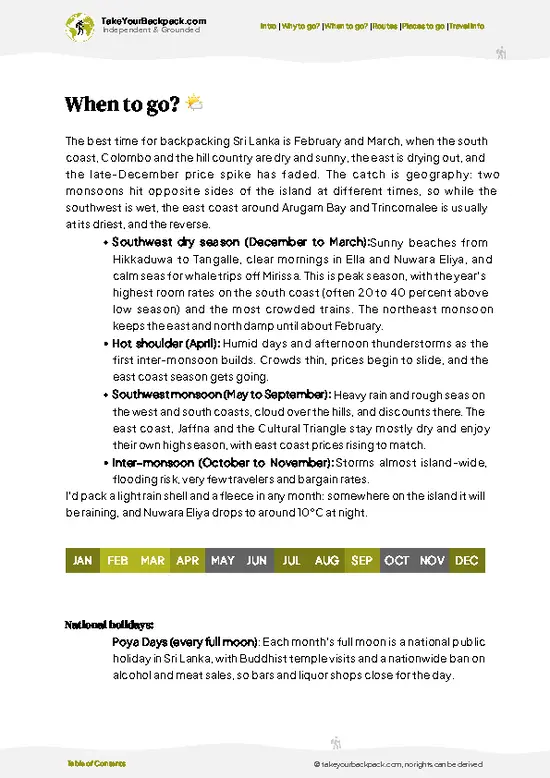
source: climatestotravel.comJANJanuary: fair for travelingFEBFebruary: highly recommended for travelingMARMarch: excellent for travelingAPRApril: excellent for travelingMAYMay: highly recommended for travelingJUNJune: good for travelingJULJuly: good for travelingAUGAugust: fair for travelingSEPSeptember: fair for travelingOCTOctober: below average for travelingNOVNovember: below average for travelingDECDecember: below average for traveling
when-to-go

✈️ The backpacker research shortcutSri Lanka Travel Guide

An offline-friendly backpacking guide with optimized travel routes, ranked highlights, transport advice, and the best areas to stay.
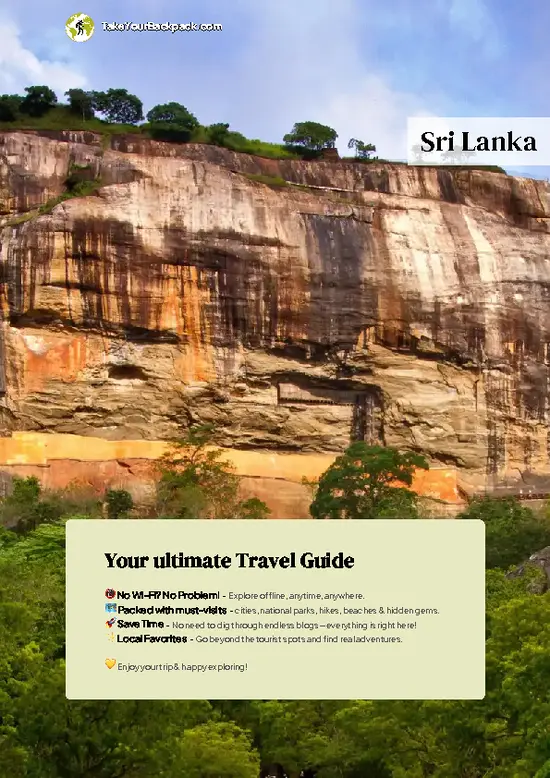
example page 0 from our offline Travel Guide for Sri Lanka
example page 1 from our offline Travel Guide for Sri Lanka
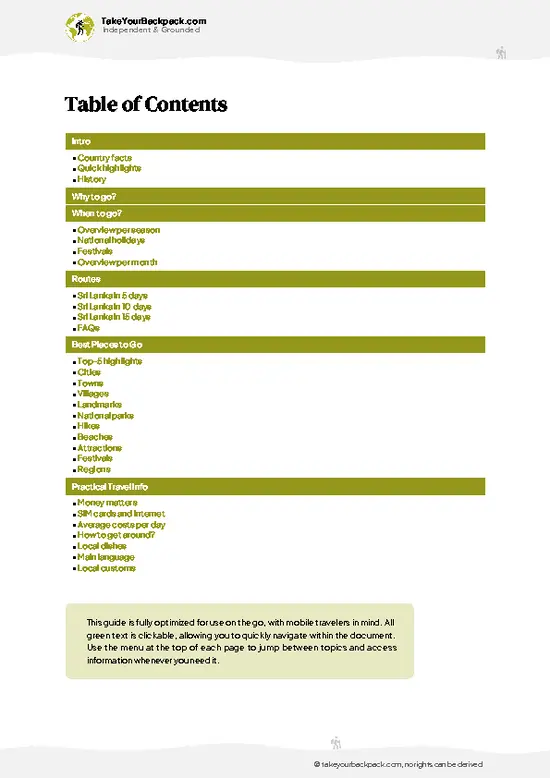
example page 2 from our offline Travel Guide for Sri Lanka
example page 3 from our offline Travel Guide for Sri Lanka
example page 4 from our offline Travel Guide for Sri Lanka
example page 5 from our offline Travel Guide for Sri Lanka
example page 6 from our offline Travel Guide for Sri Lanka
example page 7 from our offline Travel Guide for Sri Lanka
The digital guide (445 pages) contains:
124 highlights, ranked by travel appeal
Optimized 5, 10 & 15-day travel routes
Cities, national parks, landmarks, beaches
How to get around
Offline-friendly for travel without Wi-Fi
👉 Click to see all 30+ guide features

📅 Plan smarter in minutes, not weeks
Month by month travel advice
Festivals & national holidays
Budget expectations

🗺️ Go to the right places, skip the overrated ones
Honest pros & cons of destinations
Top hikes, parks & viewpoints
Lesser-known places most travelers miss
Clear “worth it vs skip it” guidance

🛏️ Travel smoothly without rookie mistakes
Best areas to stay
Transport systems explained simply
Common scams & safety advice
SIM cards, money & practical tips

🌍 Understand the country, not just visit it
Culture & traditions
52 Essential phrases & customs
Festivals worth planning around
Traveler-friendly historical context
Insights that make places more meaningful

📱 Built for real travel conditions
Fully downloadable PDF
Works completely offline
Optimized for phone use
Useful in remote areas & buses
Everything in one place
Save weeks of stressful planning
Get instant access to your full guide. 30‑day money-back guarantee.
+ Add another guide for just A$12.35

By proceeding you agree to our terms.
Sent to your inbox immediately after payment • 100% Secure Checkout
Best Backpacking Travel Advisor 2025 tourism awardBest Backpacking
Travel Advisor
2025
What others say about Take Your Backpack Guides:
⭐⭐⭐⭐⭐
Fantastic, amazing amount of information!
⭐⭐⭐⭐⭐
My goodness this is amazing, it's what I've been looking for hats off too you!
⭐⭐⭐⭐⭐
I think this is absolutely BRILLIANT
⭐⭐⭐⭐
Very complete and informative. It's still missing places, but I gotta to commend you
⭐⭐⭐⭐⭐
This is truly amazing, thank you, can't wait to explore it with my kids!
⭐⭐⭐⭐⭐
Awesome resource, thank you!
⭐⭐⭐⭐⭐
This is amazing! Can't wait to explore the ones I haven't seen
⭐⭐⭐⭐
I love this! Well done, great idea.
⭐⭐⭐⭐⭐
Thanks for taking the time to make this gem!
⭐⭐⭐⭐⭐
This might be the best website I've ever seen.
⭐⭐⭐⭐⭐
Congratulations, and thank you so much for your work; it's incredibly valuable.
⭐⭐⭐⭐
In all seriousness I think you did a great job pointing out the important spots
⭐⭐⭐⭐⭐
10/10 very good
⭐⭐⭐⭐⭐
As someone who's only just starting to visit regularly this is awesome, thank you.
⭐⭐⭐⭐
Thank you very much! I'm going to visit my dad, it's going to be very useful!
⭐⭐⭐⭐⭐
This is really cool! We'll be travelling for the first time and this definitely come in handy.
⭐⭐⭐⭐⭐
You are now our minister of culture, congratulations 👨‍💼
⭐⭐⭐⭐⭐
Just wanted to tell you that this is a pearl! Going to follow your recommendations.
⭐⭐⭐⭐⭐
This is so cool. I'll definitely be using the resource for my travels soon.
⭐⭐⭐⭐⭐
This is very impressive! Good work.
⭐⭐⭐⭐⭐
This is an amazing and informative site. Very well done!

🛏️ Where to stay?Choosing the right base

Yala National Park is a treasure for wildlife enthusiasts, but finding the right place to stay can make or break your experience.

Inside the park, options are limited. The Yala National Park Safari Camp offers a unique glamping experience. Think cozy tents with en-suite bathrooms. It’s a solid choice if you want to be close to the action without sacrificing comfort. However, book well in advance; spots fill up quickly, especially during peak season.

If you prefer a bit more infrastructure, head to nearby towns like Tissamaharama or Kirinda. Tissamaharama has a range of budget guesthouses and … read more 👉
Yala National Park is a treasure for wildlife enthusiasts, but finding the right place to stay can make or break your experience.

Inside the park, options are limited. The Yala National Park Safari Camp offers a unique glamping experience. Think cozy tents with en-suite bathrooms. It’s a solid choice if you want to be close to the action without sacrificing comfort. However, book well in advance; spots fill up quickly, especially during peak season.

If you prefer a bit more infrastructure, head to nearby towns like Tissamaharama or Kirinda. Tissamaharama has a range of budget guesthouses and hostels. The Tissa Lake Hotel is a reliable pick, offering basic amenities and a friendly atmosphere. It’s also a great base for early morning safaris.

Kirinda, on the coast, provides a different vibe. You can find beachside accommodations like the Kirinda Beach Resort. It’s a bit farther from the park entrance, but the sunsets are worth it.

Be mindful of transportation costs. If you’re staying outside the park, factor in the price of tuk-tuks or taxis to get to the entrance. This can add up quickly, so plan accordingly. Prioritize your budget for experiences inside the park rather than overspending on accommodations.

👛 Costs (as of 4 September 2026)Travel costs and budget guide for Yala

Visiting Yala National Park in Sri Lanka can be a rewarding experience, but it’s essential to be aware of the costs involved to avoid surprises.

Entry fees for Yala National Park are around $15 to $25 per person for foreign visitors. This fee can vary depending on the season and any special events. Local residents pay significantly less, so don’t be alarmed by the price difference.

If you’re planning to go on a safari, which is highly recommended, expect to pay between $50 and $100 for a jeep rental. This typically includes the driver and guide, but confirm if fuel costs are included. Sharing a jeep with others can help lower this cost.

Additionally, if you want to hire a naturalist or guide for a more in-depth experience, budget an extra $20 to $50. This can enhance your understanding … read more 👉
Visiting Yala National Park in Sri Lanka can be a rewarding experience, but it’s essential to be aware of the costs involved to avoid surprises.

Entry fees for Yala National Park are around $15 to $25 per person for foreign visitors. This fee can vary depending on the season and any special events. Local residents pay significantly less, so don’t be alarmed by the price difference.

If you’re planning to go on a safari, which is highly recommended, expect to pay between $50 and $100 for a jeep rental. This typically includes the driver and guide, but confirm if fuel costs are included. Sharing a jeep with others can help lower this cost.

Additionally, if you want to hire a naturalist or guide for a more in-depth experience, budget an extra $20 to $50. This can enhance your understanding of the park’s wildlife and ecosystem.

Accommodation nearby can range from budget hostels at about $10 per night to mid-range hotels around $50 to $100. Luxury options can go much higher, so choose based on your comfort level and budget.

Plan for food costs as well. Local meals can be found for $5 to $10, while dining in hotels or upscale restaurants may set you back $15 to $30.

Keep in mind that Yala can get crowded during peak season, which runs from December to April. Booking in advance can save you from last-minute price hikes and ensure you get the experience you want.


source: srilanka.travel
⚠️ Prices can change and everyone travels differently, so take this as a rough guide. Hope it helps you plan your adventure!

🥾 TrailsTrail guide for Yala national park

Yala National Park is a gem for those who crave a mix of wildlife and stunning landscapes. While it’s primarily known for its safari experiences, there are some hiking opportunities that let you soak in the scenery and maybe catch a glimpse of the park’s famous leopards or elephants. The terrain varies from dense jungles to open grasslands, giving you a taste of Sri Lanka’s diverse ecosystems.

One of the more popular trails is the Maha Oya Trail. Here are the details:
  • Length: 6 km
  • Estimated Duration: 2-3 hours
  • Difficulty Level: Moderate
  • Key Features: Scenic river views, rich birdlife, potential
read more 👉
Yala National Park is a gem for those who crave a mix of wildlife and stunning landscapes. While it’s primarily known for its safari experiences, there are some hiking opportunities that let you soak in the scenery and maybe catch a glimpse of the park’s famous leopards or elephants. The terrain varies from dense jungles to open grasslands, giving you a taste of Sri Lanka’s diverse ecosystems.

One of the more popular trails is the Maha Oya Trail. Here are the details:
  • Length: 6 km
  • Estimated Duration: 2-3 hours
  • Difficulty Level: Moderate
  • Key Features: Scenic river views, rich birdlife, potential leopard sightings
  • Terrain: Mixed; some flat areas with occasional rocky sections

Getting to Yala is pretty straightforward. You can hop on a bus from major cities like Colombo or Galle, and it’ll drop you off at the park entrance. Just keep an eye on the schedules; they can be a bit erratic. As for crowds, it can get busy, especially during peak season, so consider going early in the morning or later in the afternoon for a quieter experience. The entrance fee is reasonable, but it’s best to check current rates before you go, as they can change. Overall, it’s a unique spot for those looking to blend adventure with some of the best wildlife viewing in Sri Lanka.
⚠️ Hiking info can sometimes be outdated or inaccurate. Before you hit the trail, check the latest conditions with locals. If you do spot anything that's off, I'd love to hear from you, so I can update it for fellow travelers.

🛡️ SafetyStaying Safe: What Travelers Should Know

Yala National Park is generally straightforward for backpackers, but a few realities can help you navigate it smoothly. Weather can shift quickly, especially during the monsoon season, so pack a lightweight, waterproof jacket. The trails are well-marked, but some areas can be uneven or muddy, so sturdy footwear is essential.

Wildlife encounters are a highlight, but remember to keep your distance. Elephants and leopards roam freely; respect their space and avoid sudden movements. If you spot wildlife, stay calm and quiet—this isn’t a safari from your car, so be prepared to pause and observe.

Timing matters. Early mornings or late afternoons are prime for wildlife activity, but also the hottest parts of the day. Hydrate regularly and pace yourself, especially if you’re hiking in the heat. … read more 👉
Yala National Park is generally straightforward for backpackers, but a few realities can help you navigate it smoothly. Weather can shift quickly, especially during the monsoon season, so pack a lightweight, waterproof jacket. The trails are well-marked, but some areas can be uneven or muddy, so sturdy footwear is essential.

Wildlife encounters are a highlight, but remember to keep your distance. Elephants and leopards roam freely; respect their space and avoid sudden movements. If you spot wildlife, stay calm and quiet—this isn’t a safari from your car, so be prepared to pause and observe.

Timing matters. Early mornings or late afternoons are prime for wildlife activity, but also the hottest parts of the day. Hydrate regularly and pace yourself, especially if you’re hiking in the heat.

Lastly, don’t underestimate the importance of trail etiquette. Keep noise to a minimum and leave no trace; this preserves the park’s beauty for everyone. With these tips, you’ll conserve your energy and budget for the moments that truly matter.

FAQCommon questions from travelers

2 days are recommended to explore Yala National Park thoroughly, allowing time for multiple game drives to spot leopards and other wildlife.
No, you cannot visit Yala National Park without a car or a guided vehicle; private vehicles are not allowed inside, so you must book a safari jeep with a licensed guide.
Yes, an entrance fee is required. The fee is approximately $30 USD for foreign adults, and a permit must be purchased at the park entrance before entering.
⚠️ Things can change over time, so always validate details locally before you go.

Other Sri Lankan national parks near Yala

Explore more nearby:


💡 Not sure where to go next?
Create a personalized itinerary for Sri Lanka including Yala and the places that fit your trip.

Generate my itinerary

👉 Discover all national parks

Or checkout all Sri Lanka has to offer (think cities, towns, villages, national parks, hikes, beaches, festivals)
Country photo of Sri Lanka

We 💚 feedbackWhat to keep in mind

Yala National Park is a wildlife lover’s paradise. The thrill of spotting leopards in their natural habitat is unmatched. But be prepared: the park can get crowded, especially during peak season. This can dilute the experience and lead to long waits for sightings. Plan your visit during off-peak times for a more intimate connection with nature. It’s about balancing the adventure with the reality of the crowds.

✈️ When did I visit Sri Lanka?
In December 2025 I visited Sri Lanka.

✍️ Help improve this page!
The information on this page is based on my own backpacking experience in Sri Lanka, supplemented with up-to-date research and feedback from other travelers. Travel details can change, so if you notice anything outdated or incomplete, feel free to let me know.


🙋‍♂️ Give feedback

👋 Meet the founderWho’s Behind Take Your Backpack?

Johan, backpacker and founder of TakeYourBackpackHi, I’m Johan (Netherlands 🇳🇱), the creator of TakeYourBackpack. Over the past decade, I’ve backpacked through 80+ countries across six continents, gaining extensive experience with independent travel, long-term trips, and overland routes.

This site is built on a combination of firsthand travel experience and carefully curated insights from other backpackers. Many guides are based on places I’ve personally visited, while others bring together tips, observations, and practical advice shared by trusted travelers I’ve met along the way.

The goal is to provide realistic, experience-driven guidance — not generic itineraries — so you can explore destinations with better context, clearer expectations, and more confidence.

Get full Sri Lanka guide •
Instant download • 124 highlights • Full Offline guide