v2.webp)
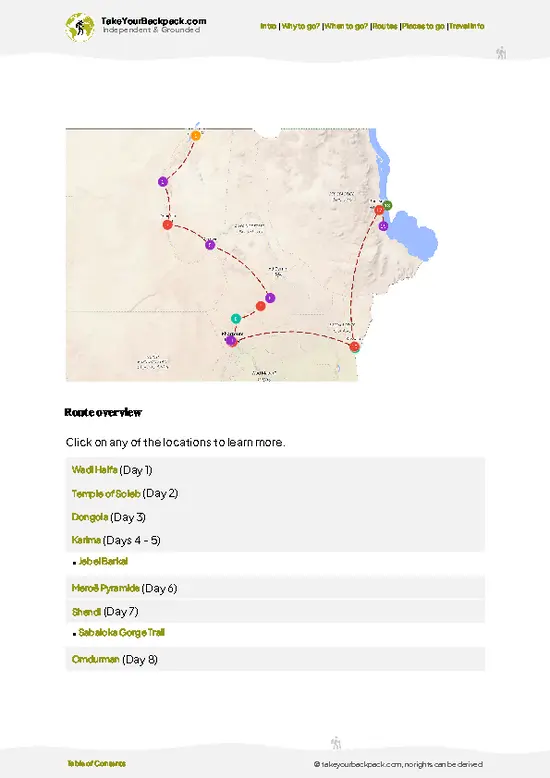
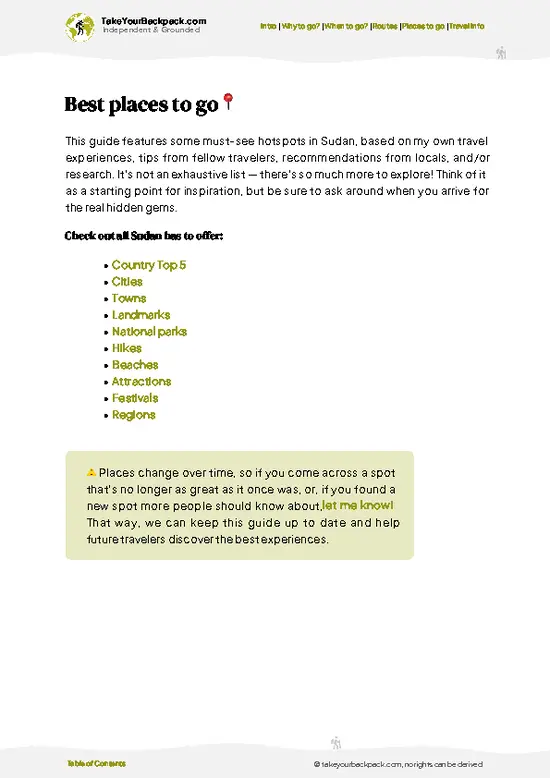
- The whirling circle at the Hamad al-Nil tomb. This is what Dervish Festival is known for. Dervishes in patchwork robes spin and sway in a wide ring on the cemetery ground, around the domed tomb of Sheikh Hamad al-Nil. The movement builds slowly and the dust rises, so stand at the edge and watch from a respectful distance.
- The drumming and the dhikr chant. Big drums set a steady pulse while the group repeats the phrase of faith in rising waves. You hear it from the street long before you see the crowd. The sound is low, hypnotic and loud enough to feel in your chest.
- The tomb of Sheikh Hamad al-Nil. The domed shrine anchors the whole gathering, and worshippers circle it, touch the walls and pray nearby. Dress modestly, remove your shoes where others do, and keep conversation low. It is a place
- The whirling circle at the Hamad al-Nil tomb. This is what Dervish Festival is known for. Dervishes in patchwork robes spin and sway in a wide ring on the cemetery ground, around the domed tomb of Sheikh Hamad al-Nil. The movement builds slowly and the dust rises, so stand at the edge and watch from a respectful distance.
- The drumming and the dhikr chant. Big drums set a steady pulse while the group repeats the phrase of faith in rising waves. You hear it from the street long before you see the crowd. The sound is low, hypnotic and loud enough to feel in your chest.
- The tomb of Sheikh Hamad al-Nil. The domed shrine anchors the whole gathering, and worshippers circle it, touch the walls and pray nearby. Dress modestly, remove your shoes where others do, and keep conversation low. It is a place of real devotion and the best way to understand why the ceremony happens here.
- Dervish costumes and green flags. Many participants wear robes stitched from colored patches, with beads, prayer necklaces and staffs, and green banners mark the order’s presence. Look closely at the details of each outfit, since each reflects a personal path in the order. Always ask before photographing a person.
- Tea sellers and incense at the edge of the crowd. Women sell sweet tea and spiced coffee from small stoves, and incense smoke drifts across the cemetery. Taking a glass is an easy way to start a conversation, and you will probably be explained what you are watching before the glass is empty.
Spotted a mistake or missing something? Contact us.
 Best Backpacking
.jpg) Hi, I’m Johan (Netherlands 🇳🇱), the creator of TakeYourBackpack. Over the past 3 decades, I’ve backpacked through 90+ countries across six continents, gaining extensive experience with independent travel, long-term trips, and overland routes.
Hi, I’m Johan (Netherlands 🇳🇱), the creator of TakeYourBackpack. Over the past 3 decades, I’ve backpacked through 90+ countries across six continents, gaining extensive experience with independent travel, long-term trips, and overland routes.