×

Sudan🇸🇩 | best festivalsYour Guide to the 10 Best festivals in Sudan

Festivals in Sudan are vibrant celebrations that reflect the country’s rich cultural tapestry. They vary significantly by region and season, impacting everything from the vibe to budget and safety. In the north, you might find the Nuba Mountains Festival, showcasing traditional music and dance, while the south offers the Sufi Festivals, steeped in spiritual significance.

Choosing the right festival can transform your backpacking experience. Some events draw large crowds, making travel logistics more complex, while others provide intimate cultural immersion. Timing is crucial; festivals often align with harvest seasons or religious observances, affecting both the atmosphere and your wallet. Understanding these nuances ensures you engage deeply with Sudan’s traditions while preserving your energy and budget for the moments that truly matter.

By Johan Kruseman 🇳🇱 | Updated June 7, 2026
Explore the best regions in Sudan

Why go?Why Travelers Love These Spots

Festivals in Sudan are a vibrant tapestry of cultural significance and historical depth. They offer a unique lens into a society where traditions run deep, shaped by a rich blend of African, Arab, and Islamic influences. Unlike many countries, Sudan’s festivals are often rooted in community and spirituality, making them a profound experience rather than mere entertainment.

Timing is crucial. Many festivals align with the agricultural calendar, celebrating harvests or religious observances. This seasonal rhythm means travelers can immerse themselves in the local way of life, but it also requires careful planning. The climatic conditions can be extreme, with scorching heat in summer and cooler, more pleasant weather in winter. This affects not just comfort but also festival attendance; the … read more 👉
Festivals in Sudan are a vibrant tapestry of cultural significance and historical depth. They offer a unique lens into a society where traditions run deep, shaped by a rich blend of African, Arab, and Islamic influences. Unlike many countries, Sudan’s festivals are often rooted in community and spirituality, making them a profound experience rather than mere entertainment.

Timing is crucial. Many festivals align with the agricultural calendar, celebrating harvests or religious observances. This seasonal rhythm means travelers can immerse themselves in the local way of life, but it also requires careful planning. The climatic conditions can be extreme, with scorching heat in summer and cooler, more pleasant weather in winter. This affects not just comfort but also festival attendance; the best experiences often come during the cooler months, which can lead to larger crowds.

Logistics can be a double-edged sword. While some festivals are accessible, others may require significant travel time, often through rugged terrain. This trade-off between accessibility and immersion is critical. A longer journey might yield a more authentic experience, but it can also drain energy and resources. Understanding these dynamics is essential for making the most of Sudan’s festivals, ensuring that the moments that matter are preserved and cherished.
How the List Was Created
The list of best festivals in Sudan is created based on energy, traditions, crowd experience, activities, and overall excitement. If you feel a festival is missing in this list, please let us know.

When to go?Timing Your Visit for the Best Experience

Seasonality and Festivals


Sudan’s festival calendar is tightly woven into its climate and cultural rhythms. The country experiences a hot desert climate, with summer temperatures soaring, especially from May to September. This heat can be oppressive, making outdoor festivals less enjoyable. The cooler months from October to April are ideal for experiencing the vibrant cultural events, as temperatures are more manageable.

October to December marks the peak festival season. This period is alive with energy, as many significant events occur. Crowds swell, and accommodations can become pricey. Expect a lively atmosphere, but be prepared for the hustle and bustle that comes with it.

January and February offer a quieter experience. Fewer festivals mean less crowding, but this can also lead … read more 👉

Seasonality and Festivals


Sudan’s festival calendar is tightly woven into its climate and cultural rhythms. The country experiences a hot desert climate, with summer temperatures soaring, especially from May to September. This heat can be oppressive, making outdoor festivals less enjoyable. The cooler months from October to April are ideal for experiencing the vibrant cultural events, as temperatures are more manageable.

October to December marks the peak festival season. This period is alive with energy, as many significant events occur. Crowds swell, and accommodations can become pricey. Expect a lively atmosphere, but be prepared for the hustle and bustle that comes with it.

January and February offer a quieter experience. Fewer festivals mean less crowding, but this can also lead to a diminished sense of local celebration. Prices for lodging may drop, making it a budget-friendly option, though the festival experience may lack the vibrancy of peak season.

March and April can be a mixed bag. The weather starts to heat up again, and while some festivals still occur, they may not attract the same level of participation. Travelers should weigh the trade-offs between experiencing the full festival atmosphere and enjoying a more relaxed, albeit quieter, visit.

Understanding these seasonal dynamics is crucial for planning an authentic and enjoyable trip to Sudan’s festivals.

festival hoppingPlanning Your Route Efficiently

To efficiently combine multiple festivals across Sudan, start by clustering events regionally. Focus on the northern festivals first, such as the Khartoum International Festival, before moving south to the cultural celebrations in Omdurman. This approach minimizes travel time and maximizes exposure to diverse experiences.

Plan for at least two to three days at each major festival to soak in the atmosphere without feeling rushed. This pacing allows for exploration of local culture, food, and interactions with residents, which are often the highlights of any festival.

A common mistake is trying to cram too many events into a tight schedule. This leads to burnout and missed opportunities. Instead, prioritize a few key festivals that resonate most with personal interests and allow for some read more 👉
To efficiently combine multiple festivals across Sudan, start by clustering events regionally. Focus on the northern festivals first, such as the Khartoum International Festival, before moving south to the cultural celebrations in Omdurman. This approach minimizes travel time and maximizes exposure to diverse experiences.

Plan for at least two to three days at each major festival to soak in the atmosphere without feeling rushed. This pacing allows for exploration of local culture, food, and interactions with residents, which are often the highlights of any festival.

A common mistake is trying to cram too many events into a tight schedule. This leads to burnout and missed opportunities. Instead, prioritize a few key festivals that resonate most with personal interests and allow for some flexibility in the itinerary.

Consider trade-offs carefully. Speed can mean missing the depth of experience; budget constraints might limit comfort. Striking a balance is crucial. For example, opting for local transport can save money but may add time and discomfort.

Finally, keep an eye on festival dates and local travel conditions. Sudan’s infrastructure can be unpredictable, so allow for extra time between stops. This way, you can enjoy the journey as much as the destination.

The ListThe Best festivals of Sudan

1 Nuba Wrestling Festival

open-air wrestling, tribal gathering, traditional music, rural Sudan

Watch athletes compete in a centuries-old sport, surrounded by drumming, chanting, and the communal spirit of Nuba mountain villages.

2 Red Sea Cultural Festival

coastal city, Beja traditions, seafood feasts, portside events

Discover Red Sea coastal life with Beja music, local cuisine, and cultural showcases set against the backdrop of Port Sudan’s harbor.

3 Nubian Heritage Festival

Nubian music, folk dance, traditional crafts, Nile-side villages

Immerse yourself in Nubian culture through performances, craft displays, and community gatherings along the riverbanks of northern Sudan.

4 Shendi Camel Race Festival

desert track, camel breeders, local spectators, Nile-side town

Experience the excitement of camel racing as breeders and riders gather near the Nile, drawing crowds from across northern Sudan.

5 Kassala Mango Festival

mango harvest, market stalls, Taka Mountains, fruit tastings

Sample fresh mango varieties and join locals in celebrating the harvest season at the foot of Kassala’s dramatic granite peaks.

6 Sufi Festival

spiritual music, devotional poetry, communal rituals, night gatherings

Experience spiritual music and poetry as Sufi communities gather for night-long rituals that blend devotion with artistic expression.

7 Dervish Festival

whirling dances, Sufi chants, Omdurman tomb, Friday gatherings

Witness rhythmic chanting and spinning dances as Sufi dervishes gather weekly at the tomb of Sheikh Hamed al-Nil in Omdurman.

8 Sudanese Film Festival

local cinema, independent films, filmmaker panels, city screenings

Watch contemporary Sudanese films and join discussions with directors at screenings that highlight the country’s emerging film scene.

9 Khartoum Book Fair

literary stalls, author talks, publishing houses, urban venue

Browse new and classic titles, attend readings, and meet writers at Sudan’s largest annual gathering for book lovers and publishers.

10 Al-Mahdi’s Birthday Celebration

Omdurman processions, Mahdist history, religious chants, Sufi rituals

Join processions and spiritual gatherings in Omdurman as communities commemorate the birth of Sudan’s influential religious leader.

Loading the map 🌍

Expert viewTips and Advice from Travelers

Energy & Timing

Sudan’s festival scene is a vibrant reflection of its rich cultural tapestry. The best time to dive into this world is during the cooler months, roughly from October to March. This is when the weather is more forgiving, allowing you to enjoy outdoor events without melting into a puddle. Expect a mix of religious, cultural, and music festivals, each offering a unique glimpse into Sudanese life. Aim for two to three festivals during your visit. This gives you enough time to soak in the atmosphere without burning out.

Cultural Context

Understanding the cultural significance of each festival is crucial. For instance, the Eid celebrations are not just about the festivities; they’re deeply rooted in community and spirituality. Attending these events means engaging with locals, … read more 👉

Energy & Timing

Sudan’s festival scene is a vibrant reflection of its rich cultural tapestry. The best time to dive into this world is during the cooler months, roughly from October to March. This is when the weather is more forgiving, allowing you to enjoy outdoor events without melting into a puddle. Expect a mix of religious, cultural, and music festivals, each offering a unique glimpse into Sudanese life. Aim for two to three festivals during your visit. This gives you enough time to soak in the atmosphere without burning out.

Cultural Context

Understanding the cultural significance of each festival is crucial. For instance, the Eid celebrations are not just about the festivities; they’re deeply rooted in community and spirituality. Attending these events means engaging with locals, which can be a rewarding experience. However, be mindful of the customs and traditions. Dress modestly and be respectful of local practices. This isn’t just about avoiding awkward moments; it’s about genuinely connecting with the culture.

Crowd Management

Festivals can draw large crowds, especially in urban areas. If you’re not a fan of throngs of people, consider timing your visit strategically. Arrive early to avoid the rush, or choose smaller, less popular festivals that still offer authentic experiences. The energy can be electric, but it can also be overwhelming. Know your limits. If you find yourself in a packed space, take breaks to recharge.

Budget & Comfort

Costs can vary widely depending on the festival. Some events are free, while others may charge for entry or have associated costs for food and accommodations. Expect to spend a bit more during peak festival times, as prices for lodging can skyrocket. A realistic budget range would be moderate, but be prepared for unexpected expenses. Always have a buffer for those moments when you want to indulge in local delicacies or buy handmade crafts.

Planning & Prioritizing

When planning your festival itinerary, prioritize based on your interests. If you’re drawn to music, seek out festivals that showcase local artists. If cultural immersion is your goal, focus on events that involve traditional rituals. Research ahead of time to understand the festival schedule and any potential overlaps. This will help you maximize your experience without feeling rushed.

Safety & Cultural Considerations

Safety is paramount. While Sudan is generally safe for travelers, always stay aware of your surroundings, especially in crowded areas. Keep your belongings secure and avoid displaying valuables. Familiarize yourself with local customs to avoid unintentional faux pas. Engaging with locals can enhance your experience, but always approach interactions with respect and openness.

Trade-offs & Constraints

One significant trade-off is the balance between comfort and authenticity. Larger festivals may offer more entertainment but can also be chaotic and less personal. Smaller, local festivals might provide a more intimate experience but could lack the spectacle you’re seeking. Decide what matters most to you.

In summary, Sudan’s festivals are a gateway to understanding its culture, but they require thoughtful planning. Embrace the energy, respect the traditions, and prepare for a journey that’s as enlightening as it is enjoyable.

✈️ The backpacker research shortcutSudan Travel Guide

An offline-friendly backpacking guide with optimized travel routes, ranked highlights, transport advice, and the best areas to stay.
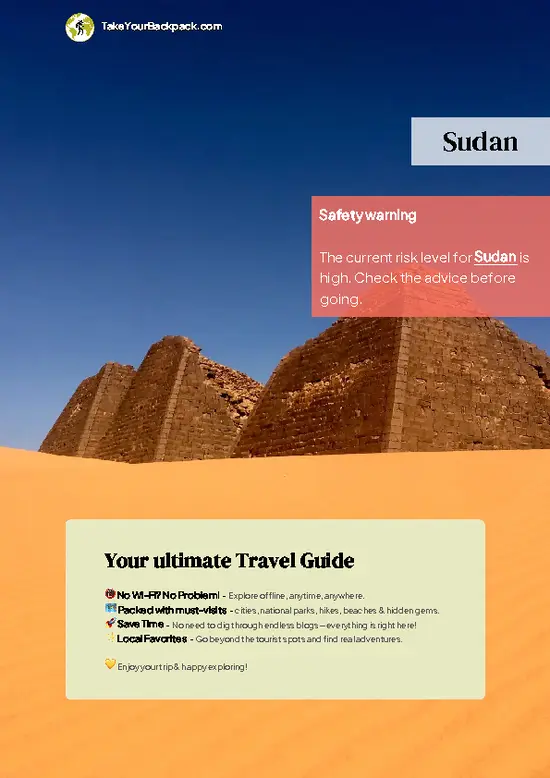
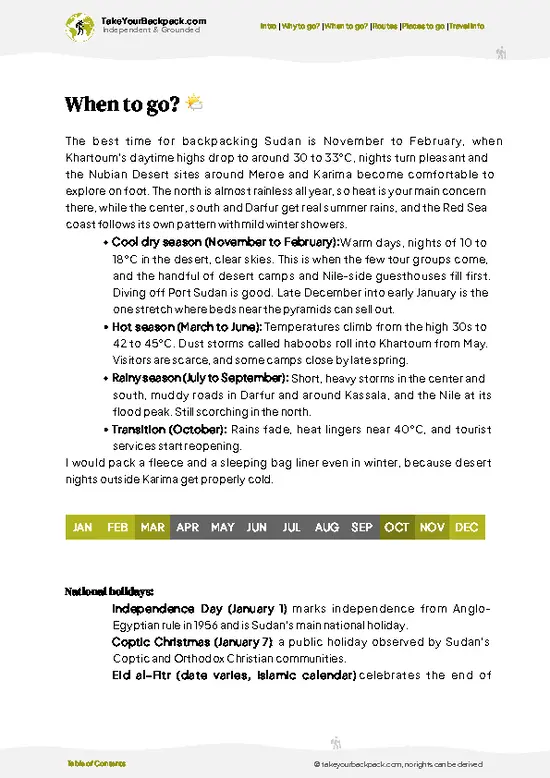
example page 0 from our offline Travel Guide for Sudanexample page 1 from our offline Travel Guide for Sudanexample page 2 from our offline Travel Guide for Sudanexample page 3 from our offline Travel Guide for Sudanexample page 4 from our offline Travel Guide for Sudanexample page 5 from our offline Travel Guide for Sudanexample page 6 from our offline Travel Guide for Sudanexample page 7 from our offline Travel Guide for Sudan
The digital guide (300 pages) contains:
72 highlights, ranked by travel appeal
Optimized 5, 10 & 15-day travel routes
Cities, national parks, landmarks, beaches
How to get around
Offline-friendly for travel without Wi-Fi
👉 Click to see all 30+ guide features

📅 Plan smarter in minutes, not weeks
Month by month travel advice
Festivals & national holidays
Budget expectations

🗺️ Go to the right places, skip the overrated ones
Honest pros & cons of destinations
Top hikes, parks & viewpoints
Lesser-known places most travelers miss
Clear “worth it vs skip it” guidance

🛏️ Travel smoothly without rookie mistakes
Best areas to stay
Transport systems explained simply
Common scams & safety advice
SIM cards, money & practical tips

🌍 Understand the country, not just visit it
Culture & traditions
52 Essential phrases & customs
Festivals worth planning around
Traveler-friendly historical context
Insights that make places more meaningful

📱 Built for real travel conditions
Fully downloadable PDF
Works completely offline
Optimized for phone use
Useful in remote areas & buses
Everything in one place
Save weeks of stressful planning
Get instant access to your full guide. 30‑day money-back guarantee.


By proceeding you agree to our terms.
Sent to your inbox immediately after payment • 100% Secure Checkout
Best Backpacking Travel Advisor 2025 tourism awardBest Backpacking
Travel Advisor
2025
What others say about Take Your Backpack Guides:
⭐⭐⭐⭐⭐
Fantastic, amazing amount of information!
⭐⭐⭐⭐⭐
My goodness this is amazing, it's what I've been looking for hats off too you!
⭐⭐⭐⭐⭐
I think this is absolutely BRILLIANT
⭐⭐⭐⭐
Very complete and informative. It's still missing places, but I gotta to commend you
⭐⭐⭐⭐⭐
This is truly amazing, thank you, can't wait to explore it with my kids!
⭐⭐⭐⭐⭐
Awesome resource, thank you!
⭐⭐⭐⭐⭐
This is amazing! Can't wait to explore the ones I haven't seen
⭐⭐⭐⭐
I love this! Well done, great idea.
⭐⭐⭐⭐⭐
Thanks for taking the time to make this gem!
⭐⭐⭐⭐⭐
This might be the best website I've ever seen.
⭐⭐⭐⭐⭐
Congratulations, and thank you so much for your work; it's incredibly valuable.
⭐⭐⭐⭐
In all seriousness I think you did a great job pointing out the important spots
⭐⭐⭐⭐⭐
10/10 very good
⭐⭐⭐⭐⭐
As someone who's only just starting to visit regularly this is awesome, thank you.
⭐⭐⭐⭐
Thank you very much! I'm going to visit my dad, it's going to be very useful!
⭐⭐⭐⭐⭐
This is really cool! We'll be travelling for the first time and this definitely come in handy.
⭐⭐⭐⭐⭐
You are now our minister of culture, congratulations 👨‍💼
⭐⭐⭐⭐⭐
Just wanted to tell you that this is a pearl! Going to follow your recommendations.
⭐⭐⭐⭐⭐
This is so cool. I'll definitely be using the resource for my travels soon.
⭐⭐⭐⭐⭐
This is very impressive! Good work.
⭐⭐⭐⭐⭐
This is an amazing and informative site. Very well done!

🛏️ Where to stay?Accommodation Highlights

There are budget hotels and guesthouses in Sudan, mainly in Khartoum, but true backpacker hostels with dorms are rare; plan for small guesthouses or budget hotels rather than large hostel chains.

Khartoum City Centre/Nile Corniche: closest to museums, markets and restaurants and reasonably safe with some evening activity; Al‑Amarat: quieter and more residential with better security but slightly higher prices; Omdurman: cheapest local guesthouses and excellent daytime markets but more traditional, less evening infrastructure and quieter at night; Khartoum North (Bahri): most basic and inexpensive options, more industrial and farther from tourist highlights.

Book ahead during busy periods, … read more 👉
There are budget hotels and guesthouses in Sudan, mainly in Khartoum, but true backpacker hostels with dorms are rare; plan for small guesthouses or budget hotels rather than large hostel chains.

Khartoum City Centre/Nile Corniche: closest to museums, markets and restaurants and reasonably safe with some evening activity; Al‑Amarat: quieter and more residential with better security but slightly higher prices; Omdurman: cheapest local guesthouses and excellent daytime markets but more traditional, less evening infrastructure and quieter at night; Khartoum North (Bahri): most basic and inexpensive options, more industrial and farther from tourist highlights.

Book ahead during busy periods, carry cash, expect modest facilities and variable internet, and prioritize central Khartoum or Amarat for convenience and safety while using Omdurman for daytime visits.

If you enjoy meeting fellow travelers, consider choosing hostels with high ratings for atmosphere. On the other hand, if you prefer having your own space, a hotel might be a better option.

SudanSee More of Sudan

👋 Meet the founderWho’s Behind Take Your Backpack?

Johan, backpacker and founder of TakeYourBackpackHi, I’m Johan (Netherlands 🇳🇱), the creator of TakeYourBackpack. Over the past decade, I’ve backpacked through 80+ countries across six continents, gaining extensive experience with independent travel, long-term trips, and overland routes.

This site is built on a combination of firsthand travel experience and carefully curated insights from other backpackers. Many guides are based on places I’ve personally visited, while others bring together tips, observations, and practical advice shared by trusted travelers I’ve met along the way.

The goal is to provide realistic, experience-driven guidance — not generic itineraries — so you can explore destinations with better context, clearer expectations, and more confidence.

Get full Sudan guide •
Instant download • 72 highlights • Full Offline guide