v2.webp)
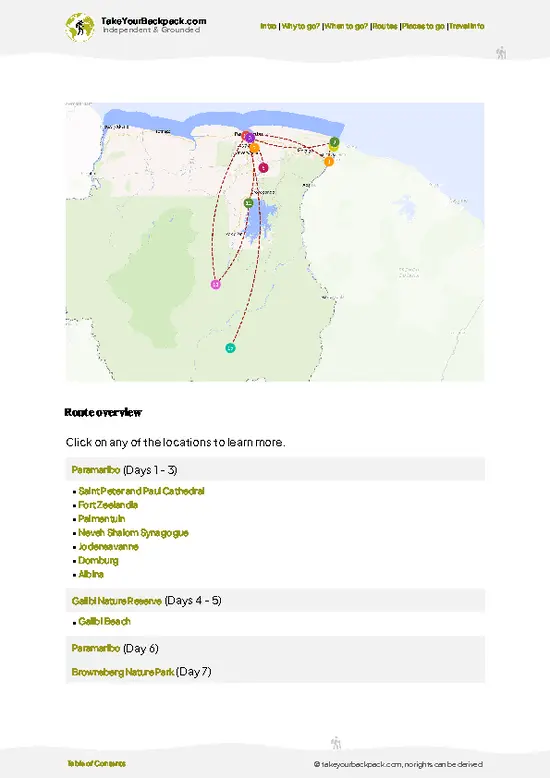
- Corantijn River waterfront: The sandy bank at Apoera looks across to Guyana, and the river is wide enough that you hear boat engines long before you see them. Come in the late afternoon, when fishermen pull in and the air cools. It is free and 1 to 2 hours is plenty, longer if you sit and watch.
- Boat trip toward the Kabalebo River: Local boatmen run dugout and motorboat trips from Apoera into the surrounding waterways, passing forested banks, sandbars and the occasional bird overhead. Go early in the morning for cooler air and more animal activity. Expect roughly US$30 to 80 per boat depending on distance and fuel, and 2 to 5 hours on the water. Arrange it in the village the day before.
- Apoera village walk: A slow loop along the sand lanes takes you past wooden houses, cassava plots, kids playing
- Corantijn River waterfront: The sandy bank at Apoera looks across to Guyana, and the river is wide enough that you hear boat engines long before you see them. Come in the late afternoon, when fishermen pull in and the air cools. It is free and 1 to 2 hours is plenty, longer if you sit and watch.
- Boat trip toward the Kabalebo River: Local boatmen run dugout and motorboat trips from Apoera into the surrounding waterways, passing forested banks, sandbars and the occasional bird overhead. Go early in the morning for cooler air and more animal activity. Expect roughly US$30 to 80 per boat depending on distance and fuel, and 2 to 5 hours on the water. Arrange it in the village the day before.
- Apoera village walk: A slow loop along the sand lanes takes you past wooden houses, cassava plots, kids playing by the river and small shops selling basics. It is the best way to see how the Lokono community lives day to day. Walk in the early morning or after 4 pm. It costs nothing, takes about 1 hour, and a greeting and a question before taking photos go a long way.
Spotted a mistake or missing something? Contact us.

 Best Backpacking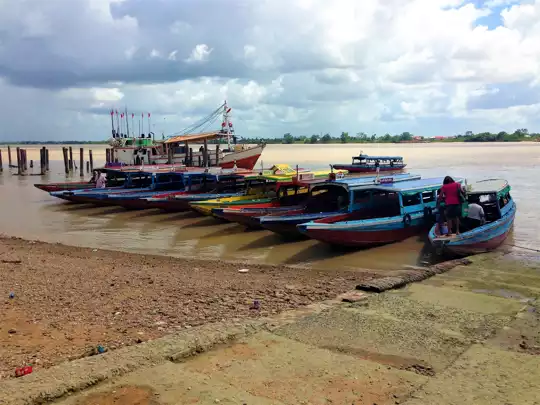
.jpg) Hi, I’m Johan (Netherlands 🇳🇱), the creator of TakeYourBackpack. Over the past 3 decades, I’ve backpacked through 90+ countries across six continents, gaining extensive experience with independent travel, long-term trips, and overland routes.
Hi, I’m Johan (Netherlands 🇳🇱), the creator of TakeYourBackpack. Over the past 3 decades, I’ve backpacked through 90+ countries across six continents, gaining extensive experience with independent travel, long-term trips, and overland routes.