v2.webp)
- Captain’s house (woonhuis van de kapitein) — The social and political heart of the village; visiting lets you meet the captain, learn about local governance, and hear oral history and decisions that still shape daily life.
- Community longhouse / meeting house (maloca) — Where ceremonies, dances and storytelling happen. It’s the best place to see traditional architecture, hear Tiriyó songs, and catch community events when they’re on.
- Village church / mission building — A striking example of how missionary influence and indigenous faiths mix here; services and gatherings are public and give real insight into contemporary village life.
- Primary school — More than a classroom: a community hub. Visitors often get to meet teachers and students, see local projects, and learn about how the Tiriyó
- Captain’s house (woonhuis van de kapitein) — The social and political heart of the village; visiting lets you meet the captain, learn about local governance, and hear oral history and decisions that still shape daily life.
- Community longhouse / meeting house (maloca) — Where ceremonies, dances and storytelling happen. It’s the best place to see traditional architecture, hear Tiriyó songs, and catch community events when they’re on.
- Village church / mission building — A striking example of how missionary influence and indigenous faiths mix here; services and gatherings are public and give real insight into contemporary village life.
- Primary school — More than a classroom: a community hub. Visitors often get to meet teachers and students, see local projects, and learn about how the Tiriyó balance traditional knowledge with formal education.
- Health clinic (basisgezondheidszorg) — Small but essential; visiting shows you how healthcare is delivered in a remote community and offers conversations with local health workers about traditional vs. modern remedies.
- Canoe landing and riverside — Where daily life and transport happen: watch boat traffic, see fish-smoking, and take river trips that start here. It’s also a great spot for low-key wildlife watching at dawn or dusk.
- Handicraft huts / weaving and beadwork areas — Where women and men make baskets, beadwork and other crafts. You can watch, sometimes help, and buy authentic souvenirs that directly support households.
- Cassava-processing area and community kitchen — The place to see traditional food production: grating, pressing and oven-baking cassava bread. A hands-on chance to taste staple foods made the old way.
- Village cemetery and ancestral grounds — A quiet, respectful spot that holds family histories and local stories. Guided visits can reveal burial customs and the lineage ties that bind the community.
- Short forest trails and village-managed medicinal gardens — Trails radiate right out of the village to places used for hunting, foraging and medicine. Guided walks with local experts teach you plant uses, tracking, and sacred spots tied to Tiriyó culture.
Spotted a mistake or missing something? Contact us.

 Best Backpacking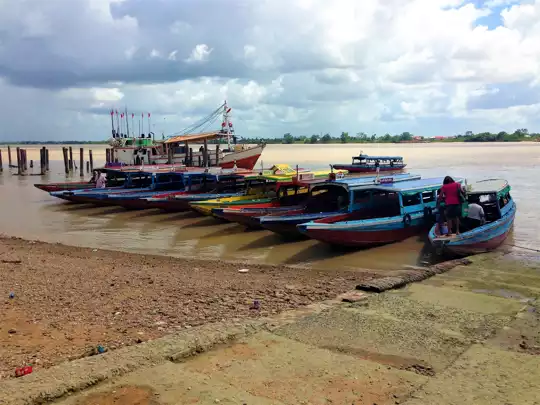
.jpg) Hi, I’m Johan (Netherlands 🇳🇱), the creator of TakeYourBackpack. Over the past 3 decades, I’ve backpacked through 90+ countries across six continents, gaining extensive experience with independent travel, long-term trips, and overland routes.
Hi, I’m Johan (Netherlands 🇳🇱), the creator of TakeYourBackpack. Over the past 3 decades, I’ve backpacked through 90+ countries across six continents, gaining extensive experience with independent travel, long-term trips, and overland routes.