The Towering Wooden Facade
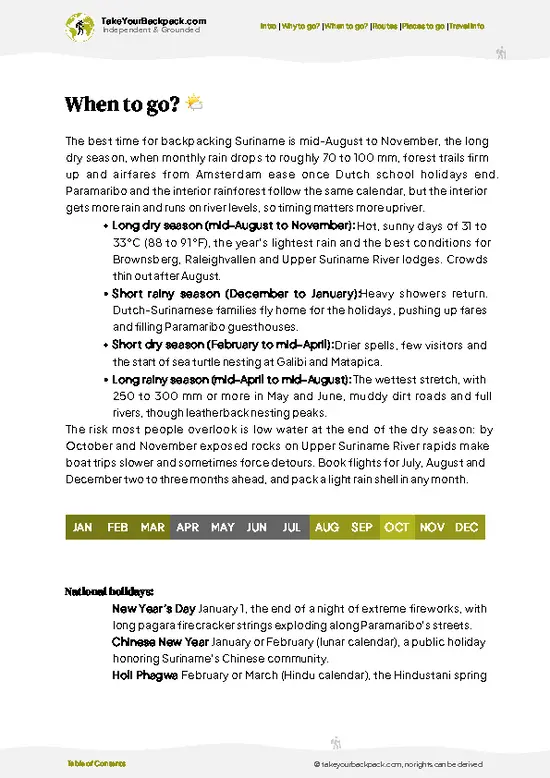
Forget the Instagram filters—this cathedral’s electric yellow-and-blue exterior is even more surreal in person. It’s not just a pretty face: Saint Peter and Paul Cathedral is the largest wooden structure in the Western Hemisphere. That’s not travel-blog hyperbole; it’s a fact that hits you the second you stand beneath its twin spires and realize you’re looking at a 19th-century engineering flex, built entirely from Surinamese cedar. The woodwork isn’t just for show. It creaks, it breathes, it smells faintly of resin and history. If you’re used to stone cathedrals, this one feels alive.
The Vaulted Wooden Interior
Step inside and the mood flips from carnival-bright to hushed and golden. The interior is a cathedral-sized jewelry box: soaring, honey-colored arches, … read more 👉
Forget the Instagram filters—this cathedral’s electric yellow-and-blue exterior is even more surreal in person. It’s not just a pretty face: Saint Peter and Paul Cathedral is the largest wooden structure in the Western Hemisphere. That’s not travel-blog hyperbole; it’s a fact that hits you the second you stand beneath its twin spires and realize you’re looking at a 19th-century engineering flex, built entirely from Surinamese cedar. The woodwork isn’t just for show. It creaks, it breathes, it smells faintly of resin and history. If you’re used to stone cathedrals, this one feels alive.
The Vaulted Wooden Interior
Step inside and the mood flips from carnival-bright to hushed and golden. The interior is a cathedral-sized jewelry box: soaring, honey-colored arches, … read more 👉
The Towering Wooden Facade
Forget the Instagram filters—this cathedral’s electric yellow-and-blue exterior is even more surreal in person. It’s not just a pretty face: Saint Peter and Paul Cathedral is the largest wooden structure in the Western Hemisphere. That’s not travel-blog hyperbole; it’s a fact that hits you the second you stand beneath its twin spires and realize you’re looking at a 19th-century engineering flex, built entirely from Surinamese cedar. The woodwork isn’t just for show. It creaks, it breathes, it smells faintly of resin and history. If you’re used to stone cathedrals, this one feels alive.
The Vaulted Wooden Interior
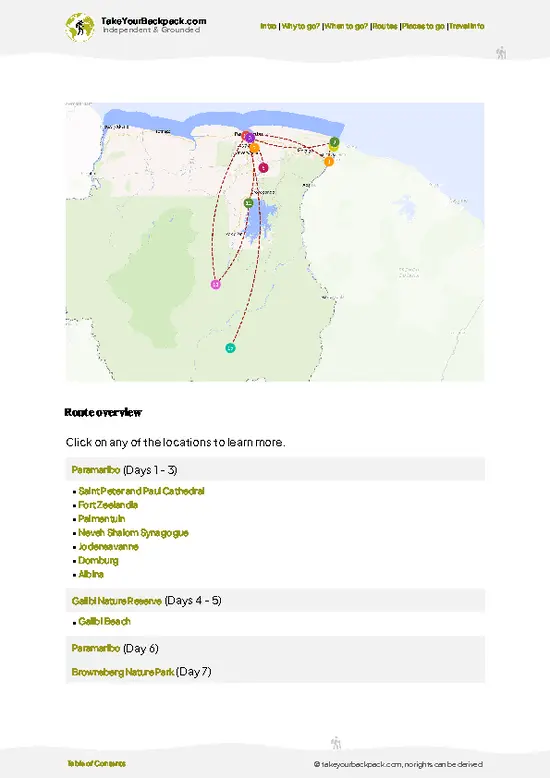
Step inside and the mood flips from carnival-bright to hushed and golden. The interior is a cathedral-sized jewelry box: soaring, honey-colored arches, all carved from local wood, with sunlight filtering through stained glass and bouncing off polished pews. There’s a warmth here—literally and figuratively—that you won’t find in Europe’s cold, echoing stone giants. The acoustics are so good that even a whisper seems to hang in the air. If you catch a choir rehearsal, you’ll understand why locals say the building itself sings.
The Hand-Carved Pulpit
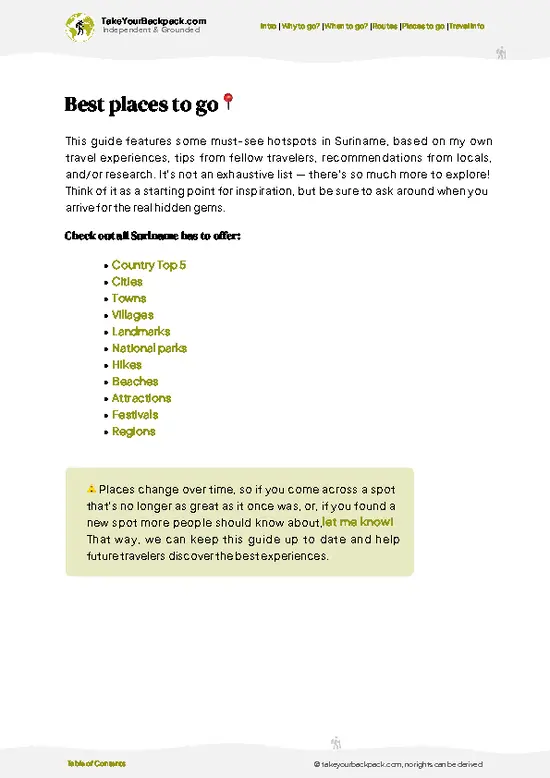
This isn’t your standard-issue pulpit. It’s a riot of detail: angels, vines, and biblical scenes, all whittled by hand. The craftsmanship is obsessive, bordering on defiant—like the carvers wanted to prove that wood can outshine marble. Stand close and you’ll spot tiny, almost hidden motifs that feel more folk art than high church. It’s a reminder that this place was built by real hands, not just architects.
The Crypt and Relics
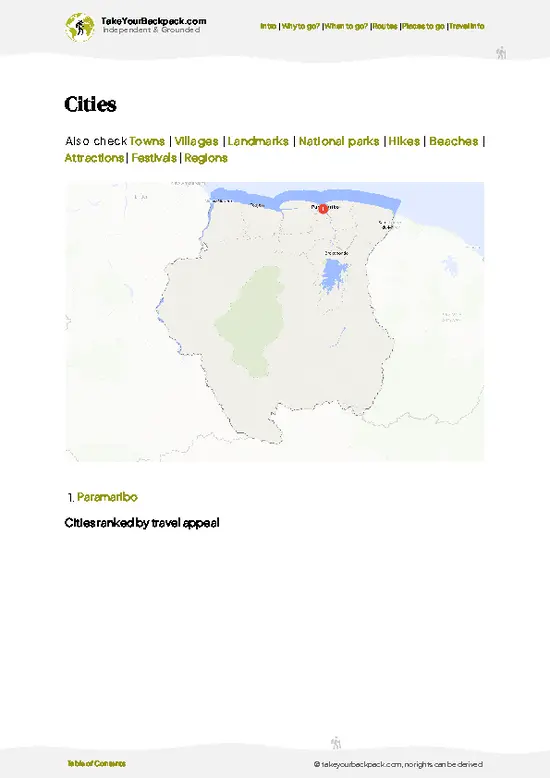
Most visitors miss this, but the crypt below the altar holds the remains of Suriname’s first bishop, Peter Donders—a local hero who worked with leprosy patients. The relics aren’t displayed with Vatican-style theatrics, but there’s a quiet gravity to the space. It’s a rare chance to see how Catholicism adapted to Suriname’s unique blend of cultures and histories. If you’re interested in the intersection of faith and colonialism, this is where the story gets real.
The Organ and Live Music
If you time your visit right, you might catch a concert or a Sunday service powered by the cathedral’s historic pipe organ. The sound is thunderous, but not overwhelming—the wooden walls mellow the notes into something rich and enveloping. Even if you’re not religious, the music here is a communal event. Locals show up in their Sunday best, and the vibe is more celebration than solemnity.
The Local Crowd
Here’s the real secret: this cathedral isn’t just a tourist stop. It’s a living, breathing part of Paramaribo’s daily rhythm. You’ll see schoolkids on field trips, elders lighting candles, and families gathering for baptisms. The energy is welcoming, not performative. If you want to understand Suriname beyond the guidebook, linger after the crowds leave and watch the locals claim the space as their own. That’s the real magic—no filter required.
Forget the Instagram filters—this cathedral’s electric yellow-and-blue exterior is even more surreal in person. It’s not just a pretty face: Saint Peter and Paul Cathedral is the largest wooden structure in the Western Hemisphere. That’s not travel-blog hyperbole; it’s a fact that hits you the second you stand beneath its twin spires and realize you’re looking at a 19th-century engineering flex, built entirely from Surinamese cedar. The woodwork isn’t just for show. It creaks, it breathes, it smells faintly of resin and history. If you’re used to stone cathedrals, this one feels alive.
The Vaulted Wooden Interior
Step inside and the mood flips from carnival-bright to hushed and golden. The interior is a cathedral-sized jewelry box: soaring, honey-colored arches, all carved from local wood, with sunlight filtering through stained glass and bouncing off polished pews. There’s a warmth here—literally and figuratively—that you won’t find in Europe’s cold, echoing stone giants. The acoustics are so good that even a whisper seems to hang in the air. If you catch a choir rehearsal, you’ll understand why locals say the building itself sings.
The Hand-Carved Pulpit
This isn’t your standard-issue pulpit. It’s a riot of detail: angels, vines, and biblical scenes, all whittled by hand. The craftsmanship is obsessive, bordering on defiant—like the carvers wanted to prove that wood can outshine marble. Stand close and you’ll spot tiny, almost hidden motifs that feel more folk art than high church. It’s a reminder that this place was built by real hands, not just architects.
The Crypt and Relics
Most visitors miss this, but the crypt below the altar holds the remains of Suriname’s first bishop, Peter Donders—a local hero who worked with leprosy patients. The relics aren’t displayed with Vatican-style theatrics, but there’s a quiet gravity to the space. It’s a rare chance to see how Catholicism adapted to Suriname’s unique blend of cultures and histories. If you’re interested in the intersection of faith and colonialism, this is where the story gets real.
The Organ and Live Music
If you time your visit right, you might catch a concert or a Sunday service powered by the cathedral’s historic pipe organ. The sound is thunderous, but not overwhelming—the wooden walls mellow the notes into something rich and enveloping. Even if you’re not religious, the music here is a communal event. Locals show up in their Sunday best, and the vibe is more celebration than solemnity.
The Local Crowd
Here’s the real secret: this cathedral isn’t just a tourist stop. It’s a living, breathing part of Paramaribo’s daily rhythm. You’ll see schoolkids on field trips, elders lighting candles, and families gathering for baptisms. The energy is welcoming, not performative. If you want to understand Suriname beyond the guidebook, linger after the crowds leave and watch the locals claim the space as their own. That’s the real magic—no filter required.
Spotted a mistake or missing something? Contact us.
v2.webp)


Best Backpacking
Hi, I’m Johan (Netherlands 🇳🇱), the creator of TakeYourBackpack. Over the past decade, I’ve backpacked through 80+ countries across six continents, gaining extensive experience with independent travel, long-term trips, and overland routes.