v2.webp)
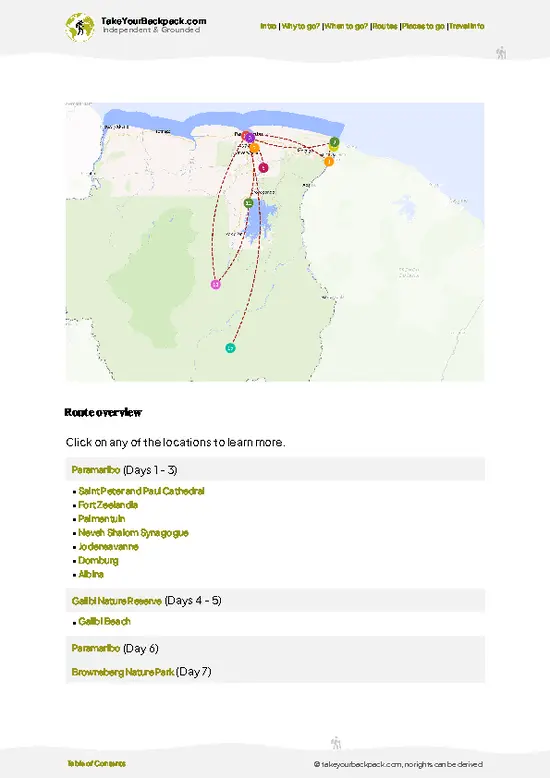
The Old Fort Zeelandia: The Real Story, Not the Postcard
Let’s get this out of the way: Fort Zeelandia is not some pristine, fairy-tale fortress. It’s a weathered, brick-and-mortar witness to Suriname’s colonial past, and it doesn’t sugarcoat a thing. You’ll walk through thick-walled cells that once held enslaved people and political prisoners. The air is heavy with history—sometimes literally, thanks to the humidity and the river just outside. This is where Suriname’s story gets real, and the museum doesn’t let you forget it. If you want a sanitized version, scroll Instagram. If you want to feel the weight of centuries, stand here and listen to the silence between the tour groups.
The Maroon and Indigenous Galleries: Culture Beyond the Cliché
Forget the tourist-brochure version of “local … read more 👉
Let’s get this out of the way: Fort Zeelandia is not some pristine, fairy-tale fortress. It’s a weathered, brick-and-mortar witness to Suriname’s colonial past, and it doesn’t sugarcoat a thing. You’ll walk through thick-walled cells that once held enslaved people and political prisoners. The air is heavy with history—sometimes literally, thanks to the humidity and the river just outside. This is where Suriname’s story gets real, and the museum doesn’t let you forget it. If you want a sanitized version, scroll Instagram. If you want to feel the weight of centuries, stand here and listen to the silence between the tour groups.
The Maroon and Indigenous Galleries: Culture Beyond the Cliché
Forget the tourist-brochure version of “local … read more 👉
The Old Fort Zeelandia: The Real Story, Not the Postcard
Let’s get this out of the way: Fort Zeelandia is not some pristine, fairy-tale fortress. It’s a weathered, brick-and-mortar witness to Suriname’s colonial past, and it doesn’t sugarcoat a thing. You’ll walk through thick-walled cells that once held enslaved people and political prisoners. The air is heavy with history—sometimes literally, thanks to the humidity and the river just outside. This is where Suriname’s story gets real, and the museum doesn’t let you forget it. If you want a sanitized version, scroll Instagram. If you want to feel the weight of centuries, stand here and listen to the silence between the tour groups.
The Maroon and Indigenous Galleries: Culture Beyond the Cliché
Forget the tourist-brochure version of “local culture.” These galleries are packed with artifacts from Suriname’s Maroon and Indigenous communities—think hand-carved drums, ceremonial masks, and everyday tools that still carry the fingerprints of their makers. The displays don’t just show off pretty objects; they tell stories of resistance, adaptation, and survival. You’ll see how people who were forced into the jungle by colonial violence built entire societies from scratch. It’s not a guilt trip, but it is a reality check—and a celebration of creativity under pressure.
The Plantation Room: Sugar, Sweat, and the Real Cost of Sweetness
This isn’t a “look at the pretty plantation house” exhibit. The Plantation Room lays out the brutal economics of sugar, coffee, and cocoa—complete with shackles, ledgers, and the tools of forced labor. It’s uncomfortable, and that’s the point. If you want to understand Suriname, you have to look this history in the eye. The museum doesn’t flinch, and neither should you.
Temporary Exhibitions: Always a Wild Card
Here’s where things get unpredictable. The Surinaams Museum rotates in contemporary art, photography, and social commentary that’s often raw, sometimes funny, and never boring. I’ve seen everything from graffiti-inspired installations to deep dives into Suriname’s LGBTQ+ history. Check what’s on before you go, but don’t skip it just because you don’t recognize the artist’s name. The temporary shows are where the museum lets its hair down and gets opinionated.
The Riverside View: Pause for Perspective
You’re not just here for the artifacts. Step outside and you’re on the banks of the Suriname River, watching cargo ships and fishing boats drift by. It’s a jarring contrast to the heaviness inside, and it’s where you’ll see locals hanging out, not just tourists. Bring a snack, sit on the old cannons, and let the city’s real rhythm sink in. This is the Suriname you won’t find in any filter.
Let’s get this out of the way: Fort Zeelandia is not some pristine, fairy-tale fortress. It’s a weathered, brick-and-mortar witness to Suriname’s colonial past, and it doesn’t sugarcoat a thing. You’ll walk through thick-walled cells that once held enslaved people and political prisoners. The air is heavy with history—sometimes literally, thanks to the humidity and the river just outside. This is where Suriname’s story gets real, and the museum doesn’t let you forget it. If you want a sanitized version, scroll Instagram. If you want to feel the weight of centuries, stand here and listen to the silence between the tour groups.
The Maroon and Indigenous Galleries: Culture Beyond the Cliché
Forget the tourist-brochure version of “local culture.” These galleries are packed with artifacts from Suriname’s Maroon and Indigenous communities—think hand-carved drums, ceremonial masks, and everyday tools that still carry the fingerprints of their makers. The displays don’t just show off pretty objects; they tell stories of resistance, adaptation, and survival. You’ll see how people who were forced into the jungle by colonial violence built entire societies from scratch. It’s not a guilt trip, but it is a reality check—and a celebration of creativity under pressure.
The Plantation Room: Sugar, Sweat, and the Real Cost of Sweetness
This isn’t a “look at the pretty plantation house” exhibit. The Plantation Room lays out the brutal economics of sugar, coffee, and cocoa—complete with shackles, ledgers, and the tools of forced labor. It’s uncomfortable, and that’s the point. If you want to understand Suriname, you have to look this history in the eye. The museum doesn’t flinch, and neither should you.
Temporary Exhibitions: Always a Wild Card
Here’s where things get unpredictable. The Surinaams Museum rotates in contemporary art, photography, and social commentary that’s often raw, sometimes funny, and never boring. I’ve seen everything from graffiti-inspired installations to deep dives into Suriname’s LGBTQ+ history. Check what’s on before you go, but don’t skip it just because you don’t recognize the artist’s name. The temporary shows are where the museum lets its hair down and gets opinionated.
The Riverside View: Pause for Perspective
You’re not just here for the artifacts. Step outside and you’re on the banks of the Suriname River, watching cargo ships and fishing boats drift by. It’s a jarring contrast to the heaviness inside, and it’s where you’ll see locals hanging out, not just tourists. Bring a snack, sit on the old cannons, and let the city’s real rhythm sink in. This is the Suriname you won’t find in any filter.
Spotted a mistake or missing something? Contact us.

Paramaribo City Tour

Full-Day Brownsberg Nature Park Tour

Bigi Pan Tourist Eco Lodge

Sunset and Dolphin Tour Suriname

Commewijne Plantation Tour

Saramacca and Coronie District Tour

Suriname Paramaribo Airport (PBM) to Paramaribo hotel - Arrival Private Transfer

Indian Roti workshop

Javanese Cooking Workshop


 Best Backpacking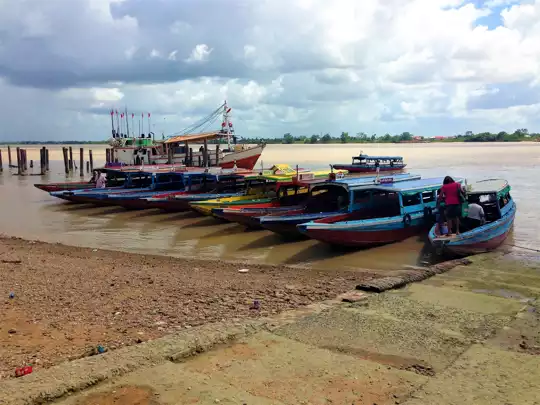
.jpg) Hi, I’m Johan (Netherlands 🇳🇱), the creator of TakeYourBackpack. Over the past 3 decades, I’ve backpacked through 90+ countries across six continents, gaining extensive experience with independent travel, long-term trips, and overland routes.
Hi, I’m Johan (Netherlands 🇳🇱), the creator of TakeYourBackpack. Over the past 3 decades, I’ve backpacked through 90+ countries across six continents, gaining extensive experience with independent travel, long-term trips, and overland routes.