v2.webp)
Falu Gruva (The Falun Mine)
The copper mine is Falun’s backbone—literally and historically. You descend into the cool, mineral-scented tunnels where the walls glitter with centuries of sweat and ambition. The scale is humbling; the silence, deep. Above ground, the ochre-red landscape feels almost Martian. This is where Sweden’s iconic red paint was born. Guided tours (in English and Swedish) run year-round, but the mine is at its atmospheric best on a drizzly day, when the air is sharp and the stories feel close. Tickets: around 250 SEK. Allow 2-3 hours for the full experience, including the museum and the open pit.
Stora Kopparbergs Kyrka (Great Copper Mountain Church)
This church is a time capsule of Falun’s rise and fall. Step inside and you’re greeted by the scent of old wood and candle … read more 👉
The copper mine is Falun’s backbone—literally and historically. You descend into the cool, mineral-scented tunnels where the walls glitter with centuries of sweat and ambition. The scale is humbling; the silence, deep. Above ground, the ochre-red landscape feels almost Martian. This is where Sweden’s iconic red paint was born. Guided tours (in English and Swedish) run year-round, but the mine is at its atmospheric best on a drizzly day, when the air is sharp and the stories feel close. Tickets: around 250 SEK. Allow 2-3 hours for the full experience, including the museum and the open pit.
Stora Kopparbergs Kyrka (Great Copper Mountain Church)
This church is a time capsule of Falun’s rise and fall. Step inside and you’re greeted by the scent of old wood and candle … read more 👉
Falu Gruva (The Falun Mine)
The copper mine is Falun’s backbone—literally and historically. You descend into the cool, mineral-scented tunnels where the walls glitter with centuries of sweat and ambition. The scale is humbling; the silence, deep. Above ground, the ochre-red landscape feels almost Martian. This is where Sweden’s iconic red paint was born. Guided tours (in English and Swedish) run year-round, but the mine is at its atmospheric best on a drizzly day, when the air is sharp and the stories feel close. Tickets: around 250 SEK. Allow 2-3 hours for the full experience, including the museum and the open pit.
Stora Kopparbergs Kyrka (Great Copper Mountain Church)
This church is a time capsule of Falun’s rise and fall. Step inside and you’re greeted by the scent of old wood and candle wax, with sunlight filtering through medieval stained glass. The church’s treasures—carved altarpieces, miners’ memorials—tell the story of a town built on risk and faith. Free entry. Best visited on a quiet morning when the only sounds are your footsteps and the echo of centuries. 30-45 minutes is enough for most, but linger if you love details.
Gamla Staberg Manor and Gardens
A short cycle or bus ride from the center, but still within Falun’s official boundaries, Staberg is a living lesson in Swedish baroque ambition. The manor’s ochre façade glows in late afternoon light, and the formal gardens—geometric, fragrant, buzzing with bees—are a delight in summer. Entry to the gardens is free; the manor house is open for guided tours in summer (about 100 SEK). Visit June-August for peak blooms. Plan for 1-2 hours, plus a fika in the garden café.
Dalarnas Museum
If you want to decode the region’s soul, this is your Rosetta Stone. The museum’s exhibits are tactile: painted wooden horses, folk costumes, and artifacts that smell faintly of pine and history. It’s compact but dense with stories. Free entry. Rainy afternoons are perfect—let the exhibits fill in the gaps between what you see outside. 1-1.5 hours is plenty.
Faluån Riverside Walk
This is Falun’s slow-burn highlight. The river path winds past old miners’ cottages, rust-red warehouses, and willow trees that dip their branches in the water. Early morning, the mist hangs low and the town feels like it’s holding its breath. In summer, locals picnic on the banks; in autumn, the air is sharp with the scent of fallen leaves. Free, open access. Walk as long or as little as you like—an hour is enough to soak up the atmosphere.
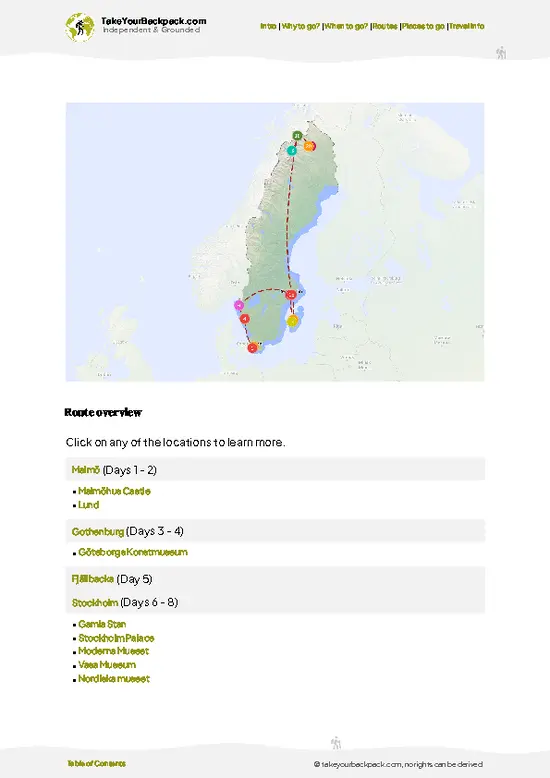
For day trips, the lakeside village of Sundborn (Carl Larsson-gården), the ski slopes of Lugnet, and the wild forests of Falu Vildmark are all close by—Sundborn, with its storybook artist’s home, is my personal favorite for a dose of Swedish color and calm.
The copper mine is Falun’s backbone—literally and historically. You descend into the cool, mineral-scented tunnels where the walls glitter with centuries of sweat and ambition. The scale is humbling; the silence, deep. Above ground, the ochre-red landscape feels almost Martian. This is where Sweden’s iconic red paint was born. Guided tours (in English and Swedish) run year-round, but the mine is at its atmospheric best on a drizzly day, when the air is sharp and the stories feel close. Tickets: around 250 SEK. Allow 2-3 hours for the full experience, including the museum and the open pit.
Stora Kopparbergs Kyrka (Great Copper Mountain Church)
This church is a time capsule of Falun’s rise and fall. Step inside and you’re greeted by the scent of old wood and candle wax, with sunlight filtering through medieval stained glass. The church’s treasures—carved altarpieces, miners’ memorials—tell the story of a town built on risk and faith. Free entry. Best visited on a quiet morning when the only sounds are your footsteps and the echo of centuries. 30-45 minutes is enough for most, but linger if you love details.
Gamla Staberg Manor and Gardens
A short cycle or bus ride from the center, but still within Falun’s official boundaries, Staberg is a living lesson in Swedish baroque ambition. The manor’s ochre façade glows in late afternoon light, and the formal gardens—geometric, fragrant, buzzing with bees—are a delight in summer. Entry to the gardens is free; the manor house is open for guided tours in summer (about 100 SEK). Visit June-August for peak blooms. Plan for 1-2 hours, plus a fika in the garden café.
Dalarnas Museum
If you want to decode the region’s soul, this is your Rosetta Stone. The museum’s exhibits are tactile: painted wooden horses, folk costumes, and artifacts that smell faintly of pine and history. It’s compact but dense with stories. Free entry. Rainy afternoons are perfect—let the exhibits fill in the gaps between what you see outside. 1-1.5 hours is plenty.
Faluån Riverside Walk
This is Falun’s slow-burn highlight. The river path winds past old miners’ cottages, rust-red warehouses, and willow trees that dip their branches in the water. Early morning, the mist hangs low and the town feels like it’s holding its breath. In summer, locals picnic on the banks; in autumn, the air is sharp with the scent of fallen leaves. Free, open access. Walk as long or as little as you like—an hour is enough to soak up the atmosphere.
For day trips, the lakeside village of Sundborn (Carl Larsson-gården), the ski slopes of Lugnet, and the wild forests of Falu Vildmark are all close by—Sundborn, with its storybook artist’s home, is my personal favorite for a dose of Swedish color and calm.
Spotted a mistake or missing something? Contact us.

 Best Backpacking
.jpg) Hi, I’m Johan (Netherlands 🇳🇱), the creator of TakeYourBackpack. Over the past 3 decades, I’ve backpacked through 90+ countries across six continents, gaining extensive experience with independent travel, long-term trips, and overland routes.
Hi, I’m Johan (Netherlands 🇳🇱), the creator of TakeYourBackpack. Over the past 3 decades, I’ve backpacked through 90+ countries across six continents, gaining extensive experience with independent travel, long-term trips, and overland routes.