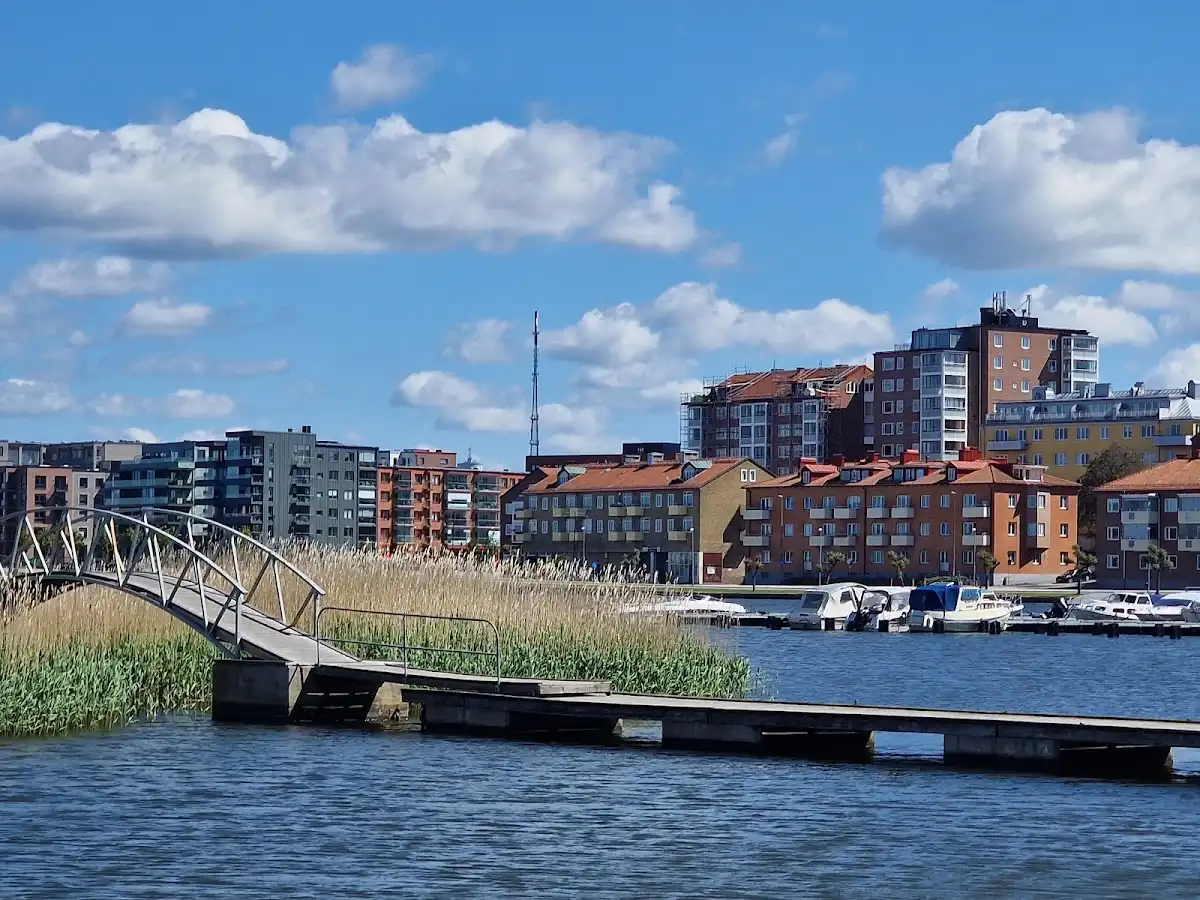
How Many Towns: Three to five towns suits a trip of one to two weeks. That number gives enough variety to see different regions while leaving time for the walks, ferries and lakeside stops that make small towns worth visiting. Beyond five, travelers spend more on transit than on places, and rail fares in Sweden rise if booked late.
Which Kinds to Prioritize: Travelers with limited time and a moderate budget get the most from
southern and west coast towns: they are close together, well connected and cheaper to reach. Those interested in history and design should favor
old trading and mining towns in the central belt, where preserved districts and industrial heritage sites are compact. Hikers and people who want quiet should choose
inland and northern towns, accepting longer journeys and fewer …
read more 👉 How Many Towns: Three to five towns suits a trip of one to two weeks. That number gives enough variety to see different regions while leaving time for the walks, ferries and lakeside stops that make small towns worth visiting. Beyond five, travelers spend more on transit than on places, and rail fares in Sweden rise if booked late.
Which Kinds to Prioritize: Travelers with limited time and a moderate budget get the most from southern and west coast towns: they are close together, well connected and cheaper to reach. Those interested in history and design should favor old trading and mining towns in the central belt, where preserved districts and industrial heritage sites are compact. Hikers and people who want quiet should choose inland and northern towns, accepting longer journeys and fewer services. Island and archipelago towns look good in summer but cost more and need ferry planning.
What It Costs: Expect US$80 to 130 a day (roughly 850 to 1,400 SEK) on a careful backpacker budget. A hostel bed typically runs 300 to 500 SEK (US$28 to 47), a basic lunch deal (dagens lunch) 110 to 150 SEK (US$10 to 14), and a regional train ticket 100 to 400 SEK (US$9 to 38) depending on distance and how early it is booked. Museums usually charge 100 to 200 SEK (US$9 to 19), though many state museums are free. Self-catering from supermarkets such as ICA, Coop or Willys cuts food costs by about half, and free camping under allemansrätten removes the largest line of expense where it fits the trip. For a visit to one town, plan on 600 to 1,000 SEK (US$56 to 94) excluding lodging.
Safety and Local Norms: Sweden is safe for solo and group travelers, with low violent crime in small towns. Pickpocketing exists around stations and busy summer events, so basic care is enough. Cash is rarely accepted, so carry a card that works with contactless payment. Queue calmly, keep noise down in residential areas at night, and take your shoes off when invited into a home. Alcohol above 3.5 percent is sold only through Systembolaget, which closes early on Saturdays and all day Sunday. In the countryside, ticks are common from spring to autumn, so check skin after walking in long grass, and moose on rural roads are a real hazard at dusk if you hire a car.



 Best Backpacking
 Hi, I’m Johan (Netherlands 🇳🇱), the creator of TakeYourBackpack. Over the past 3 decades, I’ve backpacked through 90+ countries across six continents, gaining extensive experience with independent travel, long-term trips, and overland routes.