×

Switzerland🇨🇭 | landmarksAlpe di Pioramountain dairy, alpine pastures, cheese cellars | things to do and best time to go

Explore Rhine FallsExplore Sustenpass

Backpacking in Alpe di Piora
👀 For curious travelersunique site ranked #14
By Johan Kruseman 🇳🇱 | Updated October 15, 2026

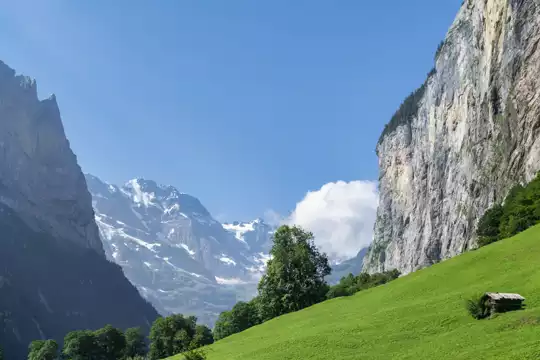
Most people only realize on the way back down that Rocca di Piora is basically a free front-row balcony over one of Switzerland’s most dramatic lake basins, without the Zermatt price tag. It sits above Lago Ritom in the Piora Valley, in Ticino, southern Switzerland, reached from the Ritom funicular near Piotta. As a backpacker target, it’s raw and honest: big alpine views, ibex if you’re lucky, and space to breathe. The wow-factor is real, the crowds are light, and the cost stays sane, but the climb is steep, weather turns fast, and there’s zero “curated” comfort—just you, rock, and sky.

Discover everything you want to know in the 📖 Switzerland Travel Guide.


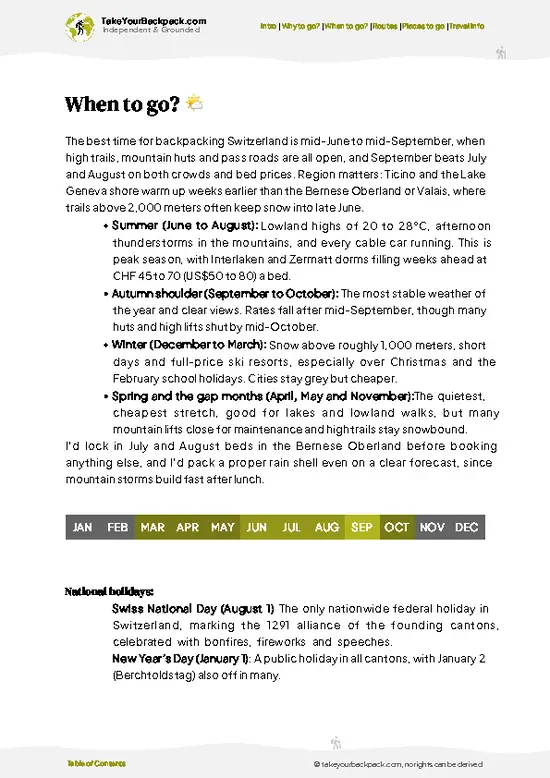
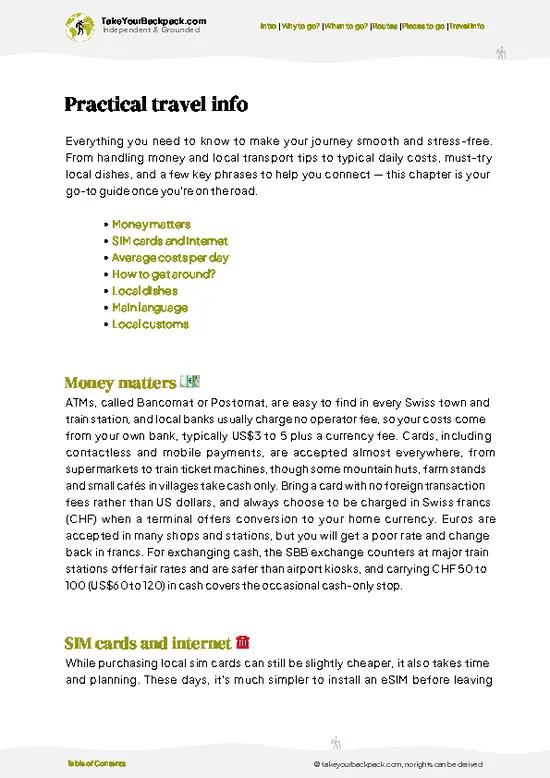
example page 0 from our offline Travel Guide for Switzerland
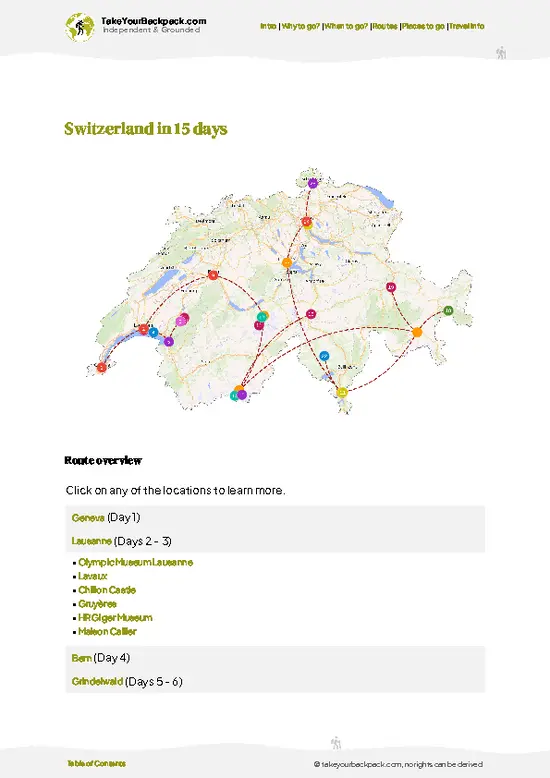
example page 1 from our offline Travel Guide for Switzerland
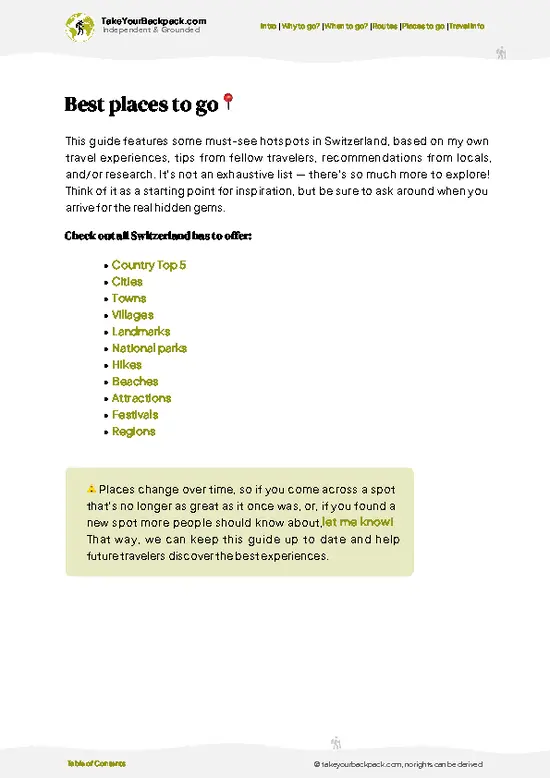
example page 2 from our offline Travel Guide for Switzerland
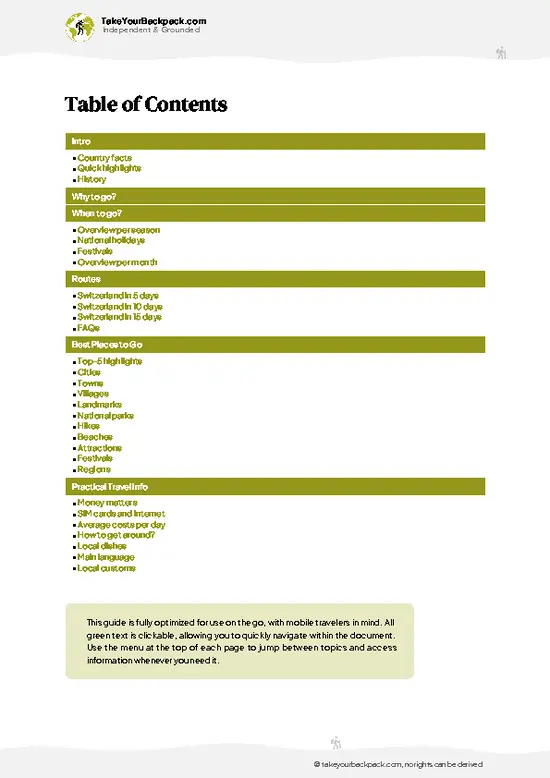
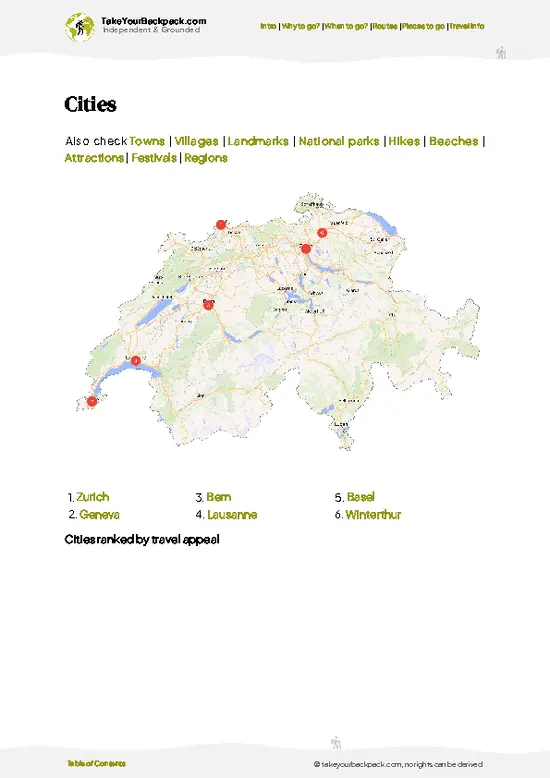
example page 3 from our offline Travel Guide for Switzerland
example page 4 from our offline Travel Guide for Switzerland
example page 5 from our offline Travel Guide for Switzerland
example page 6 from our offline Travel Guide for Switzerland
example page 7 from our offline Travel Guide for Switzerland
Loading the map 🌍
CLICK TO FILTER
cities
towns
villages
landmarks
national parks
hikes
beaches
attractions
festivals
regions
SHOW COUNTRY’S BESTSHOW ALL

✨ Why go?
Ranked #14 unique site in Switzerland
Why Alpe di Piora should be on your travel list

Rocca di Piora isn’t just another stop; it’s a backpacker’s treasure. Sure, you’ll encounter crowds, especially in peak season, but that’s part of the experience. The views? Absolutely worth it. You’ll see the Alps stretching endlessly, and the crystal-clear lakes below are postcard-perfect.

What sets Rocca di Piora apart is its accessibility. A short hike gets you there, making it a perfect fit in a broader route through the Ticino region. Pair it with a visit to nearby Valle di Blenio for a day of stunning landscapes without breaking the bank.

Costs are low, especially if you pack your own lunch. The real magic lies in the authenticity of the experience—this isn’t just a photo op; it’s a chance to connect with nature and fellow travelers.

💡 HighlightsKey sights and experiences for travelers

  • Summit panoramic viewpoint — The ridge feels like a natural balcony: wide, uninterrupted views over the surrounding alpine bowls and valleys. On a clear day you can pick out distant peaks and watch weather move in — great for orientation and for when you want a quiet place to sit and stare.
  • Craggy rock formations — The exposed cliffs and ledges give Rocca di Piora its fortress vibe. They make for dramatic photos, easy short scrambles and a real sense of geological texture that’s different from the soft, grassy passes nearby.
  • Alpine meadows and seasonal flowers — In summer the slopes light up with alpine wildflowers and scented grasses. It’s small-scale botany heaven: colors, pollinators, and carpets of bloom that change week by week.
  • Old alpage huts and pastoral culture — Scattered stone
… read more 👉
  • Summit panoramic viewpoint — The ridge feels like a natural balcony: wide, uninterrupted views over the surrounding alpine bowls and valleys. On a clear day you can pick out distant peaks and watch weather move in — great for orientation and for when you want a quiet place to sit and stare.
  • Craggy rock formations — The exposed cliffs and ledges give Rocca di Piora its fortress vibe. They make for dramatic photos, easy short scrambles and a real sense of geological texture that’s different from the soft, grassy passes nearby.
  • Alpine meadows and seasonal flowers — In summer the slopes light up with alpine wildflowers and scented grasses. It’s small-scale botany heaven: colors, pollinators, and carpets of bloom that change week by week.
  • Old alpage huts and pastoral culture — Scattered stone huts and traces of seasonal grazing capture the traditional mountain way of life. You’ll see the landscape shaped by people as much as by nature — and, if you’re lucky, local shepherding activity still happening in season.
  • Birds and mountain wildlife — Cliff edges and quiet scree attract raptors, while marmots and occasional chamois use the meadows and ledges. It’s a concentrated spot for spotting alpine wildlife without having to bushwhack for miles.
  • Golden hour and photography spots — The angles of the rock and open views make sunrise and sunset especially rewarding. Light drops into the valleys in layers, so bring a small tripod if you care about photos (or just enjoy the show with a snack).
  • Access to longer hikes and circuits — Rocca di Piora makes a useful high-point on multi-hour circuits across the plateau and neighboring passes. It’s both a destination and a perfect midway reward on longer days — good for packing lunch and pressing on.
Spotted a mistake or missing something? Contact us.

Things to do near Alpe di Piora

Ratings based on Tripadvisor reviews. When you book through this link, you support our work at no extra cost to you.

🌤️ When to go?Weather, crowds, and seasonal trade-offs

  • Weather: Summer (June to September) is your best bet. Expect mild, stable weather with highs around 20-25°C (68-77°F). Winters are brutal, often below freezing, and the trails get buried under snow.
  • Temperature: Spring and fall can be unpredictable—think chilly mornings near 5°C (41°F) and afternoons warming to 15°C (59°F). Pack layers or risk freezing or sweating.
  • Daylight Hours: Peak summer offers long days, up to 15 hours of light, giving you more time to explore without rushing. Winter days shrink to 8 hours, cutting your hiking window in half.
  • Crowds: Summer draws the most visitors, especially weekends. If you want solitude, aim for early June or late September when the crowds thin but the weather still cooperates.
  • Seasonal Activities: Summer is prime for hiking and swimming in
… read more 👉
  • Weather: Summer (June to September) is your best bet. Expect mild, stable weather with highs around 20-25°C (68-77°F). Winters are brutal, often below freezing, and the trails get buried under snow.
  • Temperature: Spring and fall can be unpredictable—think chilly mornings near 5°C (41°F) and afternoons warming to 15°C (59°F). Pack layers or risk freezing or sweating.
  • Daylight Hours: Peak summer offers long days, up to 15 hours of light, giving you more time to explore without rushing. Winter days shrink to 8 hours, cutting your hiking window in half.
  • Crowds: Summer draws the most visitors, especially weekends. If you want solitude, aim for early June or late September when the crowds thin but the weather still cooperates.
  • Seasonal Activities: Summer is prime for hiking and swimming in alpine lakes. Winter turns the area into a snowshoe and ski playground, but access to some trails is limited.
  • Price Fluctuations: Accommodation and transport costs spike in summer. Off-season rates in spring and fall can be 20-30% cheaper, but some services might be limited or closed.
Pro-tip: Visit just before the high season kicks in—late May or early June—when the wildflowers bloom, the trails are quiet, and you dodge the tourist rush without sacrificing good weather.


source: climatestotravel.comJANJanuary: below average for travelingFEBFebruary: below average for travelingMARMarch: fair for travelingAPRApril: good for travelingMAYMay: highly recommended for travelingJUNJune: excellent for travelingJULJuly: excellent for travelingAUGAugust: excellent for travelingSEPSeptember: highly recommended for travelingOCTOctober: good for travelingNOVNovember: fair for travelingDECDecember: below average for traveling
when-to-go

✈️ The backpacker research shortcutSwitzerland Travel Guide

An offline-friendly backpacking guide with optimized travel routes, ranked highlights, transport advice, and the best areas to stay.
example page 0 from our offline Travel Guide for Switzerland
example page 1 from our offline Travel Guide for Switzerland
example page 2 from our offline Travel Guide for Switzerland
example page 3 from our offline Travel Guide for Switzerland
example page 4 from our offline Travel Guide for Switzerland
example page 5 from our offline Travel Guide for Switzerland
example page 6 from our offline Travel Guide for Switzerland
example page 7 from our offline Travel Guide for Switzerland
The digital guide (432 pages) contains:
✅ 117 highlights, ranked by travel appeal
✅ Optimized 5, 10 & 15-day travel routes
✅ Cities, national parks, landmarks, beaches
✅ How to get around
✅ Offline-friendly for travel without Wi-Fi
👉 Click to see all 30+ guide features

📅 Plan smarter in minutes, not weeks
✅ Month by month travel advice
✅ Festivals & national holidays
✅ Budget expectations

🗺️ Go to the right places, skip the overrated ones
✅ Honest pros & cons of destinations
✅ Top hikes, parks & viewpoints
✅ Lesser-known places most travelers miss
✅ Clear “worth it vs skip it” guidance

🛏️ Travel smoothly without rookie mistakes
✅ Best areas to stay
✅ Transport systems explained simply
✅ Common scams & safety advice
✅ SIM cards, money & practical tips

🌍 Understand the country, not just visit it
✅ Culture & traditions
✅ 52 Essential phrases & customs
✅ Festivals worth planning around
✅ Traveler-friendly historical context
✅ Insights that make places more meaningful

📱 Built for real travel conditions
✅ Fully downloadable PDF
✅ Works completely offline
✅ Optimized for phone use
✅ Useful in remote areas & buses
✅ Everything in one place
Stop searching, start planning
Get instant access to your full guide. 30‑day money-back guarantee.
+ Add another guide for just

By proceeding you agree to our terms.
Sent to your inbox immediately after payment • 100% Secure Checkout
Best Backpacking Travel Advisor 2025 tourism awardBest Backpacking
Travel Advisor
2025
What others say about Take Your Backpack Guides:
⭐⭐⭐⭐⭐
Fantastic, amazing amount of information!
⭐⭐⭐⭐⭐
My goodness this is amazing, it's what I've been looking for hats off too you!
⭐⭐⭐⭐⭐
I think this is absolutely BRILLIANT
⭐⭐⭐⭐
Very complete and informative. It's still missing places, but I gotta to commend you
⭐⭐⭐⭐⭐
This is truly amazing, thank you, can't wait to explore it with my kids!
⭐⭐⭐⭐⭐
Awesome resource, thank you!
⭐⭐⭐⭐⭐
This is amazing! Can't wait to explore the ones I haven't seen
⭐⭐⭐⭐
I love this! Well done, great idea.
⭐⭐⭐⭐⭐
Thanks for taking the time to make this gem!
⭐⭐⭐⭐⭐
This might be the best website I've ever seen.
⭐⭐⭐⭐⭐
Congratulations, and thank you so much for your work; it's incredibly valuable.
⭐⭐⭐⭐
In all seriousness I think you did a great job pointing out the important spots
⭐⭐⭐⭐⭐
10/10 very good
⭐⭐⭐⭐⭐
As someone who's only just starting to visit regularly this is awesome, thank you.
⭐⭐⭐⭐
Thank you very much! I'm going to visit my dad, it's going to be very useful!
⭐⭐⭐⭐⭐
This is really cool! We'll be travelling for the first time and this definitely come in handy.
⭐⭐⭐⭐⭐
You are now our minister of culture, congratulations 👨‍💼
⭐⭐⭐⭐⭐
Just wanted to tell you that this is a pearl! Going to follow your recommendations.
⭐⭐⭐⭐⭐
This is so cool. I'll definitely be using the resource for my travels soon.
⭐⭐⭐⭐⭐
This is very impressive! Good work.
⭐⭐⭐⭐⭐
This is an amazing and informative site. Very well done!

🛏️ Where to stay?Best areas to stay in Switzerland

Staying near Rocca di Piora? You’ll want to set up camp in the charming village of Piora itself. It’s small, but it’s got a community vibe that’s perfect for solo backpackers and budget travelers. You’ll find cozy guesthouses and shared lodgings where you can swap stories over breakfast.

If you’re looking for a bit more action, head to Airolo. It’s a short bus ride away and offers a lively atmosphere with more options for socializing. The local bars and eateries are great for mingling with fellow adventurers.

Both areas are safe and welcoming, with easy access to hiking trails and stunning … read more 👉
Staying near Rocca di Piora? You’ll want to set up camp in the charming village of Piora itself. It’s small, but it’s got a community vibe that’s perfect for solo backpackers and budget travelers. You’ll find cozy guesthouses and shared lodgings where you can swap stories over breakfast.

If you’re looking for a bit more action, head to Airolo. It’s a short bus ride away and offers a lively atmosphere with more options for socializing. The local bars and eateries are great for mingling with fellow adventurers.

Both areas are safe and welcoming, with easy access to hiking trails and stunning views. Just remember, the crowds can swell during peak season, so plan accordingly. Embrace the authentic Swiss experience, and don’t miss the chance to connect with locals who know the real magic of this place.

👛 Costs (as of 15 October 2026)What things cost and how to budget

Visiting Rocca di Piora is a unique experience, but it comes with its own set of costs. Here’s a breakdown to help you plan your adventure without breaking the bank.
  • Accommodation: Expect to pay between €80 to €150 per night for a basic hotel or guesthouse. Prices can spike during peak season, so booking in advance is wise. If you’re feeling adventurous, consider camping nearby for around €10 to €20 per night.
  • Food: Dining options vary. A meal at a local restaurant will set you back about €15 to €30. If you’re on a budget, grab some groceries and cook for yourself; a week’s worth of supplies might cost around €40 to €60.
  • Transportation: If you’re driving, factor in fuel costs, which can be around €1.50 per liter. Public transport is reliable; a round-trip train ticket from nearby towns can range
… read more 👉
Visiting Rocca di Piora is a unique experience, but it comes with its own set of costs. Here’s a breakdown to help you plan your adventure without breaking the bank.
  • Accommodation: Expect to pay between €80 to €150 per night for a basic hotel or guesthouse. Prices can spike during peak season, so booking in advance is wise. If you’re feeling adventurous, consider camping nearby for around €10 to €20 per night.
  • Food: Dining options vary. A meal at a local restaurant will set you back about €15 to €30. If you’re on a budget, grab some groceries and cook for yourself; a week’s worth of supplies might cost around €40 to €60.
  • Transportation: If you’re driving, factor in fuel costs, which can be around €1.50 per liter. Public transport is reliable; a round-trip train ticket from nearby towns can range from €10 to €30, depending on distance.
  • Activities: Access to hiking trails is generally free, but guided tours can cost between €30 to €100, depending on the length and inclusions. If you’re into skiing, lift passes can range from €50 to €70 per day.
  • Miscellaneous: Don’t forget about souvenirs or unexpected expenses. Budget an extra €20 to €50 for this, just to be safe.

Understanding these costs will help you enjoy the real magic of Rocca di Piora without any financial surprises.


source: myswitzerland.com
⚠️ Prices can change and everyone travels differently, so take this as a rough guide. Hope it helps you plan your adventure!

FAQTraveler FAQ

Rocca di Piora is a mountain peak in the Swiss Alps, known for its scenic views and hiking trails. It is located in the canton of Ticino and is popular among backpackers and nature enthusiasts.
Visiting Rocca di Piora typically requires 4 to 6 hours for a round-trip hike, depending on your pace and starting point. Plan for a half-day excursion to fully enjoy the area and take breaks.
You can reach Rocca di Piora by taking a train to the town of Faido, followed by a local bus or taxi to the trailhead. The hike starts from the village of Piora, which is accessible by road from Faido.
⚠️ Things can change over time, so always validate details locally before you go.

Other Swiss landmarks near Alpe di Piora

Explore more nearby:

  • Gotthard Pass—historic route, alpine tunnels, cobblestone road| 12 km away
  • Sustenpass—glacier views, switchback roads, high-altitude tunnels| 29 km away
  • Trümmelbach Falls—glacial meltwater, inside-the-mountain cascades, spiral stairs| 61 km away

💡 Not sure where to go next?
Create a personalized itinerary for Switzerland including Alpe di Piora and the places that fit your trip.

Generate my itinerary

👉 Discover all landmarks

Or checkout all Switzerland has to offer (think cities, towns, villages, national parks, hikes, beaches, festivals)
Country photo of Switzerland

We 💚 feedbackParting advice and final tips

Rocca di Piora is a slice of raw Swiss beauty, where the air is crisp and the views are jaw-dropping. But let’s be real: it can get crowded, especially in peak season, and the prices for food and lodging can sting. Still, if you crave authentic alpine vibes and a chance to disconnect, this place is worth every franc.

✈️ When did I visit Switzerland?
Being so close to my home country, and me loving mountains, I have visited Switzerland many times in my childhood during summer holidays for hiking in the Alps. One of the most beautiful countries in the world, though expensive.

✍️ Help improve this page!
The information on this page is based on my own backpacking experience in Switzerland, supplemented with up-to-date research and feedback from other travelers. Travel details can change, so if you notice anything outdated or incomplete, feel free to let me know.


🙋‍♂️ Give feedback

👋 Meet the founderWho’s Behind Take Your Backpack?

Johan, backpacker and founder of TakeYourBackpackHi, I’m Johan (Netherlands 🇳🇱), the creator of TakeYourBackpack. Over the past 3 decades, I’ve backpacked through 90+ countries across six continents, gaining extensive experience with independent travel, long-term trips, and overland routes.

This site is built on a combination of firsthand travel experience and carefully curated insights from other backpackers. Many guides are based on places I’ve personally visited, while others bring together tips, observations, and practical advice shared by trusted travelers I’ve met along the way.

The goal is to provide realistic, experience-driven guidance — not generic itineraries — so you can explore destinations with better context, clearer expectations, and more confidence.