×

Switzerland🇨🇭 | best landmarksThe Must-See 10 landmarks in Switzerland

Switzerland is a treasure trove of unique sites that reflect its rich cultural, historical, and natural tapestry. These sites vary dramatically across regions, from the majestic Alps to the serene lakeside villages, each offering distinct experiences that cater to different backpacking styles. Understanding the seasonal nuances is crucial; for instance, summer hikes unveil vibrant wildflowers, while winter transforms landscapes into snowy wonderlands. Choosing the right site impacts your vibe, budget, and safety. Opt for lesser-known locales to immerse yourself in local culture, or visit iconic spots for their sheer wow factor. Each choice shapes your journey, making it essential to navigate these options wisely.

By Johan Kruseman 🇳🇱 | Updated September 5, 2026
Explore the best national parks in Switzerland

Why go?Why Travelers Love These Spots

Switzerland’s unique sites stand out due to their cultural, historical, and natural significance. The country’s rich tapestry of multilingual heritage—German, French, Italian, and Romansh—creates a diverse cultural landscape that is reflected in its architecture, festivals, and culinary traditions. This diversity offers travelers a chance to experience a blend of influences that is rare in other nations.

Geographically, Switzerland’s alpine terrain shapes its unique sites. The dramatic mountains, pristine lakes, and lush valleys are not just visually stunning; they also serve as historical crossroads for trade and migration. This mountainous backdrop influences accessibility, often requiring travelers to navigate winding roads or rely on efficient public transport. While this can be a barrier, … read more 👉
Switzerland’s unique sites stand out due to their cultural, historical, and natural significance. The country’s rich tapestry of multilingual heritage—German, French, Italian, and Romansh—creates a diverse cultural landscape that is reflected in its architecture, festivals, and culinary traditions. This diversity offers travelers a chance to experience a blend of influences that is rare in other nations.

Geographically, Switzerland’s alpine terrain shapes its unique sites. The dramatic mountains, pristine lakes, and lush valleys are not just visually stunning; they also serve as historical crossroads for trade and migration. This mountainous backdrop influences accessibility, often requiring travelers to navigate winding roads or rely on efficient public transport. While this can be a barrier, it also enhances the immersive experience, allowing for deeper exploration of the local culture and environment.

However, timing is crucial. Peak visitor periods can lead to crowded sites, diminishing the experience. Off-peak travel can unlock a more intimate connection with the landscape and its history, but it may also limit access to certain attractions. Understanding these trade-offs—between accessibility and depth of exploration—empowers travelers to make informed choices, ensuring that their journey through Switzerland is not just a visit, but a meaningful engagement with its unique essence.
Why These Made the Cut
The list of best unique sites in Switzerland is created based on history or culture, wow factor, atmosphere, quirks, and memorability. If you feel a unique site is missing in this list, please let us know.

When to go?Optimal Periods for Travel

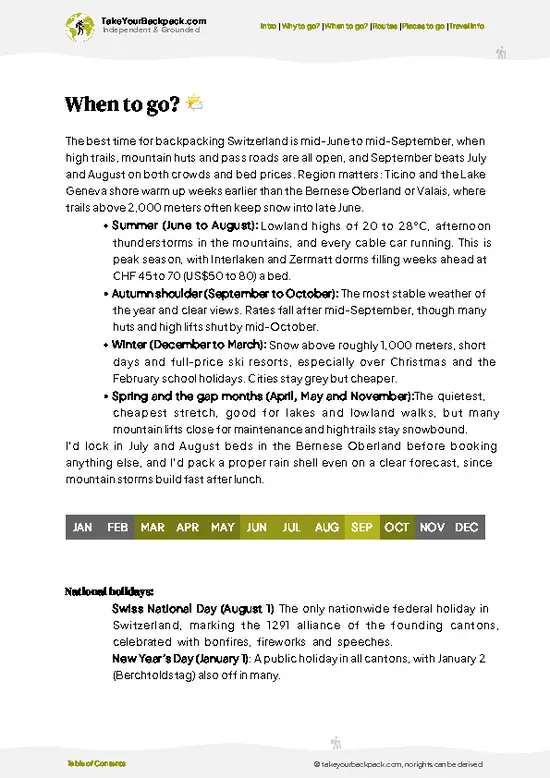
Seasonality plays a crucial role in experiencing unique sites across Switzerland. The country’s varied climate means that conditions can shift dramatically from one season to the next. Winter, with its snow-covered landscapes, is ideal for winter sports enthusiasts but can limit access to certain sites due to snow and ice. Conversely, summer offers lush greenery and clear skies, making it perfect for hiking and outdoor exploration, yet it also attracts larger crowds.

Optimal months for visiting generally fall between late spring and early autumn. This period allows for milder weather and the blooming of wildflowers, enhancing the visual appeal of many sites. However, the shoulder seasons—spring and fall—can provide a more intimate experience. Fewer tourists mean less crowded sites, but travelers … read more 👉
Seasonality plays a crucial role in experiencing unique sites across Switzerland. The country’s varied climate means that conditions can shift dramatically from one season to the next. Winter, with its snow-covered landscapes, is ideal for winter sports enthusiasts but can limit access to certain sites due to snow and ice. Conversely, summer offers lush greenery and clear skies, making it perfect for hiking and outdoor exploration, yet it also attracts larger crowds.

Optimal months for visiting generally fall between late spring and early autumn. This period allows for milder weather and the blooming of wildflowers, enhancing the visual appeal of many sites. However, the shoulder seasons—spring and fall—can provide a more intimate experience. Fewer tourists mean less crowded sites, but travelers should be prepared for unpredictable weather, including rain or cooler temperatures.

Peak periods often coincide with school holidays and major festivals, which can lead to increased prices and crowded conditions. Planning visits during off-peak times can yield significant savings and a more relaxed atmosphere.

Seasonal constraints must also be considered. Some sites may have limited access in winter or may require advance reservations during peak summer months. Understanding these patterns allows for a more strategic approach to planning, ensuring a smoother and more rewarding experience.

unique site hoppingSuggested Travel Strategies

General Routing Logic

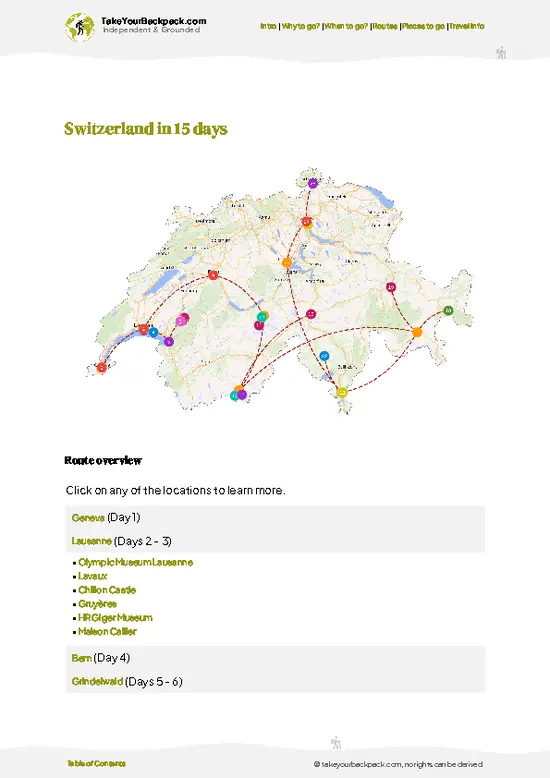
Switzerland’s unique sites can be efficiently combined by clustering them regionally. Start in the north, where cities like Zurich and Lucerne offer cultural depth and stunning lakes. Then, head south to the Italian-speaking Ticino region for a taste of Mediterranean flair. This directional flow minimizes backtracking, saving both time and energy.

Typical Time Needed

Plan for at least two to three hours at each major site. This allows for exploration without feeling rushed. For smaller attractions, one hour may suffice. Grouping sites by proximity can help maintain a realistic pace, ensuring that travelers can savor each experience without the pressure of a ticking clock.

Common Planning Mistakes

One frequent error is overloading the itinerary. Attempting to squeeze … read more 👉

General Routing Logic

Switzerland’s unique sites can be efficiently combined by clustering them regionally. Start in the north, where cities like Zurich and Lucerne offer cultural depth and stunning lakes. Then, head south to the Italian-speaking Ticino region for a taste of Mediterranean flair. This directional flow minimizes backtracking, saving both time and energy.

Typical Time Needed

Plan for at least two to three hours at each major site. This allows for exploration without feeling rushed. For smaller attractions, one hour may suffice. Grouping sites by proximity can help maintain a realistic pace, ensuring that travelers can savor each experience without the pressure of a ticking clock.

Common Planning Mistakes

One frequent error is overloading the itinerary. Attempting to squeeze in too many stops leads to fatigue and missed opportunities for deeper engagement. Prioritize quality over quantity; a few well-chosen sites will yield a richer experience than a rushed checklist.

Trade-offs and Constraints

Consider the balance between speed and depth. Quick visits may save time but can diminish the overall experience. Budget constraints also play a role; some unique sites may require entry fees or guided tours. Flexibility is key; allow for spontaneous detours that might enhance the journey. Strategic planning transforms logistics into a rewarding adventure, making the most of Switzerland’s diverse offerings.

The ListMust-Visit landmarks in Switzerland

1 Matterhorn

iconic peak, glacial slopes, alpine skyline

Stand beneath a sharply defined summit, surrounded by glaciers and ever-changing light, as climbers and hikers test their limits.

Italy&Switzerland - Matterhorn

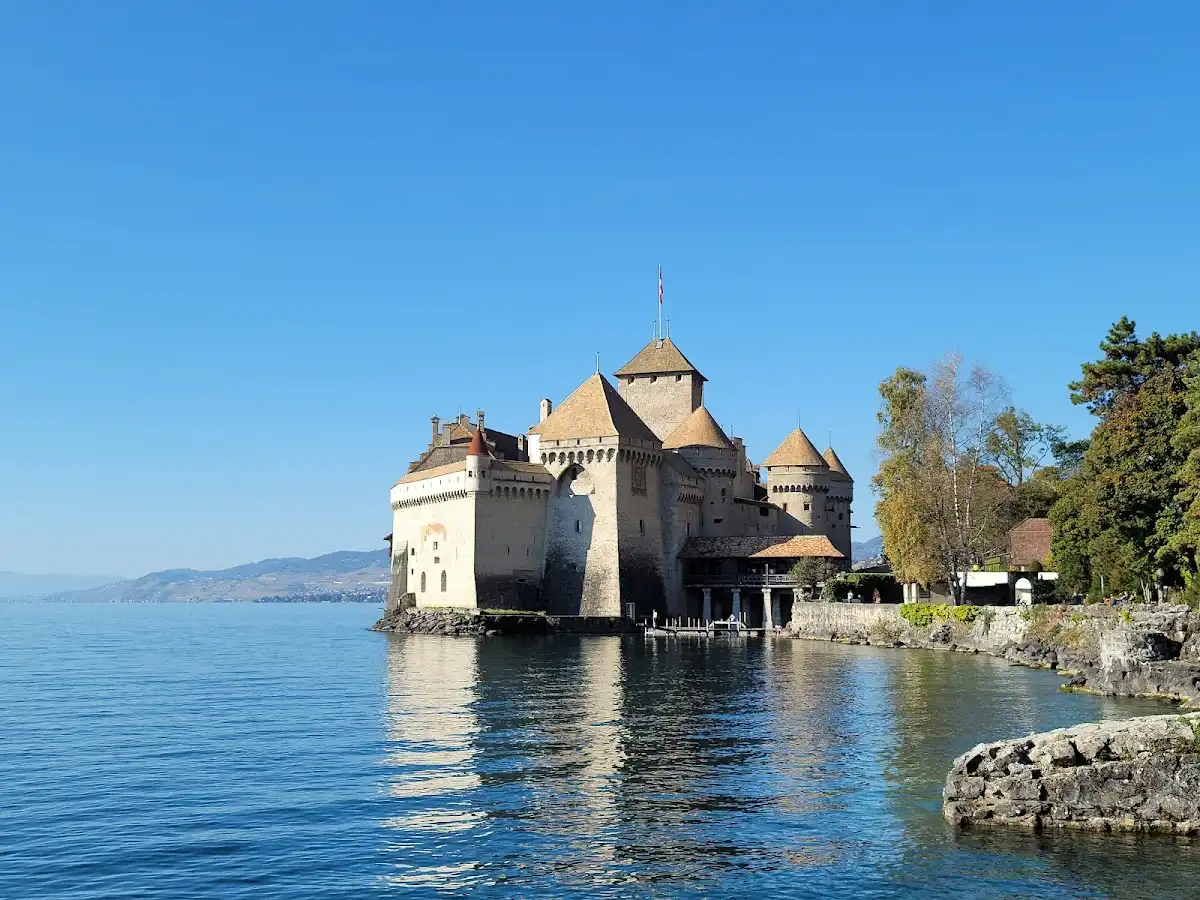
2 Chillon Castle

lakeside fortress, medieval halls, dungeons

Trace the edge of Lake Geneva through stone corridors, discovering hidden chambers and battlements with panoramic views of water and peaks.

switzerland-unique-site-chillon-castle
© Google |

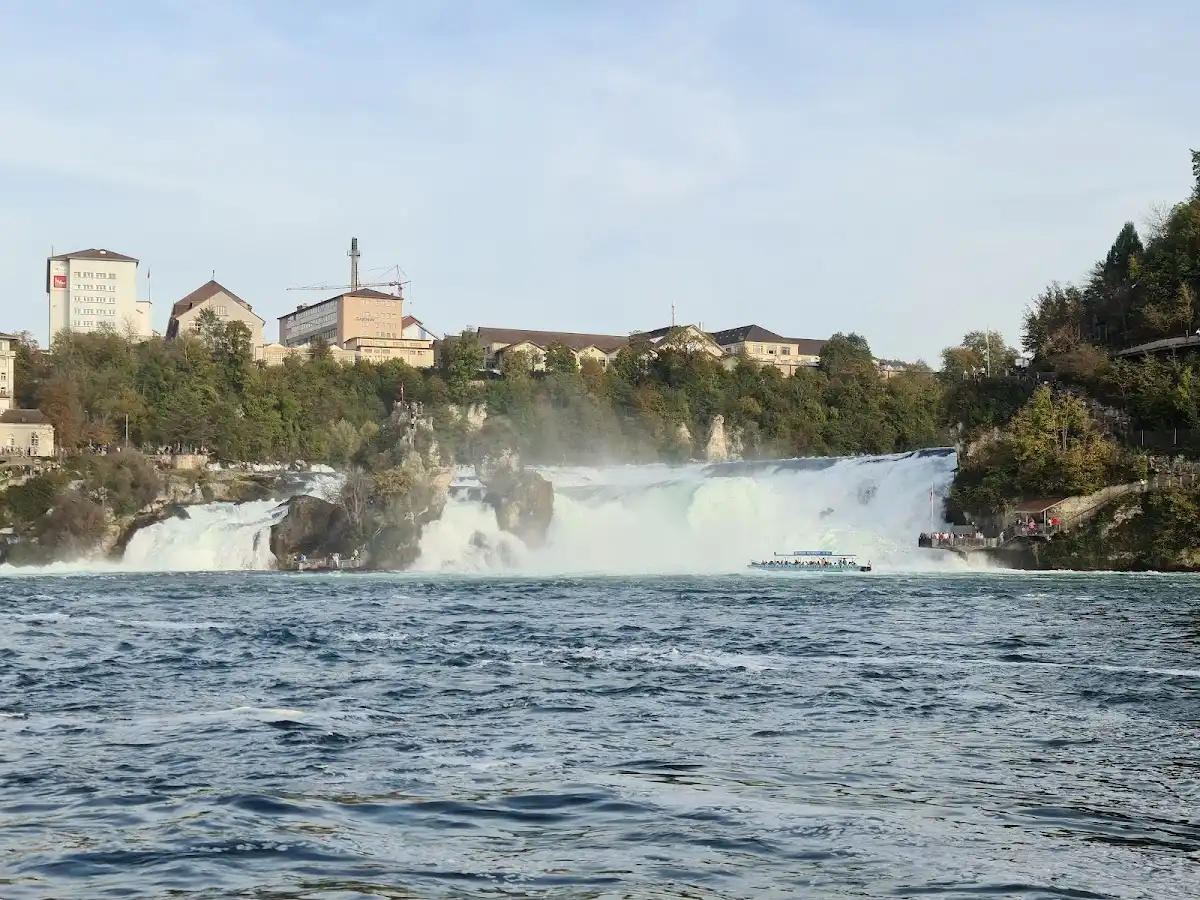
3 Rhine Falls

cascading water, viewing platforms, river spray

Feel the force of Europe’s largest waterfall from close range, with walkways and boat rides offering different perspectives on the torrent.

switzerland-unique-site-rhine-falls
© Google |

4 Zermatt’s Gornergrat

rack railway, glacier panorama, summit observatory

Ride a mountain train to a high ridge, where observation decks reveal a sweeping vista of glaciers and towering peaks.

5 Trummelbach Falls

glacial meltwater, inside-the-mountain cascades, spiral stairs

Descend into the heart of a mountain to witness roaring waterfalls carving through rock, accessible by tunnels and walkways.

switzerland-unique-site-trummelbach-falls
© Google |

6 Creux du Van

rock amphitheater, panoramic rim, ibex habitat

Hike along a dramatic natural balcony, watching for wildlife and absorbing sweeping views across a vast limestone cirque.

switzerland-unique-site-creux-du-van
© Google | Roger Witschi

7 Areuse gorge

limestone cliffs, forested trails, turquoise river

Follow winding footpaths above rushing water, passing mossy rock formations and suspension bridges deep within a secluded natural corridor.

8 Vallorbe Caves

stalactite chambers, underground river, mineral displays

Venture below ground to explore vast caverns shaped by water, illuminated by subtle lighting and echoing with the sound of flowing streams.

9 Gotthard Pass

historic route, alpine tunnels, cobblestone road

Cross a storied mountain divide where old trade routes, twisting roads, and high-altitude landscapes converge above the clouds.

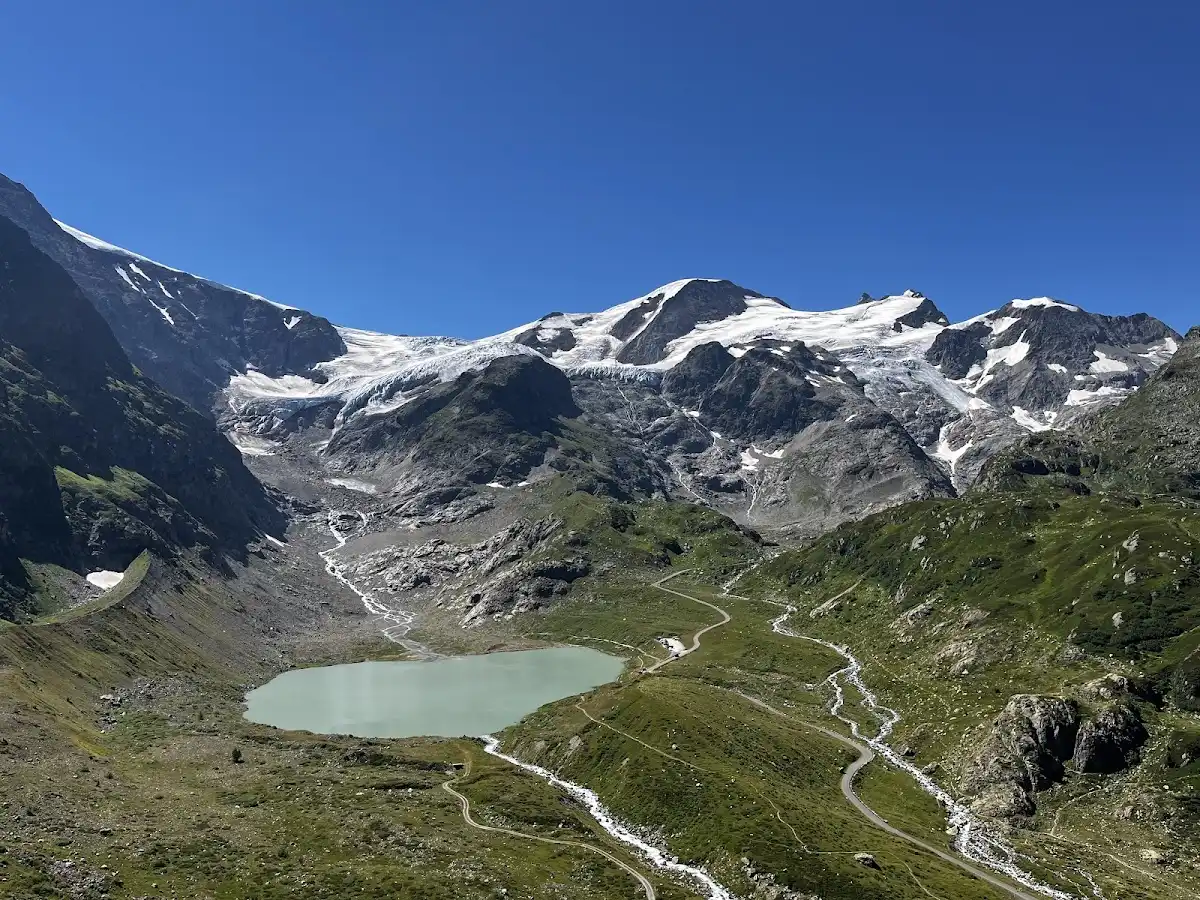
10 Sustenpass

glacier views, switchback roads, high-altitude tunnels

Drive or cycle a winding mountain route, pausing for glacier vistas and crisp air at every turn along this engineering landmark.

switzerland-unique-site-sustenpass
© Google |

11 Pizol

five-lake hike, high plateau, wildflower meadows

Traverse a series of alpine lakes, crossing open ridges and meadows dotted with blooms, with distant peaks framing every step.

12 Abbey of St Gall

baroque library, UNESCO heritage, monastic architecture

Wander through ornate halls lined with ancient manuscripts and experience centuries-old religious tradition in a tranquil, scholarly setting.

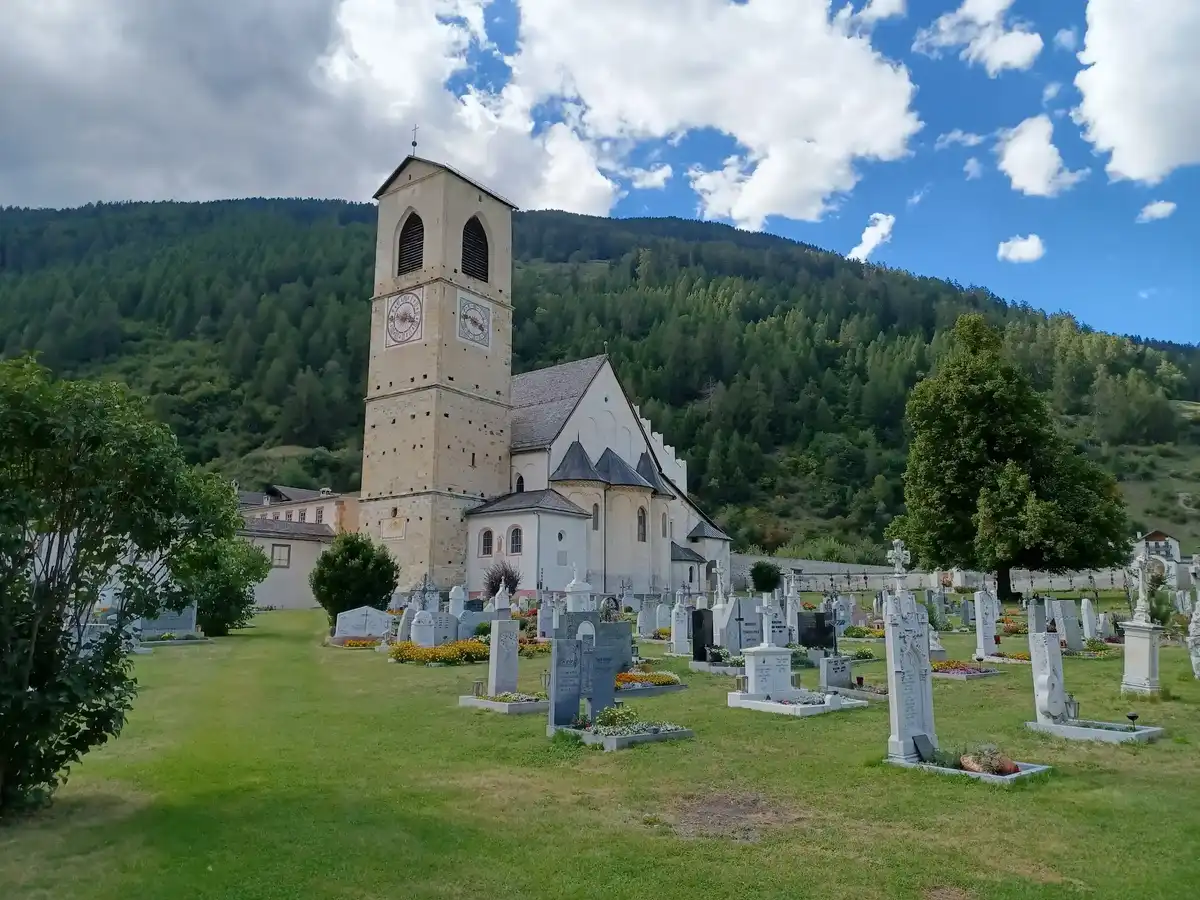
13 Benedictine Convent of St John at Müstair

medieval frescoes, alpine monastery, Romanesque church

Step into a living monastery where daily rituals echo through frescoed walls, surrounded by mountain silence and centuries of devotion.

switzerland-unique-site-benedictine-convent-of-st-john-at-mustair
© Google | Astrid Winter

14 Rocca di Piora

mountain dairy, alpine pastures, cheese cellars

Visit high-altitude farms where traditional cheese-making continues, surrounded by grazing cows and sweeping views of the Leventina valley.

Think you know Switzerland?

Prove you’re a true local — uncover 4 lesser-known landmarks in Switzerland that locals tend to keep to themselves.
Loading the map 🌍

Expert viewInsights from Locals and Experts

Significance

Switzerland is a patchwork of unique sites, each with its own story and cultural significance. The challenge lies in understanding how these sites fit into the broader Swiss experience. Prioritize sites that reflect the country’s diverse landscapes, from the Alps to the lakes, and its rich cultural tapestry. This isn’t just about ticking boxes; it’s about immersing yourself in the essence of Switzerland.

Access Constraints

Switzerland’s public transport is world-class, but not every site is equally accessible. Some unique locations require a bit of effort to reach, often involving a combination of trains, buses, and sometimes even cable cars. For instance, while you can easily hop on a train to a major city, more remote sites may demand a full day of travel. Plan for these … read more 👉

Significance

Switzerland is a patchwork of unique sites, each with its own story and cultural significance. The challenge lies in understanding how these sites fit into the broader Swiss experience. Prioritize sites that reflect the country’s diverse landscapes, from the Alps to the lakes, and its rich cultural tapestry. This isn’t just about ticking boxes; it’s about immersing yourself in the essence of Switzerland.

Access Constraints

Switzerland’s public transport is world-class, but not every site is equally accessible. Some unique locations require a bit of effort to reach, often involving a combination of trains, buses, and sometimes even cable cars. For instance, while you can easily hop on a train to a major city, more remote sites may demand a full day of travel. Plan for these constraints by checking schedules in advance and allowing for flexibility. It’s wise to factor in potential delays, especially in winter when weather can impact travel times.

Crowd Patterns

Timing is everything. Popular sites can become crowded, particularly during peak tourist seasons. If you want to experience a site without the throngs, aim for early mornings or late afternoons. Weekdays are generally quieter than weekends. Understanding these patterns can transform your visit from a rushed experience into a more intimate one. For example, visiting a popular mountain pass at sunrise can offer not just fewer crowds but also breathtaking views that are worth the early wake-up call.

Combining Sites

Realistically, aim to visit three to five unique sites in a single trip, depending on their proximity and the time you have available. Some sites naturally complement each other, allowing for a seamless day of exploration. For instance, if you’re near a major lake, consider visiting a nearby mountain or cultural site that can be reached within a couple of hours. This not only maximizes your experience but also minimizes travel fatigue.

Planning and Prioritizing

Start by identifying your interests—nature, culture, history—and then map out sites that align with those themes. Use Switzerland’s efficient rail system to your advantage; it’s often faster to travel between sites by train than by car, especially in mountainous regions. Prioritize sites that offer a unique perspective on Swiss life, such as local markets or traditional festivals. These experiences often provide deeper insights into the culture than more tourist-heavy attractions.

Regional Variation

Switzerland’s regions each have their own character, which influences the unique sites you’ll encounter. The German-speaking areas often showcase a blend of modernity and tradition, while the French-speaking regions offer a more laid-back, café culture. The Italian-speaking part, Ticino, feels distinctly Mediterranean. Understanding these regional nuances can help you choose sites that resonate with your personal travel style.

Safety & Cultural Considerations

Switzerland is generally safe, but it’s wise to remain aware of your surroundings, especially in crowded areas. Respect local customs, such as quietness in public transport and punctuality. Engaging with locals can enhance your experience, so don’t hesitate to ask for recommendations or insights. They often know the best times to visit certain sites or hidden spots that aren’t in guidebooks.

Trade-offs

Every choice comes with trade-offs. If you prioritize visiting more remote sites, be prepared for longer travel times and potentially higher costs. Conversely, sticking to well-trodden paths may save time but could limit your exposure to the authentic Swiss experience. Balancing these factors will help you craft a trip that feels both fulfilling and manageable.

✈️ The backpacker research shortcutSwitzerland Travel Guide

An offline-friendly backpacking guide with optimized travel routes, ranked highlights, transport advice, and the best areas to stay.
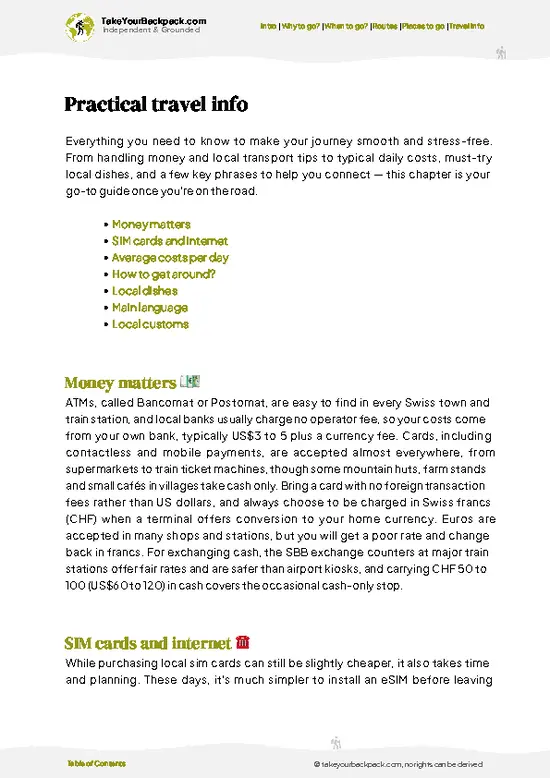
example page 0 from our offline Travel Guide for Switzerland
example page 1 from our offline Travel Guide for Switzerland
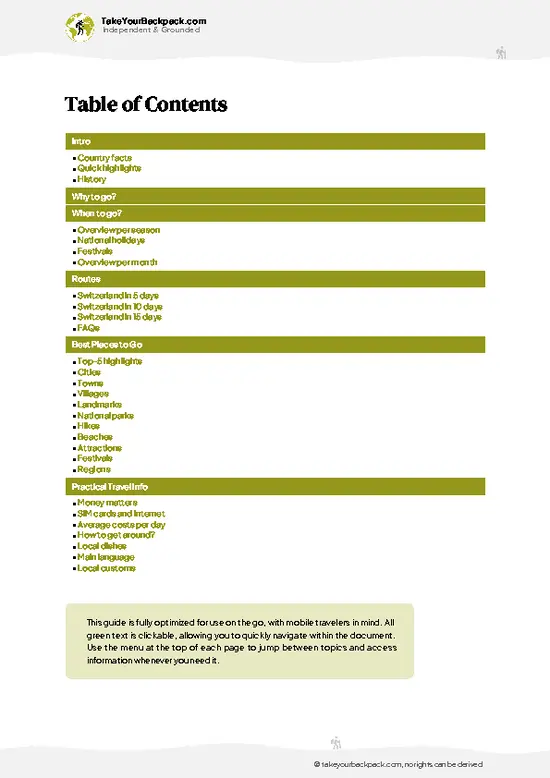
example page 2 from our offline Travel Guide for Switzerland
example page 3 from our offline Travel Guide for Switzerland
example page 4 from our offline Travel Guide for Switzerland
example page 5 from our offline Travel Guide for Switzerland
example page 6 from our offline Travel Guide for Switzerland
example page 7 from our offline Travel Guide for Switzerland
The digital guide (430 pages) contains:
118 highlights, ranked by travel appeal
Optimized 5, 10 & 15-day travel routes
Cities, national parks, landmarks, beaches
How to get around
Offline-friendly for travel without Wi-Fi
👉 Click to see all 30+ guide features

📅 Plan smarter in minutes, not weeks
Month by month travel advice
Festivals & national holidays
Budget expectations

🗺️ Go to the right places, skip the overrated ones
Honest pros & cons of destinations
Top hikes, parks & viewpoints
Lesser-known places most travelers miss
Clear “worth it vs skip it” guidance

🛏️ Travel smoothly without rookie mistakes
Best areas to stay
Transport systems explained simply
Common scams & safety advice
SIM cards, money & practical tips

🌍 Understand the country, not just visit it
Culture & traditions
52 Essential phrases & customs
Festivals worth planning around
Traveler-friendly historical context
Insights that make places more meaningful

📱 Built for real travel conditions
Fully downloadable PDF
Works completely offline
Optimized for phone use
Useful in remote areas & buses
Everything in one place
Save weeks of stressful planning
Get instant access to your full guide. 30‑day money-back guarantee.
+ Add another guide for just US$7.80

By proceeding you agree to our terms.
Sent to your inbox immediately after payment • 100% Secure Checkout
Best Backpacking Travel Advisor 2025 tourism awardBest Backpacking
Travel Advisor
2025
What others say about Take Your Backpack Guides:
⭐⭐⭐⭐⭐
Fantastic, amazing amount of information!
⭐⭐⭐⭐⭐
My goodness this is amazing, it's what I've been looking for hats off too you!
⭐⭐⭐⭐⭐
I think this is absolutely BRILLIANT
⭐⭐⭐⭐
Very complete and informative. It's still missing places, but I gotta to commend you
⭐⭐⭐⭐⭐
This is truly amazing, thank you, can't wait to explore it with my kids!
⭐⭐⭐⭐⭐
Awesome resource, thank you!
⭐⭐⭐⭐⭐
This is amazing! Can't wait to explore the ones I haven't seen
⭐⭐⭐⭐
I love this! Well done, great idea.
⭐⭐⭐⭐⭐
Thanks for taking the time to make this gem!
⭐⭐⭐⭐⭐
This might be the best website I've ever seen.
⭐⭐⭐⭐⭐
Congratulations, and thank you so much for your work; it's incredibly valuable.
⭐⭐⭐⭐
In all seriousness I think you did a great job pointing out the important spots
⭐⭐⭐⭐⭐
10/10 very good
⭐⭐⭐⭐⭐
As someone who's only just starting to visit regularly this is awesome, thank you.
⭐⭐⭐⭐
Thank you very much! I'm going to visit my dad, it's going to be very useful!
⭐⭐⭐⭐⭐
This is really cool! We'll be travelling for the first time and this definitely come in handy.
⭐⭐⭐⭐⭐
You are now our minister of culture, congratulations 👨‍💼
⭐⭐⭐⭐⭐
Just wanted to tell you that this is a pearl! Going to follow your recommendations.
⭐⭐⭐⭐⭐
This is so cool. I'll definitely be using the resource for my travels soon.
⭐⭐⭐⭐⭐
This is very impressive! Good work.
⭐⭐⭐⭐⭐
This is an amazing and informative site. Very well done!

🛏️ Where to stay?Top Areas to Stay

Yes; hostels and budget accommodation are common in Switzerland, concentrated in city centres and tourist hubs such as Zurich (Old Town / Kreis 1, Langstrasse), Geneva (Old Town, Plainpalais), Lucerne (Old Town / near the train station), Interlaken (West, Ost, Matten), Bern (Old Town, Länggasse) and Basel (Old Town, St. Johann).
Old Towns and station areas put you closest to highlights and transport but can be busier and pricier; Langstrasse and Interlaken West offer cheaper beds and nightlife at the cost of more noise; suburbs and neighbourhoods like Länggasse or station suburbs are quieter, cheaper and safer for early mountain departures; mountain villages have fewer budget beds and higher … read more 👉
Yes; hostels and budget accommodation are common in Switzerland, concentrated in city centres and tourist hubs such as Zurich (Old Town / Kreis 1, Langstrasse), Geneva (Old Town, Plainpalais), Lucerne (Old Town / near the train station), Interlaken (West, Ost, Matten), Bern (Old Town, Länggasse) and Basel (Old Town, St. Johann).
Old Towns and station areas put you closest to highlights and transport but can be busier and pricier; Langstrasse and Interlaken West offer cheaper beds and nightlife at the cost of more noise; suburbs and neighbourhoods like Länggasse or station suburbs are quieter, cheaper and safer for early mountain departures; mountain villages have fewer budget beds and higher prices, so book early and factor in extra travel time.

If you enjoy meeting fellow travelers, consider choosing hostels with high ratings for atmosphere. On the other hand, if you prefer having your own space, a hotel might be a better option.

SwitzerlandDiscover the Country

👋 Meet the founderWho’s Behind Take Your Backpack?

Johan, backpacker and founder of TakeYourBackpackHi, I’m Johan (Netherlands 🇳🇱), the creator of TakeYourBackpack. Over the past decade, I’ve backpacked through 80+ countries across six continents, gaining extensive experience with independent travel, long-term trips, and overland routes.

This site is built on a combination of firsthand travel experience and carefully curated insights from other backpackers. Many guides are based on places I’ve personally visited, while others bring together tips, observations, and practical advice shared by trusted travelers I’ve met along the way.

The goal is to provide realistic, experience-driven guidance — not generic itineraries — so you can explore destinations with better context, clearer expectations, and more confidence.

Get full country guide •
Instant download • 118 highlights • Full Offline guide