×

Switzerland🇨🇭 | townsInterlakenadventure sports, valley crossroads, lake cruises | things to do and best time to go

Explore GrindelwaldExplore Lauterbrunnen Valley

Backpacking in Interlaken
🏆 Top picktown ranked #3
By Johan Kruseman 🇳🇱 | Updated June 2, 2026

Your first real fork in Interlaken isn’t which hike to do; it’s whether to actually stay here or sleep in the quieter villages up in the mountains. That choice decides your whole rhythm: sunrise over lake and train tracks, or sunrise over cowbells and cliff faces. Interlaken sits in the Bernese Oberland, on the flat strip between Lake Thun and Lake Brienz, basically the valley hub below Lauterbrunnen, Grindelwald, and the Jungfrau region.

As a backpacker base, Interlaken is practical more than magical. Trains and buses radiate out in all directions, so you can hit big-ticket hikes and viewpoints by day, then come back to supermarkets, gear shops, and hostels with actual social life at night. It’s busier and more touristic than Lauterbrunnen or Iseltwald, but also cheaper and easier for last‑minute plans. You can walk most of town, meet people in hostel kitchens or lakeside lawns, and feel very safe—just not very local.

Discover everything you want to know in the 📖 Switzerland Travel Guide.
Loading the map 🌍
CLICK TO FILTER
cities
towns
villages
landmarks
national parks
hikes
beaches
attractions
festivals
regions
SHOW COUNTRY’S BESTSHOW ALL

✨ Why go?
Ranked #3 town in Switzerland
What sets this place apart

Interlaken is a backpacker’s hub that thrives on its convenience and accessibility to the Swiss Alps. Nestled between two lakes, it’s a launchpad for nearby hikes and adventures. You can hit the trails early, breathing in the crisp mountain air, or stroll along the lakeside beaches to unwind after a day of exploration. The town’s walkable streets are lined with small-scale hostels and guesthouses, creating a cozy atmosphere where you can easily meet fellow travelers.

Most backpackers tend to linger for a few days, soaking in the local food experiences—think hearty Swiss cheese and fresh rösti. It’s a place that welcomes slow travelers and solo adventurers, but small groups also find their rhythm here. While it’s not a nightlife hotspot, the social vibe is friendly, making it easy to share … read more 👉
Interlaken is a backpacker’s hub that thrives on its convenience and accessibility to the Swiss Alps. Nestled between two lakes, it’s a launchpad for nearby hikes and adventures. You can hit the trails early, breathing in the crisp mountain air, or stroll along the lakeside beaches to unwind after a day of exploration. The town’s walkable streets are lined with small-scale hostels and guesthouses, creating a cozy atmosphere where you can easily meet fellow travelers.

Most backpackers tend to linger for a few days, soaking in the local food experiences—think hearty Swiss cheese and fresh rösti. It’s a place that welcomes slow travelers and solo adventurers, but small groups also find their rhythm here. While it’s not a nightlife hotspot, the social vibe is friendly, making it easy to share stories over a pint. If you’re looking for a base to explore the Alps without the chaos of larger cities, Interlaken offers a balanced blend of activity and relaxation, perfect for those who appreciate the journey as much as the destination.
Want to include Interlaken in your Switzerland route?
Create a personalized Switzerland itinerary that includes Interlaken and the places that fit your trip — based on your travel style, budget, and available time. Get your route in seconds.

Generate my trip

💡 HighlightsMust-see experiences and standout moments

1. Höhematte Park
This isn’t just a patch of grass—it’s Interlaken’s living room, a 14-hectare green expanse where the town’s pulse is on full display. On a clear day, you’ll see paragliders swirling overhead, their canopies bright against the sky, and the Jungfrau massif looming like a painted backdrop. The air smells of cut grass and pastry from the nearby bakeries. Locals stroll, tourists gawk, and the occasional brass band sets up under the chestnut trees. It’s free, open all day, and best experienced in late afternoon when the light softens and the mountains glow. Give it 30-60 minutes, or linger longer with a picnic.


2. Unterseen Old Town
Step off the main drag and you’ll find yourself in Unterseen, Interlaken’s quieter, older sibling. Cobbled lanes, timbered houses with flower boxes, … read more 👉
1. Höhematte Park
This isn’t just a patch of grass—it’s Interlaken’s living room, a 14-hectare green expanse where the town’s pulse is on full display. On a clear day, you’ll see paragliders swirling overhead, their canopies bright against the sky, and the Jungfrau massif looming like a painted backdrop. The air smells of cut grass and pastry from the nearby bakeries. Locals stroll, tourists gawk, and the occasional brass band sets up under the chestnut trees. It’s free, open all day, and best experienced in late afternoon when the light softens and the mountains glow. Give it 30-60 minutes, or linger longer with a picnic.


2. Unterseen Old Town
Step off the main drag and you’ll find yourself in Unterseen, Interlaken’s quieter, older sibling. Cobbled lanes, timbered houses with flower boxes, and the clang of church bells set the tone. This is where Interlaken’s history breathes—stop at the Stadtkeller for a coffee, or just wander and watch the locals chat in Bernese dialect. The pace is slow, the charm is real, and the sense of place is strong. Free to explore, best in the morning when the bakeries open and the streets are still waking up. Allow 45-90 minutes.


3. Harder Kulm
The funicular up Harder Kulm is a rite of passage. The ride itself is a steep, creaking ascent through forest, but the real payoff is at the top: a viewing platform that juts out over the valley, with Lake Thun and Lake Brienz shimmering on either side. The air is crisp, the wind has bite, and the panorama is the kind that makes you forget your phone. There’s a restaurant if you want to splurge on rösti with a view. Funicular round-trip costs about CHF 38; open April to November. Go just before sunset for the best light. Plan for 2-3 hours, including the ride and time at the summit.


4. Bödelibad Interlaken
When the weather turns or your legs need a break, Bödelibad is the local’s answer: a public pool complex with indoor and outdoor pools, saunas, and a relaxed, family-friendly vibe. The scent of chlorine mixes with alpine air drifting in through open windows. It’s not flashy, but it’s real—kids cannonball, old-timers swim laps, and everyone unwinds. Entry is around CHF 10-15. Open year-round, but especially welcome on a rainy day. Allow 1-2 hours.


5. Kunsthaus Interlaken
Art in the Alps isn’t just landscapes. Kunsthaus Interlaken is a small but serious gallery, hosting rotating exhibitions of Swiss and international artists. The space is modern, the curation sharp, and you’ll often find work that engages with the region’s identity—sometimes playful, sometimes political. Entry is usually CHF 8-12. Open most afternoons except Mondays. Give it 45-60 minutes, more if you catch a talk or event.


If you’re itching to stretch your legs beyond town, Lauterbrunnen’s waterfall valley, the cliff-perched village of Mürren, and the turquoise waters of Lake Brienz are all within easy reach—each a worthy day trip. Lauterbrunnen, with its vertical drama and cowbells echoing off the cliffs, is my personal favorite for a quick escape.
Spotted a mistake or missing something? Contact us.

Things to do around Interlaken

Ratings based on Tripadvisor reviews. When you book through this link, you support our work at no extra cost to you.

🏘️ NeighborhoodsHow different areas shape the experience

Interlaken is a backpacker’s playground, where the Swiss Alps meet serene lakes. Each neighborhood offers a unique flavor, making it essential to choose wisely.

Central Interlaken
This is the heart of the action. You’ll find a mix of budget hostels and cozy cafés. The vibe is lively, especially in summer, with street performers and outdoor markets. Walkability is a breeze; everything is within a 15-minute stroll. Nightlife is decent, with bars that cater to a young crowd. Perfect for short stays, as you can easily hop on trains to nearby hikes.

West Interlaken
A quieter alternative, this area is ideal for those seeking peace after a day of adventure. The atmosphere is more residential, with charming guesthouses and local eateries. It’s a bit further from the main attractions, but the … read more 👉
Interlaken is a backpacker’s playground, where the Swiss Alps meet serene lakes. Each neighborhood offers a unique flavor, making it essential to choose wisely.

Central Interlaken
This is the heart of the action. You’ll find a mix of budget hostels and cozy cafés. The vibe is lively, especially in summer, with street performers and outdoor markets. Walkability is a breeze; everything is within a 15-minute stroll. Nightlife is decent, with bars that cater to a young crowd. Perfect for short stays, as you can easily hop on trains to nearby hikes.

West Interlaken
A quieter alternative, this area is ideal for those seeking peace after a day of adventure. The atmosphere is more residential, with charming guesthouses and local eateries. It’s a bit further from the main attractions, but the trade-off is tranquility. Walkability drops slightly, but public transport is reliable. Great for longer stays if you want to immerse yourself in local life.

East Interlaken
This neighborhood leans towards the upscale, with boutique hotels and fine dining. The vibe is relaxed yet sophisticated, perfect for unwinding after a long trek. While it’s less walkable, the views are stunning, and you’re close to the lake. Nightlife is subdued, making it suitable for those who prefer a quieter evening. Ideal for short stays if you want a taste of luxury without breaking the bank.

Harder Kulm
Not a neighborhood in the traditional sense, but worth mentioning. The funicular ride up offers breathtaking views. It’s a must-do for any backpacker. The area is less about nightlife and more about the experience. Perfect for a day trip, but plan to head back down before dark.

⌛️ 1 day1-day itinerary for Interlaken

Interlaken is a slice of Swiss paradise, cradled between Lake Thun and Lake Brienz, with the towering peaks of the Jungfrau region as a backdrop. It’s a hub for adventure, but also a place where you can soak in the serene beauty of the Alps. The air is crisp, and the scent of pine trees mingles with the faint aroma of fresh pastries from local bakeries.

Start your morning with a stroll along the Aare River. The gentle sound of flowing water sets a peaceful tone. Grab a coffee and a buttery croissant at a small café like *Café de Paris*, where locals gather. The atmosphere is warm, and the barista might even share a tip about the best hiking trails. After fueling up, head to the *Harder Kulm* viewpoint. A quick funicular ride takes you up to 1,322 meters, where the panoramic views of the … read more 👉
Interlaken is a slice of Swiss paradise, cradled between Lake Thun and Lake Brienz, with the towering peaks of the Jungfrau region as a backdrop. It’s a hub for adventure, but also a place where you can soak in the serene beauty of the Alps. The air is crisp, and the scent of pine trees mingles with the faint aroma of fresh pastries from local bakeries.

Start your morning with a stroll along the Aare River. The gentle sound of flowing water sets a peaceful tone. Grab a coffee and a buttery croissant at a small café like *Café de Paris*, where locals gather. The atmosphere is warm, and the barista might even share a tip about the best hiking trails. After fueling up, head to the *Harder Kulm* viewpoint. A quick funicular ride takes you up to 1,322 meters, where the panoramic views of the lakes and mountains are breathtaking. This is a must-do, but don’t rush; take a moment to breathe in the crisp mountain air.

In the afternoon, wander through the *Old Town*, where charming wooden chalets line the streets. Stop by *Höheweg*, the main street, and explore the quirky shops. For something off the beaten path, visit the *Kunsthaus Interlaken*, a small art gallery showcasing local artists. It’s a refreshing break from the usual tourist spots and gives you a taste of the local culture.

As evening approaches, find a cozy spot at *Restaurant Taverne* for a hearty Swiss meal. Try the rösti, a crispy potato dish that’s comfort food at its best. After dinner, take a leisurely walk along the lakeside promenade. The sunset casts a golden hue over the water, and the mountains become silhouettes against the fading light.

This day in Interlaken isn’t just about ticking boxes; it’s about immersing yourself in the rhythm of the town and savoring every moment.
Turn your Interlaken visit into an Switzerland adventure
Build a complete Switzerland route with Interlaken, hidden gems, must-see destinations, and realistic travel times included.

Generate my trip

🌤️ When to go?Choosing the right time of year


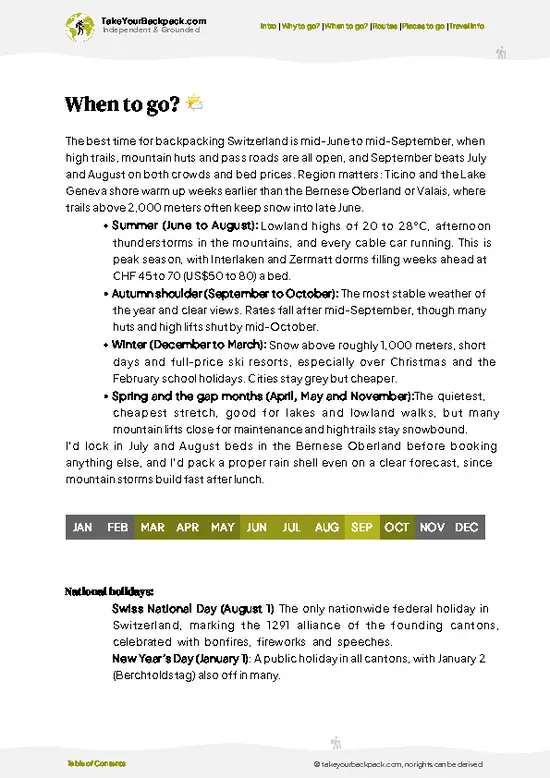
  • Weather: Interlaken’s weather swings dramatically with the seasons. Summer (June to August) offers mild days around 18-25°C (64-77°F), perfect for hiking and lake activities. Winters dive below freezing, often -5 to 5°C (23-41°F), ideal for skiing but less so for backpackers seeking warmth.

  • Temperature: Spring and autumn bring cool, crisp air—10-15°C (50-59°F)—which can feel brisk in the mornings and evenings but comfortable midday. Pack layers; the mountain breeze can surprise you.

  • Daylight Hours: Long summer days stretch up to 16 hours of light, giving you more time to explore trails and soak in the scenery. Winter days shrink to about 8 hours, limiting outdoor adventure time.

  • Crowds: Peak summer and winter holidays flood Interlaken with tourists, hiking groups, and skiers. Shoulder
read more 👉

  • Weather: Interlaken’s weather swings dramatically with the seasons. Summer (June to August) offers mild days around 18-25°C (64-77°F), perfect for hiking and lake activities. Winters dive below freezing, often -5 to 5°C (23-41°F), ideal for skiing but less so for backpackers seeking warmth.

  • Temperature: Spring and autumn bring cool, crisp air—10-15°C (50-59°F)—which can feel brisk in the mornings and evenings but comfortable midday. Pack layers; the mountain breeze can surprise you.

  • Daylight Hours: Long summer days stretch up to 16 hours of light, giving you more time to explore trails and soak in the scenery. Winter days shrink to about 8 hours, limiting outdoor adventure time.

  • Crowds: Peak summer and winter holidays flood Interlaken with tourists, hiking groups, and skiers. Shoulder seasons (late spring and early autumn) offer quieter trails and more authentic local vibes.

  • Seasonal Activities: Summer unlocks paragliding, canyoning, and lake swimming. Winter transforms the town into a gateway for ski resorts. Spring and autumn are perfect for trekking and catching the changing colors without the rush.

  • Price Fluctuations: Expect accommodation and activity prices to spike in July-August and December-January. Booking in shoulder seasons can save you a good chunk of cash without sacrificing experience quality.


Pro-tip: Aim for late May or September—days are still long, the air is fresh, and you’ll dodge the crowds while catching Interlaken’s raw, unfiltered charm.


source: climatestotravel.comJANJanuary: fair for travelingFEBFebruary: fair for travelingMARMarch: good for travelingAPRApril: good for travelingMAYMay: highly recommended for travelingJUNJune: excellent for travelingJULJuly: highly recommended for travelingAUGAugust: highly recommended for travelingSEPSeptember: excellent for travelingOCTOctober: good for travelingNOVNovember: fair for travelingDECDecember: fair for traveling
switzerland-city-interlaken
© Google | Natalka

✈️ The backpacker research shortcutSwitzerland Travel Guide

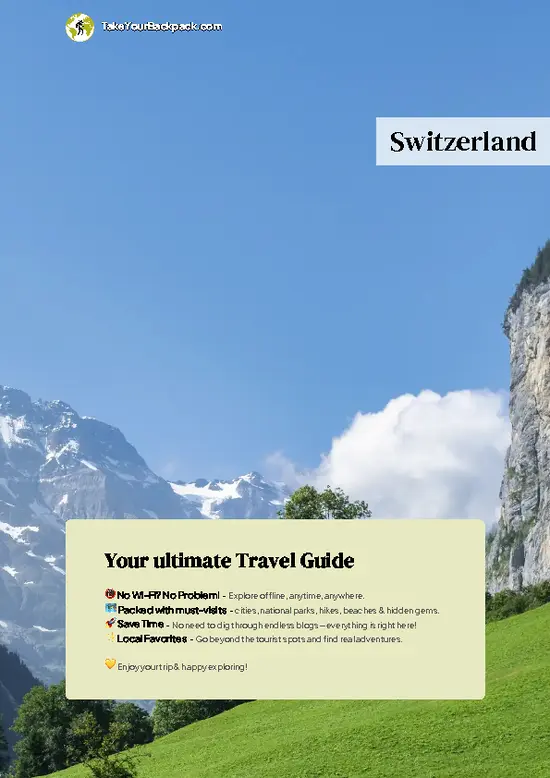
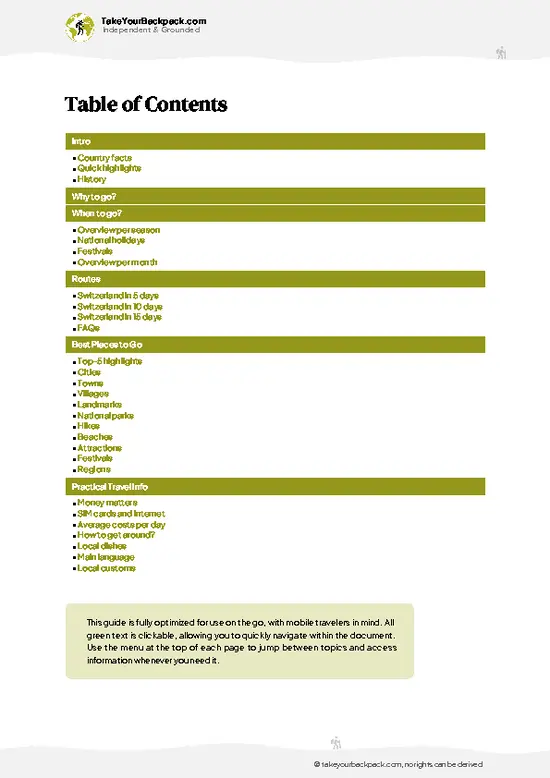
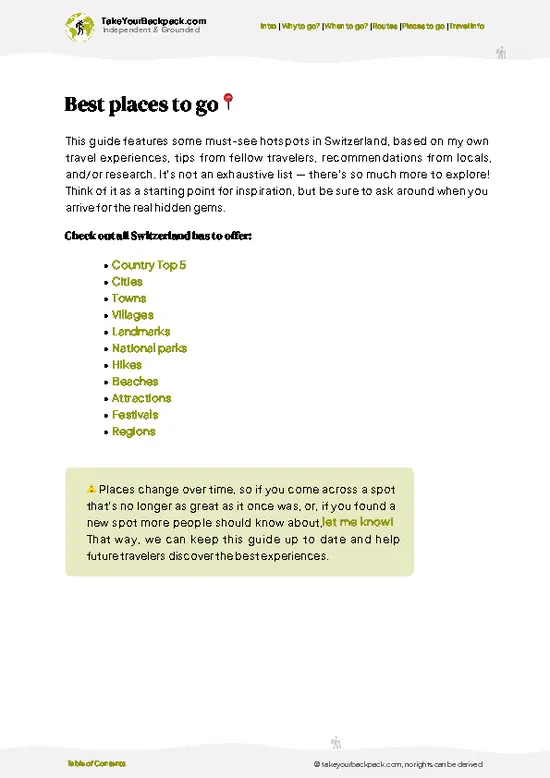
An offline-friendly backpacking guide with optimized travel routes, ranked highlights, transport advice, and the best areas to stay.
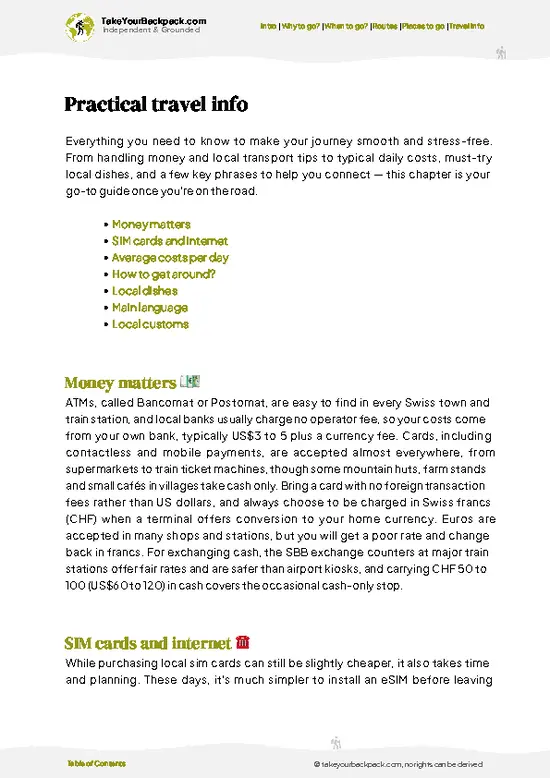
example page 0 from our offline Travel Guide for Switzerland
example page 1 from our offline Travel Guide for Switzerland
example page 2 from our offline Travel Guide for Switzerland
example page 3 from our offline Travel Guide for Switzerland
example page 4 from our offline Travel Guide for Switzerland
example page 5 from our offline Travel Guide for Switzerland
example page 6 from our offline Travel Guide for Switzerland
example page 7 from our offline Travel Guide for Switzerland
The digital guide (449 pages) contains:
121 highlights, ranked by travel appeal
Optimized 5, 10 & 15-day travel routes
Cities, national parks, landmarks, beaches
How to get around
Offline-friendly for travel without Wi-Fi
👉 Click to see all 30+ guide features

📅 Plan smarter in minutes, not weeks
Month by month travel advice
Festivals & national holidays
Budget expectations

🗺️ Go to the right places, skip the overrated ones
Honest pros & cons of destinations
Top hikes, parks & viewpoints
Lesser-known places most travelers miss
Clear “worth it vs skip it” guidance

🛏️ Travel smoothly without rookie mistakes
Best areas to stay
Transport systems explained simply
Common scams & safety advice
SIM cards, money & practical tips

🌍 Understand the country, not just visit it
Culture & traditions
52 Essential phrases & customs
Festivals worth planning around
Traveler-friendly historical context
Insights that make places more meaningful

📱 Built for real travel conditions
Fully downloadable PDF
Works completely offline
Optimized for phone use
Useful in remote areas & buses
Everything in one place
Save weeks of stressful planning
Get instant access to your full guide. 30‑day money-back guarantee.


By proceeding you agree to our terms.
Sent to your inbox immediately after payment • 100% Secure Checkout
Best Backpacking Travel Advisor 2025 tourism awardBest Backpacking
Travel Advisor
2025
What others say about Take Your Backpack Guides:
⭐⭐⭐⭐⭐
Fantastic, amazing amount of information!
⭐⭐⭐⭐⭐
My goodness this is amazing, it's what I've been looking for hats off too you!
⭐⭐⭐⭐⭐
I think this is absolutely BRILLIANT
⭐⭐⭐⭐
Very complete and informative. It's still missing places, but I gotta to commend you
⭐⭐⭐⭐⭐
This is truly amazing, thank you, can't wait to explore it with my kids!
⭐⭐⭐⭐⭐
Awesome resource, thank you!
⭐⭐⭐⭐⭐
This is amazing! Can't wait to explore the ones I haven't seen
⭐⭐⭐⭐
I love this! Well done, great idea.
⭐⭐⭐⭐⭐
Thanks for taking the time to make this gem!
⭐⭐⭐⭐⭐
This might be the best website I've ever seen.
⭐⭐⭐⭐⭐
Congratulations, and thank you so much for your work; it's incredibly valuable.
⭐⭐⭐⭐
In all seriousness I think you did a great job pointing out the important spots
⭐⭐⭐⭐⭐
10/10 very good
⭐⭐⭐⭐⭐
As someone who's only just starting to visit regularly this is awesome, thank you.
⭐⭐⭐⭐
Thank you very much! I'm going to visit my dad, it's going to be very useful!
⭐⭐⭐⭐⭐
This is really cool! We'll be travelling for the first time and this definitely come in handy.
⭐⭐⭐⭐⭐
You are now our minister of culture, congratulations 👨‍💼
⭐⭐⭐⭐⭐
Just wanted to tell you that this is a pearl! Going to follow your recommendations.
⭐⭐⭐⭐⭐
This is so cool. I'll definitely be using the resource for my travels soon.
⭐⭐⭐⭐⭐
This is very impressive! Good work.
⭐⭐⭐⭐⭐
This is an amazing and informative site. Very well done!

🛏️ Where to stay?How to pick the right area

Interlaken’s heart for backpackers pulses strongest around the area between the West and East train stations—specifically, the districts known as Unterseen and the immediate surroundings of Interlaken West. This zone is a practical sweet spot where safety meets social buzz without the polished stiffness of the more upscale lakeside hotels. The streets here hum with a steady flow of fellow travelers, making it easy to strike up conversations over a coffee or while waiting for the next bus to the mountains.

Why this area? It’s compact enough to walk everywhere—shops, eateries, and gear rental spots—yet … read more 👉
Interlaken’s heart for backpackers pulses strongest around the area between the West and East train stations—specifically, the districts known as Unterseen and the immediate surroundings of Interlaken West. This zone is a practical sweet spot where safety meets social buzz without the polished stiffness of the more upscale lakeside hotels. The streets here hum with a steady flow of fellow travelers, making it easy to strike up conversations over a coffee or while waiting for the next bus to the mountains.

Why this area? It’s compact enough to walk everywhere—shops, eateries, and gear rental spots—yet it’s not so touristy that you feel like you’re in a postcard. The vibe is relaxed but alive, with hostels scattered throughout, offering dorm rooms that are both affordable and a natural social hub. You’ll find backpackers swapping route tips in common rooms or planning last-minute hikes over shared breakfasts.

Compared to the quieter, more residential neighborhoods or the pricier lakeside quarters, this area keeps you plugged into the pulse of Interlaken’s adventure scene. The scent of fresh mountain air mingles with the occasional waft of baked goods from local bakeries, grounding you in a place that’s both a gateway and a community. Staying here means you’re not just passing through—you’re part of the rhythm that makes Interlaken a launchpad for the Alps.

🚌 Getting aroundHow to get around Interlaken

Interlaken moves at the pace of the mountains themselves—steady, deliberate, and shaped by the rhythms of nature rather than the tick of a clock. The air carries the crisp scent of pine and fresh water from the lakes, and the town’s pulse is a blend of purposeful locals and wide-eyed travelers, all converging in a space where schedules matter, but flexibility wins. You won’t find frantic rush hours here; instead, there’s a calm flow, a sense that every connection—whether by foot, train, or boat—is part of a larger, scenic choreography. Understanding this flow means you don’t just get from A to B; you arrive ready to soak in the alpine light and the sound of distant cowbells.

Walking: Interlaken’s compact center is a blessing for budget travelers. You can cover most of the town on foot within … read more 👉
Interlaken moves at the pace of the mountains themselves—steady, deliberate, and shaped by the rhythms of nature rather than the tick of a clock. The air carries the crisp scent of pine and fresh water from the lakes, and the town’s pulse is a blend of purposeful locals and wide-eyed travelers, all converging in a space where schedules matter, but flexibility wins. You won’t find frantic rush hours here; instead, there’s a calm flow, a sense that every connection—whether by foot, train, or boat—is part of a larger, scenic choreography. Understanding this flow means you don’t just get from A to B; you arrive ready to soak in the alpine light and the sound of distant cowbells.

Walking: Interlaken’s compact center is a blessing for budget travelers. You can cover most of the town on foot within 20-30 minutes, soaking in the fresh mountain air and the subtle shifts in light over the Jungfrau peaks. Walking is free, obviously, and the best way to catch the town’s atmosphere—early morning mist on the Aare River, or the late afternoon glow on Höheweg promenade.

PostBus: The local PostBus network is the backbone for reaching nearby villages and trailheads. Buses typically start around 6:00 AM and run until about 9:00 PM, with fares around CHF 5-10 depending on distance. They’re reliable but expect a slower pace—perfect for savoring the landscape through large windows. Buying tickets in advance via the Swiss Travel app can save time and guarantee your seat during peak hiking seasons.

Regional Trains (BLS and SBB): Trains from Interlaken Ost and West stations connect you to the wider Bernese Oberland and beyond. They run frequently from early morning (around 5:30 AM) until late evening (around 11:30 PM). Tickets vary, but a Swiss Half Fare Card or regional passes can halve costs. Trains are fast, punctual, and comfortable, with panoramic windows that turn travel into part of the adventure—especially the route toward Lauterbrunnen or Grindelwald.

Boat Ferries on Lakes Thun and Brienz: These aren’t just transport; they’re a slow, sensory immersion into the alpine lake experience. Boats operate roughly from late April to October, with departures starting mid-morning and ending by early evening. Prices hover around CHF 15-25 for one-way trips, but the views of turquoise water framed by towering cliffs and forests make it worth every franc. It’s a chance to breathe in the cool lake breeze and watch the shoreline slip by, a moving meditation between destinations.

Bike Rentals: For those who want to cover more ground without losing the tactile connection to the environment, renting a bike is a smart move. Daily rentals start around CHF 30, with electric options available for a bit more. The town’s flat areas and well-marked trails along the lakeshore make cycling both efficient and scenic. It’s a way to control your pace, stop for photos or a snack, and feel the alpine air on your skin without the constraints of a timetable.

Mastering Interlaken’s transit isn’t about rushing; it’s about syncing your rhythm with the landscape and the town’s natural cadence. Walk when you can, catch a bus or train when the distances grow, and let the boats and bikes add layers to your experience. This is how you turn simple movement into a gateway for discovery.

👛 Costs (as of 13 April 2026)Money, prices, and spending tips

Backpacking in Interlaken, Switzerland, means stepping into a place where the crisp mountain air sharpens every sense—and the costs reflect that alpine charm. Here’s what you’re realistically looking at day-to-day.
  • Dorm Accommodation: Hostels in Interlaken typically charge between €35 and €50 per night for a bed in a shared dorm. It’s not the cheapest spot in Europe, but the rooms are clean, often with mountain views, and the vibe is social enough to meet fellow travelers.
  • Meals: Eating out leans toward the pricey side. Budget around €15 to €25 for a simple meal at a casual café or takeaway spot—think hearty sandwiches, local cheese, or a plate of rösti. Cooking your own meals can cut costs, but groceries here aren’t bargain-basement either, with a basic supermarket run costing about €10
read more 👉
Backpacking in Interlaken, Switzerland, means stepping into a place where the crisp mountain air sharpens every sense—and the costs reflect that alpine charm. Here’s what you’re realistically looking at day-to-day.
  • Dorm Accommodation: Hostels in Interlaken typically charge between €35 and €50 per night for a bed in a shared dorm. It’s not the cheapest spot in Europe, but the rooms are clean, often with mountain views, and the vibe is social enough to meet fellow travelers.
  • Meals: Eating out leans toward the pricey side. Budget around €15 to €25 for a simple meal at a casual café or takeaway spot—think hearty sandwiches, local cheese, or a plate of rösti. Cooking your own meals can cut costs, but groceries here aren’t bargain-basement either, with a basic supermarket run costing about €10 to €15 per day.
  • Local Transport: Interlaken is compact, so walking covers most ground. For longer trips or quick hops, a single bus ticket costs about €3.50. If you plan to explore the surrounding lakes or mountains, consider a day pass for around €10 to €15, which unlocks buses and some local trains.
  • Basic Activities/Entry Fees: Many natural attractions are free—hiking trails, lakeside strolls, and public parks. But expect to pay for extras like boat rides on Lake Thun or Lake Brienz (€20-€30), or entry to adventure activities like paragliding or canyoning, which start around €80 and up. Museums and smaller sites usually charge €5 to €15.
  • Miscellaneous Expenses: Think snacks, water, occasional coffee, or a local beer—budget about €5 to €10 daily. Wi-Fi is generally free in hostels and cafés, but topping up a local SIM card for data can run €20 to €30 for a decent package.

All told, a realistic daily budget for backpacking in Interlaken falls between €70 and €120. This range balances the unavoidable Swiss premium with smart choices like walking, cooking, and prioritizing free outdoor experiences. The crisp mountain light and fresh air make every euro spent feel like an investment in a rare, sensory-rich adventure.


source: myswitzerland.com
⚠️ Prices can change and everyone travels differently, so take this as a rough guide. Hope it helps you plan your adventure!

🚌 Day tripsExploring the surroundings

Interlaken is a backpacker’s dream base, perfectly positioned between two stunning lakes and surrounded by towering peaks. It’s not just a launchpad; it’s a hub of adventure waiting to be explored. Here are some day trips that will elevate your Swiss experience.

Jungfraujoch: Top of Europe
This trip is a must for breathtaking views that make the effort worthwhile. The train ride to Jungfraujoch takes about two hours, winding through picturesque valleys and past cascading waterfalls. Expect to spend around CHF 100 for a round trip, but the sight of the Aletsch Glacier and the surrounding peaks is priceless. Late spring to early autumn offers the best weather, but be prepared for crowds. A common mistake? Underestimating the cold at the top; pack layers, even in summer.


Lauterbrunnen read more 👉
Interlaken is a backpacker’s dream base, perfectly positioned between two stunning lakes and surrounded by towering peaks. It’s not just a launchpad; it’s a hub of adventure waiting to be explored. Here are some day trips that will elevate your Swiss experience.

Jungfraujoch: Top of Europe
This trip is a must for breathtaking views that make the effort worthwhile. The train ride to Jungfraujoch takes about two hours, winding through picturesque valleys and past cascading waterfalls. Expect to spend around CHF 100 for a round trip, but the sight of the Aletsch Glacier and the surrounding peaks is priceless. Late spring to early autumn offers the best weather, but be prepared for crowds. A common mistake? Underestimating the cold at the top; pack layers, even in summer.


Lauterbrunnen Valley
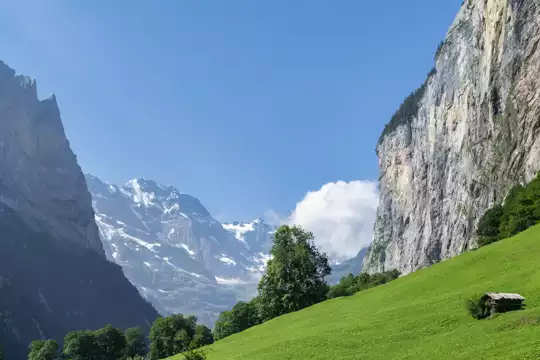
Just a 20-minute train ride from Interlaken, Lauterbrunnen is a slice of paradise. The valley is famous for its 72 waterfalls, including the stunning Staubbach Falls. A day here can cost you around CHF 20 for the train and maybe a few extra for a snack at a local café. Spring and early summer are ideal for witnessing the waterfalls in full flow. Many first-timers miss the chance to hike up to the Trümmelbach Falls, a series of impressive waterfalls inside the mountain. Don’t skip it!


Grindelwald
A quick 30-minute train ride brings you to Grindelwald, a charming village with jaw-dropping views of the Eiger. The area is a playground for outdoor enthusiasts, offering hiking trails that range from easy to challenging. Expect to spend around CHF 15 for the train and pack a lunch to enjoy with a view. Late spring through early autumn is prime time for hiking. A common rookie mistake is not checking the weather; it can change rapidly in the mountains, so be prepared.
👉 Explore Grindelwald

Schynige Platte
For a unique experience, take the cogwheel train to Schynige Platte, which takes about 50 minutes. The ride itself is a scenic marvel, and once you arrive, the panoramic views of the Bernese Alps are stunning. The round trip costs around CHF 40. Late spring to early autumn is best for hiking and wildflower spotting. Many overlook the short but rewarding hike to the viewpoint; don’t miss it!


Thun
Just a 30-minute train ride away, Thun offers a charming lakeside experience. Stroll through the old town, visit the castle, and enjoy a lakeside picnic. A round trip will set you back about CHF 20. Spring and summer are ideal for enjoying the lake. First-timers often miss the boat ride on Lake Thun; it’s a relaxing way to soak in the scenery.
👉 Explore Thun
Want to know what more Switzerland offers?
The Switzerland Travel Guide describes 121 highlights, from cities to national parks, from beaches to hikes

Get the Travel Guide -

🛡️ SafetyTraveler Safety Guide

Interlaken is generally safe, but a few practical tips can enhance your experience. The main streets are well-lit and bustling, but when wandering into quieter areas at night, stay aware of your surroundings. Stick to well-trafficked paths and avoid shortcuts through dark alleys.

Solo travelers should embrace the vibrant café culture; grab a seat outside and soak in the atmosphere. This not only provides a sense of community but also keeps you visible.

While scams are rare, be cautious around popular tourist spots. Street performers can be entertaining, but some may expect tips that feel more like pressure. If you’re approached by someone selling “exclusive” tours, take a moment to research online reviews before committing.

Everyday annoyances can include crowded trains during peak season. … read more 👉
Interlaken is generally safe, but a few practical tips can enhance your experience. The main streets are well-lit and bustling, but when wandering into quieter areas at night, stay aware of your surroundings. Stick to well-trafficked paths and avoid shortcuts through dark alleys.

Solo travelers should embrace the vibrant café culture; grab a seat outside and soak in the atmosphere. This not only provides a sense of community but also keeps you visible.

While scams are rare, be cautious around popular tourist spots. Street performers can be entertaining, but some may expect tips that feel more like pressure. If you’re approached by someone selling “exclusive” tours, take a moment to research online reviews before committing.

Everyday annoyances can include crowded trains during peak season. Arrive early to secure a good spot, especially if you’re heading to the mountains. By staying aware and engaged, you’ll unlock the true charm of Interlaken without unnecessary hassle.

Other Swiss towns near Interlaken

Explore more nearby:

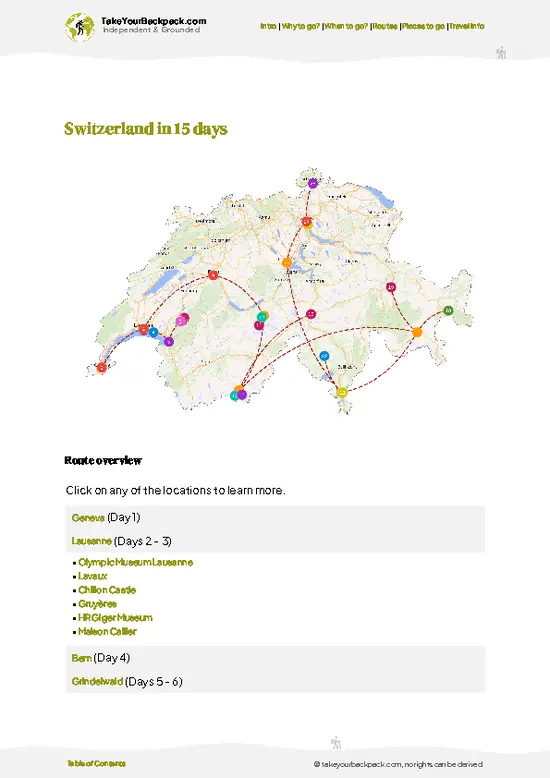
  • Lauterbrunnen Valley—waterfalls, cliffside hamlets, alpine pastures| 11 km away
  • Grindelwald—glacier views, hiking base, mountain railways| 15 km away
  • Thun—castle hill, river islands, covered bridges| 20 km away

💡 Not sure where to go next?
Create a personalized itinerary for Switzerland including Interlaken and the places that fit your trip.

Generate my itinerary

👉 Discover all towns

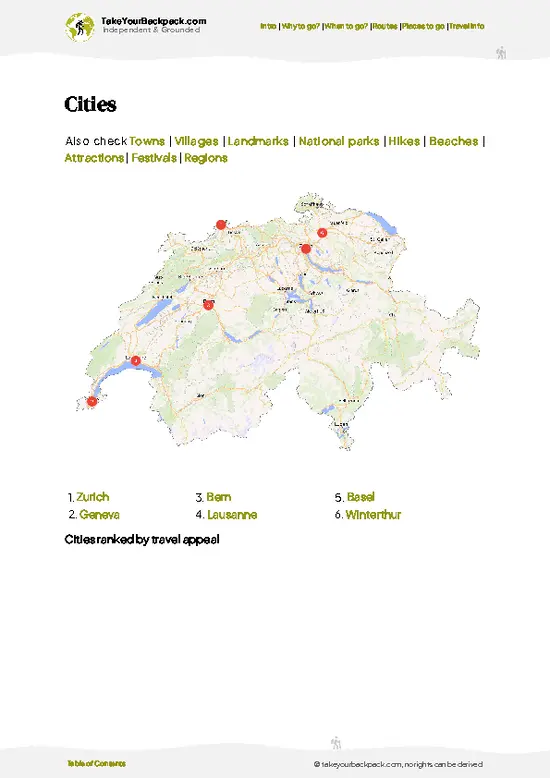
Or checkout all Switzerland has to offer (think cities, towns, villages, national parks, hikes, beaches, festivals)
Country photo of Switzerland

We 💚 feedbackParting advice and final tips

Interlaken is a playground for adventure lovers, with the crisp mountain air filling your lungs as you gaze at the peaks. The thrill of paragliding over turquoise lakes is unmatched. But be ready for crowds; summer weekends can feel like a bustling marketplace. Embrace the chaos, though—it’s part of the experience. Just plan your hikes for early mornings or weekdays to savor the serenity before the masses arrive.

✈️ When did I visit Switzerland?
Being so close to my home country, and me loving mountains, I have visited Switzerland many times in my childhood during summer holidays for hiking in the Alps. One of the most beautiful countries in the world, though expensive.

✍️ Help improve this page!
The information on this page is based on my own backpacking experience in Switzerland, supplemented with up-to-date research and feedback from other travelers. Travel details can change, so if you notice anything outdated or incomplete, feel free to let me know.


🙋‍♂️ Give feedback

👋 Meet the founderWho’s Behind Take Your Backpack?

Johan, backpacker and founder of TakeYourBackpackHi, I’m Johan (Netherlands 🇳🇱), the creator of TakeYourBackpack. Over the past decade, I’ve backpacked through 80+ countries across six continents, gaining extensive experience with independent travel, long-term trips, and overland routes.

This site is built on a combination of firsthand travel experience and carefully curated insights from other backpackers. Many guides are based on places I’ve personally visited, while others bring together tips, observations, and practical advice shared by trusted travelers I’ve met along the way.

The goal is to provide realistic, experience-driven guidance — not generic itineraries — so you can explore destinations with better context, clearer expectations, and more confidence.

Get full country guide •
Instant download • 121 highlights • Full Offline guide