×
Matterhorn

Switzerland🇨🇭 | landmarksMatterhorniconic peak, glacial slopes, alpine skyline | things to do and best time to go

Explore Gotthard PassExplore Pizol

Backpacking in Matterhorn
🏆 Top pickunique site ranked #1
By Johan Kruseman 🇳🇱 | Updated June 4, 2026

Your boots crunch on frost as you step out of the Zermatt station at dawn, the air so sharp it almost stings your teeth. You look up, and there it is: the Matterhorn, a jagged shark fin of rock catching the first orange light while cowbells clink somewhere down-valley and the smell of woodsmoke drifts from chalet chimneys. This peak sits above Zermatt in the canton of Valais, in southern Switzerland, right on the border with Italy. As a backpacker, you’re not coming here for solitude or cheap thrills. It’s expensive, heavily photographed, and yes, you’ll share every viewpoint with tripods and designer ski jackets. But the silhouette is legendary for a reason, the mountaineering history is heavy in the air, and even budget travelers can ride the local trails and free viewpoints into a kind of slow-burn awe. It’s overhyped on Instagram, but in person, it still hits hard.

Discover everything you want to know in the 📖 Switzerland Travel Guide.
Loading the map 🌍
CLICK TO FILTER
cities
towns
villages
landmarks
national parks
hikes
beaches
attractions
festivals
regions
SHOW COUNTRY’S BESTSHOW ALL

✨ Why go?
Ranked #1 unique site in Switzerland
What sets this place apart

The Matterhorn is a must-see for backpackers, but let’s cut through the fluff. Yes, it’s iconic, but it’s also a magnet for tourists. Expect crowds, especially in peak season. However, the effort-to-reward ratio is still worth it.

You can hike the 5-Seenweg trail, which offers stunning views of the Matterhorn reflected in five different lakes. It’s a solid day hike that gives you a taste of the Swiss Alps without breaking the bank. The trail is well-marked and accessible, making it perfect for various skill levels.

What makes the Matterhorn special isn’t just its shape; it’s the surrounding charm of Zermatt. This car-free village has a unique vibe, with cozy chalets and local eateries serving up hearty Swiss fare. Grab a fondue after your hike; it’s a rite of passage.

Integrate the Matterhorn … read more 👉
The Matterhorn is a must-see for backpackers, but let’s cut through the fluff. Yes, it’s iconic, but it’s also a magnet for tourists. Expect crowds, especially in peak season. However, the effort-to-reward ratio is still worth it.

You can hike the 5-Seenweg trail, which offers stunning views of the Matterhorn reflected in five different lakes. It’s a solid day hike that gives you a taste of the Swiss Alps without breaking the bank. The trail is well-marked and accessible, making it perfect for various skill levels.

What makes the Matterhorn special isn’t just its shape; it’s the surrounding charm of Zermatt. This car-free village has a unique vibe, with cozy chalets and local eateries serving up hearty Swiss fare. Grab a fondue after your hike; it’s a rite of passage.

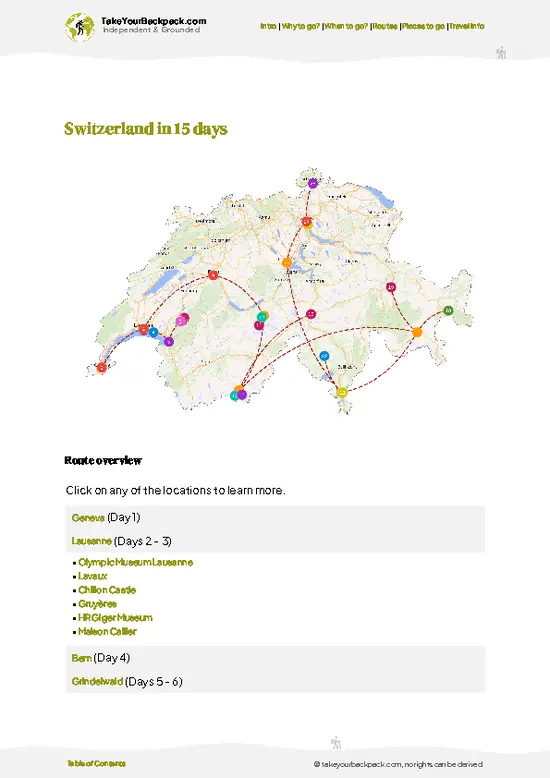
Integrate the Matterhorn into a broader route through the Swiss Alps. It’s a natural stop if you’re hitting other trails or towns like Grindelwald or Interlaken. The Matterhorn isn’t just a photo op; it’s a gateway to authentic experiences that make the journey worthwhile.
Want to include Matterhorn in your Switzerland route?
Create a personalized Switzerland itinerary that includes Matterhorn and the places that fit your trip — based on your travel style, budget, and available time. Get your route in seconds.

Generate my trip

💡 HighlightsDon't-miss highlights and experiences

  • Hörnli Ridge & Hörnli Hut — the classic “normal” route and the place where alpine history feels alive; Hörnli Hut is the launch point for climbers and a tiny museum of the 1865 first ascent tragedy with a rugged, communal mountain-hut vibe even non-climbers can appreciate.
  • Matterhorn Glacier Paradise (Klein Matterhorn) — Europe’s highest cable-car station, offering a jaw-dropping panoramic terrace, an ice palace inside the glacier, and guaranteed snow year-round; it’s the easiest way to get altitude views without ropework.
  • Gornergrat Railway & Summit Viewpoint — a scenic cogwheel train that climbs through larch forests to a viewpoint overlooking the Matterhorn, the vast Gorner Glacier, and a ring of 4,000-m peaks; sunrise from here is utterly addictive.
  • Stellisee and the Reflection Shots
read more 👉
  • Hörnli Ridge & Hörnli Hut — the classic “normal” route and the place where alpine history feels alive; Hörnli Hut is the launch point for climbers and a tiny museum of the 1865 first ascent tragedy with a rugged, communal mountain-hut vibe even non-climbers can appreciate.
  • Matterhorn Glacier Paradise (Klein Matterhorn) — Europe’s highest cable-car station, offering a jaw-dropping panoramic terrace, an ice palace inside the glacier, and guaranteed snow year-round; it’s the easiest way to get altitude views without ropework.
  • Gornergrat Railway & Summit Viewpoint — a scenic cogwheel train that climbs through larch forests to a viewpoint overlooking the Matterhorn, the vast Gorner Glacier, and a ring of 4,000-m peaks; sunrise from here is utterly addictive.
  • Stellisee and the Reflection Shots — small lake, huge payoff: on calm mornings the Matterhorn mirrors perfectly in the water, making for the iconic photo that keeps photographers and Instagrammers waking early.
  • Zermatt Village (car-free Alpine culture) — quaint wooden chalets, mountain-sports shops, and a strong mountaineering culture; being car-free gives the town a slow, clean feel that’s part of the Matterhorn experience.
  • Matterhorn Museum (Zermatlantis) — an underground museum that tells the human side of the mountain: first ascents, local life, climbing equipment through the ages—great for understanding why the Matterhorn means so much beyond just a photo.
  • Five-Lakes Walk & Nearby Hiking — an easy-to-moderate trail that strings together multiple viewpoints and reflective lakes, each giving a slightly different angle on the Matterhorn; ideal for backpackers who want big views without technical gear.
  • Alpenglow & Weather Drama — the mountain’s mood swings are part of the show: vivid pink-orange alpenglow at sunrise/sunset and dramatic clouds or storm-lighting that photographers and climbers both worship—always check the forecast, and don’t expect it to behave.
Spotted a mistake or missing something? Contact us.

Things to do around Matterhorn

Ratings based on Tripadvisor reviews. When you book through this link, you support our work at no extra cost to you.

🌤️ When to go?Seasonal considerations and timing


  • Weather: The Matterhorn’s weather swings hard. Summer (June to September) brings mild, often clear days perfect for hiking, with temps around 10-20°C (50-68°F). Winter is brutally cold, often below -10°C (14°F), with heavy snow—great for skiing but tough for backpackers.

  • Temperature: Spring and fall are unpredictable; you can get warm afternoons or sudden snow. Summer offers the safest bet for comfortable trekking, while winter demands serious gear and experience.

  • Daylight Hours: In summer, you get up to 16 hours of daylight—ideal for long hikes and exploring. Winter days shrink to about 8 hours, limiting outdoor time and making early starts mandatory.

  • Crowds: Peak season is July and August. Expect throngs of tourists, especially around Zermatt and popular trails. Shoulder seasons
read more 👉

  • Weather: The Matterhorn’s weather swings hard. Summer (June to September) brings mild, often clear days perfect for hiking, with temps around 10-20°C (50-68°F). Winter is brutally cold, often below -10°C (14°F), with heavy snow—great for skiing but tough for backpackers.

  • Temperature: Spring and fall are unpredictable; you can get warm afternoons or sudden snow. Summer offers the safest bet for comfortable trekking, while winter demands serious gear and experience.

  • Daylight Hours: In summer, you get up to 16 hours of daylight—ideal for long hikes and exploring. Winter days shrink to about 8 hours, limiting outdoor time and making early starts mandatory.

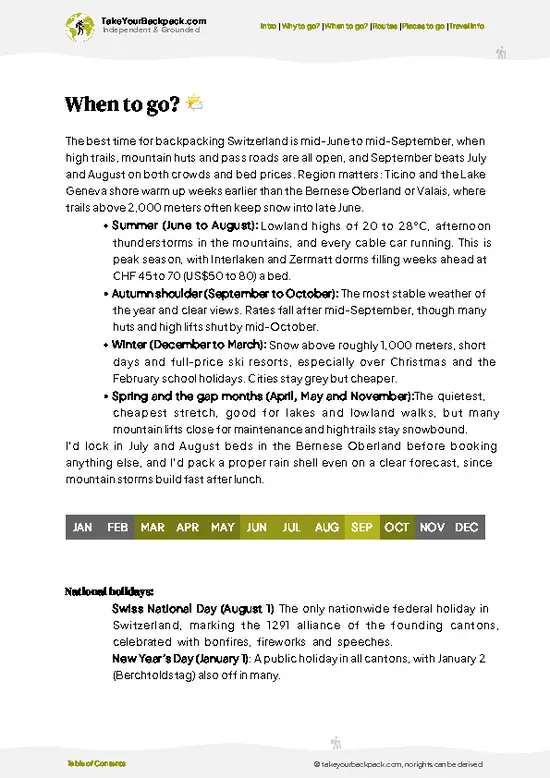
  • Crowds: Peak season is July and August. Expect throngs of tourists, especially around Zermatt and popular trails. Shoulder seasons (late June or September) offer fewer people but still decent weather.

  • Seasonal Activities: Summer is hiking, climbing, and mountain biking territory. Winter flips to skiing and snowboarding. Spring and fall are quieter but riskier for unstable weather and closed trails.

  • Price Fluctuations: Accommodation and transport costs spike in summer and winter ski season. Shoulder seasons bring better deals but fewer services open, so plan accordingly.


Pro-tip: Aim for late June or early September—weather’s still solid, crowds thin, and prices drop. You’ll get the Matterhorn’s raw power without the tourist circus.


source: climatestotravel.comJANJanuary: fair for travelingFEBFebruary: fair for travelingMARMarch: fair for travelingAPRApril: good for travelingMAYMay: good for travelingJUNJune: highly recommended for travelingJULJuly: excellent for travelingAUGAugust: excellent for travelingSEPSeptember: highly recommended for travelingOCTOctober: good for travelingNOVNovember: fair for travelingDECDecember: fair for traveling
Italy&Switzerland - Matterhorn

✈️ The backpacker research shortcutSwitzerland Travel Guide

An offline-friendly backpacking guide with optimized travel routes, ranked highlights, transport advice, and the best areas to stay.
example page 0 from our offline Travel Guide for Switzerland
example page 1 from our offline Travel Guide for Switzerland
example page 2 from our offline Travel Guide for Switzerland
example page 3 from our offline Travel Guide for Switzerland
example page 4 from our offline Travel Guide for Switzerland
example page 5 from our offline Travel Guide for Switzerland
example page 6 from our offline Travel Guide for Switzerland
example page 7 from our offline Travel Guide for Switzerland
The digital guide (449 pages) contains:
121 highlights, ranked by travel appeal
Optimized 5, 10 & 15-day travel routes
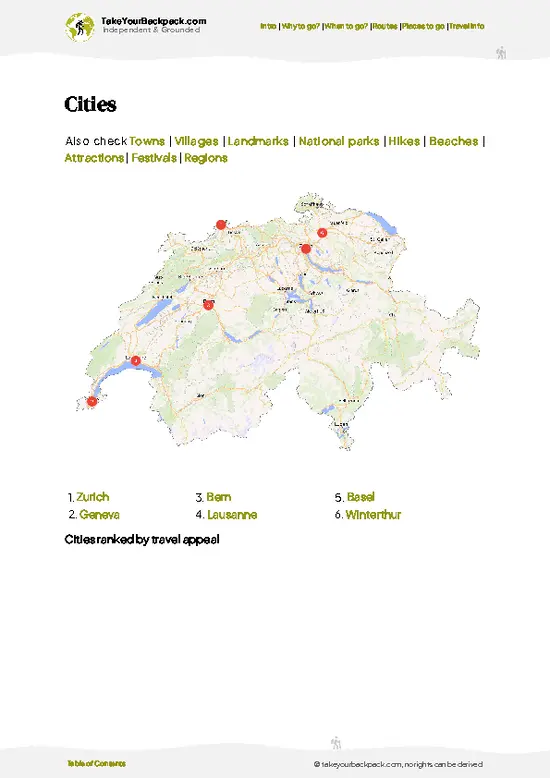
Cities, national parks, landmarks, beaches
How to get around
Offline-friendly for travel without Wi-Fi
👉 Click to see all 30+ guide features

📅 Plan smarter in minutes, not weeks
Month by month travel advice
Festivals & national holidays
Budget expectations

🗺️ Go to the right places, skip the overrated ones
Honest pros & cons of destinations
Top hikes, parks & viewpoints
Lesser-known places most travelers miss
Clear “worth it vs skip it” guidance

🛏️ Travel smoothly without rookie mistakes
Best areas to stay
Transport systems explained simply
Common scams & safety advice
SIM cards, money & practical tips

🌍 Understand the country, not just visit it
Culture & traditions
52 Essential phrases & customs
Festivals worth planning around
Traveler-friendly historical context
Insights that make places more meaningful

📱 Built for real travel conditions
Fully downloadable PDF
Works completely offline
Optimized for phone use
Useful in remote areas & buses
Everything in one place
Save weeks of stressful planning
Get instant access to your full guide. 30‑day money-back guarantee.


By proceeding you agree to our terms.
Sent to your inbox immediately after payment • 100% Secure Checkout
Best Backpacking Travel Advisor 2025 tourism awardBest Backpacking
Travel Advisor
2025
What others say about Take Your Backpack Guides:
⭐⭐⭐⭐⭐
Fantastic, amazing amount of information!
⭐⭐⭐⭐⭐
My goodness this is amazing, it's what I've been looking for hats off too you!
⭐⭐⭐⭐⭐
I think this is absolutely BRILLIANT
⭐⭐⭐⭐
Very complete and informative. It's still missing places, but I gotta to commend you
⭐⭐⭐⭐⭐
This is truly amazing, thank you, can't wait to explore it with my kids!
⭐⭐⭐⭐⭐
Awesome resource, thank you!
⭐⭐⭐⭐⭐
This is amazing! Can't wait to explore the ones I haven't seen
⭐⭐⭐⭐
I love this! Well done, great idea.
⭐⭐⭐⭐⭐
Thanks for taking the time to make this gem!
⭐⭐⭐⭐⭐
This might be the best website I've ever seen.
⭐⭐⭐⭐⭐
Congratulations, and thank you so much for your work; it's incredibly valuable.
⭐⭐⭐⭐
In all seriousness I think you did a great job pointing out the important spots
⭐⭐⭐⭐⭐
10/10 very good
⭐⭐⭐⭐⭐
As someone who's only just starting to visit regularly this is awesome, thank you.
⭐⭐⭐⭐
Thank you very much! I'm going to visit my dad, it's going to be very useful!
⭐⭐⭐⭐⭐
This is really cool! We'll be travelling for the first time and this definitely come in handy.
⭐⭐⭐⭐⭐
You are now our minister of culture, congratulations 👨‍💼
⭐⭐⭐⭐⭐
Just wanted to tell you that this is a pearl! Going to follow your recommendations.
⭐⭐⭐⭐⭐
This is so cool. I'll definitely be using the resource for my travels soon.
⭐⭐⭐⭐⭐
This is very impressive! Good work.
⭐⭐⭐⭐⭐
This is an amazing and informative site. Very well done!

🛏️ Where to stay?Best areas and accommodation options

Staying near the Matterhorn is a rite of passage for backpackers, but let’s cut through the Instagram haze. Zermatt is the main hub, and yes, it’s crowded and pricey. But here’s the kicker: it’s also a vibrant, car-free village that buzzes with energy. You’ll find a mix of fellow travelers, from seasoned hikers to wide-eyed newbies, all drawn to the mountain’s iconic peak.

Head to the area around Bahnhofstrasse. It’s where the action is. You’ll find budget-friendly lodgings, lively bars, and communal spaces that make it easy to connect with others. The vibe is social, and you can swap stories … read more 👉
Staying near the Matterhorn is a rite of passage for backpackers, but let’s cut through the Instagram haze. Zermatt is the main hub, and yes, it’s crowded and pricey. But here’s the kicker: it’s also a vibrant, car-free village that buzzes with energy. You’ll find a mix of fellow travelers, from seasoned hikers to wide-eyed newbies, all drawn to the mountain’s iconic peak.

Head to the area around Bahnhofstrasse. It’s where the action is. You’ll find budget-friendly lodgings, lively bars, and communal spaces that make it easy to connect with others. The vibe is social, and you can swap stories over a beer or a simple meal.

If you want a quieter experience, consider the outskirts of Zermatt. Places like Furi or Schwarzsee offer stunning views and a more laid-back atmosphere. You’ll still be close enough to hike or take the gondola up to the Matterhorn, but you’ll escape the throngs of tourists.

Don’t overlook the camping options, either. There are spots where you can pitch a tent with a view of the Matterhorn. It’s a budget-friendly way to immerse yourself in nature, and nothing beats waking up to that majestic sight.

👛 Costs (as of 13 April 2026)Travel costs and budget guide for Matterhorn

Visiting the Matterhorn isn’t just about snapping a photo; it’s about diving into a world where nature reigns supreme. Here’s the real deal on what it’ll cost you.
  • Accommodation: Expect to pay between €100 to €300 per night for a decent hotel. Prices can skyrocket during peak seasons, especially in summer and winter. Hostels and budget options can start around €50, but don’t expect luxury.
  • Transportation: Getting to Zermatt, the gateway to the Matterhorn, involves a train ride from major Swiss cities. Tickets range from €30 to €80 one way. Once in Zermatt, local transport is mostly on foot or electric taxis, which can add up if you’re not careful.
  • Lift Passes: If you want to get up close to the Matterhorn, a lift pass for the cable cars can cost around €60 to €90 for a day. This gives you access
read more 👉
Visiting the Matterhorn isn’t just about snapping a photo; it’s about diving into a world where nature reigns supreme. Here’s the real deal on what it’ll cost you.
  • Accommodation: Expect to pay between €100 to €300 per night for a decent hotel. Prices can skyrocket during peak seasons, especially in summer and winter. Hostels and budget options can start around €50, but don’t expect luxury.
  • Transportation: Getting to Zermatt, the gateway to the Matterhorn, involves a train ride from major Swiss cities. Tickets range from €30 to €80 one way. Once in Zermatt, local transport is mostly on foot or electric taxis, which can add up if you’re not careful.
  • Lift Passes: If you want to get up close to the Matterhorn, a lift pass for the cable cars can cost around €60 to €90 for a day. This gives you access to stunning views and hiking trails, but it’s a must for serious exploration.
  • Food: Dining in Zermatt can be pricey. Expect to spend €15 to €30 for a casual meal. Fine dining can easily push that to €50 or more. Stocking up on snacks from local markets can help balance the budget.
  • Activities: Beyond the lifts, guided tours or activities like skiing or hiking can range from €50 to €200, depending on what you choose. Some experiences, like glacier hikes, are worth every cent for the unique perspective they offer.

The Matterhorn is a spectacle, but it comes with a price tag. Prepare accordingly, and you’ll find the experience is worth every euro.


source: myswitzerland.com
⚠️ Prices can change and everyone travels differently, so take this as a rough guide. Hope it helps you plan your adventure!

Other Swiss landmarks near Matterhorn

Explore more nearby:


💡 Not sure where to go next?
Create a personalized itinerary for Switzerland including Matterhorn and the places that fit your trip.

Generate my itinerary

👉 Discover all landmarks

Or checkout all Switzerland has to offer (think cities, towns, villages, national parks, hikes, beaches, festivals)
Country photo of Switzerland

We 💚 feedbackSumming up the experience

The Matterhorn is iconic for a reason. Standing there, with its jagged peak piercing the sky, you feel a rush that’s hard to describe. But let’s be real: the crowds can be overwhelming, especially in summer. You’ll share the view with a sea of tourists snapping selfies. Still, if you can push through the hustle, the experience of hiking those trails and soaking in the raw beauty is worth every step. Just be ready for the chaos.

✈️ When did I visit Switzerland?
Being so close to my home country, and me loving mountains, I have visited Switzerland many times in my childhood during summer holidays for hiking in the Alps. One of the most beautiful countries in the world, though expensive.

✍️ Help improve this page!
The information on this page is based on my own backpacking experience in Switzerland, supplemented with up-to-date research and feedback from other travelers. Travel details can change, so if you notice anything outdated or incomplete, feel free to let me know.


🙋‍♂️ Give feedback

👋 Meet the founderWho’s Behind Take Your Backpack?

Johan, backpacker and founder of TakeYourBackpackHi, I’m Johan (Netherlands 🇳🇱), the creator of TakeYourBackpack. Over the past decade, I’ve backpacked through 80+ countries across six continents, gaining extensive experience with independent travel, long-term trips, and overland routes.

This site is built on a combination of firsthand travel experience and carefully curated insights from other backpackers. Many guides are based on places I’ve personally visited, while others bring together tips, observations, and practical advice shared by trusted travelers I’ve met along the way.

The goal is to provide realistic, experience-driven guidance — not generic itineraries — so you can explore destinations with better context, clearer expectations, and more confidence.

Get full country guide •
Instant download • 121 highlights • Full Offline guide