v2.webp)
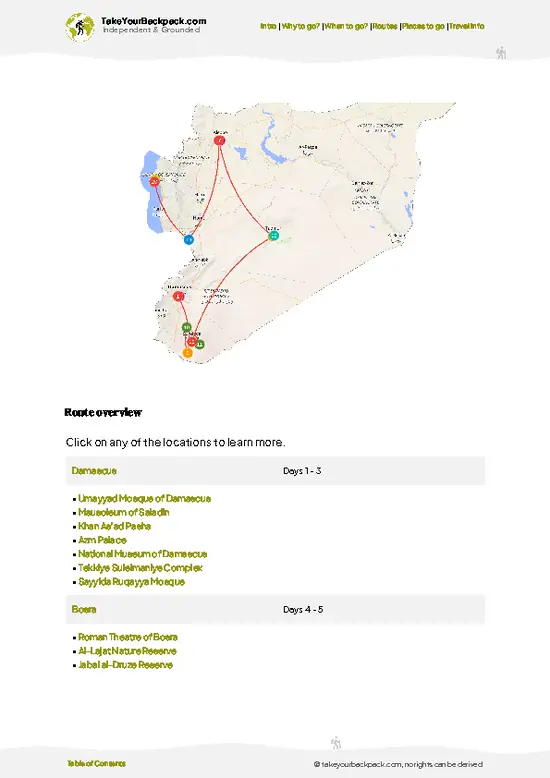
The Surviving Minaret
Let’s get real: most of the Al-Kindi Mosque is rubble, but the minaret still stands—scarred, battered, and absolutely magnetic. It’s not pretty in the Instagram sense, but it’s a raw, honest survivor. You can see the pockmarks from shelling and the stubborn geometry of Mamluk stonework. This is history you can touch, not just photograph.
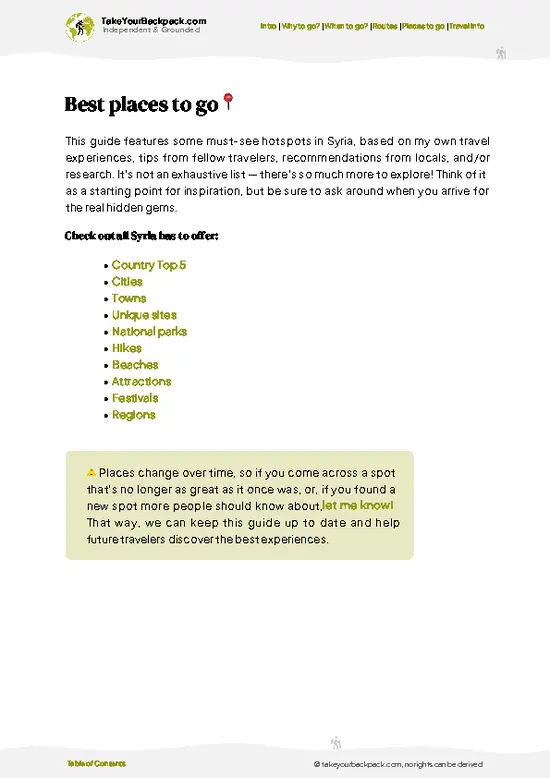
The Courtyard Ruins
Forget manicured lawns or tidy mosaics. Here, the courtyard is a jigsaw of shattered columns and fractured paving stones. The chaos tells its own story—of centuries of worship, sudden violence, and the slow, relentless reclaiming by time. If you want to feel the pulse of Aleppo’s old city, stand here at dusk as the call to prayer echoes from nearby mosques.
Fragments of Mamluk Architecture
If you know what to look … read more 👉
Let’s get real: most of the Al-Kindi Mosque is rubble, but the minaret still stands—scarred, battered, and absolutely magnetic. It’s not pretty in the Instagram sense, but it’s a raw, honest survivor. You can see the pockmarks from shelling and the stubborn geometry of Mamluk stonework. This is history you can touch, not just photograph.
The Courtyard Ruins
Forget manicured lawns or tidy mosaics. Here, the courtyard is a jigsaw of shattered columns and fractured paving stones. The chaos tells its own story—of centuries of worship, sudden violence, and the slow, relentless reclaiming by time. If you want to feel the pulse of Aleppo’s old city, stand here at dusk as the call to prayer echoes from nearby mosques.
Fragments of Mamluk Architecture
If you know what to look … read more 👉
The Surviving Minaret
Let’s get real: most of the Al-Kindi Mosque is rubble, but the minaret still stands—scarred, battered, and absolutely magnetic. It’s not pretty in the Instagram sense, but it’s a raw, honest survivor. You can see the pockmarks from shelling and the stubborn geometry of Mamluk stonework. This is history you can touch, not just photograph.
The Courtyard Ruins
Forget manicured lawns or tidy mosaics. Here, the courtyard is a jigsaw of shattered columns and fractured paving stones. The chaos tells its own story—of centuries of worship, sudden violence, and the slow, relentless reclaiming by time. If you want to feel the pulse of Aleppo’s old city, stand here at dusk as the call to prayer echoes from nearby mosques.
Fragments of Mamluk Architecture
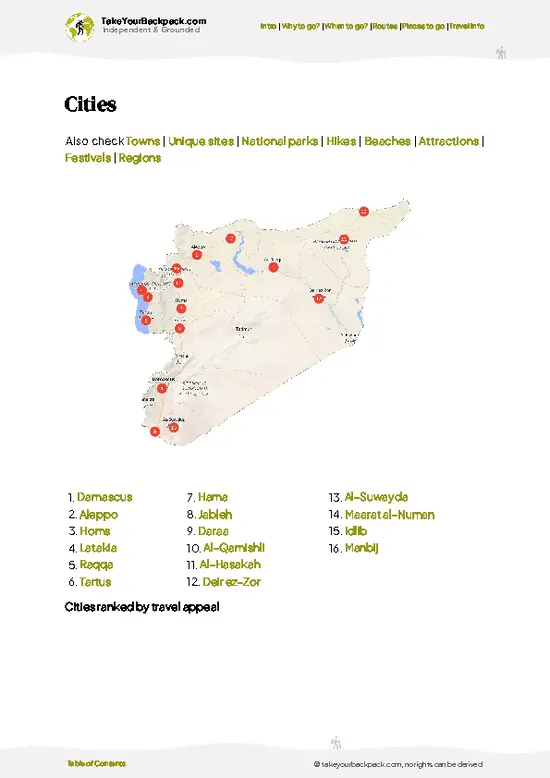
If you know what to look for, you’ll spot the signature Mamluk flourishes: carved stone, geometric patterns, and the ghostly outlines of once-grand arches. These fragments are like clues in a scavenger hunt for the past. They’re not curated for tourists—no velvet ropes, no explanatory plaques—just the bones of a lost masterpiece.
The Human Element
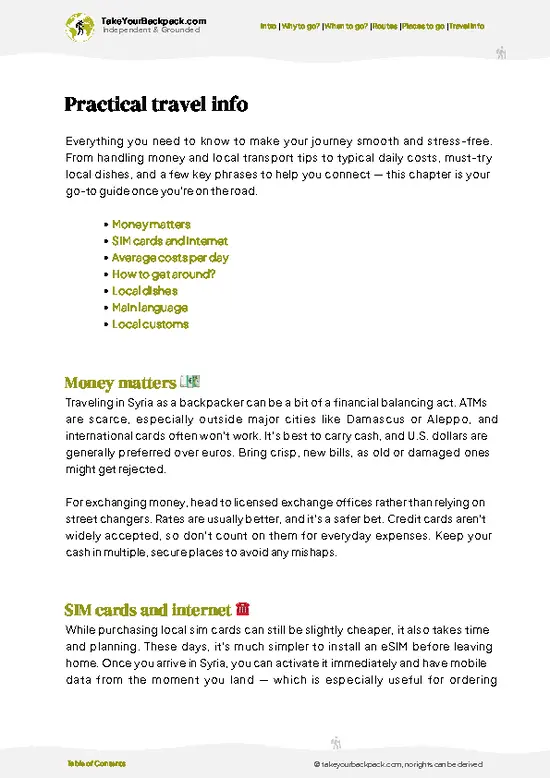
This is my personal favorite. Locals still drift through, sometimes pausing for a quiet moment or sharing stories about what the mosque meant before the war. There’s a humility and resilience here that no glossy travel brochure can fake. If you want to understand Aleppo, watch how people interact with these ruins. The real magic isn’t in the stones; it’s in the way the community refuses to let go of its memory.
Let’s get real: most of the Al-Kindi Mosque is rubble, but the minaret still stands—scarred, battered, and absolutely magnetic. It’s not pretty in the Instagram sense, but it’s a raw, honest survivor. You can see the pockmarks from shelling and the stubborn geometry of Mamluk stonework. This is history you can touch, not just photograph.
The Courtyard Ruins
Forget manicured lawns or tidy mosaics. Here, the courtyard is a jigsaw of shattered columns and fractured paving stones. The chaos tells its own story—of centuries of worship, sudden violence, and the slow, relentless reclaiming by time. If you want to feel the pulse of Aleppo’s old city, stand here at dusk as the call to prayer echoes from nearby mosques.
Fragments of Mamluk Architecture
If you know what to look for, you’ll spot the signature Mamluk flourishes: carved stone, geometric patterns, and the ghostly outlines of once-grand arches. These fragments are like clues in a scavenger hunt for the past. They’re not curated for tourists—no velvet ropes, no explanatory plaques—just the bones of a lost masterpiece.
The Human Element
This is my personal favorite. Locals still drift through, sometimes pausing for a quiet moment or sharing stories about what the mosque meant before the war. There’s a humility and resilience here that no glossy travel brochure can fake. If you want to understand Aleppo, watch how people interact with these ruins. The real magic isn’t in the stones; it’s in the way the community refuses to let go of its memory.
Spotted a mistake or missing something? Contact us.

 Best Backpacking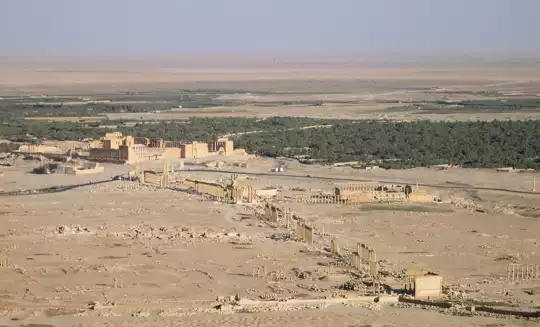
.jpg) Hi, I’m Johan (Netherlands 🇳🇱), the creator of TakeYourBackpack. Over the past decade, I’ve backpacked through 80+ countries across six continents, gaining extensive experience with independent travel, long-term trips, and overland routes.
Hi, I’m Johan (Netherlands 🇳🇱), the creator of TakeYourBackpack. Over the past decade, I’ve backpacked through 80+ countries across six continents, gaining extensive experience with independent travel, long-term trips, and overland routes.