v2.webp)
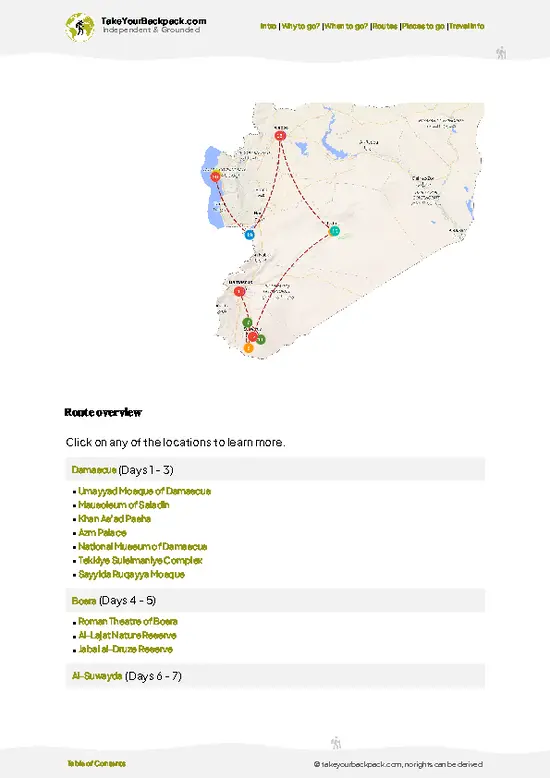
The Mirrored Mausoleum Chamber
Forget the Instagram filters—nothing can replicate the shock of stepping into this chamber. Every inch is covered in tiny, hand-cut mirror mosaics. The effect is dizzying: light bounces and fractures, turning the room into a kaleidoscope. It’s not subtle, and it’s not trying to be. This is spiritual theater, and it’s the kind of craftsmanship you’ll remember long after you’ve forgotten the hashtags.
The Zarih (Tomb Enclosure)
The silver latticework around Sayyida Ruqayya’s tomb isn’t just decorative—it’s a living focal point for devotion. Pilgrims press their hands and foreheads to the metal, whispering prayers. The energy here is raw and immediate, a collision of grief, hope, and gratitude. If you want to understand why people cross continents for a single … read more 👉
Forget the Instagram filters—nothing can replicate the shock of stepping into this chamber. Every inch is covered in tiny, hand-cut mirror mosaics. The effect is dizzying: light bounces and fractures, turning the room into a kaleidoscope. It’s not subtle, and it’s not trying to be. This is spiritual theater, and it’s the kind of craftsmanship you’ll remember long after you’ve forgotten the hashtags.
The Zarih (Tomb Enclosure)
The silver latticework around Sayyida Ruqayya’s tomb isn’t just decorative—it’s a living focal point for devotion. Pilgrims press their hands and foreheads to the metal, whispering prayers. The energy here is raw and immediate, a collision of grief, hope, and gratitude. If you want to understand why people cross continents for a single … read more 👉
The Mirrored Mausoleum Chamber
Forget the Instagram filters—nothing can replicate the shock of stepping into this chamber. Every inch is covered in tiny, hand-cut mirror mosaics. The effect is dizzying: light bounces and fractures, turning the room into a kaleidoscope. It’s not subtle, and it’s not trying to be. This is spiritual theater, and it’s the kind of craftsmanship you’ll remember long after you’ve forgotten the hashtags.
The Zarih (Tomb Enclosure)
The silver latticework around Sayyida Ruqayya’s tomb isn’t just decorative—it’s a living focal point for devotion. Pilgrims press their hands and foreheads to the metal, whispering prayers. The energy here is raw and immediate, a collision of grief, hope, and gratitude. If you want to understand why people cross continents for a single moment, stand here and watch.
The Courtyard’s Social Pulse
Outside the main shrine, the courtyard is where the city’s pulse seeps in. You’ll see families picnicking, kids darting between columns, and old men trading stories. It’s not staged for tourists; it’s daily life, with all the noise and warmth that implies. If you’re after authenticity, skip the posed photos and just sit for a while. This is the real Damascus, unfiltered.
The Calligraphy and Tilework
Look up. The Quranic inscriptions and blue-tiled panels aren’t just background—they’re a masterclass in Islamic art. Every curve and color is deliberate, designed to draw your eyes upward and your mind outward. It’s easy to miss if you’re rushing, but slow down and you’ll see centuries of devotion baked into every detail.
The Rituals of Mourning and Celebration
Depending on when you visit, you might witness processions, recitations, or communal meals. These aren’t performances—they’re living traditions, sometimes loud, sometimes hushed, always deeply felt. If you’re lucky enough to be present during Muharram, the emotional intensity is off the charts. This is my personal favorite: the sense of shared humanity is overwhelming, and you’ll leave with a new understanding of what faith means here.
Forget the Instagram filters—nothing can replicate the shock of stepping into this chamber. Every inch is covered in tiny, hand-cut mirror mosaics. The effect is dizzying: light bounces and fractures, turning the room into a kaleidoscope. It’s not subtle, and it’s not trying to be. This is spiritual theater, and it’s the kind of craftsmanship you’ll remember long after you’ve forgotten the hashtags.
The Zarih (Tomb Enclosure)
The silver latticework around Sayyida Ruqayya’s tomb isn’t just decorative—it’s a living focal point for devotion. Pilgrims press their hands and foreheads to the metal, whispering prayers. The energy here is raw and immediate, a collision of grief, hope, and gratitude. If you want to understand why people cross continents for a single moment, stand here and watch.
The Courtyard’s Social Pulse
Outside the main shrine, the courtyard is where the city’s pulse seeps in. You’ll see families picnicking, kids darting between columns, and old men trading stories. It’s not staged for tourists; it’s daily life, with all the noise and warmth that implies. If you’re after authenticity, skip the posed photos and just sit for a while. This is the real Damascus, unfiltered.
The Calligraphy and Tilework
Look up. The Quranic inscriptions and blue-tiled panels aren’t just background—they’re a masterclass in Islamic art. Every curve and color is deliberate, designed to draw your eyes upward and your mind outward. It’s easy to miss if you’re rushing, but slow down and you’ll see centuries of devotion baked into every detail.
The Rituals of Mourning and Celebration
Depending on when you visit, you might witness processions, recitations, or communal meals. These aren’t performances—they’re living traditions, sometimes loud, sometimes hushed, always deeply felt. If you’re lucky enough to be present during Muharram, the emotional intensity is off the charts. This is my personal favorite: the sense of shared humanity is overwhelming, and you’ll leave with a new understanding of what faith means here.
Spotted a mistake or missing something? Contact us.

 Best Backpacking
.jpg) Hi, I’m Johan (Netherlands 🇳🇱), the creator of TakeYourBackpack. Over the past decade, I’ve backpacked through 80+ countries across six continents, gaining extensive experience with independent travel, long-term trips, and overland routes.
Hi, I’m Johan (Netherlands 🇳🇱), the creator of TakeYourBackpack. Over the past decade, I’ve backpacked through 80+ countries across six continents, gaining extensive experience with independent travel, long-term trips, and overland routes.