v2.webp)
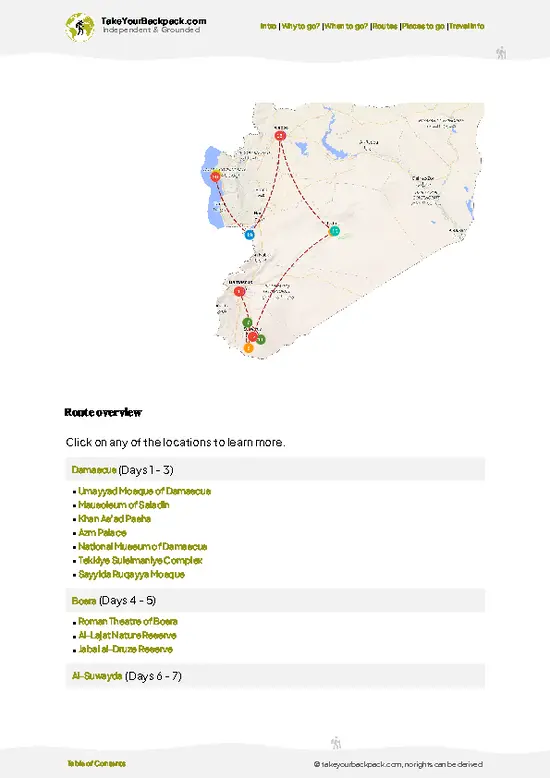
The Labyrinthine Alleys
Forget the Instagram shots of empty, sunlit corridors. The real Al-Madina Souq is a living maze—kilometers of vaulted passageways so dense and twisting you’ll lose your sense of direction and, if you’re lucky, your sense of time. This isn’t a curated bazaar for tourists; it’s a centuries-old artery where locals haggle, gossip, and haul everything from spices to satellite dishes. The chaos is the point. You’ll dodge handcarts, breathe in a cocktail of cardamom and diesel, and realize you’re walking the same flagstones as Silk Road traders and medieval pilgrims. If you want a sanitized, air-conditioned shopping experience, stay home.
The Perfume and Spice Quarter
Here’s where the souq’s reputation for sensory overload earns its stripes. You’ll find pyramids of Aleppo … read more 👉
Forget the Instagram shots of empty, sunlit corridors. The real Al-Madina Souq is a living maze—kilometers of vaulted passageways so dense and twisting you’ll lose your sense of direction and, if you’re lucky, your sense of time. This isn’t a curated bazaar for tourists; it’s a centuries-old artery where locals haggle, gossip, and haul everything from spices to satellite dishes. The chaos is the point. You’ll dodge handcarts, breathe in a cocktail of cardamom and diesel, and realize you’re walking the same flagstones as Silk Road traders and medieval pilgrims. If you want a sanitized, air-conditioned shopping experience, stay home.
The Perfume and Spice Quarter
Here’s where the souq’s reputation for sensory overload earns its stripes. You’ll find pyramids of Aleppo … read more 👉
The Labyrinthine Alleys
Forget the Instagram shots of empty, sunlit corridors. The real Al-Madina Souq is a living maze—kilometers of vaulted passageways so dense and twisting you’ll lose your sense of direction and, if you’re lucky, your sense of time. This isn’t a curated bazaar for tourists; it’s a centuries-old artery where locals haggle, gossip, and haul everything from spices to satellite dishes. The chaos is the point. You’ll dodge handcarts, breathe in a cocktail of cardamom and diesel, and realize you’re walking the same flagstones as Silk Road traders and medieval pilgrims. If you want a sanitized, air-conditioned shopping experience, stay home.
The Perfume and Spice Quarter
Here’s where the souq’s reputation for sensory overload earns its stripes. You’ll find pyramids of Aleppo soap, sacks of za’atar, and glass jars packed with rose petals and dried limes. The air is thick with the smell of cumin and musk. Vendors will insist you taste, sniff, and touch. Some will try to upsell you; most just want to show off their wares. This is the spot to watch old-school commerce in action—no price tags, just banter and bravado. If you’re not bargaining, you’re not really here.
The Copper Market (Souq al-Nahhasin)
This is not a museum—though it looks like one. The clang of hammers on brass is the soundtrack, and the shopfronts are stacked with trays, teapots, and lamps that could outlast your grandkids. Craftsmen here aren’t putting on a show for tourists; they’re working, often with skills passed down for generations. If you want a souvenir with soul, this is where you find it. Watching a coppersmith etch a pattern by hand is hypnotic, and the patina on the old wares tells stories you won’t find on a price tag. This one’s my personal favorite—there’s something grounding about seeing tradition survive the centuries, not as nostalgia, but as daily life.
The Great Umayyad Mosque Entrance
The souq’s northern end spills you out at the threshold of the Umayyad Mosque, one of the world’s oldest and most storied places of worship. The transition from the market’s frenzy to the mosque’s calm is a gut-punch of contrast. Even if you’re not religious, the sense of history here is heavy. The call to prayer echoing off ancient stone is a reminder that this city has been a crossroads of faith and trade for over a millennium.
Street Food Stalls
Skip the sit-down restaurants. The real action is at the carts and counters wedged between fabric shops and hardware stores. Try a piping-hot falafel sandwich, a slab of pistachio-studded baklava, or a glass of fresh pomegranate juice. The food is cheap, fast, and made for people who don’t have time to linger—locals on lunch break, not influencers. This is where you taste the city’s pulse, one bite at a time.
Forget the Instagram shots of empty, sunlit corridors. The real Al-Madina Souq is a living maze—kilometers of vaulted passageways so dense and twisting you’ll lose your sense of direction and, if you’re lucky, your sense of time. This isn’t a curated bazaar for tourists; it’s a centuries-old artery where locals haggle, gossip, and haul everything from spices to satellite dishes. The chaos is the point. You’ll dodge handcarts, breathe in a cocktail of cardamom and diesel, and realize you’re walking the same flagstones as Silk Road traders and medieval pilgrims. If you want a sanitized, air-conditioned shopping experience, stay home.
The Perfume and Spice Quarter
Here’s where the souq’s reputation for sensory overload earns its stripes. You’ll find pyramids of Aleppo soap, sacks of za’atar, and glass jars packed with rose petals and dried limes. The air is thick with the smell of cumin and musk. Vendors will insist you taste, sniff, and touch. Some will try to upsell you; most just want to show off their wares. This is the spot to watch old-school commerce in action—no price tags, just banter and bravado. If you’re not bargaining, you’re not really here.
The Copper Market (Souq al-Nahhasin)
This is not a museum—though it looks like one. The clang of hammers on brass is the soundtrack, and the shopfronts are stacked with trays, teapots, and lamps that could outlast your grandkids. Craftsmen here aren’t putting on a show for tourists; they’re working, often with skills passed down for generations. If you want a souvenir with soul, this is where you find it. Watching a coppersmith etch a pattern by hand is hypnotic, and the patina on the old wares tells stories you won’t find on a price tag. This one’s my personal favorite—there’s something grounding about seeing tradition survive the centuries, not as nostalgia, but as daily life.
The Great Umayyad Mosque Entrance
The souq’s northern end spills you out at the threshold of the Umayyad Mosque, one of the world’s oldest and most storied places of worship. The transition from the market’s frenzy to the mosque’s calm is a gut-punch of contrast. Even if you’re not religious, the sense of history here is heavy. The call to prayer echoing off ancient stone is a reminder that this city has been a crossroads of faith and trade for over a millennium.
Street Food Stalls
Skip the sit-down restaurants. The real action is at the carts and counters wedged between fabric shops and hardware stores. Try a piping-hot falafel sandwich, a slab of pistachio-studded baklava, or a glass of fresh pomegranate juice. The food is cheap, fast, and made for people who don’t have time to linger—locals on lunch break, not influencers. This is where you taste the city’s pulse, one bite at a time.
Spotted a mistake or missing something? Contact us.

 Best Backpacking
.jpg) Hi, I’m Johan (Netherlands 🇳🇱), the creator of TakeYourBackpack. Over the past decade, I’ve backpacked through 80+ countries across six continents, gaining extensive experience with independent travel, long-term trips, and overland routes.
Hi, I’m Johan (Netherlands 🇳🇱), the creator of TakeYourBackpack. Over the past decade, I’ve backpacked through 80+ countries across six continents, gaining extensive experience with independent travel, long-term trips, and overland routes.