v2.webp)
The Grand Entrance Bridge & Gatehouse
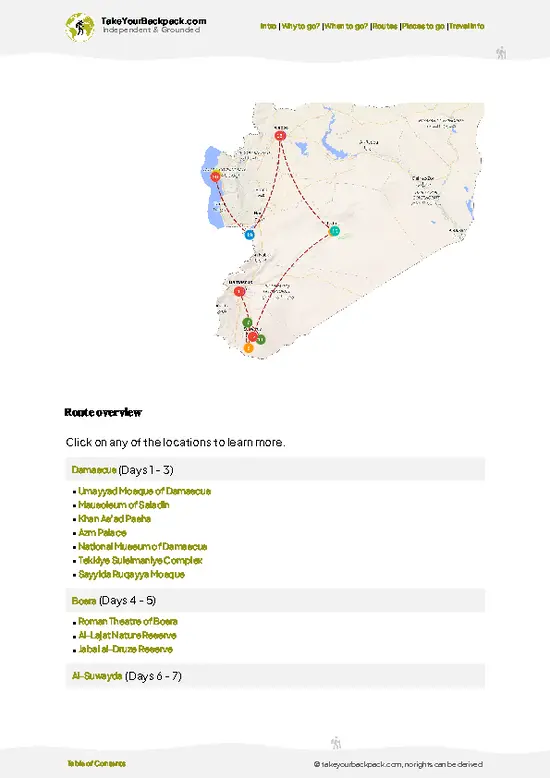
Forget the Instagram shots of empty, golden ramparts. The reality: you’ll likely share the bridge with a swirl of local families, selfie-takers, and the occasional wedding party. But here’s the kicker—this bridge is a medieval flex, a 13th-century engineering marvel that rises above a dry moat like something out of a siege movie. The gatehouse itself is a fortress within a fortress, with murder holes and a dogleg entrance designed to confuse invaders. Stand here and you’re not just looking at old stones; you’re standing in the crosshairs of a thousand years of ambition and paranoia.
The Throne Hall
This is where the sultans and emirs made their power moves. The hall is battered but still commands respect, with its high ceilings and remnants of intricate … read more 👉
Forget the Instagram shots of empty, golden ramparts. The reality: you’ll likely share the bridge with a swirl of local families, selfie-takers, and the occasional wedding party. But here’s the kicker—this bridge is a medieval flex, a 13th-century engineering marvel that rises above a dry moat like something out of a siege movie. The gatehouse itself is a fortress within a fortress, with murder holes and a dogleg entrance designed to confuse invaders. Stand here and you’re not just looking at old stones; you’re standing in the crosshairs of a thousand years of ambition and paranoia.
The Throne Hall
This is where the sultans and emirs made their power moves. The hall is battered but still commands respect, with its high ceilings and remnants of intricate … read more 👉
The Grand Entrance Bridge & Gatehouse
Forget the Instagram shots of empty, golden ramparts. The reality: you’ll likely share the bridge with a swirl of local families, selfie-takers, and the occasional wedding party. But here’s the kicker—this bridge is a medieval flex, a 13th-century engineering marvel that rises above a dry moat like something out of a siege movie. The gatehouse itself is a fortress within a fortress, with murder holes and a dogleg entrance designed to confuse invaders. Stand here and you’re not just looking at old stones; you’re standing in the crosshairs of a thousand years of ambition and paranoia.
The Throne Hall
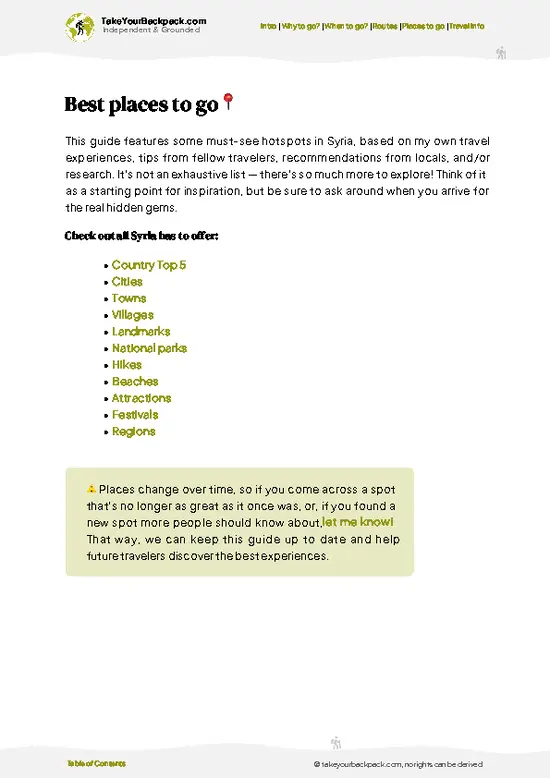
This is where the sultans and emirs made their power moves. The hall is battered but still commands respect, with its high ceilings and remnants of intricate stonework. If you listen, you can almost hear the echo of decrees and intrigue. The real magic isn’t in pristine restoration—it’s in the rawness. You’re walking through a space that’s been bombed, rebuilt, and bombed again, yet still refuses to die. It’s a survivor, and it makes you feel like one, too.
The Ayyubid Mosque
Not the biggest mosque you’ll ever see, but it’s got soul. The minaret is gone, a casualty of recent fighting, but the prayer hall remains, with its cool stone and battered mihrab. This is where you feel the pulse of Aleppo’s layered faiths—Christian, Muslim, and everything in between—woven into the walls. It’s not about grandeur; it’s about resilience and quiet dignity.
The Citadel’s Panoramic Views
Climb the ramparts and you’ll get a 360-degree reality check. The city sprawls in every direction, scarred but alive. You’ll see satellite dishes, bullet holes, and the domes of ancient souks. This is not a postcard view—it’s a living, breathing city, and the contrast between the battered skyline and the laughter drifting up from below is what makes it unforgettable. This is my personal favorite: the view that refuses to be sanitized or staged.
The Ancient Cisterns
Deep beneath the citadel, these cavernous water reservoirs are a masterclass in medieval survival. Cool, echoing, and a little eerie, they’re a reminder that this place was built to outlast sieges and droughts. Most tourists breeze past, but if you linger, you’ll catch the damp chill and the sense of ancient engineers outsmarting time itself.
The Ottoman Barracks
Rows of stone arches, battered but still standing. These were once home to soldiers from a vanished empire. Today, they’re a stark reminder that Aleppo has always been a crossroads—of armies, ideas, and ambitions. There’s nothing polished here, just the honest bones of history.
Forget the Instagram shots of empty, golden ramparts. The reality: you’ll likely share the bridge with a swirl of local families, selfie-takers, and the occasional wedding party. But here’s the kicker—this bridge is a medieval flex, a 13th-century engineering marvel that rises above a dry moat like something out of a siege movie. The gatehouse itself is a fortress within a fortress, with murder holes and a dogleg entrance designed to confuse invaders. Stand here and you’re not just looking at old stones; you’re standing in the crosshairs of a thousand years of ambition and paranoia.
The Throne Hall
This is where the sultans and emirs made their power moves. The hall is battered but still commands respect, with its high ceilings and remnants of intricate stonework. If you listen, you can almost hear the echo of decrees and intrigue. The real magic isn’t in pristine restoration—it’s in the rawness. You’re walking through a space that’s been bombed, rebuilt, and bombed again, yet still refuses to die. It’s a survivor, and it makes you feel like one, too.
The Ayyubid Mosque
Not the biggest mosque you’ll ever see, but it’s got soul. The minaret is gone, a casualty of recent fighting, but the prayer hall remains, with its cool stone and battered mihrab. This is where you feel the pulse of Aleppo’s layered faiths—Christian, Muslim, and everything in between—woven into the walls. It’s not about grandeur; it’s about resilience and quiet dignity.
The Citadel’s Panoramic Views
Climb the ramparts and you’ll get a 360-degree reality check. The city sprawls in every direction, scarred but alive. You’ll see satellite dishes, bullet holes, and the domes of ancient souks. This is not a postcard view—it’s a living, breathing city, and the contrast between the battered skyline and the laughter drifting up from below is what makes it unforgettable. This is my personal favorite: the view that refuses to be sanitized or staged.
The Ancient Cisterns
Deep beneath the citadel, these cavernous water reservoirs are a masterclass in medieval survival. Cool, echoing, and a little eerie, they’re a reminder that this place was built to outlast sieges and droughts. Most tourists breeze past, but if you linger, you’ll catch the damp chill and the sense of ancient engineers outsmarting time itself.
The Ottoman Barracks
Rows of stone arches, battered but still standing. These were once home to soldiers from a vanished empire. Today, they’re a stark reminder that Aleppo has always been a crossroads—of armies, ideas, and ambitions. There’s nothing polished here, just the honest bones of history.
Spotted a mistake or missing something? Contact us.

 Best Backpacking
.jpg) Hi, I’m Johan (Netherlands 🇳🇱), the creator of TakeYourBackpack. Over the past decade, I’ve backpacked through 80+ countries across six continents, gaining extensive experience with independent travel, long-term trips, and overland routes.
Hi, I’m Johan (Netherlands 🇳🇱), the creator of TakeYourBackpack. Over the past decade, I’ve backpacked through 80+ countries across six continents, gaining extensive experience with independent travel, long-term trips, and overland routes.