×

Syria🇸🇾 | landmarksApameacolonnaded avenue, Roman ruins, plateau views | things to do and best time to go

Explore Al-QutayfahExplore Qala’at al-Hosn

Backpacking in Apamea
👌 Worth visitingunique site ranked #4
By Johan Kruseman 🇳🇱 | Updated June 16, 2026

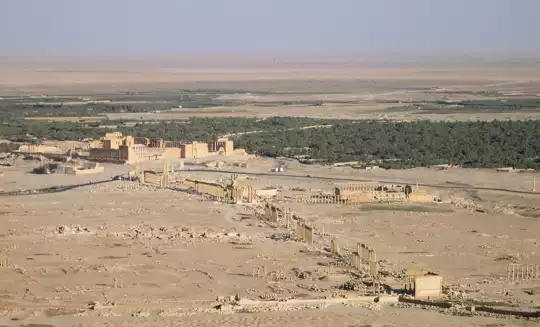
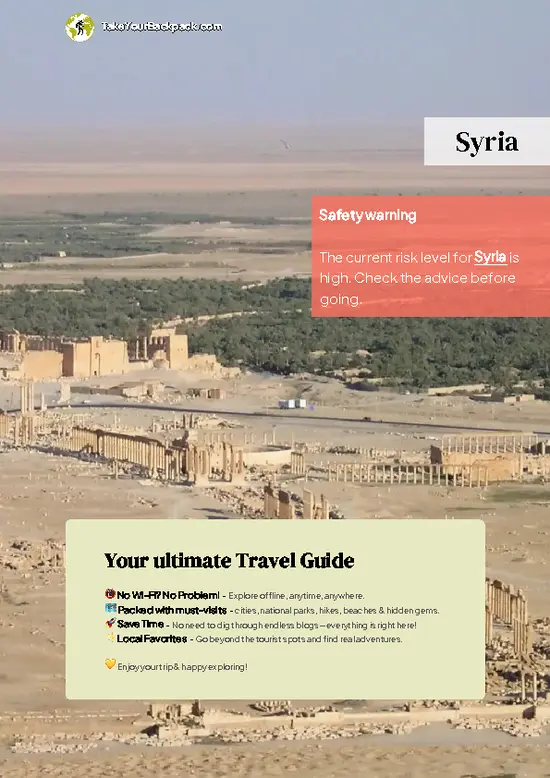
You know what nobody tells you about Apamea? You can actually breathe there. Compared to Palmyra’s tour-bus circus (pre-war), Apamea’s vast colonnaded street is so empty you can hear your own footsteps on the stones. It sits in western Syria, north of Hama and not far from Masyaf, on a ridge above the Orontes valley, which gives it that wide-open, end-of-the-world feel. As a backpacker, you get a world-class Roman city without the world-class crowds or ticket prices, but you pay in logistics and emotional weight: checkpoints, rough roads, and the constant reminder that this is a country still recovering. The wow-factor is real when you stand alone in that endless corridor of columns, with carved capitals lying like fallen giants around you. Photos look epic, but the real hit is the silence and the sense that history here hasn’t been polished for anyone.

Discover everything you want to know in the 📖 Syria Travel Guide.
Safety warning

The current risk level for Syria is high. Check the advice before going.


Get your Syria guide
90 ranked highlights, routes & tips, works offline (347 pages)
Loading the map 🌍
CLICK TO FILTER
cities
towns
landmarks
national parks
hikes
beaches
attractions
festivals
regions
SHOW COUNTRY’S BESTSHOW ALL

✨ Why go?
Ranked #4 unique site in Syria
Why Apamea should be on your travel list

Apamea isn’t just another ancient site; it’s a time capsule that whispers stories of the past. Yes, it can get crowded, especially during peak season, but the sheer scale of its colonnaded streets and well-preserved ruins makes it worth the hustle. You’ll find yourself wandering through a vast expanse of history, where the Roman theater and Byzantine mosaics pull you into a world that feels alive.

The cost? Minimal. Entrance fees are pocket change, and you can easily spend a day here without breaking the bank. Plus, Apamea fits seamlessly into a broader route through Syria, making it a natural stop between Aleppo and Homs.

This isn’t just a photo op; it’s a chance to connect with a rich cultural tapestry that’s often overlooked. The authenticity of the site, combined with its accessibility, … read more 👉
Apamea isn’t just another ancient site; it’s a time capsule that whispers stories of the past. Yes, it can get crowded, especially during peak season, but the sheer scale of its colonnaded streets and well-preserved ruins makes it worth the hustle. You’ll find yourself wandering through a vast expanse of history, where the Roman theater and Byzantine mosaics pull you into a world that feels alive.

The cost? Minimal. Entrance fees are pocket change, and you can easily spend a day here without breaking the bank. Plus, Apamea fits seamlessly into a broader route through Syria, making it a natural stop between Aleppo and Homs.

This isn’t just a photo op; it’s a chance to connect with a rich cultural tapestry that’s often overlooked. The authenticity of the site, combined with its accessibility, makes it a must-see for backpackers seeking more than just the Instagram version of travel. Embrace the crowds, soak in the history, and let Apamea work its magic on you.
Want to include Apamea in your Syria route?
Create a personalized Syria itinerary that includes Apamea and the places that fit your trip — based on your travel style, budget, and available time. Get your route in seconds.

Generate my trip

💡 HighlightsMust-see experiences and standout moments

  • Great Colonnade — A truly massive colonnaded avenue (stretching roughly along the city’s main axis) lined with hundreds of stone columns, bases and capitals. Walking it gives you a real sense of the city’s original scale; it’s the picture people imagine when they think “Roman Apamea.” (Personal favorite — it’s hard not to slow down and just stare.)
  • Roman Theater — One of the larger theaters in Syria, carved into a slope with tiered seating and a roomy stage area. Even in ruin you can pick out the orchestra, seating layout and stage foundations, and picture large public spectacles or civic gatherings.
  • Tetrapylon — The monumental four-way columned marker at the intersection of the main streets. It’s a dramatic focal point and a great spot to appreciate Roman urban design — imagine processions
read more 👉
  • Great Colonnade — A truly massive colonnaded avenue (stretching roughly along the city’s main axis) lined with hundreds of stone columns, bases and capitals. Walking it gives you a real sense of the city’s original scale; it’s the picture people imagine when they think “Roman Apamea.” (Personal favorite — it’s hard not to slow down and just stare.)
  • Roman Theater — One of the larger theaters in Syria, carved into a slope with tiered seating and a roomy stage area. Even in ruin you can pick out the orchestra, seating layout and stage foundations, and picture large public spectacles or civic gatherings.
  • Tetrapylon — The monumental four-way columned marker at the intersection of the main streets. It’s a dramatic focal point and a great spot to appreciate Roman urban design — imagine processions moving along the colonnade and pausing here.
  • Orontes and the river island setting — Apamea sits where the Orontes splits around an island; the waterways and surviving bridge traces shape the city’s plan and give the ruins a distinctive riverside character you don’t get at every ancient site.
  • Cardo Maximus and street grid — The long, straight main street and perpendicular layout show clear Hellenistic-Roman planning. Look for surviving paving, shop fronts and porticoes that hint at everyday life in a bustling provincial capital.
  • Bath complex and stonework — Remains of public baths, arches and carved blocks with decorative details. You’ll see column fragments, carved capitals and inscriptions that tell small stories about the city’s craftsmen and patrons.
  • Panoramic viewpoints and ruins clusters — Small elevated spots around the site deliver classic sunset or golden-hour shots across the colonnade and theater. Good for stretching your legs, taking photos and getting the scale in one glance.
Spotted a mistake or missing something? Contact us.
🌤️ When to go?Best time to visit Apamea


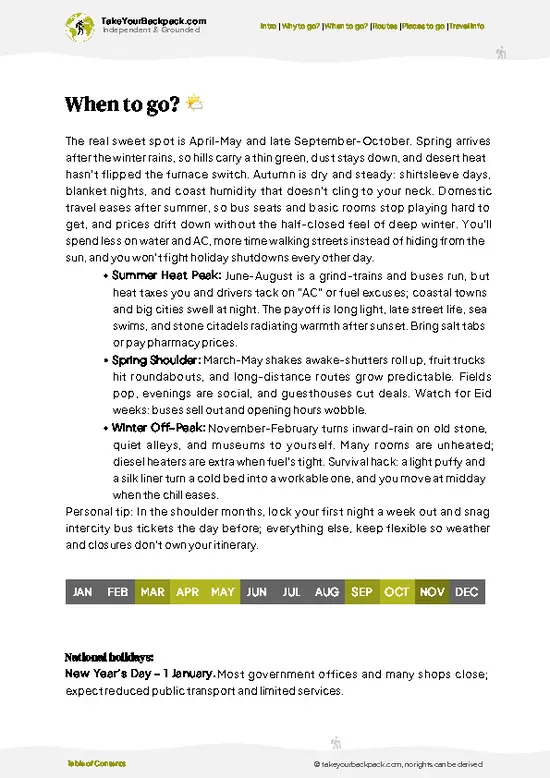
  • Weather: Summers in Apamea scorch, often hitting 35-40°C (95-104°F). If you’re not a fan of baking under the Syrian sun, avoid June through August. Spring and autumn offer mild, pleasant weather perfect for wandering the ruins without feeling like you’re in a sauna.

  • Temperature: Winters can dip to 5°C (41°F) at night, which might surprise you if you expect a desert heatwave year-round. Daytime in winter is cool but manageable, around 15°C (59°F). Pack layers if you go off-season.

  • Daylight Hours: Spring and autumn provide a sweet spot with about 11-13 hours of daylight—enough time to explore without rushing, but not so much that you’re drained by the heat or crowds.

  • Crowds: Apamea isn’t exactly a tourist hotspot, but spring attracts local visitors and history buffs. Winter sees fewer
read more 👉

  • Weather: Summers in Apamea scorch, often hitting 35-40°C (95-104°F). If you’re not a fan of baking under the Syrian sun, avoid June through August. Spring and autumn offer mild, pleasant weather perfect for wandering the ruins without feeling like you’re in a sauna.

  • Temperature: Winters can dip to 5°C (41°F) at night, which might surprise you if you expect a desert heatwave year-round. Daytime in winter is cool but manageable, around 15°C (59°F). Pack layers if you go off-season.

  • Daylight Hours: Spring and autumn provide a sweet spot with about 11-13 hours of daylight—enough time to explore without rushing, but not so much that you’re drained by the heat or crowds.

  • Crowds: Apamea isn’t exactly a tourist hotspot, but spring attracts local visitors and history buffs. Winter sees fewer people, offering a more solitary experience, though some facilities might be closed.

  • Seasonal Activities: Spring brings wildflowers and greener surroundings, adding unexpected color to the ancient stones. Autumn’s cooler air makes long hikes around the site more enjoyable.

  • Price Fluctuations: Syria’s tourism is unpredictable, but generally, prices for guides and accommodations are lower in winter due to fewer visitors. Spring can see a slight uptick, but it’s still affordable compared to global heritage sites.


Pro-tip: Aim for late March to early May—cool, quiet, and alive with subtle natural beauty that no Instagram filter can capture.


source: climatestotravel.comJANJanuary: good for travelingFEBFebruary: good for travelingMARMarch: highly recommended for travelingAPRApril: excellent for travelingMAYMay: excellent for travelingJUNJune: fair for travelingJULJuly: below average for travelingAUGAugust: below average for travelingSEPSeptember: highly recommended for travelingOCTOctober: excellent for travelingNOVNovember: highly recommended for travelingDECDecember: good for traveling
when-to-go

✈️ The backpacker research shortcutSyria Travel Guide

An offline-friendly backpacking guide with optimized travel routes, ranked highlights, transport advice, and the best areas to stay.
example page 0 from our offline Travel Guide for Syria
example page 1 from our offline Travel Guide for Syria
example page 2 from our offline Travel Guide for Syria
example page 3 from our offline Travel Guide for Syria
example page 4 from our offline Travel Guide for Syria
example page 5 from our offline Travel Guide for Syria
example page 6 from our offline Travel Guide for Syria
example page 7 from our offline Travel Guide for Syria
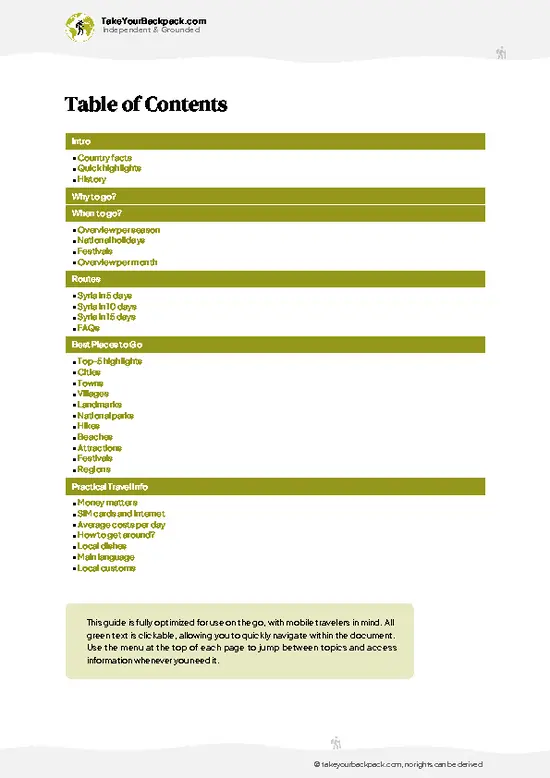
The digital guide (347 pages) contains:
90 highlights, ranked by travel appeal
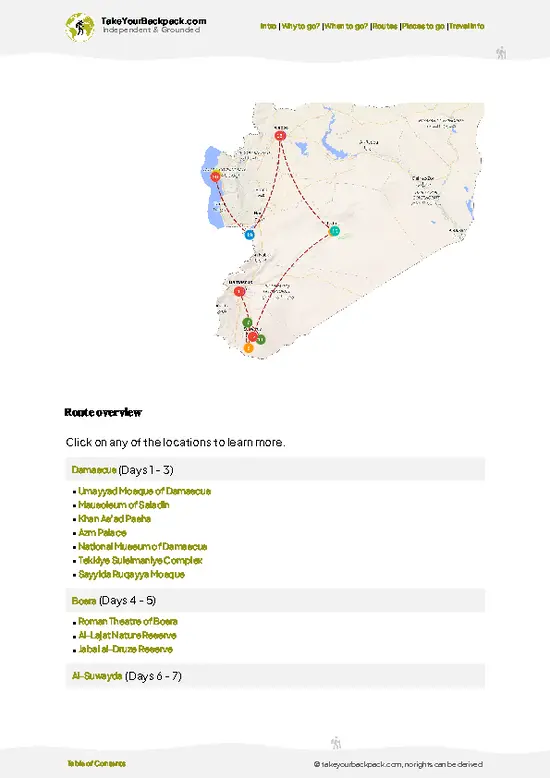
Optimized 5, 10 & 15-day travel routes
Cities, national parks, landmarks, beaches
How to get around
Offline-friendly for travel without Wi-Fi
👉 Click to see all 30+ guide features

📅 Plan smarter in minutes, not weeks
Month by month travel advice
Festivals & national holidays
Budget expectations

🗺️ Go to the right places, skip the overrated ones
Honest pros & cons of destinations
Top hikes, parks & viewpoints
Lesser-known places most travelers miss
Clear “worth it vs skip it” guidance

🛏️ Travel smoothly without rookie mistakes
Best areas to stay
Transport systems explained simply
Common scams & safety advice
SIM cards, money & practical tips

🌍 Understand the country, not just visit it
Culture & traditions
52 Essential phrases & customs
Festivals worth planning around
Traveler-friendly historical context
Insights that make places more meaningful

📱 Built for real travel conditions
Fully downloadable PDF
Works completely offline
Optimized for phone use
Useful in remote areas & buses
Everything in one place
Save weeks of stressful planning
Get instant access to your full guide. 30‑day money-back guarantee.


By proceeding you agree to our terms.
Sent to your inbox immediately after payment • 100% Secure Checkout
Best Backpacking Travel Advisor 2025 tourism awardBest Backpacking
Travel Advisor
2025
What others say about Take Your Backpack Guides:
⭐⭐⭐⭐⭐
Fantastic, amazing amount of information!
⭐⭐⭐⭐⭐
My goodness this is amazing, it's what I've been looking for hats off too you!
⭐⭐⭐⭐⭐
I think this is absolutely BRILLIANT
⭐⭐⭐⭐
Very complete and informative. It's still missing places, but I gotta to commend you
⭐⭐⭐⭐⭐
This is truly amazing, thank you, can't wait to explore it with my kids!
⭐⭐⭐⭐⭐
Awesome resource, thank you!
⭐⭐⭐⭐⭐
This is amazing! Can't wait to explore the ones I haven't seen
⭐⭐⭐⭐
I love this! Well done, great idea.
⭐⭐⭐⭐⭐
Thanks for taking the time to make this gem!
⭐⭐⭐⭐⭐
This might be the best website I've ever seen.
⭐⭐⭐⭐⭐
Congratulations, and thank you so much for your work; it's incredibly valuable.
⭐⭐⭐⭐
In all seriousness I think you did a great job pointing out the important spots
⭐⭐⭐⭐⭐
10/10 very good
⭐⭐⭐⭐⭐
As someone who's only just starting to visit regularly this is awesome, thank you.
⭐⭐⭐⭐
Thank you very much! I'm going to visit my dad, it's going to be very useful!
⭐⭐⭐⭐⭐
This is really cool! We'll be travelling for the first time and this definitely come in handy.
⭐⭐⭐⭐⭐
You are now our minister of culture, congratulations 👨‍💼
⭐⭐⭐⭐⭐
Just wanted to tell you that this is a pearl! Going to follow your recommendations.
⭐⭐⭐⭐⭐
This is so cool. I'll definitely be using the resource for my travels soon.
⭐⭐⭐⭐⭐
This is very impressive! Good work.
⭐⭐⭐⭐⭐
This is an amazing and informative site. Very well done!

🛏️ Where to stay?Best areas to stay in Syria

Staying near Apamea, Syria, is all about finding that sweet spot between safety, social vibes, and budget-friendly options. The town of Qalaat al-Madiq is your best bet. It’s a short drive from the ancient ruins, and you’ll find a mix of locals and travelers. The atmosphere is laid-back, making it easy to strike up conversations over a cup of strong Arabic coffee.

Another option is the nearby village of Kfar Zita. It’s quieter but offers a genuine glimpse into local life. You’ll find friendly faces and a chance to connect with the community. Plus, the cost of living is low, so you can stretch … read more 👉
Staying near Apamea, Syria, is all about finding that sweet spot between safety, social vibes, and budget-friendly options. The town of Qalaat al-Madiq is your best bet. It’s a short drive from the ancient ruins, and you’ll find a mix of locals and travelers. The atmosphere is laid-back, making it easy to strike up conversations over a cup of strong Arabic coffee.

Another option is the nearby village of Kfar Zita. It’s quieter but offers a genuine glimpse into local life. You’ll find friendly faces and a chance to connect with the community. Plus, the cost of living is low, so you can stretch your budget further.

Avoid the tourist traps in larger cities like Homs. They can be crowded and pricey, lacking the authentic charm you’re after. Instead, embrace the smaller towns where the real magic lies. You’ll get a taste of Syria’s rich history and culture without the overwhelming crowds.

In these areas, you’ll find a sense of camaraderie with fellow backpackers, making your journey not just about the destination, but the connections you forge along the way.

👛 Costs (as of 10 July 2025)Money, prices, and spending tips

Visiting Apamea, Syria, is a journey into history, but it comes with its own set of costs and considerations. Here’s a breakdown of what you can expect.
  • Entrance Fee: The entrance fee to Apamea is around €5 to €10. This small price grants you access to one of the most impressive archaeological sites in the region, where ancient Roman ruins stretch as far as the eye can see.
  • Transportation: Getting to Apamea can vary. If you’re traveling from Homs, expect to pay about €10 to €20 for a taxi or shared ride. Public transport is cheaper but less convenient, usually around €2 to €5. Factor in the time and comfort you’re willing to trade for savings.
  • Guided Tours: If you want a deeper understanding of the site, consider a guided tour. Prices range from €30 to €50, depending on the length and depth of
read more 👉
Visiting Apamea, Syria, is a journey into history, but it comes with its own set of costs and considerations. Here’s a breakdown of what you can expect.
  • Entrance Fee: The entrance fee to Apamea is around €5 to €10. This small price grants you access to one of the most impressive archaeological sites in the region, where ancient Roman ruins stretch as far as the eye can see.
  • Transportation: Getting to Apamea can vary. If you’re traveling from Homs, expect to pay about €10 to €20 for a taxi or shared ride. Public transport is cheaper but less convenient, usually around €2 to €5. Factor in the time and comfort you’re willing to trade for savings.
  • Guided Tours: If you want a deeper understanding of the site, consider a guided tour. Prices range from €30 to €50, depending on the length and depth of the tour. A knowledgeable guide can enhance your experience significantly, shedding light on the history that the stones whisper.
  • Food and Drink: Local eateries offer meals for about €5 to €15. Street food is even cheaper, with snacks costing around €1 to €3. Hydration is key, so budget for bottled water, which typically runs about €1.
  • Accommodation: If you plan to stay overnight, options range from budget hostels at €15 to €30 per night to mid-range hotels at €40 to €70. Staying in nearby towns can save you money but may require additional travel time.

These costs can fluctuate based on the season and local conditions, but this gives you a solid framework for budgeting your trip to Apamea. The experience is worth every penny, as the site offers a raw glimpse into history that few places can match.
⚠️ Prices can change and everyone travels differently, so take this as a rough guide. Hope it helps you plan your adventure!

Other Syrian landmarks near Apamea

Explore more nearby:

  • Saladin Castle—forest ridge, stone bridge, Crusader fortifications| 37 km away
  • Ugarit—Bronze Age city, clay tablets, coastal plain| 59 km away
  • Qala’at al-Hosn—hilltop citadel, layered walls, panoramic countryside| 74 km away

💡 Not sure where to go next?
Create a personalized itinerary for Syria including Apamea and the places that fit your trip.

Generate my itinerary

👉 Discover all landmarks

Or checkout all Syria has to offer (think cities, towns, villages, national parks, hikes, beaches, festivals)
Country photo of Syria

We 💚 feedbackParting advice and final tips

Apamea is a treasure trove of history, with its sprawling Roman ruins whispering stories of a bygone era. Walking among the columns, you can almost feel the pulse of ancient life. But let’s be real: the crowds can be overwhelming, especially during peak season. If you’re after solitude, aim for early mornings or off-peak months. The magic is there, but timing is everything. Embrace the chaos, and you’ll find the beauty.

✈️ When did I visit Syria?
As part of my trip to Jordan in August 2004, I also visited Syria, which sadly changed for the worse soon afterwards.

✍️ Help improve this page!
The information on this page is based on my own backpacking experience in Syria, supplemented with up-to-date research and feedback from other travelers. Travel details can change, so if you notice anything outdated or incomplete, feel free to let me know.


🙋‍♂️ Give feedback

👋 Meet the founderWho’s Behind Take Your Backpack?

Johan, backpacker and founder of TakeYourBackpackHi, I’m Johan (Netherlands 🇳🇱), the creator of TakeYourBackpack. Over the past decade, I’ve backpacked through 80+ countries across six continents, gaining extensive experience with independent travel, long-term trips, and overland routes.

This site is built on a combination of firsthand travel experience and carefully curated insights from other backpackers. Many guides are based on places I’ve personally visited, while others bring together tips, observations, and practical advice shared by trusted travelers I’ve met along the way.

The goal is to provide realistic, experience-driven guidance — not generic itineraries — so you can explore destinations with better context, clearer expectations, and more confidence.

Get full Syria guide •
Instant download • 90 highlights • Full Offline guide