v2.webp)
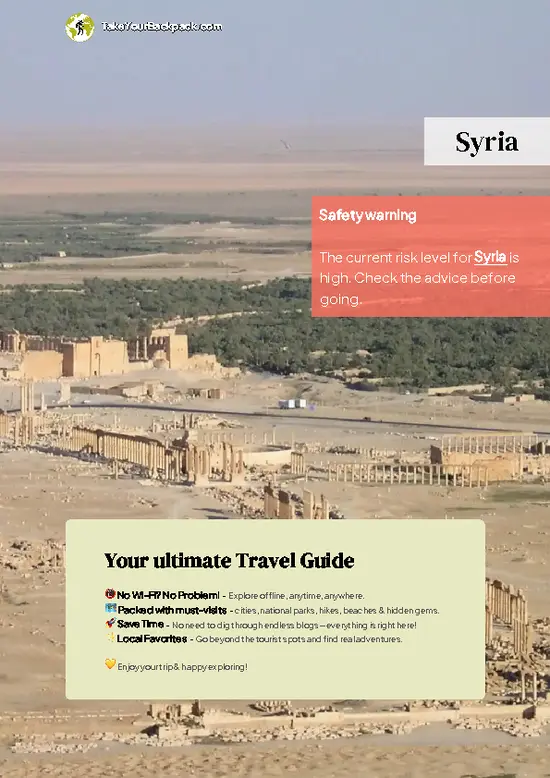
- Ugaritic tablets and the alphabet — The real showstopper: thousands of clay tablets were dug up here, including the earliest-known alphabetic cuneiform script and a stack of myths and legal records. If you care about how writing and storytelling shaped the ancient world, this is where it clicks into place. (Personal favorite.)
- The Royal Palace and administrative quarter — Big, well-laid-out ruins of a palace complex with storage rooms and offices that make Ugarit feel like a functioning Bronze Age bureaucracy. Peeking at the layout gives you a clear sense of how power and trade were organized.
- Temple remains (Baal and Dagan) — You can still see foundations and ritual installations from major cult centers; these are the physical homes of the myths found in the tablets. The scale and placement
- Ugaritic tablets and the alphabet — The real showstopper: thousands of clay tablets were dug up here, including the earliest-known alphabetic cuneiform script and a stack of myths and legal records. If you care about how writing and storytelling shaped the ancient world, this is where it clicks into place. (Personal favorite.)
- The Royal Palace and administrative quarter — Big, well-laid-out ruins of a palace complex with storage rooms and offices that make Ugarit feel like a functioning Bronze Age bureaucracy. Peeking at the layout gives you a clear sense of how power and trade were organized.
- Temple remains (Baal and Dagan) — You can still see foundations and ritual installations from major cult centers; these are the physical homes of the myths found in the tablets. The scale and placement of the temples tell you how religion and politics were tangled here.
- City walls, gates and urban plan — Ugarit’s defensive works and street grid survive enough to read the city’s design. It’s rare to get such a clear Bronze Age urban footprint, so wandering the ruins feels like reading an old city map come to life.
- Minet el-Beida harbor and coastal setting — The port area next to Ugarit underscores why this place mattered: intense maritime trade with Cyprus, Anatolia and Egypt. The shoreline and nearby ruins give a real sense of its role as a hub rather than an isolated palace town.
- Funerary finds and tombs — Nearby burials and grave goods reveal social differences, craft skills and trade links you won’t get from buildings alone. The artifacts found in tombs often fill in the daily-life details the grand ruins miss.
- Snapshot of a world on the edge of collapse — Ugarit was abruptly destroyed around 1200 BCE, so the site preserves a frozen moment of Late Bronze Age life: ceramics, administration, houses and rituals all in one horizon. That suddenness is why archaeologists prize it and why the site feels unusually immediate.
Spotted a mistake or missing something? Contact us.

 Best Backpacking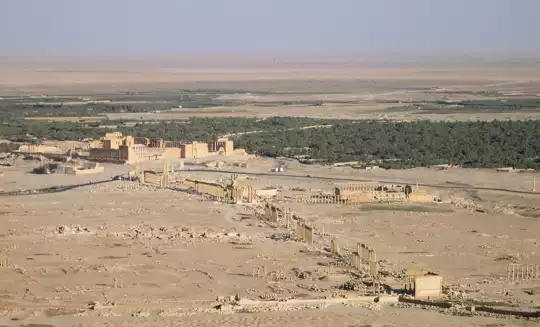
.jpg) Hi, I’m Johan (Netherlands 🇳🇱), the creator of TakeYourBackpack. Over the past 3 decades, I’ve backpacked through 90+ countries across six continents, gaining extensive experience with independent travel, long-term trips, and overland routes.
Hi, I’m Johan (Netherlands 🇳🇱), the creator of TakeYourBackpack. Over the past 3 decades, I’ve backpacked through 90+ countries across six continents, gaining extensive experience with independent travel, long-term trips, and overland routes.