v2.webp)
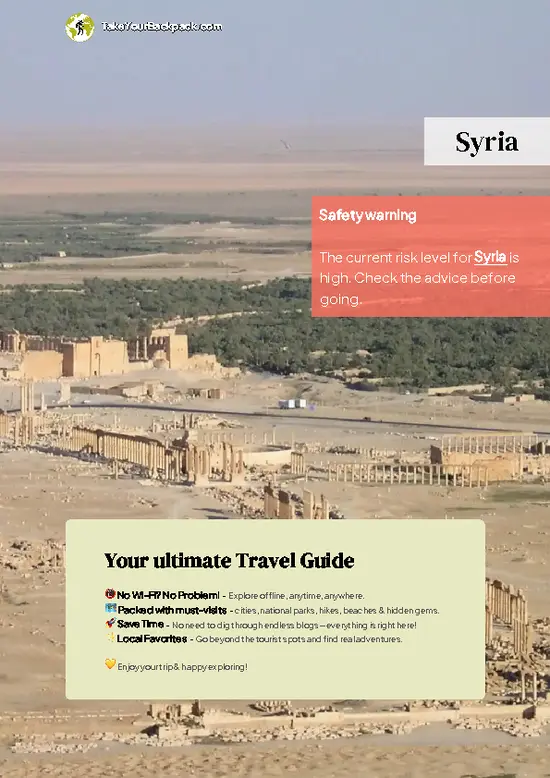
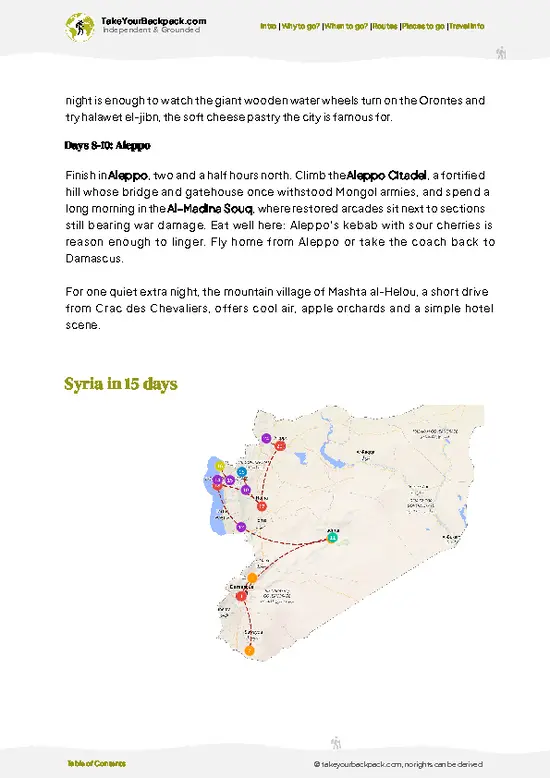
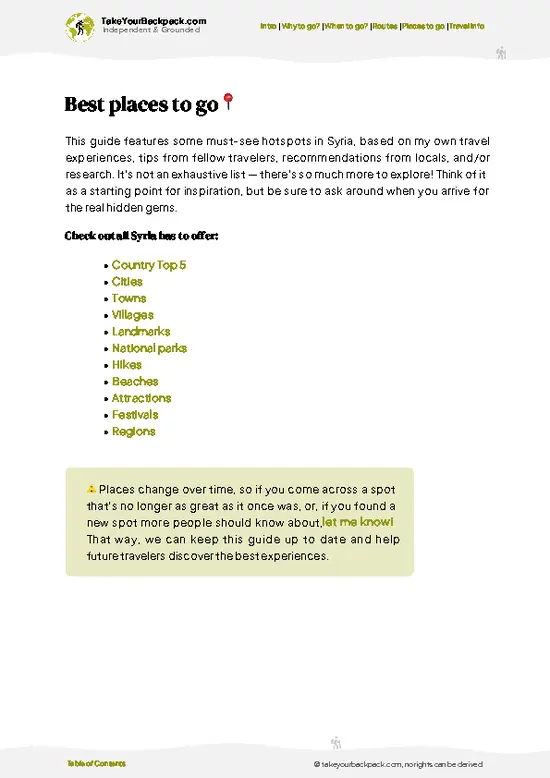
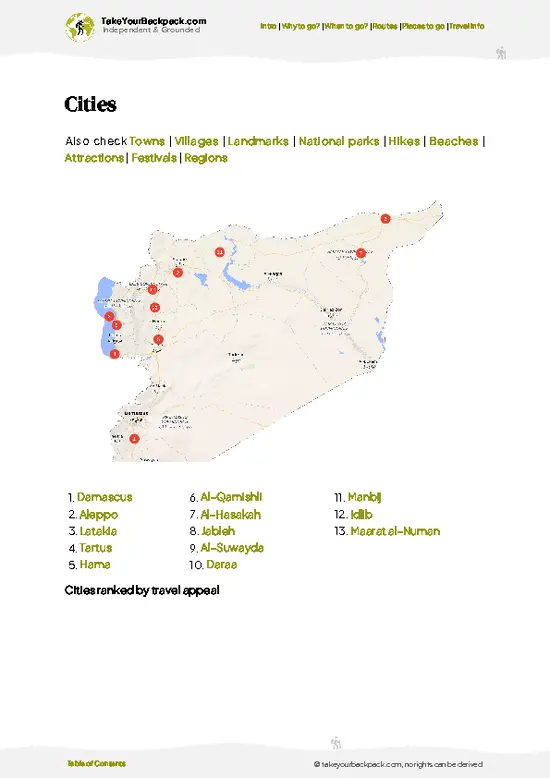
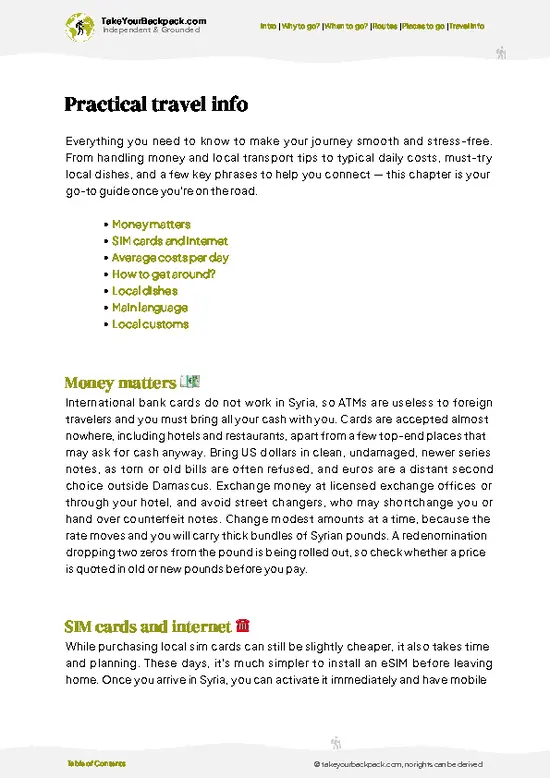
- Roman Theatre of Bosra — A genuinely jaw-dropping black-basalt amphitheatre that still fills you with the scale of Rome; you can walk the orchestra, climb the tiers and imagine crowds of 15,000. It’s the town’s headline for a reason and gives the best feel for Bosra’s layered history.
- Great Mosque of Bosra (al-Jami’ al-Kabir) — One of the earliest major mosques built inside a Roman city, where Umayyad architecture re-uses Roman stone; the contrast between mosque, theatre and ruins nearby tells the town’s story in a single view.
- City walls and gates — Solid, largely intact basalt fortifications with towers and surviving city gates; walking along and through them gives a tangible sense of Bosra as a fortified crossroads for centuries.
- Colonnaded street / ancient cardo — Stretches of the
- Roman Theatre of Bosra — A genuinely jaw-dropping black-basalt amphitheatre that still fills you with the scale of Rome; you can walk the orchestra, climb the tiers and imagine crowds of 15,000. It’s the town’s headline for a reason and gives the best feel for Bosra’s layered history.
- Great Mosque of Bosra (al-Jami’ al-Kabir) — One of the earliest major mosques built inside a Roman city, where Umayyad architecture re-uses Roman stone; the contrast between mosque, theatre and ruins nearby tells the town’s story in a single view.
- City walls and gates — Solid, largely intact basalt fortifications with towers and surviving city gates; walking along and through them gives a tangible sense of Bosra as a fortified crossroads for centuries.
- Colonnaded street / ancient cardo — Stretches of the old Roman street grid and its columns survive in the old town; wandering them is the best way to read how the Roman/Byzantine city was laid out and used.
- Roman baths complex — Remains of public baths where you can still make out the different rooms and the engineering that heated them; small details like mosaic fragments and hypocaust traces reward a slow look.
- Byzantine churches and early Christian ruins — Scattered basilica remains and chapels inside the urban fabric show the Christian chapter of Bosra’s life; the carved stone and layouts are intimate, not showy, but historically rich.
- Rock-cut tombs and necropoleis — The nearby cemeteries and carved tombs, often hewn into the basalt, are a quiet, evocative counterpoint to the big ruins and tell you about local funerary customs across eras.
- Old town basalt houses and souk lanes — Narrow alleys, black-stone houses and the traditional market area give a living feel to the place; architecture here is brutally simple and super photogenic at dusk.
- Bostra Archaeological Museum — A small local museum that gathers finds from excavations around town; it’s not huge, but the artifacts and inscriptions add context that makes the ruins make more sense.
- Theatre towers and rooftop viewpoints — Climb the theatre’s parapets and nearby rooftop spots for sweeping views over the basalt city into the Hauran plain; great for sunset and for orienting yourself in real time.
Spotted a mistake or missing something? Contact us.

 Best Backpacking
.jpg) Hi, I’m Johan (Netherlands 🇳🇱), the creator of TakeYourBackpack. Over the past 3 decades, I’ve backpacked through 90+ countries across six continents, gaining extensive experience with independent travel, long-term trips, and overland routes.
Hi, I’m Johan (Netherlands 🇳🇱), the creator of TakeYourBackpack. Over the past 3 decades, I’ve backpacked through 90+ countries across six continents, gaining extensive experience with independent travel, long-term trips, and overland routes.