×

Syria🇸🇾 | national parksJabal al-Safa Reservevolcanic cones, black rock desert, sparse vegetation | things to do and best time to go

Explore Jabal al-Mazra’a ReserveExplore Jabal al-Sheikh Reserve

Backpacking in Jabal al-Safa Reserve
👍 Recommendednational park ranked #9
By Johan Kruseman 🇳🇱 | Updated September 4, 2026

The first real decision at Jabal al-Safa Reserve is whether you try to DIY it or only go with a vetted local guide. That choice controls your safety, your costs, and how much of your energy goes into logistics instead of actually walking the lava fields. Jabal al-Safa sits in southern Syria, in the basalt desert east of As-Suwayda, far from the usual tourist orbit. For backpackers, it’s harsh but compelling: long, exposed hikes across black volcanic rock, sparse but interesting wildlife (gazelles if you’re lucky, plenty of reptiles), big horizons, and almost no crowds. Access is the main headache: rough roads, security considerations, and very limited public transport. Fees and permits are modest, but guides and vehicles add up. Don’t expect formal campsites or hostels; this is more wild bivouac than campground. Compared with better-known reserves like Al-Lajat or the forests near Slunfeh, Jabal al-Safa is more remote, less green, and far less forgiving—but also less staged, if you’re willing to work for it.

Discover everything you want to know in the 📖 Syria Travel Guide.
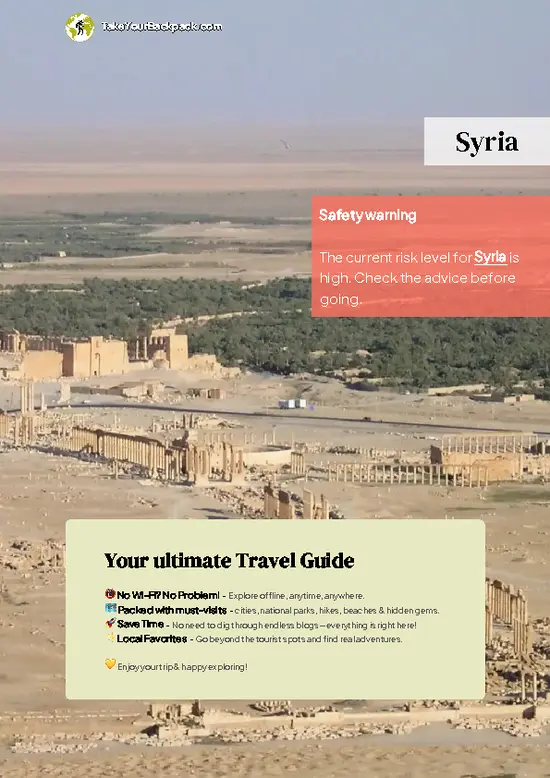
Safety warning

The current risk level for Syria is high. Check the advice before going.


Get your Syria guide
91 ranked highlights, routes & tips, works offline (346 pages)
Loading the map 🌍
CLICK TO FILTER
cities
towns
villages
landmarks
national parks
hikes
beaches
attractions
festivals
regions
SHOW COUNTRY’S BESTSHOW ALL

✨ Why go?
Ranked #9 national park in Syria
Why Jabal al-Safa Reserve should be on your travel list

Backpackers flock to Jabal al-Safa Reserve for its blend of independent exploration and budget-friendly options. The park offers campsites and nearby hostels that keep costs low, allowing you to stretch your budget for experiences that matter.

With a variety of trails, from easy walks to challenging hikes, it caters to all skill levels. This flexibility makes it ideal for self-guided travelers who prefer to set their own pace rather than follow a tour group.

The rugged terrain and stunning landscapes invite you to immerse yourself in nature without the constraints of a schedule. Just remember, while the park is accessible, some trails can be less marked, so a good map or GPS is essential. This way, you preserve your energy and budget for the moments that truly count.
Want to include Jabal al-Safa Reserve in your Syria route?
Create a personalized Syria itinerary that includes Jabal al-Safa Reserve and the places that fit your trip — based on your travel style, budget, and available time. Get your route in seconds.

Generate my trip

💡 HighlightsTop highlights of Jabal al-Safa Reserve

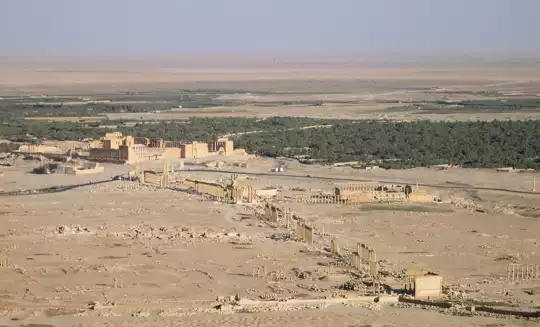
  • Volcanic lava fields and basalt formations — black, jagged lava flows and columnar basalt give the landscape a raw, other-worldly look. Great for photographers and anyone who likes geology underfoot; the textures and shapes change a lot with light.
  • Panoramic ridge viewpoints (sunrise/sunset) — long, exposed ridgelines that open onto the surrounding plains and volcanic cones. The color at dawn or dusk is memorable and quiet; my personal favorite for a morning coffee and a long, empty view.
  • Hiking across rugged trails and lava plateaus — a mix of easy walks and rougher scrambles over broken rock. Trails aren’t always obvious, so expect route-finding, bring good shoes and plenty of water, and plan shorter loops if you’re going solo.
  • Steppe flora and seasonal wildflowers — in spring the harsh
read more 👉
  • Volcanic lava fields and basalt formations — black, jagged lava flows and columnar basalt give the landscape a raw, other-worldly look. Great for photographers and anyone who likes geology underfoot; the textures and shapes change a lot with light.
  • Panoramic ridge viewpoints (sunrise/sunset) — long, exposed ridgelines that open onto the surrounding plains and volcanic cones. The color at dawn or dusk is memorable and quiet; my personal favorite for a morning coffee and a long, empty view.
  • Hiking across rugged trails and lava plateaus — a mix of easy walks and rougher scrambles over broken rock. Trails aren’t always obvious, so expect route-finding, bring good shoes and plenty of water, and plan shorter loops if you’re going solo.
  • Steppe flora and seasonal wildflowers — in spring the harsh looking slopes soften with carpets of flowers and aromatic herbs. Small blooms and hardy shrubs packed into crevices make for interesting close-up nature watching.
  • Birdwatching and raptors — open terrain attracts larks, wheatears and migrating passerines, while thermals bring up buzzards and other raptors. Binoculars and patience pay off, especially on still mornings.
  • Wildlife sightings at dawn and dusk — shy mammals like foxes and hares, plus a variety of lizards and snakes sunning on the rocks. You won’t see big herds, but encounters feel authentic and wild if you move quietly.
  • Dark skies and stargazing — low light pollution makes this a nice spot for night-sky watching; the Milky Way is often visible and the silence is a big part of the experience. Bring a thermos and a warm layer.
Spotted a mistake or missing something? Contact us.
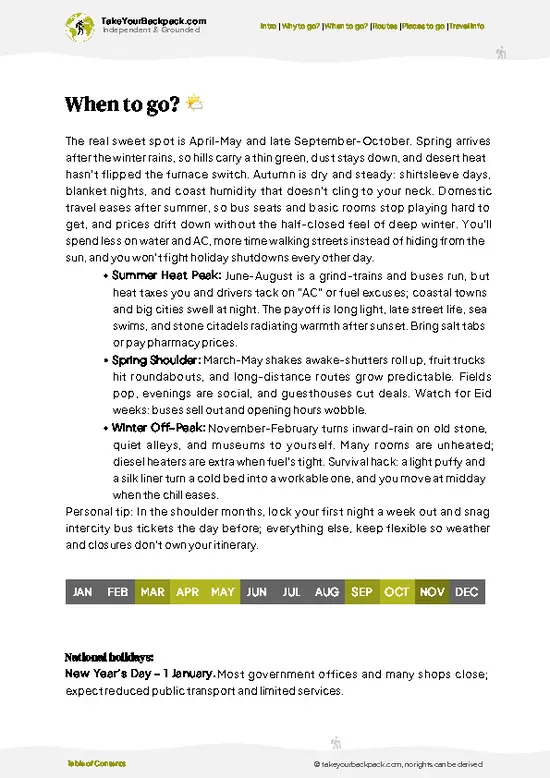
🌤️ When to go?When to go for the best experience


  • Weather: The best window is spring (March to May) and autumn (September to November). Summers scorch with highs often above 38°C (100°F), making midday hiking a sweatbox. Winters dip below 5°C (41°F) at night, which can be biting without proper gear.

  • Temperature: Daytime temps in spring and autumn hover between 18-25°C (64-77°F), ideal for long treks without overheating or shivering. Early mornings and evenings still require layers.

  • Daylight Hours: Spring and autumn offer roughly 11-13 hours of daylight, enough to cover significant ground without rushing but not so long that you lose track of time.

  • Crowds: Peak local visitation spikes during Syrian holidays and weekends, especially in spring. Weekdays are quieter, giving you more solitude and better wildlife encounters.

  • Seasonal
read more 👉

  • Weather: The best window is spring (March to May) and autumn (September to November). Summers scorch with highs often above 38°C (100°F), making midday hiking a sweatbox. Winters dip below 5°C (41°F) at night, which can be biting without proper gear.

  • Temperature: Daytime temps in spring and autumn hover between 18-25°C (64-77°F), ideal for long treks without overheating or shivering. Early mornings and evenings still require layers.

  • Daylight Hours: Spring and autumn offer roughly 11-13 hours of daylight, enough to cover significant ground without rushing but not so long that you lose track of time.

  • Crowds: Peak local visitation spikes during Syrian holidays and weekends, especially in spring. Weekdays are quieter, giving you more solitude and better wildlife encounters.

  • Seasonal Activities: Spring brings wildflowers and active wildlife, while autumn’s cooler air is perfect for photography and extended hikes. Summer’s heat limits activity to early mornings or late afternoons.

  • Price Fluctuations: Accommodation and guide fees rise during spring holidays and autumn festivals. Off-season winter rates drop but expect fewer services and harsher conditions.


Pro-tip: Aim for late March or early October to dodge crowds and extreme temps, maximizing your energy for the trails rather than battling weather or inflated costs.


source: climatestotravel.comJANJanuary: fair for travelingFEBFebruary: fair for travelingMARMarch: excellent for travelingAPRApril: excellent for travelingMAYMay: excellent for travelingJUNJune: fair for travelingJULJuly: below average for travelingAUGAugust: below average for travelingSEPSeptember: excellent for travelingOCTOctober: excellent for travelingNOVNovember: highly recommended for travelingDECDecember: fair for traveling
when-to-go

✈️ The backpacker research shortcutSyria Travel Guide

An offline-friendly backpacking guide with optimized travel routes, ranked highlights, transport advice, and the best areas to stay.
example page 0 from our offline Travel Guide for Syria
example page 1 from our offline Travel Guide for Syria
example page 2 from our offline Travel Guide for Syria
example page 3 from our offline Travel Guide for Syria
example page 4 from our offline Travel Guide for Syria
example page 5 from our offline Travel Guide for Syria
example page 6 from our offline Travel Guide for Syria
example page 7 from our offline Travel Guide for Syria
The digital guide (346 pages) contains:
91 highlights, ranked by travel appeal
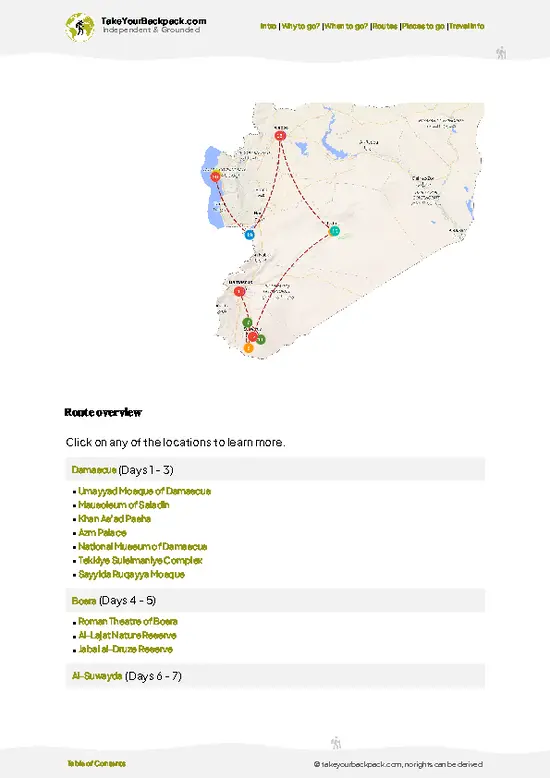
Optimized 5, 10 & 15-day travel routes
Cities, national parks, landmarks, beaches
How to get around
Offline-friendly for travel without Wi-Fi
👉 Click to see all 30+ guide features

📅 Plan smarter in minutes, not weeks
Month by month travel advice
Festivals & national holidays
Budget expectations

🗺️ Go to the right places, skip the overrated ones
Honest pros & cons of destinations
Top hikes, parks & viewpoints
Lesser-known places most travelers miss
Clear “worth it vs skip it” guidance

🛏️ Travel smoothly without rookie mistakes
Best areas to stay
Transport systems explained simply
Common scams & safety advice
SIM cards, money & practical tips

🌍 Understand the country, not just visit it
Culture & traditions
52 Essential phrases & customs
Festivals worth planning around
Traveler-friendly historical context
Insights that make places more meaningful

📱 Built for real travel conditions
Fully downloadable PDF
Works completely offline
Optimized for phone use
Useful in remote areas & buses
Everything in one place
Save weeks of stressful planning
Get instant access to your full guide. 30‑day money-back guarantee.
+ Add another guide for just US$7.80

By proceeding you agree to our terms.
Sent to your inbox immediately after payment • 100% Secure Checkout
Best Backpacking Travel Advisor 2025 tourism awardBest Backpacking
Travel Advisor
2025
What others say about Take Your Backpack Guides:
⭐⭐⭐⭐⭐
Fantastic, amazing amount of information!
⭐⭐⭐⭐⭐
My goodness this is amazing, it's what I've been looking for hats off too you!
⭐⭐⭐⭐⭐
I think this is absolutely BRILLIANT
⭐⭐⭐⭐
Very complete and informative. It's still missing places, but I gotta to commend you
⭐⭐⭐⭐⭐
This is truly amazing, thank you, can't wait to explore it with my kids!
⭐⭐⭐⭐⭐
Awesome resource, thank you!
⭐⭐⭐⭐⭐
This is amazing! Can't wait to explore the ones I haven't seen
⭐⭐⭐⭐
I love this! Well done, great idea.
⭐⭐⭐⭐⭐
Thanks for taking the time to make this gem!
⭐⭐⭐⭐⭐
This might be the best website I've ever seen.
⭐⭐⭐⭐⭐
Congratulations, and thank you so much for your work; it's incredibly valuable.
⭐⭐⭐⭐
In all seriousness I think you did a great job pointing out the important spots
⭐⭐⭐⭐⭐
10/10 very good
⭐⭐⭐⭐⭐
As someone who's only just starting to visit regularly this is awesome, thank you.
⭐⭐⭐⭐
Thank you very much! I'm going to visit my dad, it's going to be very useful!
⭐⭐⭐⭐⭐
This is really cool! We'll be travelling for the first time and this definitely come in handy.
⭐⭐⭐⭐⭐
You are now our minister of culture, congratulations 👨‍💼
⭐⭐⭐⭐⭐
Just wanted to tell you that this is a pearl! Going to follow your recommendations.
⭐⭐⭐⭐⭐
This is so cool. I'll definitely be using the resource for my travels soon.
⭐⭐⭐⭐⭐
This is very impressive! Good work.
⭐⭐⭐⭐⭐
This is an amazing and informative site. Very well done!

🛏️ Where to stay?Best areas and accommodation options

For backpackers heading to Jabal al-Safa Reserve, options are limited but solid. There aren’t accommodations directly within the park, so you’ll want to base yourself in nearby towns like Al-Suwayda or Shahba.

Al-Suwayda offers a few budget-friendly hotels and guesthouses. Look for places that cater to local travelers; they often provide a more authentic experience. Shahba, with its ancient ruins, has a couple of charming inns that can serve as a cozy base.

Be prepared for some logistical challenges. Public transport can be sparse, so consider renting a car or arranging a local guide. This … read more 👉
For backpackers heading to Jabal al-Safa Reserve, options are limited but solid. There aren’t accommodations directly within the park, so you’ll want to base yourself in nearby towns like Al-Suwayda or Shahba.

Al-Suwayda offers a few budget-friendly hotels and guesthouses. Look for places that cater to local travelers; they often provide a more authentic experience. Shahba, with its ancient ruins, has a couple of charming inns that can serve as a cozy base.

Be prepared for some logistical challenges. Public transport can be sparse, so consider renting a car or arranging a local guide. This not only saves time but also helps you navigate the less-traveled paths.

Keep an eye on your budget for meals; local eateries are affordable and delicious, but tourist spots can inflate prices. Prioritize where you spend, and you’ll have more energy and funds for the breathtaking hikes and stunning views that await you.

👛 Costs (as of 4 September 2026)Typical daily expenses

Visiting Jabal al-Safa Reserve in Syria requires some careful budgeting. Entrance fees typically range from €5 to €10 (about $5 to $11). This is a small price for the chance to explore the unique landscapes and biodiversity.

Transportation can be a significant cost. If you’re hiring a local guide or driver, expect to pay around €30 to €50 ($33 to $55) for a day. Public transport options are limited, so plan accordingly.

Accommodation nearby varies widely. Basic guesthouses may charge €15 to €30 ($16 to $33) per night, while more comfortable options can go up to €60 ($66). Always check for availability, as options can be sparse.

Food is generally affordable. Meals at local eateries can cost between €3 and €10 ($3.30 to $11). Stocking up on snacks and water is wise, especially if you plan … read more 👉
Visiting Jabal al-Safa Reserve in Syria requires some careful budgeting. Entrance fees typically range from €5 to €10 (about $5 to $11). This is a small price for the chance to explore the unique landscapes and biodiversity.

Transportation can be a significant cost. If you’re hiring a local guide or driver, expect to pay around €30 to €50 ($33 to $55) for a day. Public transport options are limited, so plan accordingly.

Accommodation nearby varies widely. Basic guesthouses may charge €15 to €30 ($16 to $33) per night, while more comfortable options can go up to €60 ($66). Always check for availability, as options can be sparse.

Food is generally affordable. Meals at local eateries can cost between €3 and €10 ($3.30 to $11). Stocking up on snacks and water is wise, especially if you plan to hike.

Keep in mind that prices can fluctuate based on the season and local conditions. Always have a little extra budgeted for unexpected expenses. This way, you can focus on enjoying the reserve without financial stress.
⚠️ Prices can change and everyone travels differently, so take this as a rough guide. Hope it helps you plan your adventure!

🥾 TrailsHiking Jabal al-Safa Reserve national park: highlights and difficulty

The Jabal al-Safa Reserve in Syria offers some stunning hiking opportunities, particularly if you’re into volcanic landscapes and unique geological formations. The terrain is a mix of rocky paths and gentle slopes, making it accessible for various skill levels. The scenery is breathtaking, with black basalt formations contrasting against the lush greenery in the valleys. Wildlife is a highlight here, too; keep an eye out for the elusive Syrian brown bear and a variety of birds that call this area home.

For those looking to hit the trails, there’s a designated route worth checking out: Al-Safa read more 👉
The Jabal al-Safa Reserve in Syria offers some stunning hiking opportunities, particularly if you’re into volcanic landscapes and unique geological formations. The terrain is a mix of rocky paths and gentle slopes, making it accessible for various skill levels. The scenery is breathtaking, with black basalt formations contrasting against the lush greenery in the valleys. Wildlife is a highlight here, too; keep an eye out for the elusive Syrian brown bear and a variety of birds that call this area home.

For those looking to hit the trails, there’s a designated route worth checking out: Al-Safa Loop. Here are the details:
  • Length: 10 km
  • Estimated Duration: 4-5 hours
  • Difficulty Level: Moderate
  • Key Features: Spectacular views of the volcanic landscape, diverse flora and fauna, and opportunities for wildlife spotting.
  • Terrain: Rocky paths with some steep sections, but generally well-marked.

Getting to the park isn’t too tricky; public transport options are available from nearby towns, but they may not run frequently, so plan ahead. The crowds can vary, but it’s generally less busy than larger parks, giving you a chance to enjoy the solitude of nature. As for entrance fees, there might be a small charge, but it’s usually pretty affordable. Just make sure to bring some cash, as card facilities can be hit or miss.
⚠️ Hiking info can sometimes be outdated or inaccurate. Before you hit the trail, check the latest conditions with locals. If you do spot anything that's off, I'd love to hear from you, so I can update it for fellow travelers.

🛡️ SafetyScams, Hazards, and Annoyances

Jabal al-Safa Reserve offers a generally manageable hiking experience, but a few realities can catch you off guard. Weather can shift quickly, so be prepared for sudden temperature drops, especially at higher altitudes. The terrain varies; some trails are steep and rocky, requiring solid footing and careful navigation.

Wildlife is present, but encounters are rare. If you do spot animals, keep your distance and avoid feeding them.

First-timers often underestimate the importance of proper gear. Sturdy boots and layered clothing are essential. Plan your hikes early in the day to avoid the heat and ensure you have ample daylight. Respect the trails and fellow hikers, and you’ll preserve the park’s beauty for everyone.

FAQFrequently asked questions about Jabal al-Safa Reserve

2 to 3 days are sufficient to explore Jabal al-Safa Reserve thoroughly, allowing time for hiking and wildlife observation. The terrain is rugged, so plan for moderate to challenging trails. Allocate extra time if you want to camp overnight or explore surrounding areas.
No, visiting Jabal al-Safa Reserve without a car is difficult due to limited public transportation options and the reserve's remote location. Renting a car or arranging private transport is recommended for flexibility and access to trailheads.
Yes, an entrance fee or permit is required to enter Jabal al-Safa Reserve. Fees are generally modest, around 5 to 10 USD, but it is advisable to check locally for the latest permit requirements and costs before visiting.
⚠️ Things can change over time, so always validate details locally before you go.

Other Syrian national parks near Jabal al-Safa Reserve

Explore more nearby:


💡 Not sure where to go next?
Create a personalized itinerary for Syria including Jabal al-Safa Reserve and the places that fit your trip.

Generate my itinerary

👉 Discover all national parks

Or checkout all Syria has to offer (think cities, towns, villages, national parks, hikes, beaches, festivals)
Country photo of Syria

We 💚 feedbackParting advice and final tips

Jabal al-Safa Reserve is a treasure for those who crave solitude and stunning volcanic landscapes. You’ll find peace here that’s hard to come by elsewhere. Just be prepared for limited facilities; it’s remote, and you might need to pack extra supplies. That’s the trade-off for experiencing a slice of untouched nature. Plan wisely, and you’ll come away enriched.

✈️ When did I visit Syria?
As part of my trip to Jordan in August 2004, I also visited Syria, which sadly changed for the worse soon afterwards.

✍️ Help improve this page!
The information on this page is based on my own backpacking experience in Syria, supplemented with up-to-date research and feedback from other travelers. Travel details can change, so if you notice anything outdated or incomplete, feel free to let me know.


🙋‍♂️ Give feedback

👋 Meet the founderWho’s Behind Take Your Backpack?

Johan, backpacker and founder of TakeYourBackpackHi, I’m Johan (Netherlands 🇳🇱), the creator of TakeYourBackpack. Over the past decade, I’ve backpacked through 80+ countries across six continents, gaining extensive experience with independent travel, long-term trips, and overland routes.

This site is built on a combination of firsthand travel experience and carefully curated insights from other backpackers. Many guides are based on places I’ve personally visited, while others bring together tips, observations, and practical advice shared by trusted travelers I’ve met along the way.

The goal is to provide realistic, experience-driven guidance — not generic itineraries — so you can explore destinations with better context, clearer expectations, and more confidence.

Get full Syria guide •
Instant download • 91 highlights • Full Offline guide