×

Taiwan🇹🇼 | attractionsLungshan Temple of Mankaornate temple, incense rituals, dragon columns | things to do and best time to go

Explore Chiang Kai-shek Memorial HallExplore Huashan 1914 Creative Park

Backpacking in Lungshan Temple of Manka
🌟 Highlightattraction ranked #6
By Johan Kruseman 🇳🇱 | Updated May 25, 2026

You won’t see this on Instagram: Lungshan Temple of Manka isn’t just a photo op—it’s a living, breathing spiritual crossroads where locals actually come to pray, gossip, and burn incense for luck before job interviews or exams. Smack in the heart of Taipei’s Wanhua district, this isn’t the sanitized, crowd-controlled temple experience you might expect. Yes, you’ll be elbow-to-elbow with tour groups and grandmas chanting at full volume, and yes, the entrance is free—though the real cost is your patience if you visit on a weekend. But here’s the kicker: the temple’s energy is raw, layered, and utterly unfiltered. Unlike the manicured shrines of Japan or the tourist-swarmed Sun Moon Lake, Lungshan is chaotic, smoky, and deeply human. If you want a taste of Taiwan’s spiritual backbone, this is where you feel it—messy, noisy, and absolutely worth the squeeze.

Discover everything you want to know in the 📖 Taiwan Travel Guide.


Get your Taiwan guide
115 ranked highlights, routes & tips, works offline (421 pages)
Loading the map 🌍
CLICK TO FILTER
cities
towns
villages
landmarks
national parks
hikes
beaches
attractions
festivals
regions
SHOW COUNTRY’S BESTSHOW ALL

✨ Why go?
Ranked #6 attraction in Taiwan
What makes it a must-see attraction

Lungshan Temple of Manka is not just another pretty face on Taiwan’s tourist map—it’s a heavyweight cultural icon that demands your attention. Sure, it gets crowded, especially on weekends and festivals, but that buzz is part of the experience, not a drawback. This temple isn’t just about ornate carvings and incense smoke; it’s a living, breathing slice of Taiwanese history, built in 1738 and rebuilt multiple times after earthquakes and war. Walking through its gates, you’re stepping into centuries of devotion, community resilience, and spiritual complexity that no Instagram shot can capture. For backpackers, it’s a major milestone on the island’s cultural route—an adrenaline rush of sensory overload, from the clatter of wooden fish drums to the scent of sandalwood. The effort to navigate … read more 👉
Lungshan Temple of Manka is not just another pretty face on Taiwan’s tourist map—it’s a heavyweight cultural icon that demands your attention. Sure, it gets crowded, especially on weekends and festivals, but that buzz is part of the experience, not a drawback. This temple isn’t just about ornate carvings and incense smoke; it’s a living, breathing slice of Taiwanese history, built in 1738 and rebuilt multiple times after earthquakes and war. Walking through its gates, you’re stepping into centuries of devotion, community resilience, and spiritual complexity that no Instagram shot can capture. For backpackers, it’s a major milestone on the island’s cultural route—an adrenaline rush of sensory overload, from the clatter of wooden fish drums to the scent of sandalwood. The effort to navigate the crowds and the urban chaos pays off with a raw, unfiltered connection to Taiwan’s soul. Skip it, and you miss a foundational chapter of the island’s story.
Want to include Lungshan Temple of Manka in your Taiwan route?
Create a personalized Taiwan itinerary that includes Lungshan Temple of Manka and the places that fit your trip — based on your travel style, budget, and available time. Get your route in seconds.

Generate my trip

💡 HighlightsKey sights and experiences for travelers

The Main Hall Rituals
Skip the Instagram pose at the gate and step into the main hall when the incense is thick and the chanting is rolling like thunder. This isn’t a museum piece—it’s a living, breathing spiritual engine. Worshippers outnumber tourists, especially during festivals or on the first and fifteenth days of the lunar month. You’ll see locals lighting incense, bowing, and tossing moon blocks to get answers from the gods. It’s not a performance; it’s raw, everyday faith in action. If you want to feel the pulse of Taipei, stand quietly in the crowd and let the energy hit you.


The Fortune Sticks (Kau Cim)
Forget fortune cookies—this is the real deal. For a small donation, you can shake a bamboo cylinder until one stick jumps out. Each stick has a number, which you match to a slip … read more 👉
The Main Hall Rituals
Skip the Instagram pose at the gate and step into the main hall when the incense is thick and the chanting is rolling like thunder. This isn’t a museum piece—it’s a living, breathing spiritual engine. Worshippers outnumber tourists, especially during festivals or on the first and fifteenth days of the lunar month. You’ll see locals lighting incense, bowing, and tossing moon blocks to get answers from the gods. It’s not a performance; it’s raw, everyday faith in action. If you want to feel the pulse of Taipei, stand quietly in the crowd and let the energy hit you.


The Fortune Sticks (Kau Cim)
Forget fortune cookies—this is the real deal. For a small donation, you can shake a bamboo cylinder until one stick jumps out. Each stick has a number, which you match to a slip of paper with your fortune. The process is noisy, a little chaotic, and completely addictive. Locals take it seriously, consulting the temple volunteers to interpret cryptic fortunes. Sometimes the answers are blunt, sometimes poetic, but always memorable. It’s a ritual that’s equal parts entertainment and existential therapy.


The Carved Stone Columns
Most people breeze past these, but the stone columns at the entrance are masterpieces of Qing Dynasty craftsmanship. Dragons coil up the pillars, scales sharp enough to snag your sleeve if you get close. These aren’t generic decorations—they’re loaded with symbolism, from prosperity to protection. If you want to see what “over-the-top” looked like in 18th-century Taiwan, run your hand along the grooves and imagine the hours it took to chisel each detail.


The Roof Beasts
Look up. No, really—crane your neck and check out the riot of ceramic creatures perched on the roof. Phoenixes, dragons, and mythical beasts crowd every inch, frozen mid-battle or mid-flight. These aren’t just for show; each animal is a spiritual bodyguard, warding off evil and bad luck. The colors are wild, the poses dramatic, and the craftsmanship is so intricate you’ll wonder how any of it survived typhoons and earthquakes.


The Night Market Vibe
Step outside after dark and the temple square morphs into a street-food circus. The contrast is electric: incense smoke inside, sizzling stinky tofu and herbal tea eggs outside. This isn’t a sanitized tourist zone—locals come here to eat, gossip, and unwind. The temple glows under lantern light, and the air is thick with the smell of fried dough and sweet peanut soup. If you want to see Taipei’s soul, it’s right here, where the sacred and the everyday collide.
Spotted a mistake or missing something? Contact us.

Things to do around Lungshan Temple of Manka

Ratings based on Tripadvisor reviews. When you book through this link, you support our work at no extra cost to you.

🌤️ When to go?Weather, crowds, and seasonal trade-offs


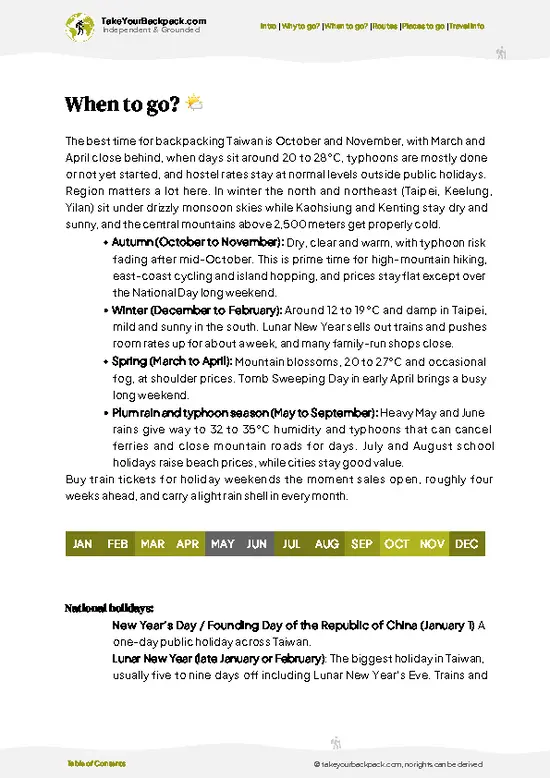
  • Weather: Taiwan’s subtropical climate means Lungshan Temple is hot and humid from June to August, with temperatures often hitting 30-35°C (86-95°F). The best weather hits between October and December when it’s cooler and drier, around 20-25°C (68-77°F), making wandering the temple grounds more comfortable.

  • Temperature: Winters (January to February) can dip to 15°C (59°F), which is mild but can feel chilly if you’re used to tropical heat. Spring (March to May) warms up steadily, but humidity starts creeping in by May.

  • Daylight Hours: Daylight is longest in June and July, with up to 13-14 hours, giving you more time to explore. Shorter days in December and January mean less daylight but fewer crowds.

  • Crowds: Expect heavy crowds during Lunar New Year (January/February) and the Ghost
read more 👉

  • Weather: Taiwan’s subtropical climate means Lungshan Temple is hot and humid from June to August, with temperatures often hitting 30-35°C (86-95°F). The best weather hits between October and December when it’s cooler and drier, around 20-25°C (68-77°F), making wandering the temple grounds more comfortable.

  • Temperature: Winters (January to February) can dip to 15°C (59°F), which is mild but can feel chilly if you’re used to tropical heat. Spring (March to May) warms up steadily, but humidity starts creeping in by May.

  • Daylight Hours: Daylight is longest in June and July, with up to 13-14 hours, giving you more time to explore. Shorter days in December and January mean less daylight but fewer crowds.

  • Crowds: Expect heavy crowds during Lunar New Year (January/February) and the Ghost Festival (July/August). Weekends are packed year-round. For a quieter experience, hit the temple on weekday mornings outside these peak times.

  • Seasonal Activities: The temple buzzes during religious festivals, offering a raw cultural experience but also intense crowds and noise. If you want the vibe without the crush, avoid major festival dates.

  • Price Fluctuations: Entry to Lungshan Temple is free, but nearby accommodations and tours spike in price during peak festival seasons and national holidays. Booking in shoulder months like March or November can save you cash.


Pro-tip: Visit in late autumn (October-November) for cool weather, manageable crowds, and a genuine feel of the temple’s spiritual pulse without the tourist circus.


source: climatestotravel.comJANJanuary: fair for travelingFEBFebruary: fair for travelingMARMarch: highly recommended for travelingAPRApril: good for travelingMAYMay: good for travelingJUNJune: good for travelingJULJuly: fair for travelingAUGAugust: fair for travelingSEPSeptember: good for travelingOCTOctober: excellent for travelingNOVNovember: excellent for travelingDECDecember: highly recommended for traveling
when-to-go

✈️ The backpacker research shortcutTaiwan Travel Guide

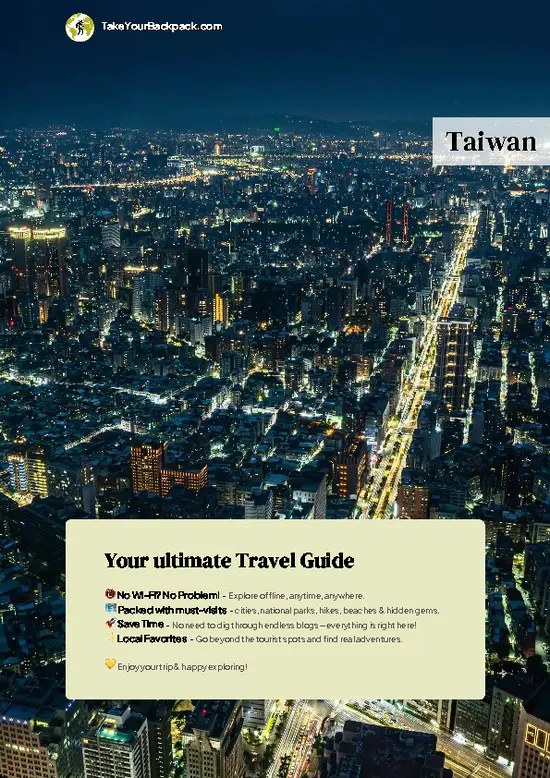
An offline-friendly backpacking guide with optimized travel routes, ranked highlights, transport advice, and the best areas to stay.
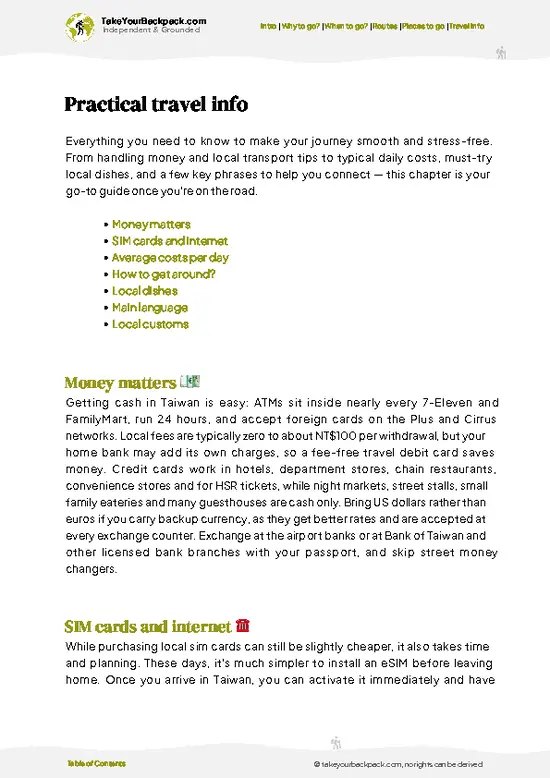
example page 0 from our offline Travel Guide for Taiwan
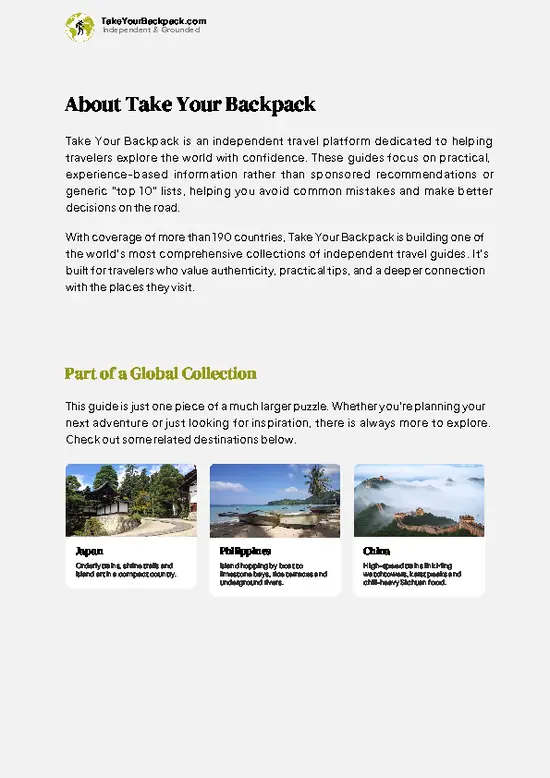
example page 1 from our offline Travel Guide for Taiwan
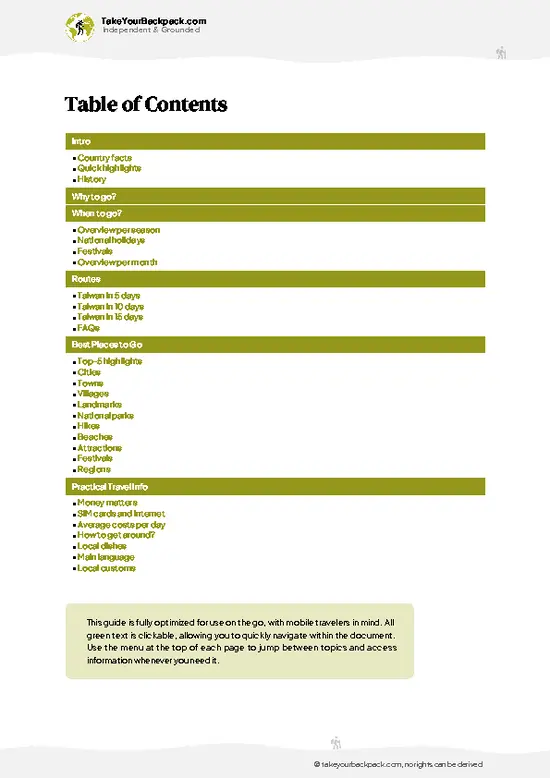
example page 2 from our offline Travel Guide for Taiwan
example page 3 from our offline Travel Guide for Taiwan
example page 4 from our offline Travel Guide for Taiwan
example page 5 from our offline Travel Guide for Taiwan
example page 6 from our offline Travel Guide for Taiwan
example page 7 from our offline Travel Guide for Taiwan
The digital guide (421 pages) contains:
115 highlights, ranked by travel appeal
Optimized 5, 10 & 15-day travel routes
Cities, national parks, landmarks, beaches
How to get around
Offline-friendly for travel without Wi-Fi
👉 Click to see all 30+ guide features

📅 Plan smarter in minutes, not weeks
Month by month travel advice
Festivals & national holidays
Budget expectations

🗺️ Go to the right places, skip the overrated ones
Honest pros & cons of destinations
Top hikes, parks & viewpoints
Lesser-known places most travelers miss
Clear “worth it vs skip it” guidance

🛏️ Travel smoothly without rookie mistakes
Best areas to stay
Transport systems explained simply
Common scams & safety advice
SIM cards, money & practical tips

🌍 Understand the country, not just visit it
Culture & traditions
52 Essential phrases & customs
Festivals worth planning around
Traveler-friendly historical context
Insights that make places more meaningful

📱 Built for real travel conditions
Fully downloadable PDF
Works completely offline
Optimized for phone use
Useful in remote areas & buses
Everything in one place
Save weeks of stressful planning
Get instant access to your full guide. 30‑day money-back guarantee.


By proceeding you agree to our terms.
Sent to your inbox immediately after payment • 100% Secure Checkout
Best Backpacking Travel Advisor 2025 tourism awardBest Backpacking
Travel Advisor
2025
What others say about Take Your Backpack Guides:
⭐⭐⭐⭐⭐
Fantastic, amazing amount of information!
⭐⭐⭐⭐⭐
My goodness this is amazing, it's what I've been looking for hats off too you!
⭐⭐⭐⭐⭐
I think this is absolutely BRILLIANT
⭐⭐⭐⭐
Very complete and informative. It's still missing places, but I gotta to commend you
⭐⭐⭐⭐⭐
This is truly amazing, thank you, can't wait to explore it with my kids!
⭐⭐⭐⭐⭐
Awesome resource, thank you!
⭐⭐⭐⭐⭐
This is amazing! Can't wait to explore the ones I haven't seen
⭐⭐⭐⭐
I love this! Well done, great idea.
⭐⭐⭐⭐⭐
Thanks for taking the time to make this gem!
⭐⭐⭐⭐⭐
This might be the best website I've ever seen.
⭐⭐⭐⭐⭐
Congratulations, and thank you so much for your work; it's incredibly valuable.
⭐⭐⭐⭐
In all seriousness I think you did a great job pointing out the important spots
⭐⭐⭐⭐⭐
10/10 very good
⭐⭐⭐⭐⭐
As someone who's only just starting to visit regularly this is awesome, thank you.
⭐⭐⭐⭐
Thank you very much! I'm going to visit my dad, it's going to be very useful!
⭐⭐⭐⭐⭐
This is really cool! We'll be travelling for the first time and this definitely come in handy.
⭐⭐⭐⭐⭐
You are now our minister of culture, congratulations 👨‍💼
⭐⭐⭐⭐⭐
Just wanted to tell you that this is a pearl! Going to follow your recommendations.
⭐⭐⭐⭐⭐
This is so cool. I'll definitely be using the resource for my travels soon.
⭐⭐⭐⭐⭐
This is very impressive! Good work.
⭐⭐⭐⭐⭐
This is an amazing and informative site. Very well done!

🛏️ Where to stay?Best areas and accommodation options

Lungshan Temple of Manka is a magnet for tourists, and yes, it gets crowded—especially on weekends and holidays. Forget the Instagram fantasy of peaceful, empty courtyards; here, you’ll find throngs of locals and visitors alike, all jostling for a glimpse of the temple’s intricate carvings and incense smoke curling through the air. That said, the real magic isn’t just the temple itself—it’s the neighborhood around it.

For backpackers, the best place to crash is Wanhua District. It’s gritty but safe, with a pulse that’s unmistakably Taipei. This area is a social hub for budget travelers because … read more 👉
Lungshan Temple of Manka is a magnet for tourists, and yes, it gets crowded—especially on weekends and holidays. Forget the Instagram fantasy of peaceful, empty courtyards; here, you’ll find throngs of locals and visitors alike, all jostling for a glimpse of the temple’s intricate carvings and incense smoke curling through the air. That said, the real magic isn’t just the temple itself—it’s the neighborhood around it.

For backpackers, the best place to crash is Wanhua District. It’s gritty but safe, with a pulse that’s unmistakably Taipei. This area is a social hub for budget travelers because it’s packed with affordable eats, night markets, and dive bars where you can swap stories with fellow wanderers. The vibe is authentic, not sanitized for tourists, so you get a genuine slice of local life. Plus, it’s a short walk or a quick MRT ride to the temple, meaning you can hit it early before the crowds swell or linger late when the temple glows under lantern light.

If you want to soak in the atmosphere beyond the temple’s walls, Wanhua is your base. It’s where the city’s soul shows up raw, loud, and real—exactly what you want when you’re backpacking Taiwan.

👛 Costs (as of 4 January 2026)What things cost and how to budget

Visiting Lungshan Temple of Manka in Taiwan is generally free of charge. Donations are welcome but not mandatory. If you choose to hire a local guide or participate in a cultural tour that includes the temple, expect to pay around USD 5 to 10 extra.

source: eng.taiwan.net.tw
⚠️ Prices can change and everyone travels differently, so take this as a rough guide. Hope it helps you plan your adventure!

Other Taiwanese attractions near Lungshan Temple of Manka

Explore more nearby:


💡 Not sure where to go next?
Create a personalized itinerary for Taiwan including Lungshan Temple of Manka and the places that fit your trip.

Generate my itinerary

👉 Discover all attractions

Or checkout all Taiwan has to offer (think cities, towns, villages, national parks, hikes, beaches, festivals)
Country photo of Taiwan

We 💚 feedbackKey takeaways before you go

Lungshan Temple is no quiet sanctuary—expect a crowd, especially on weekends. But that’s part of its pulse: the mix of incense smoke, chanting, and the occasional clatter of coins feels like stepping into a living, breathing ritual. The real magic? Watching locals quietly slip in to light incense or whisper prayers, completely unfazed by the tourists. If you want the soul of Taipei, this is it—just come ready to soak it in, not escape it.

✍️ Help improve this page!
The information on this page is based on in-depth research, insights shared by experienced travelers, and feedback from the local travel community in Taiwan. While every effort is made to keep the information accurate and current, conditions can change — so if you spot anything incorrect or outdated, please get in touch.


🙋‍♂️ Give feedback

👋 Meet the founderWho’s Behind Take Your Backpack?

Johan, backpacker and founder of TakeYourBackpackHi, I’m Johan (Netherlands 🇳🇱), the creator of TakeYourBackpack. Over the past decade, I’ve backpacked through 80+ countries across six continents, gaining extensive experience with independent travel, long-term trips, and overland routes.

This site is built on a combination of firsthand travel experience and carefully curated insights from other backpackers. Many guides are based on places I’ve personally visited, while others bring together tips, observations, and practical advice shared by trusted travelers I’ve met along the way.

The goal is to provide realistic, experience-driven guidance — not generic itineraries — so you can explore destinations with better context, clearer expectations, and more confidence.

Get full Taiwan guide •
Instant download • 115 highlights • Full Offline guide