v2.webp)
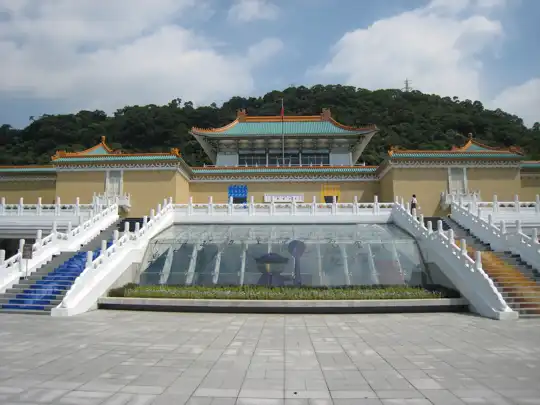
The Jadeite Cabbage
Let’s get real: you’ll be elbow-to-elbow with selfie sticks for this one. But there’s a reason. This palm-sized hunk of jade, carved to look like a cabbage leaf with a grasshopper perched on top, is the museum’s Beyoncé. It’s not just about the craftsmanship (which is wild—veins, bugs, all in stone), but the fact that it turns a humble vegetable into high art. It’s playful, it’s weirdly relatable, and it’s the only time you’ll see a crowd lose their minds over a vegetable. Skip the Instagram filter; the real magic is watching locals and tourists alike light up when they spot it.
The Meat-Shaped Stone
Yes, it’s a rock that looks exactly like a chunk of braised pork belly. No, you’re not hallucinating. This is the kind of artifact that makes you question reality—and then … read more 👉
Let’s get real: you’ll be elbow-to-elbow with selfie sticks for this one. But there’s a reason. This palm-sized hunk of jade, carved to look like a cabbage leaf with a grasshopper perched on top, is the museum’s Beyoncé. It’s not just about the craftsmanship (which is wild—veins, bugs, all in stone), but the fact that it turns a humble vegetable into high art. It’s playful, it’s weirdly relatable, and it’s the only time you’ll see a crowd lose their minds over a vegetable. Skip the Instagram filter; the real magic is watching locals and tourists alike light up when they spot it.
The Meat-Shaped Stone
Yes, it’s a rock that looks exactly like a chunk of braised pork belly. No, you’re not hallucinating. This is the kind of artifact that makes you question reality—and then … read more 👉
The Jadeite Cabbage
Let’s get real: you’ll be elbow-to-elbow with selfie sticks for this one. But there’s a reason. This palm-sized hunk of jade, carved to look like a cabbage leaf with a grasshopper perched on top, is the museum’s Beyoncé. It’s not just about the craftsmanship (which is wild—veins, bugs, all in stone), but the fact that it turns a humble vegetable into high art. It’s playful, it’s weirdly relatable, and it’s the only time you’ll see a crowd lose their minds over a vegetable. Skip the Instagram filter; the real magic is watching locals and tourists alike light up when they spot it.
The Meat-Shaped Stone
Yes, it’s a rock that looks exactly like a chunk of braised pork belly. No, you’re not hallucinating. This is the kind of artifact that makes you question reality—and then laugh at how much you want to eat a piece of quartz. It’s a masterclass in trompe-l’oeil, and a sly wink from the Qing dynasty artisans who knew how to have fun with their materials. The crowds are thick, but the payoff is seeing something that’s both a technical marvel and a running joke among Taiwanese schoolkids.
Calligraphy and Painting Galleries
Here’s where the tour groups thin out and the museum’s soul comes through. The scrolls and ink paintings aren’t just old—they’re alive with personality. You’ll see brushwork that’s loose and wild, poems that read like late-night texts from centuries ago, and landscapes that make you want to wander off into the mist. The rotation is constant, so what’s on display changes, but the vibe is always meditative and a little rebellious. This is where you feel the pulse of Chinese culture, not just its history.
Bronze Age Ritual Vessels
If you want to feel the weight of time, stand in front of these ancient bronzes. Some are over 3,000 years old, and they look like they could survive the apocalypse. The details—beast faces, geometric patterns, inscriptions—are hypnotic. These weren’t just for show; they were used in ceremonies that shaped dynasties. The museum’s collection is one of the world’s best, and the sheer presence of these objects is humbling. No filter, no hype—just raw, ancient power.
The Shuangxi Tea Room
You can’t eat the cabbage or the pork stone, but you can recharge in the museum’s tea room. It’s not a tourist trap; it’s a genuine breather. Order a pot of oolong, watch the koi outside, and let the sensory overload settle. This is where you get to process everything you’ve seen, surrounded by locals who treat the museum as a living part of their city. It’s the reset button you didn’t know you needed.
Let’s get real: you’ll be elbow-to-elbow with selfie sticks for this one. But there’s a reason. This palm-sized hunk of jade, carved to look like a cabbage leaf with a grasshopper perched on top, is the museum’s Beyoncé. It’s not just about the craftsmanship (which is wild—veins, bugs, all in stone), but the fact that it turns a humble vegetable into high art. It’s playful, it’s weirdly relatable, and it’s the only time you’ll see a crowd lose their minds over a vegetable. Skip the Instagram filter; the real magic is watching locals and tourists alike light up when they spot it.
The Meat-Shaped Stone
Yes, it’s a rock that looks exactly like a chunk of braised pork belly. No, you’re not hallucinating. This is the kind of artifact that makes you question reality—and then laugh at how much you want to eat a piece of quartz. It’s a masterclass in trompe-l’oeil, and a sly wink from the Qing dynasty artisans who knew how to have fun with their materials. The crowds are thick, but the payoff is seeing something that’s both a technical marvel and a running joke among Taiwanese schoolkids.
Calligraphy and Painting Galleries
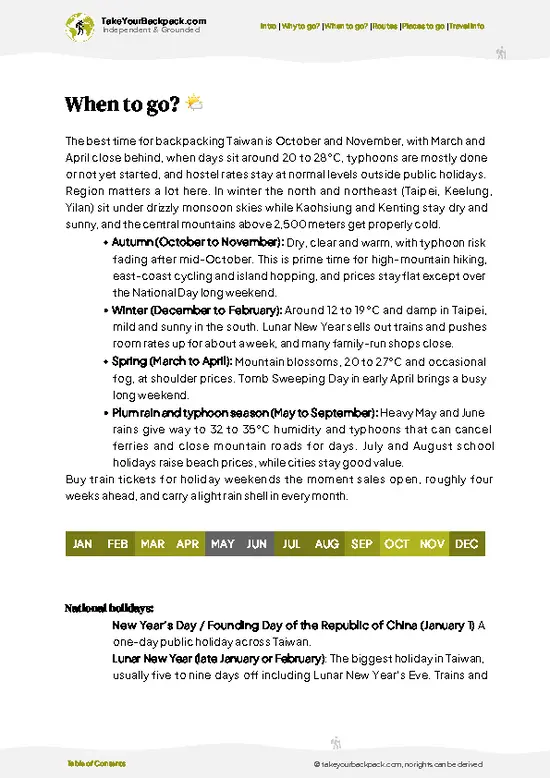
Here’s where the tour groups thin out and the museum’s soul comes through. The scrolls and ink paintings aren’t just old—they’re alive with personality. You’ll see brushwork that’s loose and wild, poems that read like late-night texts from centuries ago, and landscapes that make you want to wander off into the mist. The rotation is constant, so what’s on display changes, but the vibe is always meditative and a little rebellious. This is where you feel the pulse of Chinese culture, not just its history.
Bronze Age Ritual Vessels
If you want to feel the weight of time, stand in front of these ancient bronzes. Some are over 3,000 years old, and they look like they could survive the apocalypse. The details—beast faces, geometric patterns, inscriptions—are hypnotic. These weren’t just for show; they were used in ceremonies that shaped dynasties. The museum’s collection is one of the world’s best, and the sheer presence of these objects is humbling. No filter, no hype—just raw, ancient power.
The Shuangxi Tea Room
You can’t eat the cabbage or the pork stone, but you can recharge in the museum’s tea room. It’s not a tourist trap; it’s a genuine breather. Order a pot of oolong, watch the koi outside, and let the sensory overload settle. This is where you get to process everything you’ve seen, surrounded by locals who treat the museum as a living part of their city. It’s the reset button you didn’t know you needed.
Spotted a mistake or missing something? Contact us.

Full-Day Private Custom Taipei City Tour

Small-Group: Classic Taipei Landmarks Day Tour

Full-Day Private Custom Keelung Shore Excursions

Taipei City Morning Tour with National Palace Museum entry

Taipei Private Car Charter Tour

Keelung Port Shore Private Customized Tour

Private Tour: Taipei Timeless Treasures Tour (The Best of Taipei)

Taipei National Palace Museum Guided Tour

One-Day Historical and Heritage Tour in Taipei

 Best Backpacking
.jpg) Hi, I’m Johan (Netherlands 🇳🇱), the creator of TakeYourBackpack. Over the past 3 decades, I’ve backpacked through 90+ countries across six continents, gaining extensive experience with independent travel, long-term trips, and overland routes.
Hi, I’m Johan (Netherlands 🇳🇱), the creator of TakeYourBackpack. Over the past 3 decades, I’ve backpacked through 90+ countries across six continents, gaining extensive experience with independent travel, long-term trips, and overland routes.