v2.webp)

Wenwu Temple
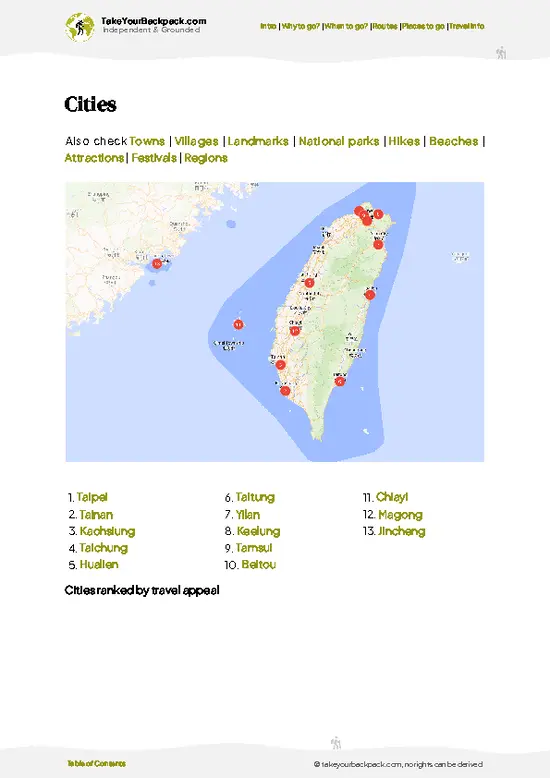
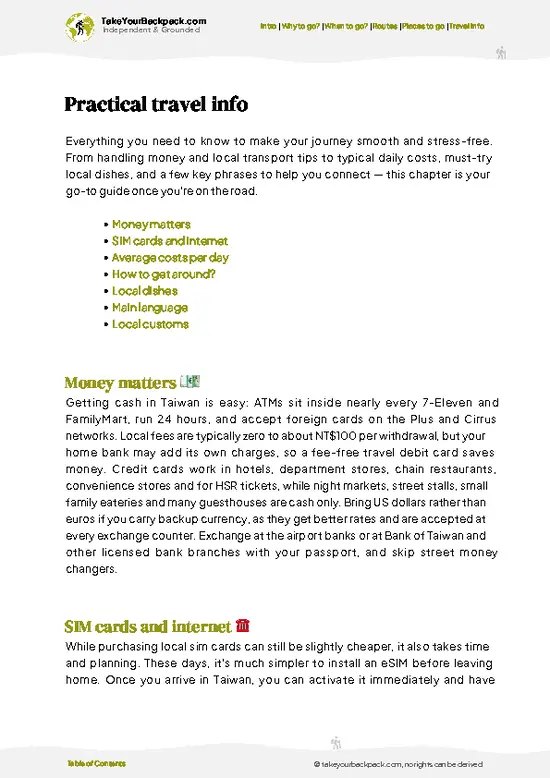
The incense here is thick and sweet, curling up past the vermillion pillars as you climb the broad stone steps. Wenwu Temple is Sun Moon Lake’s spiritual anchor—a place where the local pulse is strongest at sunrise, when the lake’s mist still clings to the mountains and the temple’s bells echo across the water. The architecture is a riot of dragons, gold, and red, but the real magic is in the details: the carved stone guardians, the calligraphy, the hush of locals lighting incense for luck. Visit early morning for the softest light and fewest crowds. Entry is free. Give yourself 45 minutes to an hour to wander, breathe, and watch the lake shift below.
Shuishe Pier and Lakeside Trail
This is where Sun Moon Lake feels most alive. The pier is the town’s social heart—ferries bobbing, … read more 👉
The incense here is thick and sweet, curling up past the vermillion pillars as you climb the broad stone steps. Wenwu Temple is Sun Moon Lake’s spiritual anchor—a place where the local pulse is strongest at sunrise, when the lake’s mist still clings to the mountains and the temple’s bells echo across the water. The architecture is a riot of dragons, gold, and red, but the real magic is in the details: the carved stone guardians, the calligraphy, the hush of locals lighting incense for luck. Visit early morning for the softest light and fewest crowds. Entry is free. Give yourself 45 minutes to an hour to wander, breathe, and watch the lake shift below.
Shuishe Pier and Lakeside Trail
This is where Sun Moon Lake feels most alive. The pier is the town’s social heart—ferries bobbing, … read more 👉
Wenwu Temple
The incense here is thick and sweet, curling up past the vermillion pillars as you climb the broad stone steps. Wenwu Temple is Sun Moon Lake’s spiritual anchor—a place where the local pulse is strongest at sunrise, when the lake’s mist still clings to the mountains and the temple’s bells echo across the water. The architecture is a riot of dragons, gold, and red, but the real magic is in the details: the carved stone guardians, the calligraphy, the hush of locals lighting incense for luck. Visit early morning for the softest light and fewest crowds. Entry is free. Give yourself 45 minutes to an hour to wander, breathe, and watch the lake shift below.
Shuishe Pier and Lakeside Trail
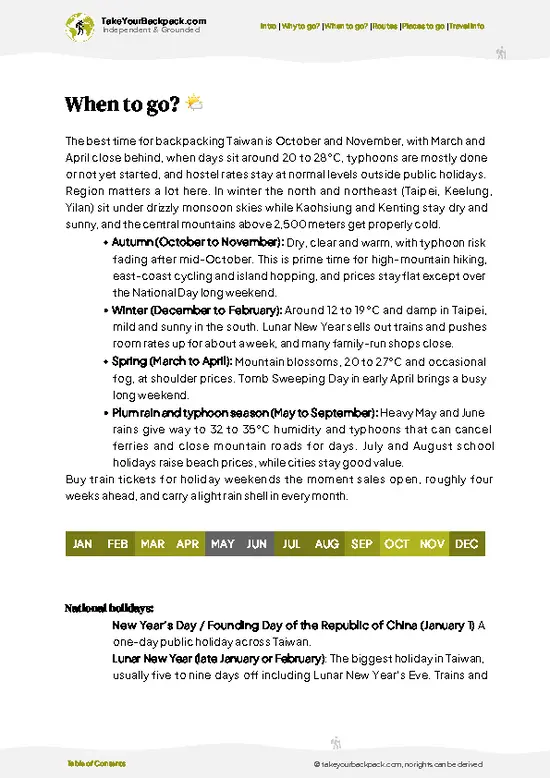
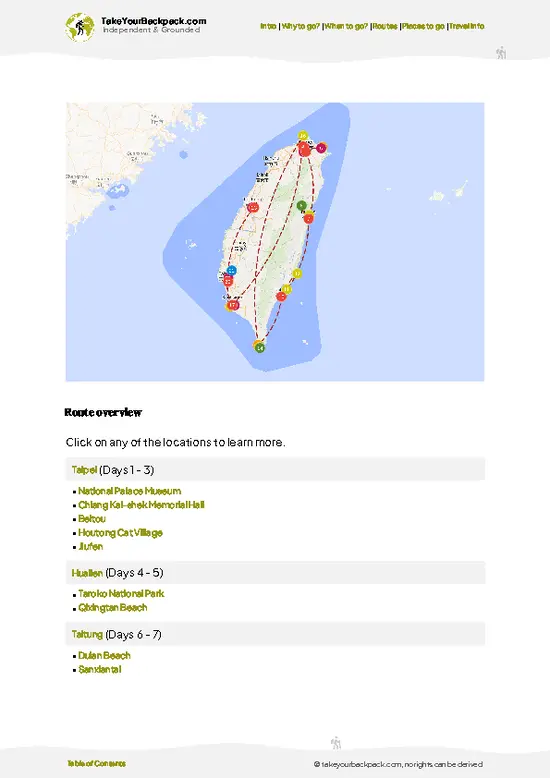
This is where Sun Moon Lake feels most alive. The pier is the town’s social heart—ferries bobbing, cyclists zipping by, vendors hawking tea eggs and sweet potatoes. But step onto the lakeside trail and the noise falls away. The path hugs the water, shaded by camphor and acacia, with the scent of damp earth and the occasional whiff of grilled squid from a passing food cart. Walk or rent a bike (NT$100-200/hour) and loop as far as you like; the best stretch is between Shuishe and Xiangshan, about 2.5km, which takes 30-45 minutes on foot. Go at dusk for golden light and the lake’s mirror-calm surface.
Ita Thao Village
Ita Thao is the living memory of the Thao people, Sun Moon Lake’s original inhabitants. The village is a tangle of narrow lanes, food stalls, and souvenir shops, but the real draw is the sense of place: you’ll hear the Thao language, see traditional crafts, and taste millet wine and sticky rice wrapped in bamboo leaves. The lakeside boardwalk is perfect for people-watching and sampling aboriginal snacks. Go in the late afternoon, when the crowds thin and the air smells of grilling meat. No entry fee; expect to spend NT$100-300 on snacks and souvenirs. Allow 1-2 hours to soak it in.
Xiangshan Visitor Center
This isn’t your average tourist info stop. The building itself is a low-slung, concrete-and-glass marvel, designed by architect Dan Norihiko, framing the lake like a living painting. The air is cool and quiet inside, with panoramic windows and a café that serves surprisingly good coffee. The rooftop and outdoor decks are the real prize—come in the morning for misty, cinematic views, or late afternoon for a breeze and fewer tour groups. Free entry. Plan for 30-45 minutes, longer if you linger over coffee.
Sun Moon Lake Ropeway
The cable car ride is pure theater: you’re suspended high above the water, gliding from Ita Thao up toward the Formosan Aboriginal Culture Village. The windows frame the lake’s shifting blues and the patchwork of forested hills. Even if you don’t visit the theme park, the ride itself is worth it for the perspective and the thrill. Best in the late morning or early afternoon, when the light is clear and the lines are shortest. NT$300-350 round trip. The ride takes about 10 minutes each way.
For those with extra time, Sun Moon Lake is the perfect launchpad for day trips to the tea plantations of Yuchi, the butterfly-rich trails of Maolan Mountain, or the historic town of Puli—each a short bus or scooter ride away and well worth the detour.
The incense here is thick and sweet, curling up past the vermillion pillars as you climb the broad stone steps. Wenwu Temple is Sun Moon Lake’s spiritual anchor—a place where the local pulse is strongest at sunrise, when the lake’s mist still clings to the mountains and the temple’s bells echo across the water. The architecture is a riot of dragons, gold, and red, but the real magic is in the details: the carved stone guardians, the calligraphy, the hush of locals lighting incense for luck. Visit early morning for the softest light and fewest crowds. Entry is free. Give yourself 45 minutes to an hour to wander, breathe, and watch the lake shift below.
Shuishe Pier and Lakeside Trail
This is where Sun Moon Lake feels most alive. The pier is the town’s social heart—ferries bobbing, cyclists zipping by, vendors hawking tea eggs and sweet potatoes. But step onto the lakeside trail and the noise falls away. The path hugs the water, shaded by camphor and acacia, with the scent of damp earth and the occasional whiff of grilled squid from a passing food cart. Walk or rent a bike (NT$100-200/hour) and loop as far as you like; the best stretch is between Shuishe and Xiangshan, about 2.5km, which takes 30-45 minutes on foot. Go at dusk for golden light and the lake’s mirror-calm surface.
Ita Thao Village
Ita Thao is the living memory of the Thao people, Sun Moon Lake’s original inhabitants. The village is a tangle of narrow lanes, food stalls, and souvenir shops, but the real draw is the sense of place: you’ll hear the Thao language, see traditional crafts, and taste millet wine and sticky rice wrapped in bamboo leaves. The lakeside boardwalk is perfect for people-watching and sampling aboriginal snacks. Go in the late afternoon, when the crowds thin and the air smells of grilling meat. No entry fee; expect to spend NT$100-300 on snacks and souvenirs. Allow 1-2 hours to soak it in.
Xiangshan Visitor Center
This isn’t your average tourist info stop. The building itself is a low-slung, concrete-and-glass marvel, designed by architect Dan Norihiko, framing the lake like a living painting. The air is cool and quiet inside, with panoramic windows and a café that serves surprisingly good coffee. The rooftop and outdoor decks are the real prize—come in the morning for misty, cinematic views, or late afternoon for a breeze and fewer tour groups. Free entry. Plan for 30-45 minutes, longer if you linger over coffee.
Sun Moon Lake Ropeway
The cable car ride is pure theater: you’re suspended high above the water, gliding from Ita Thao up toward the Formosan Aboriginal Culture Village. The windows frame the lake’s shifting blues and the patchwork of forested hills. Even if you don’t visit the theme park, the ride itself is worth it for the perspective and the thrill. Best in the late morning or early afternoon, when the light is clear and the lines are shortest. NT$300-350 round trip. The ride takes about 10 minutes each way.
For those with extra time, Sun Moon Lake is the perfect launchpad for day trips to the tea plantations of Yuchi, the butterfly-rich trails of Maolan Mountain, or the historic town of Puli—each a short bus or scooter ride away and well worth the detour.
Spotted a mistake or missing something? Contact us.

Private 9-Hour Sun Moon Lake Leisure Tour from Taichung (台中)!

1 day tour Sun Moon Lake from Taichung

Sun Moon Lake Private Tour with Scenic Boat Cruise form Taipie

Private Stand Up Paddleboarding Adventure in Sun Moon Lake

5-day Taiwan Family Fun Private Tour

Sun Moon Lake Boat Ticket

2-day Sun Moon Lake Private Tour from Taipei with Pick Up


 Best Backpacking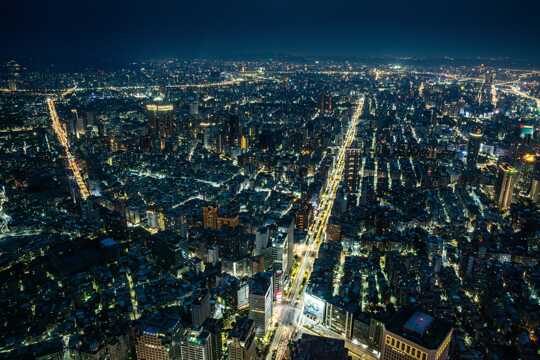
.jpg) Hi, I’m Johan (Netherlands 🇳🇱), the creator of TakeYourBackpack. Over the past 3 decades, I’ve backpacked through 90+ countries across six continents, gaining extensive experience with independent travel, long-term trips, and overland routes.
Hi, I’m Johan (Netherlands 🇳🇱), the creator of TakeYourBackpack. Over the past 3 decades, I’ve backpacked through 90+ countries across six continents, gaining extensive experience with independent travel, long-term trips, and overland routes.