v2.webp)
The Sleeping Buddha of Ajina-Tepe
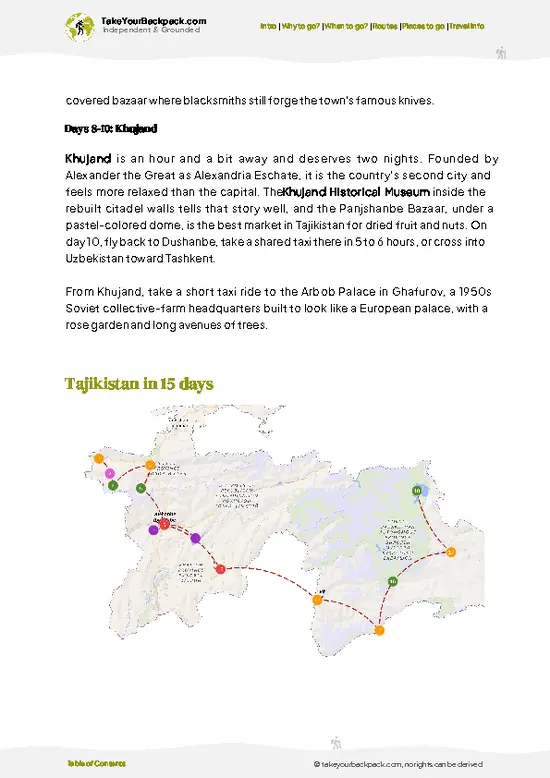
Let’s cut through the hype: this is not just another “big statue.” The 13-meter-long clay Buddha, rescued from a Soviet-era construction site, is the kind of artifact that makes you stop mid-scroll and actually pay attention. It’s not pristine—chunks are missing, the face is battered—but that’s the point. You’re staring at a survivor from the 7th century, a relic of the Silk Road’s Buddhist chapter that Tajikistan rarely gets credit for. The room is dim, the air smells faintly of dust and old plaster, and you’ll probably have it to yourself. No velvet ropes, no selfie mobs. Just you and a piece of history that’s quietly outlasted empires.
Oxus Treasure Replicas
Forget the word “replica” for a second. The originals—golden armlets, intricate figurines, ceremonial … read more 👉
Let’s cut through the hype: this is not just another “big statue.” The 13-meter-long clay Buddha, rescued from a Soviet-era construction site, is the kind of artifact that makes you stop mid-scroll and actually pay attention. It’s not pristine—chunks are missing, the face is battered—but that’s the point. You’re staring at a survivor from the 7th century, a relic of the Silk Road’s Buddhist chapter that Tajikistan rarely gets credit for. The room is dim, the air smells faintly of dust and old plaster, and you’ll probably have it to yourself. No velvet ropes, no selfie mobs. Just you and a piece of history that’s quietly outlasted empires.
Oxus Treasure Replicas
Forget the word “replica” for a second. The originals—golden armlets, intricate figurines, ceremonial … read more 👉
The Sleeping Buddha of Ajina-Tepe
Let’s cut through the hype: this is not just another “big statue.” The 13-meter-long clay Buddha, rescued from a Soviet-era construction site, is the kind of artifact that makes you stop mid-scroll and actually pay attention. It’s not pristine—chunks are missing, the face is battered—but that’s the point. You’re staring at a survivor from the 7th century, a relic of the Silk Road’s Buddhist chapter that Tajikistan rarely gets credit for. The room is dim, the air smells faintly of dust and old plaster, and you’ll probably have it to yourself. No velvet ropes, no selfie mobs. Just you and a piece of history that’s quietly outlasted empires.
Oxus Treasure Replicas
Forget the word “replica” for a second. The originals—golden armlets, intricate figurines, ceremonial vessels—are scattered across the British Museum and the Louvre, but here you get the full story, not just the loot. The Oxus Treasure is the stuff of Indiana Jones fever dreams: lost, found, smuggled, and still shrouded in mystery. The museum’s display is refreshingly honest about the gaps and controversies. You’ll see the craftsmanship up close, but more importantly, you’ll get a sense of the wild, lawless archaeology that shaped Central Asia’s reputation as a crossroads of greed and genius.
Sogdian Wall Paintings
If you think Central Asian art is all camels and carpets, these murals will recalibrate your brain. The Sogdians were the Silk Road’s original influencers—traders, storytellers, and party-throwers. Their wall paintings, rescued from Panjakent, are riotous with color and drama: feasts, battles, and mythic beasts, painted with a swagger that feels almost modern. The museum doesn’t hide the fact that some panels are faded or fragmentary. That’s the thrill. You’re piecing together a lost civilization, brushstroke by brushstroke.
Ancient Bactrian Artifacts
Bactria isn’t a household name, but it should be. The museum’s collection of Bactrian seals, jewelry, and ceremonial objects is a crash course in the region’s pre-Islamic swagger. These aren’t just pretty trinkets—they’re proof that Tajikistan was a player in the ancient world, not a footnote. The craftsmanship is raw, sometimes even crude, but the designs are bold and weirdly contemporary. If you’re tired of sanitized, over-curated museum displays, this section feels refreshingly real.
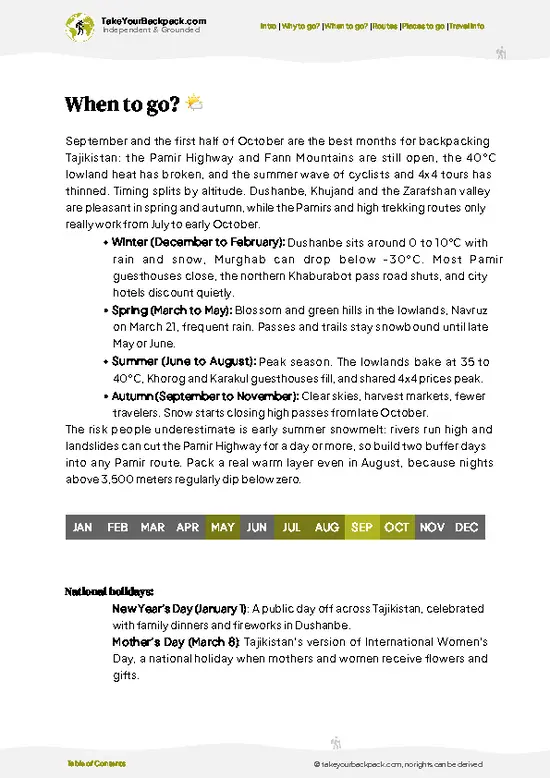
Pre-Islamic Zoroastrian Relics
Here’s where the Instagram crowd thins out. Zoroastrianism gets a passing mention in most museums, but here you’ll find ossuaries, fire altars, and ritual vessels that tell the story of a faith that shaped empires. The displays are low-key, almost austere, but the symbolism is dense. If you’re the kind of traveler who likes to dig beneath the surface, these relics are a goldmine. No hype, no hashtags—just the raw bones of history, waiting for someone curious enough to care.
Let’s cut through the hype: this is not just another “big statue.” The 13-meter-long clay Buddha, rescued from a Soviet-era construction site, is the kind of artifact that makes you stop mid-scroll and actually pay attention. It’s not pristine—chunks are missing, the face is battered—but that’s the point. You’re staring at a survivor from the 7th century, a relic of the Silk Road’s Buddhist chapter that Tajikistan rarely gets credit for. The room is dim, the air smells faintly of dust and old plaster, and you’ll probably have it to yourself. No velvet ropes, no selfie mobs. Just you and a piece of history that’s quietly outlasted empires.
Oxus Treasure Replicas
Forget the word “replica” for a second. The originals—golden armlets, intricate figurines, ceremonial vessels—are scattered across the British Museum and the Louvre, but here you get the full story, not just the loot. The Oxus Treasure is the stuff of Indiana Jones fever dreams: lost, found, smuggled, and still shrouded in mystery. The museum’s display is refreshingly honest about the gaps and controversies. You’ll see the craftsmanship up close, but more importantly, you’ll get a sense of the wild, lawless archaeology that shaped Central Asia’s reputation as a crossroads of greed and genius.
Sogdian Wall Paintings
If you think Central Asian art is all camels and carpets, these murals will recalibrate your brain. The Sogdians were the Silk Road’s original influencers—traders, storytellers, and party-throwers. Their wall paintings, rescued from Panjakent, are riotous with color and drama: feasts, battles, and mythic beasts, painted with a swagger that feels almost modern. The museum doesn’t hide the fact that some panels are faded or fragmentary. That’s the thrill. You’re piecing together a lost civilization, brushstroke by brushstroke.
Ancient Bactrian Artifacts
Bactria isn’t a household name, but it should be. The museum’s collection of Bactrian seals, jewelry, and ceremonial objects is a crash course in the region’s pre-Islamic swagger. These aren’t just pretty trinkets—they’re proof that Tajikistan was a player in the ancient world, not a footnote. The craftsmanship is raw, sometimes even crude, but the designs are bold and weirdly contemporary. If you’re tired of sanitized, over-curated museum displays, this section feels refreshingly real.
Pre-Islamic Zoroastrian Relics
Here’s where the Instagram crowd thins out. Zoroastrianism gets a passing mention in most museums, but here you’ll find ossuaries, fire altars, and ritual vessels that tell the story of a faith that shaped empires. The displays are low-key, almost austere, but the symbolism is dense. If you’re the kind of traveler who likes to dig beneath the surface, these relics are a goldmine. No hype, no hashtags—just the raw bones of history, waiting for someone curious enough to care.
Spotted a mistake or missing something? Contact us.

Dushanbe to Osh on Pamir Highway

Private Full-Day Tour to Iskandarkul

Dushanbe City Tour & Hissar Fortress

ISKANDARKUL - Live Legend, One-day tour

Dushanbe, One Day Excursion

Hisor Fortress, One-day tour

Pamir Highway in 5 days from Dushanbe to Osh

Private Dushanbe Guided Tour

2 Days Private Tour to Pamir Highway


 Best Backpacking
.jpg) Hi, I’m Johan (Netherlands 🇳🇱), the creator of TakeYourBackpack. Over the past 3 decades, I’ve backpacked through 90+ countries across six continents, gaining extensive experience with independent travel, long-term trips, and overland routes.
Hi, I’m Johan (Netherlands 🇳🇱), the creator of TakeYourBackpack. Over the past 3 decades, I’ve backpacked through 90+ countries across six continents, gaining extensive experience with independent travel, long-term trips, and overland routes.