v2.webp)
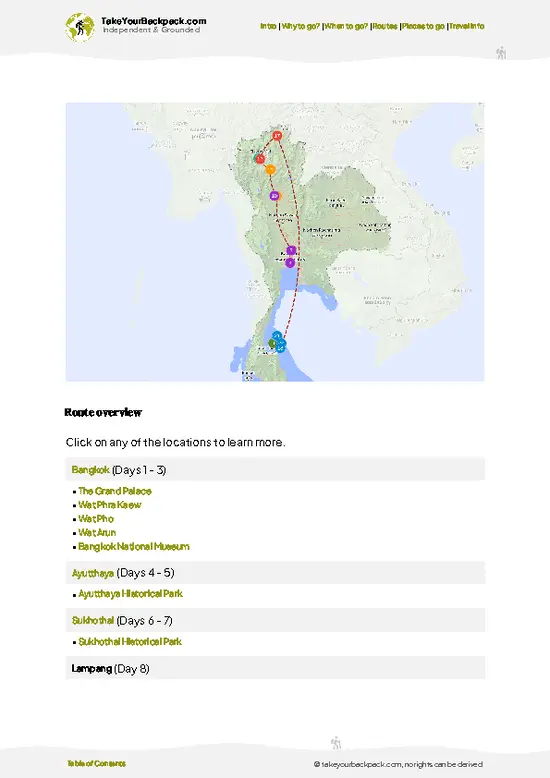
The Funeral Chariot Hall
Forget the usual glass-case boredom. This hall is a jaw-dropper: colossal, gold-leafed royal funeral chariots that look like they rolled straight out of a myth. These are not replicas. They’re the real deal, used for actual royal cremations. The scale is wild—think gilded pagodas on wheels, with enough detail to make your eyes ache. You’ll never look at a parade float the same way again.
The Red House (Tamnak Daeng)
This teakwood mansion is the museum’s curveball. It’s not a temple or a throne room, but a lived-in slice of 18th-century royal life, complete with creaky floorboards and old-school charm. The Red House is a rare chance to see how Siamese royalty actually lived—less about gold, more about daily rituals and personal quirks. The intimacy here is a relief … read more 👉
Forget the usual glass-case boredom. This hall is a jaw-dropper: colossal, gold-leafed royal funeral chariots that look like they rolled straight out of a myth. These are not replicas. They’re the real deal, used for actual royal cremations. The scale is wild—think gilded pagodas on wheels, with enough detail to make your eyes ache. You’ll never look at a parade float the same way again.
The Red House (Tamnak Daeng)
This teakwood mansion is the museum’s curveball. It’s not a temple or a throne room, but a lived-in slice of 18th-century royal life, complete with creaky floorboards and old-school charm. The Red House is a rare chance to see how Siamese royalty actually lived—less about gold, more about daily rituals and personal quirks. The intimacy here is a relief … read more 👉
The Funeral Chariot Hall
Forget the usual glass-case boredom. This hall is a jaw-dropper: colossal, gold-leafed royal funeral chariots that look like they rolled straight out of a myth. These are not replicas. They’re the real deal, used for actual royal cremations. The scale is wild—think gilded pagodas on wheels, with enough detail to make your eyes ache. You’ll never look at a parade float the same way again.
The Red House (Tamnak Daeng)
This teakwood mansion is the museum’s curveball. It’s not a temple or a throne room, but a lived-in slice of 18th-century royal life, complete with creaky floorboards and old-school charm. The Red House is a rare chance to see how Siamese royalty actually lived—less about gold, more about daily rituals and personal quirks. The intimacy here is a relief after the grandeur overload.
The Buddhaisawan Chapel
This is the museum’s spiritual heart. The murals inside are not just decoration—they’re a fever dream of Thai Buddhist cosmology, with demons, gods, and celestial battles swirling across every inch. The main Buddha image, Phra Phuttha Sihing, is one of the most revered in Thailand. It’s not just art; it’s a living shrine, and the energy is palpable. If you only have time for one room, make it this one. (Personal favorite—there’s nothing like the hush in here when the crowds thin out.)
The Thai History Gallery
This is where the museum earns its stripes. The gallery doesn’t sugarcoat the story of Thailand. You get the wars, the alliances, the betrayals—told through weapons, regalia, and artifacts that actually saw action. It’s a crash course in Thai identity, minus the tourist gloss. If you want to understand why Thailand is the way it is, start here.
The Decorative Arts and Ethnological Collection
This is the antidote to temple fatigue. Here’s where you’ll find everything from shadow puppets to ivory chess sets to hill-tribe textiles. It’s a riot of color and craft, and it proves that Thai culture is more than just gold Buddhas and royal pageantry. The variety is dizzying, and it’s a reminder that “Thai” is a mosaic, not a monolith.
Forget the usual glass-case boredom. This hall is a jaw-dropper: colossal, gold-leafed royal funeral chariots that look like they rolled straight out of a myth. These are not replicas. They’re the real deal, used for actual royal cremations. The scale is wild—think gilded pagodas on wheels, with enough detail to make your eyes ache. You’ll never look at a parade float the same way again.
The Red House (Tamnak Daeng)
This teakwood mansion is the museum’s curveball. It’s not a temple or a throne room, but a lived-in slice of 18th-century royal life, complete with creaky floorboards and old-school charm. The Red House is a rare chance to see how Siamese royalty actually lived—less about gold, more about daily rituals and personal quirks. The intimacy here is a relief after the grandeur overload.
The Buddhaisawan Chapel
This is the museum’s spiritual heart. The murals inside are not just decoration—they’re a fever dream of Thai Buddhist cosmology, with demons, gods, and celestial battles swirling across every inch. The main Buddha image, Phra Phuttha Sihing, is one of the most revered in Thailand. It’s not just art; it’s a living shrine, and the energy is palpable. If you only have time for one room, make it this one. (Personal favorite—there’s nothing like the hush in here when the crowds thin out.)
The Thai History Gallery
This is where the museum earns its stripes. The gallery doesn’t sugarcoat the story of Thailand. You get the wars, the alliances, the betrayals—told through weapons, regalia, and artifacts that actually saw action. It’s a crash course in Thai identity, minus the tourist gloss. If you want to understand why Thailand is the way it is, start here.
The Decorative Arts and Ethnological Collection
This is the antidote to temple fatigue. Here’s where you’ll find everything from shadow puppets to ivory chess sets to hill-tribe textiles. It’s a riot of color and craft, and it proves that Thai culture is more than just gold Buddhas and royal pageantry. The variety is dizzying, and it’s a reminder that “Thai” is a mosaic, not a monolith.
Spotted a mistake or missing something? Contact us.

Private Floating market and Railway Market & Ayutthaya Historical

Bangkok Private Tour to Grand Palace , Wat Pho and Wat Arun

Karnchanaburi Private Erawan Waterfall and Boat Tour,Riverkwai

Best of Bangkok in a Day: Grand Palace, Wat Pho, floating market

Private Tour to Grand Palace, Pho Temple and Arun Temple

Private Tour to Railway Market and Floating Market

Private Grand Palace Wat Pho Wat Arun highlight of bangkok

Private Tour to Maeklong Railway Market and Floating Market

Private Damnoen Saduak Floating Market and Railway Market Premium


 Best Backpacking
.jpg) Hi, I’m Johan (Netherlands 🇳🇱), the creator of TakeYourBackpack. Over the past 3 decades, I’ve backpacked through 90+ countries across six continents, gaining extensive experience with independent travel, long-term trips, and overland routes.
Hi, I’m Johan (Netherlands 🇳🇱), the creator of TakeYourBackpack. Over the past 3 decades, I’ve backpacked through 90+ countries across six continents, gaining extensive experience with independent travel, long-term trips, and overland routes.