

×

Thailand🇹🇭 | national parksDong Phayayen-Khao Yai Forest ComplexUNESCO site, large mammals, mixed forest | things to do and best time to go

Explore Doi InthanonExplore Erawan

Backpacking in Dong Phayayen-Khao Yai Forest Complex
UNESCO World Heritage site
🌟 Highlightnational park ranked #8
By Johan Kruseman 🇳🇱 | Updated May 12, 2026

The first real decision here is whether you treat Dong Phayayen–Khao Yai Forest Complex as a quick Khao Yai day trip from Bangkok or commit a few days to actually sleep inside the forest; that choice decides if you mostly see viewpoints and road-side macaques, or if you give yourself a real shot at elephants, hornbills, and quiet trails. This UNESCO-listed forest block sits in eastern Thailand, stretching across several provinces between Bangkok and the Cambodian border, with Khao Yai National Park as the most visited gateway. For backpackers, it’s a trade: excellent marked hikes, waterfalls, and real wildlife, but higher fees for foreigners, mandatory transport inside, and growing crowds on weekends. Camping and basic bungalows are affordable, but not dirt-cheap. Compared with Erawan or Khao Sok, it’s less dramatic on Instagram, more about serious forest time and patient, low-key days.

Discover everything you want to know in the 📖 Thailand Travel Guide.
Loading the map 🌍
CLICK TO FILTER
cities
towns
landmarks
national parks
hikes
beaches
attractions
festivals
regions
SHOW COUNTRY’S BESTSHOW ALL

✨ Why go?
Ranked #8 national park in Thailand
The unique appeal for travelers

Backpackers flock to Dong Phayayen-Khao Yai Forest Complex for its blend of independent exploration and affordable accommodations. You can pitch a tent at budget-friendly campsites or find cozy hostels nearby, keeping costs low while immersing yourself in nature. The park boasts a variety of trails, catering to all levels, from leisurely walks to challenging hikes. This diversity allows you to tailor your experience, whether you want a quick stroll or a full-day trek.

What sets this park apart is its suitability for self-guided travelers. You don’t need to rely on tours; the well-marked paths and informative signage make navigation straightforward. Just be aware of the entry fees and potential costs for guided activities if you choose to indulge. By planning wisely, you can preserve your … read more 👉
Backpackers flock to Dong Phayayen-Khao Yai Forest Complex for its blend of independent exploration and affordable accommodations. You can pitch a tent at budget-friendly campsites or find cozy hostels nearby, keeping costs low while immersing yourself in nature. The park boasts a variety of trails, catering to all levels, from leisurely walks to challenging hikes. This diversity allows you to tailor your experience, whether you want a quick stroll or a full-day trek.

What sets this park apart is its suitability for self-guided travelers. You don’t need to rely on tours; the well-marked paths and informative signage make navigation straightforward. Just be aware of the entry fees and potential costs for guided activities if you choose to indulge. By planning wisely, you can preserve your energy and budget for the moments that truly matter in this lush, vibrant landscape.
Want to include Dong Phayayen-Khao Yai Forest Complex in your Thailand route?
Create a personalized Thailand itinerary that includes Dong Phayayen-Khao Yai Forest Complex and the places that fit your trip — based on your travel style, budget, and available time. Get your route in seconds.

Generate my trip

💡 HighlightsThe experiences that define the visit

  • Haew Narok Waterfall — the park’s most dramatic, multi-tiered plunge. You’ll hear it before you see it; the viewpoint gives a thunderous, misty spectacle especially impressive in the rainy season.
  • Heo Suwat (Haew Suwat) Waterfall — the picture-perfect cascade with wooden platforms and easy access. Famous for film shots and quick photo ops, it’s a short walk from the car park and great if you’re short on time.
  • Pha Diao Dai viewpoint — sharp panoramas over forested ridges and a sea of morning mist in the cool season. A classic sunrise spot that rewards a pre-dawn start with quiet and huge views.
  • Nong Phak Chi watchtower and grasslands — one of the most reliable places to see wild elephants, gaurs and deer at dawn or dusk. The open grassland and elevated tower make wildlife watching easy
read more 👉
  • Haew Narok Waterfall — the park’s most dramatic, multi-tiered plunge. You’ll hear it before you see it; the viewpoint gives a thunderous, misty spectacle especially impressive in the rainy season.
  • Heo Suwat (Haew Suwat) Waterfall — the picture-perfect cascade with wooden platforms and easy access. Famous for film shots and quick photo ops, it’s a short walk from the car park and great if you’re short on time.
  • Pha Diao Dai viewpoint — sharp panoramas over forested ridges and a sea of morning mist in the cool season. A classic sunrise spot that rewards a pre-dawn start with quiet and huge views.
  • Nong Phak Chi watchtower and grasslands — one of the most reliable places to see wild elephants, gaurs and deer at dawn or dusk. The open grassland and elevated tower make wildlife watching easy and comfortable.
  • Evergreen forest hikes — long, shady trails that thread ancient rainforest: think gibbons calling, hornbills overhead and dense understory. Trails range from short loops to multi-hour treks; bring water, a map and patience for wildlife.
  • Pang Sida waterfalls & birding — part of the larger complex and worth the detour for cooler trails, waterfall pools and excellent birdwatching. You’ll find orchids, sunbirds and quieter paths than the main Khao Yai routes.
  • Night walks and ranger-led safaris — best way to meet the park’s nocturnals: civets, porcupines, frogs and occasionally slow loris. Go with park rangers so you don’t ruin someone’s habitat or your own evening.
Spotted a mistake or missing something? Contact us.

🌤️ When to go?Weather, crowds, and seasonal trade-offs


  • Weather: The dry season from November to February is your best bet. Expect less rain, which means trails stay firm and wildlife is easier to spot. Avoid the monsoon months (May to October) when heavy rains can flood paths and turn your hike into a slog.

  • Temperature: During the dry season, daytime highs hover around 25-30°C (77-86°F), comfortable for trekking. Nights can dip to 15-20°C (59-68°F), so pack layers. The hot season (March-April) can push temps above 35°C (95°F), making midday hikes exhausting.

  • Daylight Hours: Thailand enjoys roughly 11-12 hours of daylight year-round. The dry season offers clear skies, maximizing your daylight for longer hikes without the risk of sudden storms cutting your day short.

  • Crowds: Peak season (December-January) draws more visitors, especially
read more 👉

  • Weather: The dry season from November to February is your best bet. Expect less rain, which means trails stay firm and wildlife is easier to spot. Avoid the monsoon months (May to October) when heavy rains can flood paths and turn your hike into a slog.

  • Temperature: During the dry season, daytime highs hover around 25-30°C (77-86°F), comfortable for trekking. Nights can dip to 15-20°C (59-68°F), so pack layers. The hot season (March-April) can push temps above 35°C (95°F), making midday hikes exhausting.

  • Daylight Hours: Thailand enjoys roughly 11-12 hours of daylight year-round. The dry season offers clear skies, maximizing your daylight for longer hikes without the risk of sudden storms cutting your day short.

  • Crowds: Peak season (December-January) draws more visitors, especially on weekends. For quieter trails, aim for November or February weekdays. The park feels more intimate and wildlife encounters improve without the weekend rush.

  • Seasonal Activities: Birdwatching peaks in the dry season, with migratory species arriving. Night safaris and guided treks are more reliable when trails are dry and accessible.

  • Price Fluctuations: Accommodation and tours spike during the peak dry months. Booking ahead can save you from last-minute price hikes. Off-peak months offer better deals but come with the risk of rain disrupting plans.


Pro-tip: Plan your visit for late November or early February to dodge crowds and rain, giving you the best balance of comfort, wildlife activity, and wallet-friendly options.


source: climatestotravel.comJANJanuary: highly recommended for travelingFEBFebruary: excellent for travelingMARMarch: good for travelingAPRApril: fair for travelingMAYMay: below average for travelingJUNJune: below average for travelingJULJuly: below average for travelingAUGAugust: below average for travelingSEPSeptember: below average for travelingOCTOctober: fair for travelingNOVNovember: excellent for travelingDECDecember: highly recommended for traveling
when-to-go

✈️ The backpacker research shortcutThailand Travel Guide

An offline-friendly backpacking guide with optimized travel routes, ranked highlights, transport advice, and the best areas to stay.
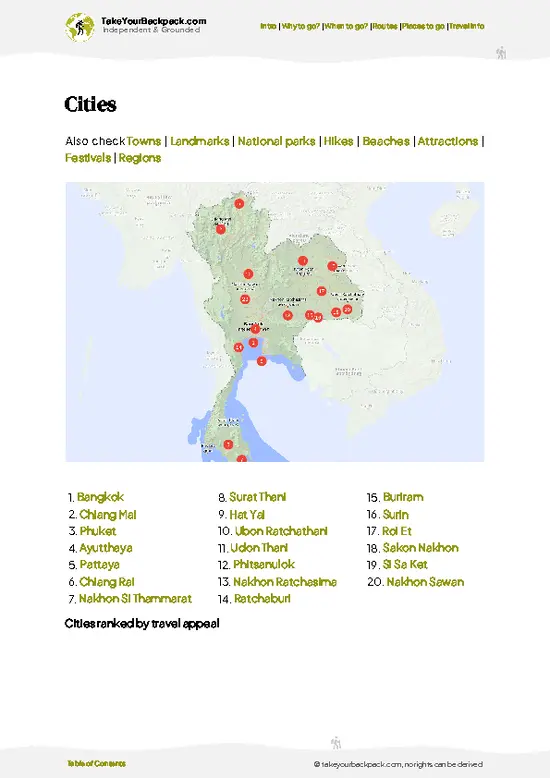
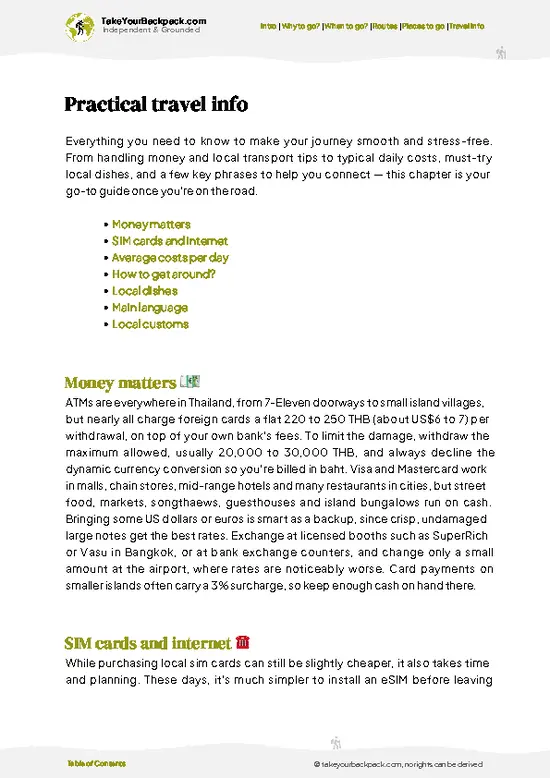
example page 0 from our offline Travel Guide for Thailand
example page 1 from our offline Travel Guide for Thailand
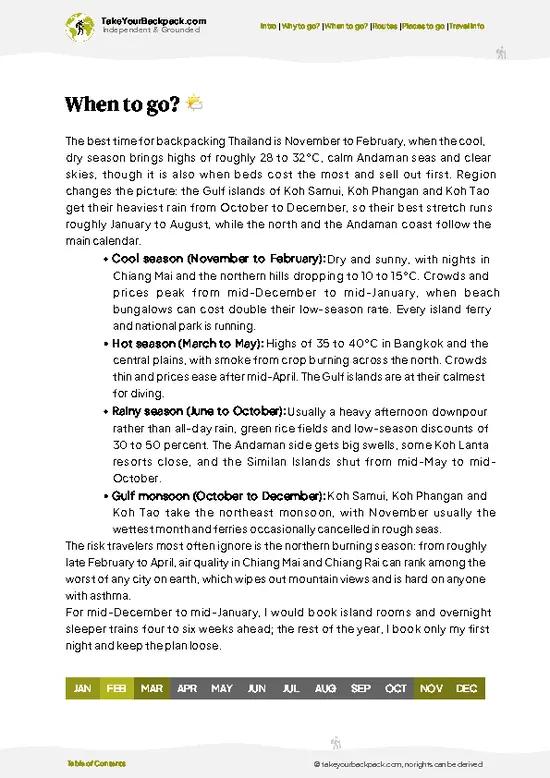
example page 2 from our offline Travel Guide for Thailand
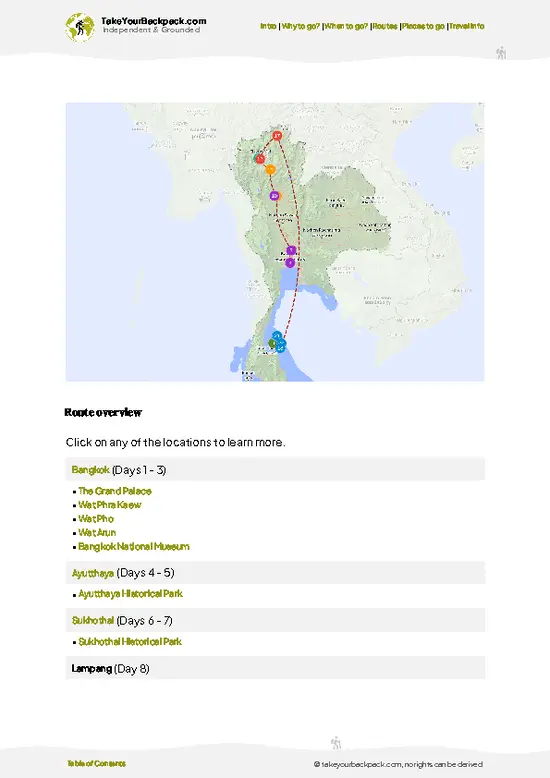
example page 3 from our offline Travel Guide for Thailand
example page 4 from our offline Travel Guide for Thailand
example page 5 from our offline Travel Guide for Thailand
example page 6 from our offline Travel Guide for Thailand
example page 7 from our offline Travel Guide for Thailand
The digital guide (510 pages) contains:
139 highlights, ranked by travel appeal
Optimized 7, 14 & 21-day travel routes
Cities, national parks, landmarks, beaches
How to get around
Offline-friendly for travel without Wi-Fi
👉 Click to see all 30+ guide features

📅 Plan smarter in minutes, not weeks
Month by month travel advice
Festivals & national holidays
Budget expectations

🗺️ Go to the right places, skip the overrated ones
Honest pros & cons of destinations
Top hikes, parks & viewpoints
Lesser-known places most travelers miss
Clear “worth it vs skip it” guidance

🛏️ Travel smoothly without rookie mistakes
Best areas to stay
Transport systems explained simply
Common scams & safety advice
SIM cards, money & practical tips

🌍 Understand the country, not just visit it
Culture & traditions
52 Essential phrases & customs
Festivals worth planning around
Traveler-friendly historical context
Insights that make places more meaningful

📱 Built for real travel conditions
Fully downloadable PDF
Works completely offline
Optimized for phone use
Useful in remote areas & buses
Everything in one place
Save weeks of stressful planning
Get instant access to your full guide. 30‑day money-back guarantee.


By proceeding you agree to our terms.
Sent to your inbox immediately after payment • 100% Secure Checkout
Best Backpacking Travel Advisor 2025 tourism awardBest Backpacking
Travel Advisor
2025
What others say about Take Your Backpack Guides:
⭐⭐⭐⭐⭐
Fantastic, amazing amount of information!
⭐⭐⭐⭐⭐
My goodness this is amazing, it's what I've been looking for hats off too you!
⭐⭐⭐⭐⭐
I think this is absolutely BRILLIANT
⭐⭐⭐⭐
Very complete and informative. It's still missing places, but I gotta to commend you
⭐⭐⭐⭐⭐
This is truly amazing, thank you, can't wait to explore it with my kids!
⭐⭐⭐⭐⭐
Awesome resource, thank you!
⭐⭐⭐⭐⭐
This is amazing! Can't wait to explore the ones I haven't seen
⭐⭐⭐⭐
I love this! Well done, great idea.
⭐⭐⭐⭐⭐
Thanks for taking the time to make this gem!
⭐⭐⭐⭐⭐
This might be the best website I've ever seen.
⭐⭐⭐⭐⭐
Congratulations, and thank you so much for your work; it's incredibly valuable.
⭐⭐⭐⭐
In all seriousness I think you did a great job pointing out the important spots
⭐⭐⭐⭐⭐
10/10 very good
⭐⭐⭐⭐⭐
As someone who's only just starting to visit regularly this is awesome, thank you.
⭐⭐⭐⭐
Thank you very much! I'm going to visit my dad, it's going to be very useful!
⭐⭐⭐⭐⭐
This is really cool! We'll be travelling for the first time and this definitely come in handy.
⭐⭐⭐⭐⭐
You are now our minister of culture, congratulations 👨‍💼
⭐⭐⭐⭐⭐
Just wanted to tell you that this is a pearl! Going to follow your recommendations.
⭐⭐⭐⭐⭐
This is so cool. I'll definitely be using the resource for my travels soon.
⭐⭐⭐⭐⭐
This is very impressive! Good work.
⭐⭐⭐⭐⭐
This is an amazing and informative site. Very well done!

🛏️ Where to stay?Best areas to stay in Thailand

When exploring the Dong Phayayen-Khao Yai Forest Complex, your accommodation choices can significantly impact your experience. Inside the national park, options are limited but worth considering. The Khao Yai National Park Visitor Center has basic bungalows that offer a rustic stay close to nature. These are no-frills but provide a unique chance to wake up surrounded by the sounds of the forest.

If you prefer more amenities, head to Pak Chong, a nearby town with a variety of guesthouses and budget hotels. Places like the Greenleaf Guesthouse or the Khao Yai Garden Lodge offer comfort without … read more 👉
When exploring the Dong Phayayen-Khao Yai Forest Complex, your accommodation choices can significantly impact your experience. Inside the national park, options are limited but worth considering. The Khao Yai National Park Visitor Center has basic bungalows that offer a rustic stay close to nature. These are no-frills but provide a unique chance to wake up surrounded by the sounds of the forest.

If you prefer more amenities, head to Pak Chong, a nearby town with a variety of guesthouses and budget hotels. Places like the Greenleaf Guesthouse or the Khao Yai Garden Lodge offer comfort without breaking the bank. They also serve as great bases for day trips into the park.

Be mindful of transportation. Some accommodations may not provide easy access to park entrances, so check local transport options or consider renting a scooter. This way, you can preserve your energy and budget for the real adventure—exploring the stunning trails and wildlife.

👛 Costs (as of 18 May 2026)Typical daily expenses

Visiting the Dong Phayayen-Khao Yai Forest Complex in Thailand can be a rewarding experience, but it’s essential to be aware of the costs involved to avoid any surprises.

Entrance fees for the park typically range from 200 to 400 THB (about $6 to $12 USD) for foreign visitors. Thai nationals pay a lower fee, around 40 THB ($1.20 USD). If you plan to camp, expect to pay an additional fee of around 30 to 50 THB ($0.90 to $1.50 USD) per person per night.

Guided tours can vary widely in price. A basic half-day tour might cost around 1,500 to 3,000 THB ($45 to $90 USD), depending on the group size and inclusions. Full-day tours can go up to 5,000 THB ($150 USD) or more, especially if they include meals or transportation.

If you’re considering accommodation, options range from budget guesthouses … read more 👉
Visiting the Dong Phayayen-Khao Yai Forest Complex in Thailand can be a rewarding experience, but it’s essential to be aware of the costs involved to avoid any surprises.

Entrance fees for the park typically range from 200 to 400 THB (about $6 to $12 USD) for foreign visitors. Thai nationals pay a lower fee, around 40 THB ($1.20 USD). If you plan to camp, expect to pay an additional fee of around 30 to 50 THB ($0.90 to $1.50 USD) per person per night.

Guided tours can vary widely in price. A basic half-day tour might cost around 1,500 to 3,000 THB ($45 to $90 USD), depending on the group size and inclusions. Full-day tours can go up to 5,000 THB ($150 USD) or more, especially if they include meals or transportation.

If you’re considering accommodation, options range from budget guesthouses at about 500 THB ($15 USD) per night to mid-range hotels that can cost 1,500 THB ($45 USD) or more. Always check for additional charges like service fees or taxes.

Transportation to the park is another factor. A bus from Bangkok to Pak Chong, the nearest town, costs around 200 to 300 THB ($6 to $9 USD). From there, you’ll need to arrange a taxi or songthaew, which can add another 500 to 1,000 THB ($15 to $30 USD) depending on your destination within the park.

Plan your budget wisely. Factor in these costs to ensure you have enough left for the experiences that truly matter.
⚠️ Prices can change and everyone travels differently, so take this as a rough guide. Hope it helps you plan your adventure!

🥾 TrailsWhere to hike in Dong Phayayen-Khao Yai Forest Complex: trails for every level

The Dong Phayayen-Khao Yai Forest Complex is a gem for hikers looking to soak in Thailand’s natural beauty. You’ll find lush forests, rolling hills, and some stunning waterfalls that make for great photo ops. The terrain varies, with some trails weaving through dense jungle and others taking you up to scenic viewpoints. Wildlife is a big draw here, too; keep your eyes peeled for elephants, gibbons, and a myriad of birds—it’s like stepping into a nature documentary.

One of the standout trails is Haew Narok Waterfall Trail:
  • Length: 2 km
  • Estimated Duration: 1-2 hours
  • Difficulty Level: Moderate
  • Key Features:
read more 👉
The Dong Phayayen-Khao Yai Forest Complex is a gem for hikers looking to soak in Thailand’s natural beauty. You’ll find lush forests, rolling hills, and some stunning waterfalls that make for great photo ops. The terrain varies, with some trails weaving through dense jungle and others taking you up to scenic viewpoints. Wildlife is a big draw here, too; keep your eyes peeled for elephants, gibbons, and a myriad of birds—it’s like stepping into a nature documentary.

One of the standout trails is Haew Narok Waterfall Trail:
  • Length: 2 km
  • Estimated Duration: 1-2 hours
  • Difficulty Level: Moderate
  • Key Features: Gorgeous waterfall, diverse flora, and fauna
  • Terrain: Mostly flat with some rocky sections

Another popular option is Nature Trail:
  • Length: 1.5 km
  • Estimated Duration: 1 hour
  • Difficulty Level: Easy
  • Key Features: Educational signs about local wildlife, beautiful views
  • Terrain: Well-marked path, mostly flat

Getting to the park is pretty straightforward. You can hop on a bus from Bangkok to Pak Chong, which takes around 3 hours. From there, local transport options like songthaews or motorbike taxis can get you to the park entrance. It’s a popular spot, especially on weekends and holidays, so don’t be surprised if you share the trails with a few fellow adventurers. As for the entrance fee, it’s quite reasonable—around 400 THB for foreigners, which is a steal for a day of exploration in such a stunning area.
⚠️ Hiking info can sometimes be outdated or inaccurate. Before you hit the trail, check the latest conditions with locals. If you do spot anything that's off, I'd love to hear from you, so I can update it for fellow travelers.

🛡️ SafetySafety Tips and Common Scams in Dong Phayayen-Khao Yai Forest Complex

In the Dong Phayayen-Khao Yai Forest Complex, safety is about preparation and awareness. Weather can shift quickly, so pack for rain and humidity, especially during the monsoon season. The trails are generally well-maintained, but expect uneven footing and occasional steep sections. Navigation is straightforward, yet a map or GPS can save you from unnecessary detours.

Wildlife encounters are part of the experience. Keep a respectful distance from animals, especially elephants, and avoid feeding them. Most hikers find the park manageable, but first-timers often underestimate the need for sturdy footwear and hydration. Start early to beat the heat and enjoy the trails with fewer crowds. This approach preserves your energy for the moments that truly matter.

Other Thai national parks near Dong Phayayen-Khao Yai Forest Complex

Explore more nearby:

  • Khao Yai—grassland plateaus, waterfalls, wild elephants| 52 km away
  • Khao Laem—reservoir lake, Karen villages, forested hills| 139 km away
  • Khao Khitchakut—pilgrimage site, granite boulders, seasonal crowds| 158 km away

💡 Not sure where to go next?
Create a personalized itinerary for Thailand including Dong Phayayen-Khao Yai Forest Complex and the places that fit your trip.

Generate my itinerary

👉 Discover all national parks

Or checkout all Thailand has to offer (think cities, towns, villages, national parks, hikes, beaches, festivals)
Country photo of Thailand

We 💚 feedbackKey takeaways before you go

Visiting the Dong Phayayen-Khao Yai Forest Complex is a chance to immerse yourself in Thailand’s lush biodiversity. You’ll spot gibbons swinging through the trees and hear the chorus of cicadas. But be prepared: the humidity can be relentless, and trails may be muddy after rain. Bring good gear and a sense of humor. It’s all part of the adventure, and those moments of connection with nature are worth every drop of sweat.

✈️ When did I visit Thailand?
Before visiting Vietnam (1998), I had some time in Thailand to explore the country.

✍️ Help improve this page!
The information on this page is based on my own backpacking experience in Thailand, supplemented with up-to-date research and feedback from other travelers. Travel details can change, so if you notice anything outdated or incomplete, feel free to let me know.


🙋‍♂️ Give feedback

👋 Meet the founderWho’s Behind Take Your Backpack?

Johan, backpacker and founder of TakeYourBackpackHi, I’m Johan (Netherlands 🇳🇱), the creator of TakeYourBackpack. Over the past decade, I’ve backpacked through 80+ countries across six continents, gaining extensive experience with independent travel, long-term trips, and overland routes.

This site is built on a combination of firsthand travel experience and carefully curated insights from other backpackers. Many guides are based on places I’ve personally visited, while others bring together tips, observations, and practical advice shared by trusted travelers I’ve met along the way.

The goal is to provide realistic, experience-driven guidance — not generic itineraries — so you can explore destinations with better context, clearer expectations, and more confidence.

Get full Thailand guide •
Instant download • 139 highlights • Full Offline guide