×

Thailand🇹🇭 | national parksKhao Yaigrassland plateaus, waterfalls, wild elephants | things to do and best time to go

Explore Khao SokExplore Mu Ko Ang Thong

Backpacking in Khao Yai
🏆 Top picknational park ranked #2
By Johan Kruseman 🇳🇱 | Updated June 7, 2026

Most online blurbs sell Khao Yai as an easy Bangkok day trip; the surprise is that the best parts for backpackers happen after the day-trippers leave, when the roads go quiet and the jungle feels like a real park again. Khao Yai sits in central Thailand, northeast of Bangkok, on the edge of the Korat Plateau. As a backpacker stop, it’s solid: real jungle hiking, waterfalls in the wet season, decent chances of seeing gibbons, hornbills, and sometimes elephants right on the road. It’s not cheap by Thai standards—two entrance fees if you stay multiple days add up—and hitching or songthaews inside the park can be slow. Camping and basic bungalows are affordable and social, but can get rowdy on Thai holiday weekends. Compared with nearby parks like Khao Sam Roi Yot or Pang Sida, Khao Yai is busier, more regulated, less wild-feeling, but far easier to access and navigate on a short trip.

Discover everything you want to know in the 📖 Thailand Travel Guide.
Loading the map 🌍
CLICK TO FILTER
cities
towns
landmarks
national parks
hikes
beaches
attractions
festivals
regions
SHOW COUNTRY’S BESTSHOW ALL

✨ Why go?
Ranked #2 national park in Thailand
Why visitors keep coming back

Khao Yai National Park attracts backpackers for several compelling reasons. First, independent exploration is a major draw. The park’s extensive trail network allows you to wander at your own pace, soaking in the sights without the constraints of a guided tour.

Budget-conscious travelers appreciate the affordable camping options and hostels nearby. You can pitch a tent under the stars or find a cozy dorm, keeping costs low while enjoying the natural beauty. This flexibility means you can allocate more of your budget to experiences that matter, like local food or park activities.

The trail variety is another highlight. From easy walks to challenging hikes, there’s something for everyone. You can spot wildlife, including elephants and gibbons, while navigating different terrains.

Khao Yai … read more 👉
Khao Yai National Park attracts backpackers for several compelling reasons. First, independent exploration is a major draw. The park’s extensive trail network allows you to wander at your own pace, soaking in the sights without the constraints of a guided tour.

Budget-conscious travelers appreciate the affordable camping options and hostels nearby. You can pitch a tent under the stars or find a cozy dorm, keeping costs low while enjoying the natural beauty. This flexibility means you can allocate more of your budget to experiences that matter, like local food or park activities.

The trail variety is another highlight. From easy walks to challenging hikes, there’s something for everyone. You can spot wildlife, including elephants and gibbons, while navigating different terrains.

Khao Yai is particularly suited for self-guided travelers. The well-marked paths and available maps make it easy to navigate without a guide. Just be aware of the weather and plan accordingly; rain can turn trails muddy and challenging.

By choosing Khao Yai, you’re setting yourself up for an enriching experience that balances adventure with budget-friendly options.
Want to include Khao Yai in your Thailand route?
Create a personalized Thailand itinerary that includes Khao Yai and the places that fit your trip — based on your travel style, budget, and available time. Get your route in seconds.

Generate my trip

💡 HighlightsWhat this place is best known for

  • Haew Narok Waterfall — Khao Yai’s most dramatic drop: thunderous, multi-tiered and framed by a steep canyon. It’s a short-ish hike to the main viewpoint and feels properly wild after rain, so bring a rain jacket and respect the slick rocks.
  • Haew Suwat Waterfall — easy access and very photogenic, with a broad plunge and a wooden viewing platform perfect for pictures. Popular for a quick stop; go early to avoid crowds and you might catch the light on the pool below.
  • Pha Diao Dai (Dawn Viewpoint) — famous for the sea-of-mist mornings and sweeping panoramas. Short trail to the lookout makes this a favorite for sunrise chasers and anyone who likes a chilly, quiet start to the day.
  • Nong Pak Chi Grassland & Watchtower — open grassland that draws herds and grazers, with an elevated tower for
read more 👉
  • Haew Narok Waterfall — Khao Yai’s most dramatic drop: thunderous, multi-tiered and framed by a steep canyon. It’s a short-ish hike to the main viewpoint and feels properly wild after rain, so bring a rain jacket and respect the slick rocks.
  • Haew Suwat Waterfall — easy access and very photogenic, with a broad plunge and a wooden viewing platform perfect for pictures. Popular for a quick stop; go early to avoid crowds and you might catch the light on the pool below.
  • Pha Diao Dai (Dawn Viewpoint) — famous for the sea-of-mist mornings and sweeping panoramas. Short trail to the lookout makes this a favorite for sunrise chasers and anyone who likes a chilly, quiet start to the day.
  • Nong Pak Chi Grassland & Watchtower — open grassland that draws herds and grazers, with an elevated tower for scanning wildlife. Dawn and dusk are best: buffalo, deer and sometimes elephants browse here, often with hornbills calling from the trees.
  • Khao Rom Peak — the park’s high point, cooler than the lowlands and great for longer hikes, panoramas and stargazing on clear nights. Trails here feel more remote; wear good shoes and carry water.
  • Khao Luk Chang Bat Cave — a dusk spectacle when clouds of bats pour out in waves. It’s one of those must-see natural shows; arrive before sunset to find a spot and keep noise to a minimum so the bats aren’t disturbed.
  • Forest trails & roadside wildlife watching — the mix of evergreen forest, grassland and secondary jungle makes the hiking varied and wildlife-rich: gibbons, hornbills, deer and wild elephants are all possible sightings. Walk with a guide or go slowly along the main park roads at dawn/dusk for the best chances.
Spotted a mistake or missing something? Contact us.

🌤️ When to go?Weather, crowds, and seasonal trade-offs


  • Topic: Weather – The dry season from November to February is your best bet. Expect less rain, which means trails stay manageable and wildlife is easier to spot. Avoid the monsoon months (May to October) when heavy rains can flood paths and limit visibility.

  • Topic: Temperature – During the dry season, daytime temps hover around 20-28°C (68-82°F), comfortable for hiking without overheating. Nights can dip to 15°C (59°F), so pack a light jacket. The hot season (March-April) pushes temps above 30°C (86°F), making midday trekking exhausting.

  • Topic: Daylight Hours – Daylight stays fairly consistent year-round, roughly 11-12 hours. Start early to maximize cooler morning hours and avoid afternoon heat or sudden showers.

  • Topic: Crowds – Peak season (December-January) draws more tourists, especially
read more 👉

  • Topic: Weather – The dry season from November to February is your best bet. Expect less rain, which means trails stay manageable and wildlife is easier to spot. Avoid the monsoon months (May to October) when heavy rains can flood paths and limit visibility.

  • Topic: Temperature – During the dry season, daytime temps hover around 20-28°C (68-82°F), comfortable for hiking without overheating. Nights can dip to 15°C (59°F), so pack a light jacket. The hot season (March-April) pushes temps above 30°C (86°F), making midday trekking exhausting.

  • Topic: Daylight Hours – Daylight stays fairly consistent year-round, roughly 11-12 hours. Start early to maximize cooler morning hours and avoid afternoon heat or sudden showers.

  • Topic: Crowds – Peak season (December-January) draws more tourists, especially on weekends. If you want quieter trails, aim for November or February weekdays.

  • Topic: Seasonal Activities – Wildlife viewing peaks in the dry season when animals gather near waterholes. Birdwatchers will find the best sightings from November to January.

  • Topic: Price Fluctuations – Accommodation and tours spike during peak months. Booking ahead is crucial, or visit shoulder months (November or February) for better rates without sacrificing conditions.


Pro-tip: Arrive just after the first rains clear the air in November—trails are fresh, crowds are thin, and the park’s energy feels just right for exploration.


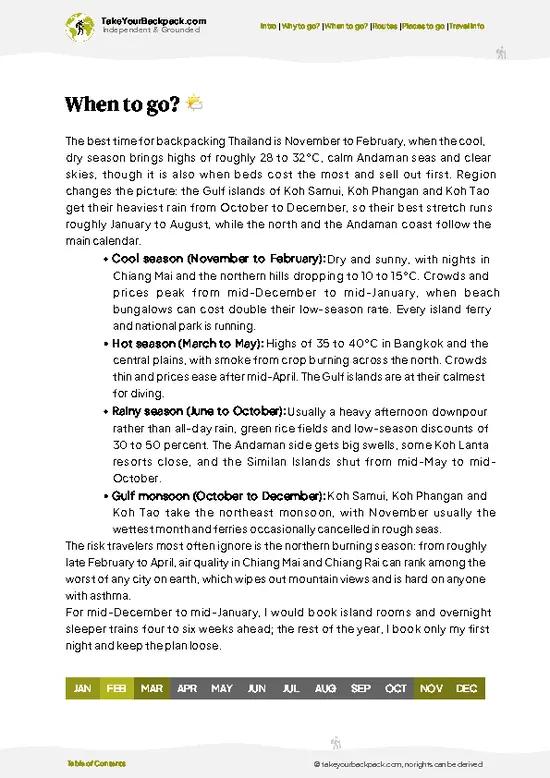
source: climatestotravel.comJANJanuary: highly recommended for travelingFEBFebruary: excellent for travelingMARMarch: fair for travelingAPRApril: fair for travelingMAYMay: below average for travelingJUNJune: below average for travelingJULJuly: below average for travelingAUGAugust: below average for travelingSEPSeptember: below average for travelingOCTOctober: fair for travelingNOVNovember: excellent for travelingDECDecember: highly recommended for traveling
when-to-go

✈️ The backpacker research shortcutThailand Travel Guide

An offline-friendly backpacking guide with optimized travel routes, ranked highlights, transport advice, and the best areas to stay.
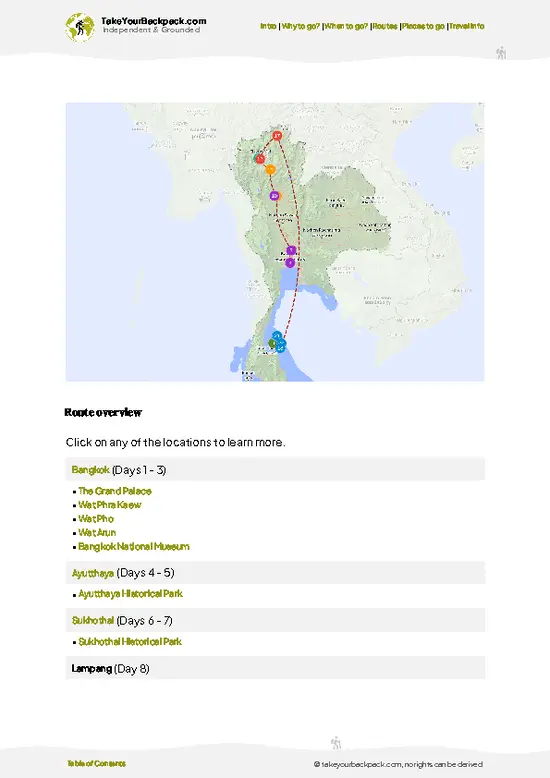
example page 0 from our offline Travel Guide for Thailand
example page 1 from our offline Travel Guide for Thailand
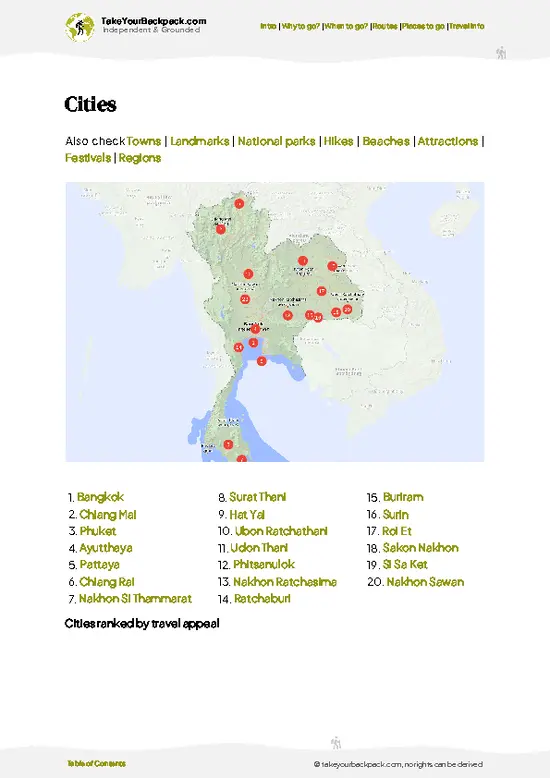
example page 2 from our offline Travel Guide for Thailand
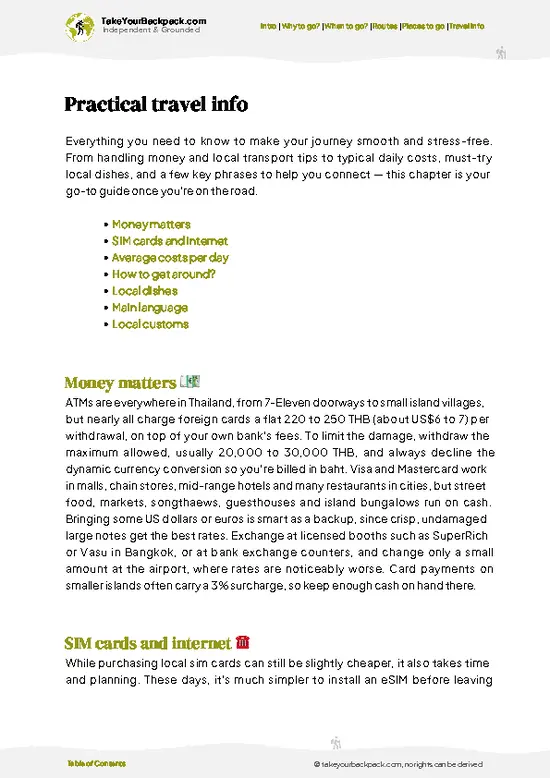
example page 3 from our offline Travel Guide for Thailand
example page 4 from our offline Travel Guide for Thailand
example page 5 from our offline Travel Guide for Thailand
example page 6 from our offline Travel Guide for Thailand
example page 7 from our offline Travel Guide for Thailand
The digital guide (510 pages) contains:
139 highlights, ranked by travel appeal
Optimized 7, 14 & 21-day travel routes
Cities, national parks, landmarks, beaches
How to get around
Offline-friendly for travel without Wi-Fi
👉 Click to see all 30+ guide features

📅 Plan smarter in minutes, not weeks
Month by month travel advice
Festivals & national holidays
Budget expectations

🗺️ Go to the right places, skip the overrated ones
Honest pros & cons of destinations
Top hikes, parks & viewpoints
Lesser-known places most travelers miss
Clear “worth it vs skip it” guidance

🛏️ Travel smoothly without rookie mistakes
Best areas to stay
Transport systems explained simply
Common scams & safety advice
SIM cards, money & practical tips

🌍 Understand the country, not just visit it
Culture & traditions
52 Essential phrases & customs
Festivals worth planning around
Traveler-friendly historical context
Insights that make places more meaningful

📱 Built for real travel conditions
Fully downloadable PDF
Works completely offline
Optimized for phone use
Useful in remote areas & buses
Everything in one place
Save weeks of stressful planning
Get instant access to your full guide. 30‑day money-back guarantee.


By proceeding you agree to our terms.
Sent to your inbox immediately after payment • 100% Secure Checkout
Best Backpacking Travel Advisor 2025 tourism awardBest Backpacking
Travel Advisor
2025
What others say about Take Your Backpack Guides:
⭐⭐⭐⭐⭐
Fantastic, amazing amount of information!
⭐⭐⭐⭐⭐
My goodness this is amazing, it's what I've been looking for hats off too you!
⭐⭐⭐⭐⭐
I think this is absolutely BRILLIANT
⭐⭐⭐⭐
Very complete and informative. It's still missing places, but I gotta to commend you
⭐⭐⭐⭐⭐
This is truly amazing, thank you, can't wait to explore it with my kids!
⭐⭐⭐⭐⭐
Awesome resource, thank you!
⭐⭐⭐⭐⭐
This is amazing! Can't wait to explore the ones I haven't seen
⭐⭐⭐⭐
I love this! Well done, great idea.
⭐⭐⭐⭐⭐
Thanks for taking the time to make this gem!
⭐⭐⭐⭐⭐
This might be the best website I've ever seen.
⭐⭐⭐⭐⭐
Congratulations, and thank you so much for your work; it's incredibly valuable.
⭐⭐⭐⭐
In all seriousness I think you did a great job pointing out the important spots
⭐⭐⭐⭐⭐
10/10 very good
⭐⭐⭐⭐⭐
As someone who's only just starting to visit regularly this is awesome, thank you.
⭐⭐⭐⭐
Thank you very much! I'm going to visit my dad, it's going to be very useful!
⭐⭐⭐⭐⭐
This is really cool! We'll be travelling for the first time and this definitely come in handy.
⭐⭐⭐⭐⭐
You are now our minister of culture, congratulations 👨‍💼
⭐⭐⭐⭐⭐
Just wanted to tell you that this is a pearl! Going to follow your recommendations.
⭐⭐⭐⭐⭐
This is so cool. I'll definitely be using the resource for my travels soon.
⭐⭐⭐⭐⭐
This is very impressive! Good work.
⭐⭐⭐⭐⭐
This is an amazing and informative site. Very well done!

🛏️ Where to stay?Where staying makes the most sense

Khao Yai National Park is a backpacker’s paradise, but choosing where to stay can make or break your experience. Inside the park, options are limited but worth considering. The Khao Yai National Park Headquarters has basic bungalows. They’re simple, but you’re right in the heart of nature. Just remember to book ahead during peak seasons; these fill up fast.

If you prefer more amenities, head to Pak Chong, the nearest town. It’s about a 30-minute drive from the park entrance. Here, you’ll find a range of accommodations, from budget hostels to mid-range hotels. The Greenleaf Guesthouse is a solid … read more 👉
Khao Yai National Park is a backpacker’s paradise, but choosing where to stay can make or break your experience. Inside the park, options are limited but worth considering. The Khao Yai National Park Headquarters has basic bungalows. They’re simple, but you’re right in the heart of nature. Just remember to book ahead during peak seasons; these fill up fast.

If you prefer more amenities, head to Pak Chong, the nearest town. It’s about a 30-minute drive from the park entrance. Here, you’ll find a range of accommodations, from budget hostels to mid-range hotels. The Greenleaf Guesthouse is a solid choice for backpackers, offering dorms and private rooms with a friendly vibe. Plus, it’s a great base for arranging tours or transport to the park.

Another option is the charming town of Nang Rong, about an hour away. It’s quieter and has a few guesthouses that cater to backpackers. Staying here gives you a taste of local life, but be prepared for longer travel times to the park.

Avoid the tourist traps that promise luxury but deliver disappointment. Focus on places that keep you close to the park’s beauty while being budget-friendly. Your energy and wallet will thank you.

👛 Costs (as of 16 June 2026)What things cost and how to budget

Visiting Khao Yai National Park in Thailand can be a rewarding experience, but it’s essential to be aware of the costs involved to avoid surprises.

Entrance fees for the park are around 400 THB (approximately $12 USD) for foreign visitors. If you’re a Thai citizen, the fee drops to about 40 THB (around $1.20 USD). Keep in mind that prices can change, so it’s wise to check before you go.

If you plan to camp, expect to pay around 30 THB (less than $1 USD) per person per night. This is a budget-friendly option, but ensure you have the right gear, as facilities can be basic.

For transportation, if you’re not driving, consider hiring a local taxi or joining a tour group. Taxi fares from nearby towns like Pak Chong can range from 500 to 1,500 THB ($15 to $45 USD), depending on distance and negotiation … read more 👉
Visiting Khao Yai National Park in Thailand can be a rewarding experience, but it’s essential to be aware of the costs involved to avoid surprises.

Entrance fees for the park are around 400 THB (approximately $12 USD) for foreign visitors. If you’re a Thai citizen, the fee drops to about 40 THB (around $1.20 USD). Keep in mind that prices can change, so it’s wise to check before you go.

If you plan to camp, expect to pay around 30 THB (less than $1 USD) per person per night. This is a budget-friendly option, but ensure you have the right gear, as facilities can be basic.

For transportation, if you’re not driving, consider hiring a local taxi or joining a tour group. Taxi fares from nearby towns like Pak Chong can range from 500 to 1,500 THB ($15 to $45 USD), depending on distance and negotiation skills. Tours can vary widely, often starting around 1,500 THB ($45 USD) for a half-day experience.

Food options inside the park are limited. Budget around 100 to 300 THB ($3 to $9 USD) per meal at local eateries. If you’re bringing your own supplies, factor in the cost of groceries from nearby towns.

Lastly, if you want to explore the park with a guide, expect to pay around 1,000 to 2,000 THB ($30 to $60 USD) for a full day. Guides can enhance your experience, especially for spotting wildlife.

Being aware of these costs will help you budget effectively and focus on enjoying the natural beauty of Khao Yai without unnecessary stress.


source: thainationalparks.com
⚠️ Prices can change and everyone travels differently, so take this as a rough guide. Hope it helps you plan your adventure!

🥾 TrailsWhere to hike in Khao Yai: trails for every level

Khao Yai National Park is a gem for hikers, offering a mix of lush jungles, rolling hills, and stunning waterfalls. The terrain varies from easy, flat paths to more rugged trails, so there’s something for everyone. Keep your eyes peeled for wildlife; the park is home to elephants, gibbons, and a variety of birds—perfect for nature lovers and photographers alike.

One of the must-try trails is the Haew Suwat Waterfall Trail. Here are some details:
  • Length: 2 km
  • Estimated Duration: 1-2 hours
  • Difficulty Level: Easy
  • Key Features: Stunning waterfall, swimming opportunities, great for families
  • Terrain: Well-marked
read more 👉
Khao Yai National Park is a gem for hikers, offering a mix of lush jungles, rolling hills, and stunning waterfalls. The terrain varies from easy, flat paths to more rugged trails, so there’s something for everyone. Keep your eyes peeled for wildlife; the park is home to elephants, gibbons, and a variety of birds—perfect for nature lovers and photographers alike.

One of the must-try trails is the Haew Suwat Waterfall Trail. Here are some details:
  • Length: 2 km
  • Estimated Duration: 1-2 hours
  • Difficulty Level: Easy
  • Key Features: Stunning waterfall, swimming opportunities, great for families
  • Terrain: Well-marked path, mostly flat with some gentle slopes

For a bit more challenge, the Pha Kluai Mai Trail is worth checking out:
  • Length: 7 km
  • Estimated Duration: 3-4 hours
  • Difficulty Level: Moderate
  • Key Features: Scenic views, diverse flora and fauna
  • Terrain: Mix of dirt paths and rocky sections

Getting to Khao Yai is pretty straightforward; you can catch a bus from Bangkok or nearby cities, which takes about 3-4 hours. Just be prepared for the possibility of crowds, especially on weekends and holidays, since it’s a popular spot for both locals and tourists. The entrance fee is quite reasonable, usually around 400 THB for foreigners, so you won’t break the bank just to enjoy the great outdoors.
⚠️ Hiking info can sometimes be outdated or inaccurate. Before you hit the trail, check the latest conditions with locals. If you do spot anything that's off, I'd love to hear from you, so I can update it for fellow travelers.

🛡️ SafetyScams, Hazards, and Annoyances

Khao Yai National Park is generally a hiker-friendly destination, but a few realities can enhance your experience. Weather can shift quickly, especially during the rainy season from May to October. Be prepared for sudden downpours; a lightweight, waterproof jacket is essential.

The terrain varies, with some trails featuring steep sections and rocky footing. Good hiking shoes with solid grip will save you from slips. Navigation is straightforward, but always carry a map or download offline trail maps. Cell service can be spotty.

Wildlife encounters are a highlight, but respect is key. If you spot elephants or monkeys, keep your distance. Never feed them; it disrupts their natural behavior.

Timing matters, too. Early mornings or late afternoons are ideal for spotting wildlife and avoiding … read more 👉
Khao Yai National Park is generally a hiker-friendly destination, but a few realities can enhance your experience. Weather can shift quickly, especially during the rainy season from May to October. Be prepared for sudden downpours; a lightweight, waterproof jacket is essential.

The terrain varies, with some trails featuring steep sections and rocky footing. Good hiking shoes with solid grip will save you from slips. Navigation is straightforward, but always carry a map or download offline trail maps. Cell service can be spotty.

Wildlife encounters are a highlight, but respect is key. If you spot elephants or monkeys, keep your distance. Never feed them; it disrupts their natural behavior.

Timing matters, too. Early mornings or late afternoons are ideal for spotting wildlife and avoiding the heat. Lastly, remember to pace yourself. Enjoy the journey; it’s not just about reaching the end. With these tips, you’ll preserve your energy and budget for the moments that truly matter.

Other Thai national parks near Khao Yai

Explore more nearby:


💡 Not sure where to go next?
Create a personalized itinerary for Thailand including Khao Yai and the places that fit your trip.

Generate my itinerary

👉 Discover all national parks

Or checkout all Thailand has to offer (think cities, towns, villages, national parks, hikes, beaches, festivals)
Country photo of Thailand

We 💚 feedbackKey takeaways before you go

Khao Yai is a treasure for nature lovers. The wildlife is abundant, and the trails offer a genuine escape into lush landscapes. But here’s the catch: the park can get crowded, especially on weekends. If you’re not careful, you might find yourself sharing the trails with more tourists than wildlife. Plan your visit on weekdays or early mornings to soak in the serenity and keep your energy focused on the stunning views, not the crowds.

✈️ When did I visit Thailand?
Before visiting Vietnam (1998), I had some time in Thailand to explore the country.

✍️ Help improve this page!
The information on this page is based on my own backpacking experience in Thailand, supplemented with up-to-date research and feedback from other travelers. Travel details can change, so if you notice anything outdated or incomplete, feel free to let me know.


🙋‍♂️ Give feedback

👋 Meet the founderWho’s Behind Take Your Backpack?

Johan, backpacker and founder of TakeYourBackpackHi, I’m Johan (Netherlands 🇳🇱), the creator of TakeYourBackpack. Over the past decade, I’ve backpacked through 80+ countries across six continents, gaining extensive experience with independent travel, long-term trips, and overland routes.

This site is built on a combination of firsthand travel experience and carefully curated insights from other backpackers. Many guides are based on places I’ve personally visited, while others bring together tips, observations, and practical advice shared by trusted travelers I’ve met along the way.

The goal is to provide realistic, experience-driven guidance — not generic itineraries — so you can explore destinations with better context, clearer expectations, and more confidence.

Get full Thailand guide •
Instant download • 139 highlights • Full Offline guide