v2.webp)
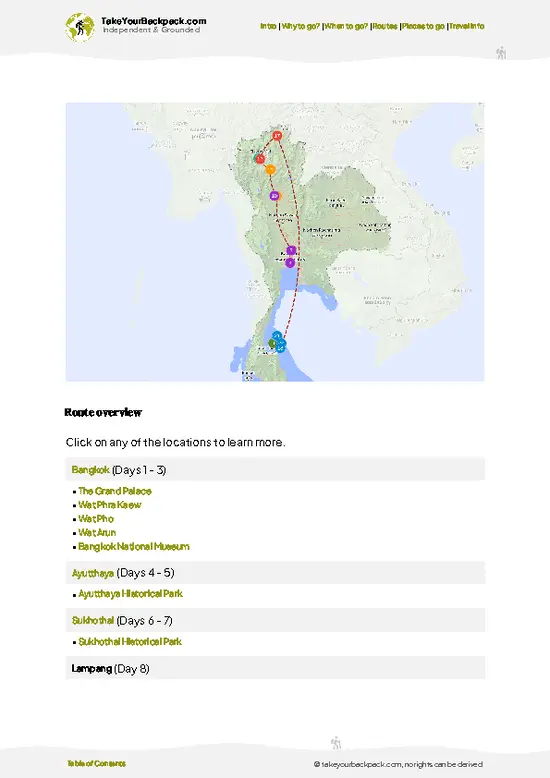
- Klong Chao Waterfall — The island’s most famous cascade: an easy walk from the main beach, with clear plunge pools that are perfect for a cool dip after biking through the palms. It’s scenic without being overrun, and the short trail through shady forest feels very Koh Kood (untouched and coconut-lined).
- Klong Yai Kee Waterfall — A series of shallow pools and smaller drops tucked deeper into the island’s interior. Bring water shoes: the natural rock steps and calm pools make it one of the best places on Koh Kood to swim in fresh water away from the shoreline crowds.
- Klong Chao Beach — Long sandy stretch beside the Klong Chao area with a relaxed village vibe. Soft sand, decent snorkeling right off the rocks at the ends, and a handful of family-run bungalows and cafés make it a great base
- Klong Chao Waterfall — The island’s most famous cascade: an easy walk from the main beach, with clear plunge pools that are perfect for a cool dip after biking through the palms. It’s scenic without being overrun, and the short trail through shady forest feels very Koh Kood (untouched and coconut-lined).
- Klong Yai Kee Waterfall — A series of shallow pools and smaller drops tucked deeper into the island’s interior. Bring water shoes: the natural rock steps and calm pools make it one of the best places on Koh Kood to swim in fresh water away from the shoreline crowds.
- Klong Chao Beach — Long sandy stretch beside the Klong Chao area with a relaxed village vibe. Soft sand, decent snorkeling right off the rocks at the ends, and a handful of family-run bungalows and cafés make it a great base to watch island life without the resort gloss.
- Ao Phrao (West Coast) Beach and Headland — The west-facing bay where silhouettes and sunsets matter. It’s quieter than the main pier beaches, with rocky coves for exploring and shallow reefs for a short snorkel trip—easy to reach by scooter and feels like Koh Kood’s mellow sunset stage.
- Ao Salad Pier & Village — The island’s main transport hub and a genuine fishing-village cluster: low-key restaurants, fish stalls, and Thai-style pier life. It’s practical (ferries arrive here) but also the best place to watch local fishermen, grab a fresh seafood meal, and catch daily rhythms of the island.
- Ban Klong Mad (Stilt-house Fishing Village) — Hidden gem. A quiet community of wooden stilt houses and narrow boardwalks on the east coast; you can stroll, photograph real island life, and sometimes buy seafood straight from small boats. Not a staged attraction—locals live and work here.
- Ao Tapao Mangrove Bay — Hidden gem. A mangrove-fringed inlet great for a rented kayak or quiet paddle at low tide. The tangled roots and bird life are unexpectedly dramatic for an island known for beaches, and the slow, green landscape gives you a totally different Koh Kood mood.
- Klong Hin (Rocky Beach and Snorkel Point) — A smaller, rockier shoreline with interesting tidal pools and clearer water for snorkeling than some of the sandier stretches. It’s not a postcard sand beach, but the boulders and reef fragments make for better shallow-water exploration.
- Coconut Groves & Smallholder Walks (Central Koh Kood) — Hidden gem. Wander the island’s interior lanes and you’ll find working coconut and pepper plots, little family farms, and informal trails. Visiting these gives context to local life—how coconuts are harvested, simple processing, and the slow economic backbone of the island.
- Off-the-beaten-headland Hikes and Tiny Bays — Many visitors stick to the main beaches; Koh Kood’s real charm is found by riding a scooter to an unnamed headland or micro-bay and sitting with a beer as the tide shifts. These short hikes and secluded coves (bring snorkel and shoes) are uniquely Koh Kood: quiet, intact coastline that you won’t find on a list of big attractions.
Spotted a mistake or missing something? Contact us.

Scuba Diving Day Trip at Koh Chang – 2 Dives

Padi open water diver course, become a diver in 3 days

Koh Chang Dive Trip Including 3 Dives (Start at Koh Chang)

Discover Scuba diving, try diving for beginners (starts from Koh Chang)

Snorkeling Adventure at Koh Chang – Departing from Koh Chang

PADI Discover Scuba Dive Experience

Padi Advanced open Water Diver Courses (Start at Koh Chang)

Padi Freediver, learn how to freedive and get your first license (at Koh Chang)

Koh Chang Explorer (joined)


 Best Backpacking
.jpg) Hi, I’m Johan (Netherlands 🇳🇱), the creator of TakeYourBackpack. Over the past 3 decades, I’ve backpacked through 90+ countries across six continents, gaining extensive experience with independent travel, long-term trips, and overland routes.
Hi, I’m Johan (Netherlands 🇳🇱), the creator of TakeYourBackpack. Over the past 3 decades, I’ve backpacked through 90+ countries across six continents, gaining extensive experience with independent travel, long-term trips, and overland routes.