v2.webp)
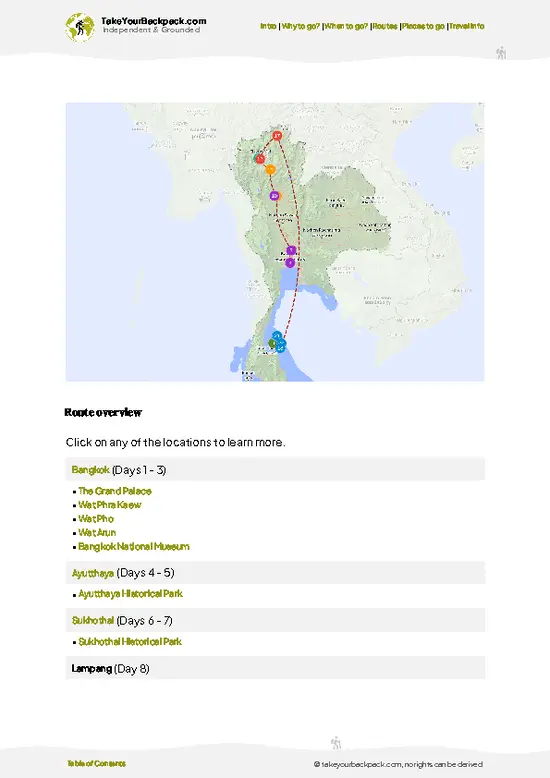
- Wat Phra That Hariphunchai — The town’s soul: a golden 9th-century Hariphunchai chedi set on a small hill, active monk community, morning alms and richly carved Lanna architecture. Go early to beat the heat and hear the bells and chanting without the tour buses.
- Wat Kukut (Wat Ku Kut) — A striking brick prang/chedi from the Hariphunchai era with unusual stepped tiers and mossy bricks. It’s quieter than the main temple and great for photos and imagining the city’s ancient skyline.
- Wat Chamadevi — Named after Lamphun’s legendary founder-queen, this temple is important locally for history and festivals; the grounds have old chedis and a pleasant, less-touristy atmosphere for seeing local devotional life.
- Hariphunchai National Museum — Small but well-curated: artifacts, Buddha images, Lanna-era
- Wat Phra That Hariphunchai — The town’s soul: a golden 9th-century Hariphunchai chedi set on a small hill, active monk community, morning alms and richly carved Lanna architecture. Go early to beat the heat and hear the bells and chanting without the tour buses.
- Wat Kukut (Wat Ku Kut) — A striking brick prang/chedi from the Hariphunchai era with unusual stepped tiers and mossy bricks. It’s quieter than the main temple and great for photos and imagining the city’s ancient skyline.
- Wat Chamadevi — Named after Lamphun’s legendary founder-queen, this temple is important locally for history and festivals; the grounds have old chedis and a pleasant, less-touristy atmosphere for seeing local devotional life.
- Hariphunchai National Museum — Small but well-curated: artifacts, Buddha images, Lanna-era relics and inscriptions that explain Lamphun’s role as the ancient Hariphunchai kingdom. A short visit gives real historical context to the temples you’ll see.
- Lamphun Old City Walls & Gates (remnants) — Walk the area that marks the footprint of ancient Hariphunchai: fragments of the old walls, moat traces and surviving gates. It’s low-key history—perfect for wandering and visualizing the old fortified town.
- San Lak Mueang (Lamphun City Pillar Shrine) — The town pillar shrine is a meaningful civic and spiritual spot for locals, with daily rituals and a chance to see regular Thais making merit; useful if you want the local rhythm beyond temples.
- Lamphun Night Market / Walking Street — A compact evening market where you can try northern snacks, longan desserts, grilled meats and sticky rice, and buy inexpensive Lanna-style handicrafts. Great for cheap, tasty street food and people-watching.
- Lamphun Central Market & Longan Stalls — Lamphun is famous for longan fruit; the city market is where locals sell it (and other produce). If you’re there in season (summer), sampling straight-from-the-crate longan is a must — cheap and delicious.
- Old Lanna Merchant Quarter (central streets) — Stroll the small streets near the temple zone to see old wooden merchant houses, narrow alleys and neighborhood life—simple architecture and patchwork shops that tell more about daily Lamphun than glossy guidebook stops.
- Smaller neighborhood temples with Lanna murals — Scattered through the city are lesser-known temples with local mural work, carved doors and intimate community shrines. They’re perfect for slow exploration: no crowds, authentic rituals and chances to chat with locals.
Spotted a mistake or missing something? Contact us.

Chiang Mai Countryside Guided Bike Tour

Chiang Mai Active E-bike Countryside Ride

Lamphun and Lampang City Temples Small Group Tour – Full Day

Ancient City of Hariphunchai Top Sights and 4 Mini Food Tour

Trip with local driver Lampang-Lampoon

Private Lamphun Historical City Tour from Chiang Mai

Discover Ancient Lamphun & Hariphunchai: Full-Day Heritage Tour

The Ancient Mon Kingdom of Haripunchai

Full-Day Historical Tour: Lamphun & the Hariphunchai Kingdom


 Best Backpacking
.jpg) Hi, I’m Johan (Netherlands 🇳🇱), the creator of TakeYourBackpack. Over the past 3 decades, I’ve backpacked through 90+ countries across six continents, gaining extensive experience with independent travel, long-term trips, and overland routes.
Hi, I’m Johan (Netherlands 🇳🇱), the creator of TakeYourBackpack. Over the past 3 decades, I’ve backpacked through 90+ countries across six continents, gaining extensive experience with independent travel, long-term trips, and overland routes.