×

Thailand🇹🇭 | best townsYour Guide to the 10 Best towns in Thailand

In Thailand, the towns you choose can dramatically shape your backpacking experience. Each region offers a distinct flavor, from the bustling streets of Bangkok to the serene vibes of Pai. The north is known for its rich culture and cooler climate, perfect for trekking and exploring ancient temples. In contrast, the south boasts stunning beaches and vibrant nightlife, ideal for those seeking sun and relaxation.

Timing matters. The wet season can transform a lively town into a quiet retreat, while the high season often brings crowds and inflated prices. Understanding these seasonal nuances helps you navigate your budget and safety concerns effectively.

Walkability varies, too. Some towns are made for wandering, while others require a bit of planning to explore fully. Choosing the right town not only enhances your cultural immersion but also influences your overall vibe, making it essential for any independent traveler.

By Johan Kruseman 🇳🇱 | Updated June 11, 2026
Explore the best villages in Thailand

Why go?Key Factors That Shape the Experience

In Thailand, towns pulse with a unique rhythm, shaped by a blend of cultural heritage and local traditions. Unlike many countries, where urban centers dominate, Thailand’s towns offer a chance to experience the authentic pace of life. Here, you can wander through vibrant markets, savor street food that tells stories of generations, and engage with locals who are often eager to share their way of life.

The geographic diversity of Thailand plays a crucial role in this experience. From the mountainous north to the tropical south, each region boasts distinct flavors, customs, and landscapes. This variety means that travelers can cluster towns to create a rich tapestry of experiences, but it also raises questions about travel time versus depth of exploration. For instance, hopping from one town … read more 👉
In Thailand, towns pulse with a unique rhythm, shaped by a blend of cultural heritage and local traditions. Unlike many countries, where urban centers dominate, Thailand’s towns offer a chance to experience the authentic pace of life. Here, you can wander through vibrant markets, savor street food that tells stories of generations, and engage with locals who are often eager to share their way of life.

The geographic diversity of Thailand plays a crucial role in this experience. From the mountainous north to the tropical south, each region boasts distinct flavors, customs, and landscapes. This variety means that travelers can cluster towns to create a rich tapestry of experiences, but it also raises questions about travel time versus depth of exploration. For instance, hopping from one town to another can be tempting, but taking the time to immerse oneself in fewer locations often yields a more profound understanding of local culture.

Climatic factors also influence the best times to visit these towns. The hot season can be stifling, while the rainy season may limit outdoor activities. Understanding these nuances is essential for planning an itinerary that balances accessibility with immersive experiences.

Thailand’s infrastructure supports travel between towns, but the journey can be part of the adventure. Bumpy roads and long bus rides may seem inconvenient, yet they often lead to unexpected encounters and insights.

Ultimately, the towns of Thailand matter because they encapsulate the essence of the country—where every alley, market, and conversation adds layers to the travel experience. Embracing this complexity allows for a richer, more rewarding journey.
How the List Was Created
The list of best towns in Thailand is created based on charm, local culture, atmosphere, hidden gems, and visitor appeal. If you feel a town is missing in this list, please let us know.

When to go?Timing Your Visit for the Best Experience

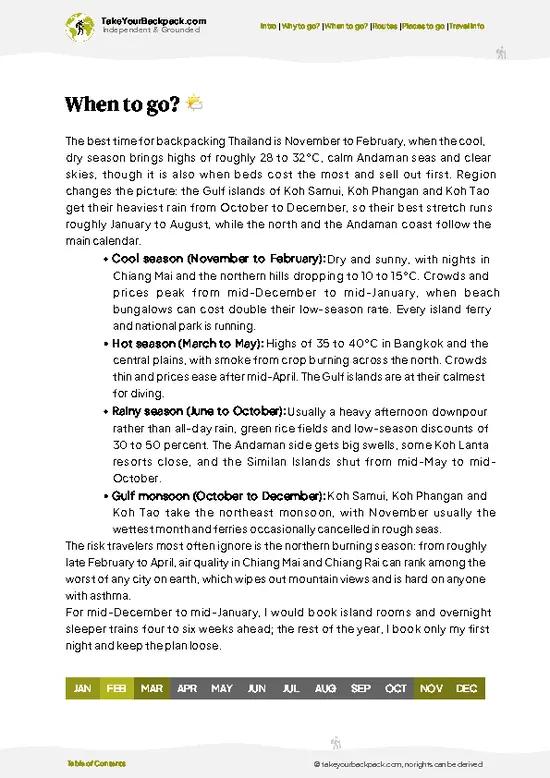
Seasonality plays a crucial role in the experience of small towns across Thailand. The country generally has three main seasons: hot, rainy, and cool. Each season brings its own flavor, affecting local life and activities.

Typical Weather Conditions vary significantly. The hot season, typically from March to May, can be sweltering, with temperatures soaring. This is when towns feel a bit quieter, as locals often retreat indoors during the peak heat. The rainy season, from June to October, brings heavy downpours. While this might deter some travelers, it also transforms the landscape into a lush paradise. The cool season, from November to February, is the most pleasant, with comfortable temperatures and lower humidity. This is when towns come alive, bustling with festivals and local events. … read more 👉
Seasonality plays a crucial role in the experience of small towns across Thailand. The country generally has three main seasons: hot, rainy, and cool. Each season brings its own flavor, affecting local life and activities.

Typical Weather Conditions vary significantly. The hot season, typically from March to May, can be sweltering, with temperatures soaring. This is when towns feel a bit quieter, as locals often retreat indoors during the peak heat. The rainy season, from June to October, brings heavy downpours. While this might deter some travelers, it also transforms the landscape into a lush paradise. The cool season, from November to February, is the most pleasant, with comfortable temperatures and lower humidity. This is when towns come alive, bustling with festivals and local events.

Optimal Months for visiting small towns generally align with the cool season. This is when outdoor activities are most enjoyable, and the vibrant local culture is on full display. Festivals during this time can provide a unique glimpse into local traditions and celebrations.

Shoulder Seasons—the transitions between these main seasons—offer a different experience. Visiting during the shoulder months can mean fewer crowds and lower costs. However, travelers should be prepared for unpredictable weather, especially in the rainy season when some areas may be less accessible.

Peak Periods can significantly influence travel decisions. The cool season attracts the most tourists, leading to higher prices and crowded attractions. For those seeking a more authentic experience, timing visits during the shoulder seasons can provide a balance of favorable weather and local charm, albeit with some trade-offs in terms of conditions. Understanding these seasonal dynamics is essential for planning an enriching journey through Thailand’s towns.

town hoppingHow to Combine towns Into One Trip

Regional Clustering

Thailand’s charm lies in its diversity. To maximize your experience, cluster towns by region. Start in the north with Chiang Mai and Pai, where lush mountains and rich culture await. Then, head south to the central plains for Ayutthaya and Sukhothai, where ancient ruins tell stories of a glorious past. Finally, wrap up in the south with Krabi or Koh Samui, where stunning beaches offer a perfect contrast.

Routing Logic

Traveling north to south or vice versa is the most efficient way to minimize backtracking. Consider flying between major hubs like Bangkok and Chiang Mai to save time. Train rides are scenic but can be slow, so balance your travel style with your itinerary.

Time Management

Aim for two to three days in each town. This pacing allows for exploration without … read more 👉

Regional Clustering

Thailand’s charm lies in its diversity. To maximize your experience, cluster towns by region. Start in the north with Chiang Mai and Pai, where lush mountains and rich culture await. Then, head south to the central plains for Ayutthaya and Sukhothai, where ancient ruins tell stories of a glorious past. Finally, wrap up in the south with Krabi or Koh Samui, where stunning beaches offer a perfect contrast.

Routing Logic

Traveling north to south or vice versa is the most efficient way to minimize backtracking. Consider flying between major hubs like Bangkok and Chiang Mai to save time. Train rides are scenic but can be slow, so balance your travel style with your itinerary.

Time Management

Aim for two to three days in each town. This pacing allows for exploration without burnout. Spend a day wandering local markets, another visiting temples, and leave time for spontaneous adventures.

Common Mistakes

Many travelers overpack their itinerary. Rushing from one town to another can lead to missed experiences. Instead, embrace flexibility. If a town captures your heart, allow yourself to linger.

Trade-offs and Constraints

Speed often sacrifices depth. A quick stop in a town might mean missing out on local interactions or hidden spots. Budget considerations can also impact comfort; opting for local guesthouses over hotels can enhance the experience.

Final Thoughts

Strategic planning is key. Prioritize what matters most to you—whether it’s food, culture, or nature. This approach ensures a rewarding journey through Thailand’s vibrant tapestry of towns.

The ListMust-Visit towns in Thailand

1 Pai

mountain valley, bamboo huts, night market

Wander through a laid-back northern enclave where forested hills, riverside bungalows, and a nightly street market draw travelers seeking quiet and community.

2 Krabi

limestone cliffs, river estuary, night markets

Arrive for dramatic scenery and easy access to islands, but stay for the lively food scene and relaxed pace by the water.

3 Sukhothai

temple ruins, historical park, lotus ponds

Wander among ancient stonework and tranquil ponds, discovering the foundations of Thai civilization in a peaceful rural setting.

4 Kanchanaburi

river bridges, war memorials, forested hills

Trace the weight of history by the river, then venture into quiet hills where waterfalls and rural villages break up the landscape.

5 Hua Hin

royal retreat, seafood markets, long beaches

Stroll along the breezy shore, sample fresh catch at dusk, and notice the subtle blend of local life and regal history.

6 Chiang Khan

Mekong promenade, wooden shophouses, morning alms

Wake early to see monks collecting offerings, then wander a riverside town where slow mornings and old architecture set the tone.

7 Lopburi

ancient ruins, macaque gatherings, sunflower fields

Experience a city where centuries-old Khmer architecture stands alongside lively monkey troops and seasonal fields of yellow blooms.

thailand-city-lopburi
© Google |

8 Sangkhlaburi

wooden bridge, Mon culture, border lake

Cross a long wooden span at sunrise, then explore a lakeside town where cultures meet at the edge of the country.

9 Chiang Dao

limestone peaks, cave temples, hill tribe villages

Hike forested trails beneath towering cliffs, then rest in a valley where local communities and nature coexist quietly.

10 Nong Khai

Mekong promenade, river festivals, Laotian influence

Stroll along the riverfront, sample cross-border cuisine, and join in local celebrations shaped by the nearby Laos border.

11 Trang

dim sum breakfasts, limestone caves, quiet beaches

Start your day with local flavors, then explore coastal caves and uncrowded shores away from the usual tourist paths.

thailand-city-trang
© Google |

12 Chumphon

diving gateways, fishing harbors, coastal viewpoints

Pause in this transport hub for fresh seafood, panoramic sea views, and easy access to the Gulf’s quieter islands.

13 Ranong

hot springs, Andaman rain, border crossings

Soak in natural mineral pools, explore lush forests, and consider a quick hop to Myanmar from this rain-soaked port.

14 Trat

island gateway, border market, fishing piers

Use this compact town as a launch point for island travel, or linger to watch daily life unfold along the waterfront.

thailand-city-trat
© Google |

15 Phrae

teak mansions, quiet lanes, old city walls

Step into a slower rhythm among faded wooden houses, where local crafts and gentle streets recall a different era.

16 Chanthaburi

gem markets, colonial lanes, fruit orchards

Browse for precious stones, wander historic neighborhoods, and taste tropical harvests in a city shaped by trade and migration.

17 Pang Mapha

cave systems, karst landscape, ethnic villages

Venture underground or hike rugged hills, where remote communities and striking geology shape a unique northern outpost.

18 Lampang

horse-drawn carriages, teak mansions, ceramic markets

Ride through quiet streets lined with colonial-era homes and browse for locally made pottery in a city shaped by trade.

19 Mon Jam

hilltop farms, panoramic views, cool air

Breathe in crisp mountain air while walking among flower fields and terraced crops, with distant valleys stretching in every direction.

20 Lamphun

moated old town, Hariphunchai relics, lychee orchards

Step back in time among ancient stupas and tree-lined streets, then sample fresh fruit from the region’s orchards.

21 Mae Sot

border trade, Burmese cuisine, hill tribe textiles

Cross-cultural influences shape daily life here, from bustling markets to a food scene rich in flavors from across the border.

22 Mukdahan

Mekong views, Indochina market, border crossing

Look out over the river to Laos, browse cross-border goods, and notice the subtle blend of Thai and Lao influences.

23 Nakhon Phanom

Mekong sunsets, Indochina heritage, riverside cycling

Cycle along the river, admire colonial-era architecture, and watch the sun set over the distant mountains of Laos.

24 Phichit

river town, crocodile folklore, lotus ponds

Spend a quiet day by the water, where local legends and seasonal blooms shape the rhythms of a lesser-known province.

25 Yasothon

rocket festival, rice fields, small-town pace

Time your visit for a lively festival, or pass through to see rural Isaan life and open landscapes stretching beyond the town.

26 Phetchabun

mountain air, hilltop temples, morning markets

Wake early for cool breezes and panoramic views, then mingle with locals at bustling markets in the valley below.

27 Samut Songkhram

canal networks, railway market, salt farms

Navigate narrow waterways, time your visit for the passing train, and observe traditional salt harvesting along the coast.

28 Kamphaeng Phet

UNESCO ruins, city walls, banana plantations

Wander through shaded archaeological parks, trace the old city’s defenses, and sample fruit from surrounding farms.

29 Ang Thong

river islets, giant Buddha statues, drum making

Explore a landscape dotted with oversized religious icons and workshops producing traditional musical instruments.

30 Sing Buri

war memorials, riverfront parks, local festivals

Reflect on history at commemorative sites, relax by the river, and join in annual celebrations rooted in local tradition.

Think you know Thailand?

Prove you’re a true local — uncover 20 lesser-known towns in Thailand that locals tend to keep to themselves.
Loading the map 🌍

Expert viewExpert Commentary on towns

Essential Towns
Thailand is a tapestry of towns, each with its own rhythm and charm. Aim for a mix of about five to seven towns to get a well-rounded experience. This allows you to soak in the local culture without feeling rushed. Each region has its own flavor, so consider how they fit into your travel narrative.

In the north, towns like Chiang Mai and Pai offer a laid-back vibe, rich in tradition and surrounded by stunning nature. The local markets are a feast for the senses, with street food that’s both delicious and affordable. But don’t just rush through; spend a few days here to truly absorb the atmosphere. The trade-off? The north can get chilly in the evenings, so pack layers.

Moving south, you’ll find coastal towns like Krabi and Koh Lanta. These spots are essential for their … read more 👉
Essential Towns
Thailand is a tapestry of towns, each with its own rhythm and charm. Aim for a mix of about five to seven towns to get a well-rounded experience. This allows you to soak in the local culture without feeling rushed. Each region has its own flavor, so consider how they fit into your travel narrative.

In the north, towns like Chiang Mai and Pai offer a laid-back vibe, rich in tradition and surrounded by stunning nature. The local markets are a feast for the senses, with street food that’s both delicious and affordable. But don’t just rush through; spend a few days here to truly absorb the atmosphere. The trade-off? The north can get chilly in the evenings, so pack layers.

Moving south, you’ll find coastal towns like Krabi and Koh Lanta. These spots are essential for their breathtaking beaches and vibrant marine life. However, the tourist influx can be overwhelming during peak season. If you can, visit during the shoulder months for a more intimate experience. This is when you’ll find the best deals on accommodations and fewer crowds.

Overrated Towns
Some towns, while popular, can feel like tourist traps. Places that are heavily marketed often lack the authenticity you crave. For example, certain areas in Phuket can be overrun with tourists, making it hard to connect with the local culture. If you find yourself there, venture off the beaten path to discover quieter beaches and local eateries. The trade-off is that you might need to do a bit more research to find these hidden spots, but it’s worth it for the genuine experience.

Another town that often gets more hype than it deserves is Hua Hin. While it has its charms, it can feel more like a resort town than a cultural hub. If you’re looking for authentic Thai experiences, you might want to skip it or limit your time there. Instead, consider towns that offer a deeper connection to local life, even if they require a bit more effort to reach.

Planning Your Route
When planning your route, think about the travel rhythm. The north and south have distinct vibes, and you’ll want to balance your itinerary accordingly. Start in the north, where you can acclimate to the culture and pace. Then, as you move south, the energy shifts to a more laid-back beach vibe.

Consider the logistics of getting from one town to another. While buses and trains are affordable, they can be time-consuming. Domestic flights are often a good option if you’re short on time, but they can add to your budget. Factor in travel time when planning your stay in each town. A good rule of thumb is to spend at least two to three nights in each place to truly appreciate what it has to offer.

Cultural Considerations
Safety is generally not a major concern in Thailand, but it’s wise to stay aware of your surroundings, especially in crowded areas. Respect local customs, particularly in more traditional towns. Dress modestly when visiting temples, and always be polite. A simple smile goes a long way in building rapport with locals.

In more touristy areas, you might encounter a different vibe. Some locals may cater more to tourists, which can dilute the authentic experience. This is where your insider knowledge comes into play. Seek out local festivals or community events to immerse yourself in the culture. These experiences often provide a richer understanding of the town’s character.

Budgeting Your Adventure
Budgeting can vary widely depending on your choices. Street food is incredibly affordable and often the best way to experience local flavors. However, if you opt for upscale dining or guided tours, your costs will rise significantly. Aim for a balance; splurge on experiences that resonate with you, like a cooking class or a guided trek, while keeping daily expenses low.

Consider the time of year as well. Traveling during the rainy season can save you money, but it might limit your outdoor activities. Weigh the pros and cons of each season based on what you want to experience.

Ultimately, the towns you choose to visit in Thailand should reflect your interests and travel style. Embrace the journey, and don’t be afraid to stray from the typical tourist path. The real treasures often lie just beyond the well-trodden routes.

✈️ The backpacker research shortcutThailand Travel Guide

An offline-friendly backpacking guide with optimized travel routes, ranked highlights, transport advice, and the best areas to stay.
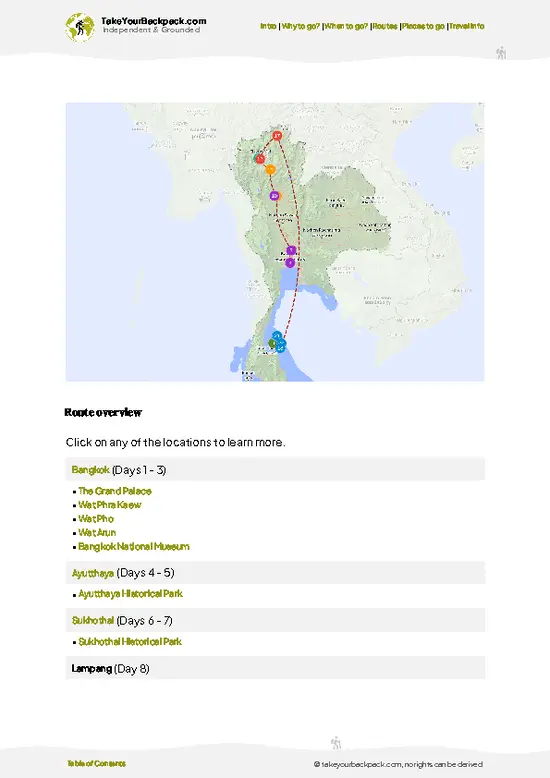
example page 0 from our offline Travel Guide for Thailand
example page 1 from our offline Travel Guide for Thailand
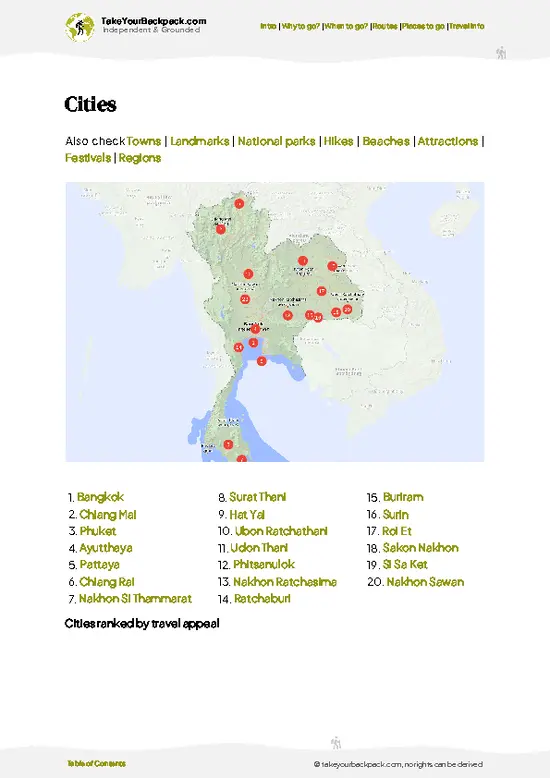
example page 2 from our offline Travel Guide for Thailand
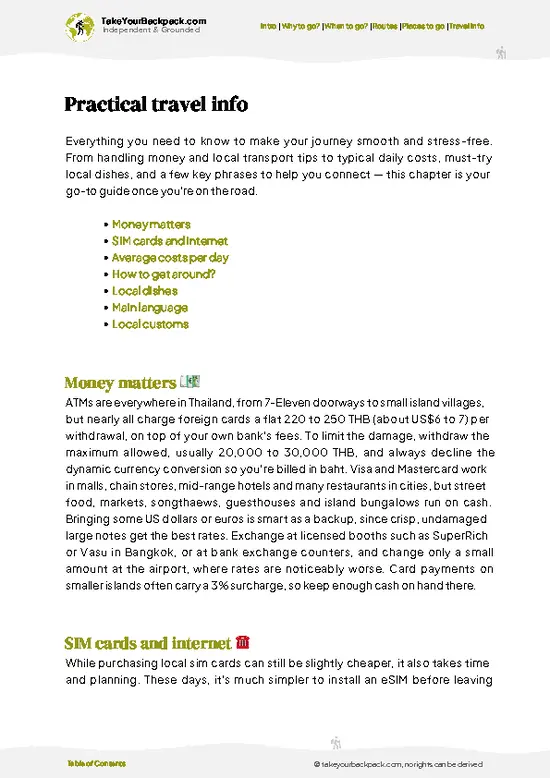
example page 3 from our offline Travel Guide for Thailand
example page 4 from our offline Travel Guide for Thailand
example page 5 from our offline Travel Guide for Thailand
example page 6 from our offline Travel Guide for Thailand
example page 7 from our offline Travel Guide for Thailand
The digital guide (510 pages) contains:
139 highlights, ranked by travel appeal
Optimized 7, 14 & 21-day travel routes
Cities, national parks, landmarks, beaches
How to get around
Offline-friendly for travel without Wi-Fi
👉 Click to see all 30+ guide features

📅 Plan smarter in minutes, not weeks
Month by month travel advice
Festivals & national holidays
Budget expectations

🗺️ Go to the right places, skip the overrated ones
Honest pros & cons of destinations
Top hikes, parks & viewpoints
Lesser-known places most travelers miss
Clear “worth it vs skip it” guidance

🛏️ Travel smoothly without rookie mistakes
Best areas to stay
Transport systems explained simply
Common scams & safety advice
SIM cards, money & practical tips

🌍 Understand the country, not just visit it
Culture & traditions
52 Essential phrases & customs
Festivals worth planning around
Traveler-friendly historical context
Insights that make places more meaningful

📱 Built for real travel conditions
Fully downloadable PDF
Works completely offline
Optimized for phone use
Useful in remote areas & buses
Everything in one place
Save weeks of stressful planning
Get instant access to your full guide. 30‑day money-back guarantee.


By proceeding you agree to our terms.
Sent to your inbox immediately after payment • 100% Secure Checkout
Best Backpacking Travel Advisor 2025 tourism awardBest Backpacking
Travel Advisor
2025
What others say about Take Your Backpack Guides:
⭐⭐⭐⭐⭐
Fantastic, amazing amount of information!
⭐⭐⭐⭐⭐
My goodness this is amazing, it's what I've been looking for hats off too you!
⭐⭐⭐⭐⭐
I think this is absolutely BRILLIANT
⭐⭐⭐⭐
Very complete and informative. It's still missing places, but I gotta to commend you
⭐⭐⭐⭐⭐
This is truly amazing, thank you, can't wait to explore it with my kids!
⭐⭐⭐⭐⭐
Awesome resource, thank you!
⭐⭐⭐⭐⭐
This is amazing! Can't wait to explore the ones I haven't seen
⭐⭐⭐⭐
I love this! Well done, great idea.
⭐⭐⭐⭐⭐
Thanks for taking the time to make this gem!
⭐⭐⭐⭐⭐
This might be the best website I've ever seen.
⭐⭐⭐⭐⭐
Congratulations, and thank you so much for your work; it's incredibly valuable.
⭐⭐⭐⭐
In all seriousness I think you did a great job pointing out the important spots
⭐⭐⭐⭐⭐
10/10 very good
⭐⭐⭐⭐⭐
As someone who's only just starting to visit regularly this is awesome, thank you.
⭐⭐⭐⭐
Thank you very much! I'm going to visit my dad, it's going to be very useful!
⭐⭐⭐⭐⭐
This is really cool! We'll be travelling for the first time and this definitely come in handy.
⭐⭐⭐⭐⭐
You are now our minister of culture, congratulations 👨‍💼
⭐⭐⭐⭐⭐
Just wanted to tell you that this is a pearl! Going to follow your recommendations.
⭐⭐⭐⭐⭐
This is so cool. I'll definitely be using the resource for my travels soon.
⭐⭐⭐⭐⭐
This is very impressive! Good work.
⭐⭐⭐⭐⭐
This is an amazing and informative site. Very well done!

🛏️ Where to stay?Top Areas to Stay

Yes, hostels and budget accommodation are plentiful across Thailand, concentrated in backpacker and transit hubs such as Khao San Road, Sukhumvit and Silom in Bangkok, Old City and Nimmanhaemin in Chiang Mai, and beach towns like Patong, Kata/Karon on Phuket and Chaweng, Lamai on Koh Samui.
Khao San and Patong deliver the cheapest beds and nonstop nightlife but are noisy and very touristy; Sukhumvit and Silom give the best transit links and a mix of nightlife with higher prices; Chiang Mai Old City is compact, temple-close and quieter at night while Nimmanhaemin has more cafes and slightly pricier rooms; Kata/Karon and Lamai are calmer beach options with better swimming and family-friendly … read more 👉
Yes, hostels and budget accommodation are plentiful across Thailand, concentrated in backpacker and transit hubs such as Khao San Road, Sukhumvit and Silom in Bangkok, Old City and Nimmanhaemin in Chiang Mai, and beach towns like Patong, Kata/Karon on Phuket and Chaweng, Lamai on Koh Samui.
Khao San and Patong deliver the cheapest beds and nonstop nightlife but are noisy and very touristy; Sukhumvit and Silom give the best transit links and a mix of nightlife with higher prices; Chiang Mai Old City is compact, temple-close and quieter at night while Nimmanhaemin has more cafes and slightly pricier rooms; Kata/Karon and Lamai are calmer beach options with better swimming and family-friendly evenings compared with party-heavy Chaweng.
Choose by priority: pick Khao San/Patong/Chaweng for social, budget party scenes; Sukhumvit/Silom for transport convenience and variety; Chiang Mai Old City for culture and quiet; Kata/Karon/Lamai for relaxed beach time to avoid noise and overpriced central hostels.

If you enjoy meeting fellow travelers, consider choosing hostels with high ratings for atmosphere. On the other hand, if you prefer having your own space, a hotel might be a better option.

ThailandDiscover the Country

👋 Meet the founderWho’s Behind Take Your Backpack?

Johan, backpacker and founder of TakeYourBackpackHi, I’m Johan (Netherlands 🇳🇱), the creator of TakeYourBackpack. Over the past decade, I’ve backpacked through 80+ countries across six continents, gaining extensive experience with independent travel, long-term trips, and overland routes.

This site is built on a combination of firsthand travel experience and carefully curated insights from other backpackers. Many guides are based on places I’ve personally visited, while others bring together tips, observations, and practical advice shared by trusted travelers I’ve met along the way.

The goal is to provide realistic, experience-driven guidance — not generic itineraries — so you can explore destinations with better context, clearer expectations, and more confidence.

Get full Thailand guide •
Instant download • 139 highlights • Full Offline guide