v2.webp)
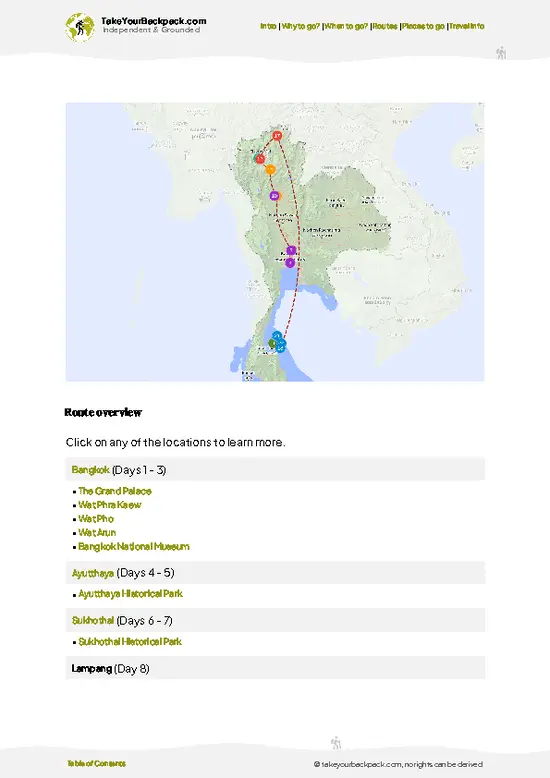
- Phra Prang Sam Yot — Lopburi’s postcard: three Khmer prangs crawling with macaques. It’s not just for photos — the prang architecture, the way locals interact with the monkeys, and the compact ruin setting give a very immediate sense of the town’s ancient and living layers.
- San Phra Kan (the Monkey Shrine) — a small city shrine right next to the prangs where monkeys rule the roost. Great for people-watching, local offerings, and (if you time it right) seeing the town’s playful monkey culture up close without a tour.
- Phra Narai Ratchaniwet (King Narai’s Palace) — 17th-century royal compound rebuilt by King Narai. The restored halls, the classical Thai-European details and the tranquil grounds show Lopburi’s role in Siam’s diplomatic and artistic history.
- King Narai National Museum — housed
- Phra Prang Sam Yot — Lopburi’s postcard: three Khmer prangs crawling with macaques. It’s not just for photos — the prang architecture, the way locals interact with the monkeys, and the compact ruin setting give a very immediate sense of the town’s ancient and living layers.
- San Phra Kan (the Monkey Shrine) — a small city shrine right next to the prangs where monkeys rule the roost. Great for people-watching, local offerings, and (if you time it right) seeing the town’s playful monkey culture up close without a tour.
- Phra Narai Ratchaniwet (King Narai’s Palace) — 17th-century royal compound rebuilt by King Narai. The restored halls, the classical Thai-European details and the tranquil grounds show Lopburi’s role in Siam’s diplomatic and artistic history.
- King Narai National Museum — housed in parts of the palace, the museum has costumes, ceramics and artifacts from the King Narai era and earlier. It’s compact, well-labeled, and helps make the palace’s story stick.
- Lopburi Historical Park — an easy, walkable cluster of ruins scattered through town (small prangs, temple bases and sections of old walls). Rather than one big monument, it’s a web of spots that rewards slow wandering and a camera.
- Lopburi Railway Station — more than transit: monkeys on the platform, old colonial signage and a very photogenic, slightly chaotic atmosphere. Pop in for a coffee, watch trains come and go, and grab the classic “monkeys-on-the-platform” shot.
- Lopburi City Pillar Shrine (Lak Muang) — the civic heart where locals pray for city well-being. The shrine and its ritual activity are a quick, revealing glimpse of contemporary religious life in town.
- Talat Lopburi (Central Market) — narrow alleys, fresh street food and older vendors selling everything from grilled river fish to dried goods. The market is where Lopburi’s everyday life happens — best for tasting local snacks and practicing bargaining.
- Wat Phra Si Rattana Mahathat (old temple ruins) — one of the town’s quieter temple sites with stonework and partial prangs to explore. Not as famous as the big prang, but quieter and good for a reflective walk among the ruins.
- Old town streets and shophouses around Tha Wang Phaen Road — simple, slow streets lined with old wooden and Sino-Thai shophouses, a few murals and small cafes. Great for a self-guided stroll to soak up local architecture and low-key street life.
Spotted a mistake or missing something? Contact us.


 Best Backpacking
.jpg) Hi, I’m Johan (Netherlands 🇳🇱), the creator of TakeYourBackpack. Over the past 3 decades, I’ve backpacked through 90+ countries across six continents, gaining extensive experience with independent travel, long-term trips, and overland routes.
Hi, I’m Johan (Netherlands 🇳🇱), the creator of TakeYourBackpack. Over the past 3 decades, I’ve backpacked through 90+ countries across six continents, gaining extensive experience with independent travel, long-term trips, and overland routes.