v2.webp)
Raksawarin Hot Springs
The air here is thick with mineral steam, and locals soak in the open-air pools as if it’s a daily ritual—because it is. The springs are the social heart of Ranong, and the water, naturally heated by the earth, is said to soothe everything from sore muscles to stubborn worries. Early morning is best, when the light is soft and the pools are quiet. Entry is free for the public pools; private tubs run about 40-100 baht. Plan for 45 minutes to an hour, longer if you want to linger and people-watch.
Wat Hat Som Paen
This temple sits just outside the main bustle, surrounded by jungle and the scent of incense. The golden chedi gleams against the green, and the monks’ chanting drifts through the trees. It’s a working temple, not a tourist set piece, so dress respectfully. Visit … read more 👉
The air here is thick with mineral steam, and locals soak in the open-air pools as if it’s a daily ritual—because it is. The springs are the social heart of Ranong, and the water, naturally heated by the earth, is said to soothe everything from sore muscles to stubborn worries. Early morning is best, when the light is soft and the pools are quiet. Entry is free for the public pools; private tubs run about 40-100 baht. Plan for 45 minutes to an hour, longer if you want to linger and people-watch.
Wat Hat Som Paen
This temple sits just outside the main bustle, surrounded by jungle and the scent of incense. The golden chedi gleams against the green, and the monks’ chanting drifts through the trees. It’s a working temple, not a tourist set piece, so dress respectfully. Visit … read more 👉
Raksawarin Hot Springs
The air here is thick with mineral steam, and locals soak in the open-air pools as if it’s a daily ritual—because it is. The springs are the social heart of Ranong, and the water, naturally heated by the earth, is said to soothe everything from sore muscles to stubborn worries. Early morning is best, when the light is soft and the pools are quiet. Entry is free for the public pools; private tubs run about 40-100 baht. Plan for 45 minutes to an hour, longer if you want to linger and people-watch.
Wat Hat Som Paen
This temple sits just outside the main bustle, surrounded by jungle and the scent of incense. The golden chedi gleams against the green, and the monks’ chanting drifts through the trees. It’s a working temple, not a tourist set piece, so dress respectfully. Visit at sunrise or late afternoon for the most atmospheric light. Entry is free, but donations are welcome. Allow 30-45 minutes to absorb the calm.
Ranong Governor’s Residence (Rattana Rangsan Palace)
This teakwood mansion, perched on a hill, tells the story of Ranong’s days as a tin-boom frontier. The floors creak, the air smells faintly of old wood and history. Exhibits inside are simple but evocative, and the view over town is worth the climb. Open 8:30am-4:30pm, closed Mondays. Entry is 30 baht. Give yourself 30-40 minutes.
Ranong Walking Street (Talad Sod Ranong)
On Saturday evenings, the main street transforms into a festival of food smoke and chatter. Grilled squid, coconut pancakes, and local crafts fill the senses. This is where Ranong’s character comes alive—families, travelers, and vendors all in the mix. Arrive after 5pm for the full effect. Free to wander; bring 100-200 baht for snacks. Stay as long as your appetite lasts.
Phu Khao Ya (Grass Hill)
A bald, rolling hill that looks more like Mongolia than Thailand. The wind is constant, and the grass crunches underfoot. Locals come to picnic or fly kites, and the sunset here is a quiet spectacle. Best in the late afternoon for golden light. Free entry. Give it 30-60 minutes, especially if you want to climb to the top for the view.
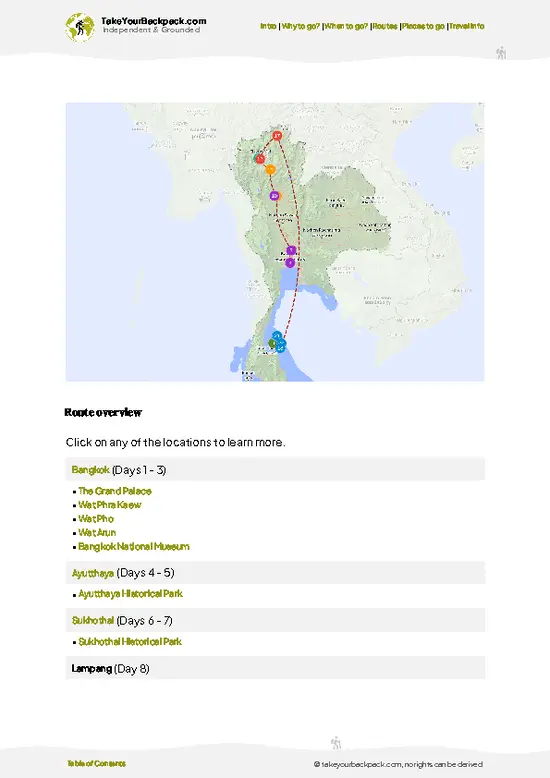
For day trips, Ranong is the launchpad to Ko Phayam’s beaches, Ngao Waterfall’s jungle spray, and the Burmese border market at Kawthaung. Ko Phayam, with its slow rhythm and wild cashew trees, is my personal favorite escape.
The air here is thick with mineral steam, and locals soak in the open-air pools as if it’s a daily ritual—because it is. The springs are the social heart of Ranong, and the water, naturally heated by the earth, is said to soothe everything from sore muscles to stubborn worries. Early morning is best, when the light is soft and the pools are quiet. Entry is free for the public pools; private tubs run about 40-100 baht. Plan for 45 minutes to an hour, longer if you want to linger and people-watch.
Wat Hat Som Paen
This temple sits just outside the main bustle, surrounded by jungle and the scent of incense. The golden chedi gleams against the green, and the monks’ chanting drifts through the trees. It’s a working temple, not a tourist set piece, so dress respectfully. Visit at sunrise or late afternoon for the most atmospheric light. Entry is free, but donations are welcome. Allow 30-45 minutes to absorb the calm.
Ranong Governor’s Residence (Rattana Rangsan Palace)
This teakwood mansion, perched on a hill, tells the story of Ranong’s days as a tin-boom frontier. The floors creak, the air smells faintly of old wood and history. Exhibits inside are simple but evocative, and the view over town is worth the climb. Open 8:30am-4:30pm, closed Mondays. Entry is 30 baht. Give yourself 30-40 minutes.
Ranong Walking Street (Talad Sod Ranong)
On Saturday evenings, the main street transforms into a festival of food smoke and chatter. Grilled squid, coconut pancakes, and local crafts fill the senses. This is where Ranong’s character comes alive—families, travelers, and vendors all in the mix. Arrive after 5pm for the full effect. Free to wander; bring 100-200 baht for snacks. Stay as long as your appetite lasts.
Phu Khao Ya (Grass Hill)
A bald, rolling hill that looks more like Mongolia than Thailand. The wind is constant, and the grass crunches underfoot. Locals come to picnic or fly kites, and the sunset here is a quiet spectacle. Best in the late afternoon for golden light. Free entry. Give it 30-60 minutes, especially if you want to climb to the top for the view.
For day trips, Ranong is the launchpad to Ko Phayam’s beaches, Ngao Waterfall’s jungle spray, and the Burmese border market at Kawthaung. Ko Phayam, with its slow rhythm and wild cashew trees, is my personal favorite escape.
Spotted a mistake or missing something? Contact us.

 Best Backpacking
.jpg) Hi, I’m Johan (Netherlands 🇳🇱), the creator of TakeYourBackpack. Over the past 3 decades, I’ve backpacked through 90+ countries across six continents, gaining extensive experience with independent travel, long-term trips, and overland routes.
Hi, I’m Johan (Netherlands 🇳🇱), the creator of TakeYourBackpack. Over the past 3 decades, I’ve backpacked through 90+ countries across six continents, gaining extensive experience with independent travel, long-term trips, and overland routes.