v2.webp)
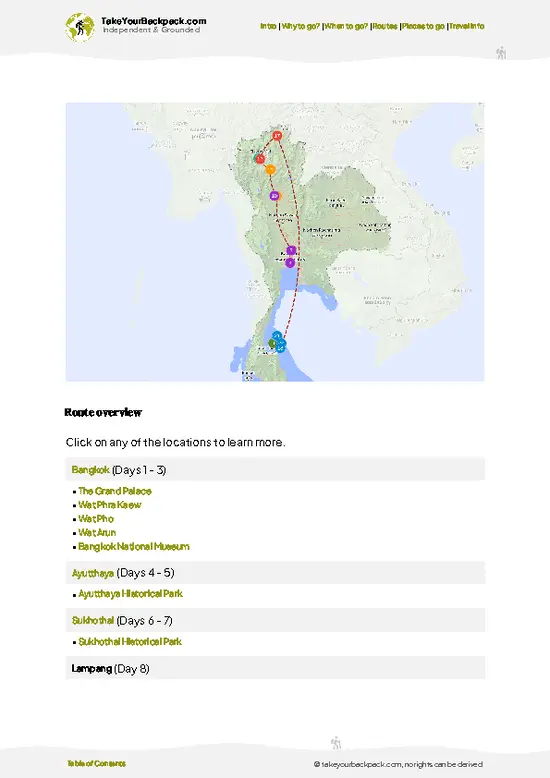
- The street water battles — The iconic, all-ages splash fests where neighborhoods, main streets and soi alleys turn into damp playgrounds. It’s chaotic, joyful and entirely participatory: people with buckets, hosepipes and water guns chase each other, strangers hose down tuk-tuks and tourists, and the sheer scale — entire intersections turned into rivers — is what sets Songkran apart from any other festival you’ll find.
- Temple rituals and merit-making — Dawn alms, bathing Buddha images with scented water and offering food at temples give Songkran its spiritual backbone. That contrast — quiet, respectful ceremonies in the morning and full-blown water mayhem later — is uniquely Thai and shows why the holiday is still a religious New Year, not just a giant water fight.
- Rod Nam Dam Hua (pouring
- The street water battles — The iconic, all-ages splash fests where neighborhoods, main streets and soi alleys turn into damp playgrounds. It’s chaotic, joyful and entirely participatory: people with buckets, hosepipes and water guns chase each other, strangers hose down tuk-tuks and tourists, and the sheer scale — entire intersections turned into rivers — is what sets Songkran apart from any other festival you’ll find.
- Temple rituals and merit-making — Dawn alms, bathing Buddha images with scented water and offering food at temples give Songkran its spiritual backbone. That contrast — quiet, respectful ceremonies in the morning and full-blown water mayhem later — is uniquely Thai and shows why the holiday is still a religious New Year, not just a giant water fight.
- Rod Nam Dam Hua (pouring water on elders) — A small, simple custom with a big emotional payoff: younger people pour fragrant water over the hands of elders to ask for blessings and forgiveness. It’s intimate and sincere, a reminder that Songkran is about renewal and family ties as much as fun; watching or taking part gives a real cultural connection beyond the tourist spectacle.
- Traditional performances, parades and regional ceremonies — Expect classical dance, Lanna or Isan cultural shows, and slow, reverent processions carrying Buddha images through town. These performances reveal regional differences and the festival’s depth — it’s not only about getting wet, it’s a time when local identity and ancient rituals are visibly celebrated.
- Street food, night markets and post-splash nightlife — By afternoon the smell of grilled meats, sticky rice and special sweets drifts through the crowded streets. Songkran blends family markets and food stalls with lively evening music and bars, so you can move from temple merit in the morning to a feast and a party after dark — that day-to-night cultural mashup is part of the festival’s charm.
Spotted a mistake or missing something? Contact us.
 Best Backpacking
.jpg) Hi, I’m Johan (Netherlands 🇳🇱), the creator of TakeYourBackpack. Over the past 3 decades, I’ve backpacked through 90+ countries across six continents, gaining extensive experience with independent travel, long-term trips, and overland routes.
Hi, I’m Johan (Netherlands 🇳🇱), the creator of TakeYourBackpack. Over the past 3 decades, I’ve backpacked through 90+ countries across six continents, gaining extensive experience with independent travel, long-term trips, and overland routes.