×

Thailand🇹🇭 | best festivalsYour Guide to the 10 Best festivals in Thailand

Festivals in Thailand are a vibrant tapestry of culture, tradition, and community spirit, each offering a unique lens into the country’s rich heritage. From the lively streets of Bangkok during Songkran, where water fights symbolize purification, to the serene lanterns of Yi Peng in Chiang Mai, each festival reflects regional nuances that can dramatically shape your backpacking experience.

Timing is everything; festivals often coincide with seasonal changes, affecting crowds and travel logistics. For instance, visiting during the Loi Krathong festival in November can mean breathtaking sights but also larger crowds and higher prices. Choosing the right festival not only enhances your cultural immersion but also impacts your budget and safety.

Navigating these events as an independent traveler allows you to connect with locals, sample authentic cuisine, and witness traditions that might otherwise remain hidden. Embrace the energy and let the festivals guide your journey through Thailand.

By Johan Kruseman 🇳🇱 | Updated June 7, 2026
Explore the best regions in Thailand

Why go?Key Factors That Shape the Experience

Festivals in Thailand are a vibrant tapestry of culture, history, and community spirit, setting them apart from celebrations in other countries. The cultural significance of these events is profound; they often reflect ancient traditions, religious beliefs, and the agricultural calendar. For instance, the Loy Krathong festival, where floating lanterns illuminate the night sky, symbolizes the release of negativity and the welcoming of new beginnings. This connection to spirituality and nature is a hallmark of Thai festivals, making them deeply meaningful experiences.

Thailand’s geographic diversity enhances these celebrations. From the lush northern mountains to the sun-soaked southern beaches, each region offers unique festivities that resonate with local customs. The climatic conditionsread more 👉
Festivals in Thailand are a vibrant tapestry of culture, history, and community spirit, setting them apart from celebrations in other countries. The cultural significance of these events is profound; they often reflect ancient traditions, religious beliefs, and the agricultural calendar. For instance, the Loy Krathong festival, where floating lanterns illuminate the night sky, symbolizes the release of negativity and the welcoming of new beginnings. This connection to spirituality and nature is a hallmark of Thai festivals, making them deeply meaningful experiences.

Thailand’s geographic diversity enhances these celebrations. From the lush northern mountains to the sun-soaked southern beaches, each region offers unique festivities that resonate with local customs. The climatic conditions also play a crucial role; many festivals are timed to coincide with the cooler, drier months, making them more enjoyable for participants and visitors alike. However, this timing can lead to larger crowds, which may dilute the intimate experience some travelers seek.

When considering attendance, the trade-offs are significant. Major festivals attract thousands, creating a lively atmosphere but also overwhelming logistics. Travelers must weigh the excitement of being part of a large gathering against the potential for long waits and crowded spaces. Conversely, smaller, less publicized events may offer deeper immersion into local culture but can be harder to access, requiring more travel time and planning.

In essence, Thailand’s festivals are not just events; they are gateways to understanding the soul of the nation. They invite travelers to engage with the rich tapestry of Thai life, but careful consideration of timing, crowd sizes, and accessibility is essential for a rewarding experience.
Evaluating the Top Choices
The list of best festivals in Thailand is created based on energy, traditions, crowd experience, activities, and overall excitement. If you feel a festival is missing in this list, please let us know.

When to go?Timing Your Visit for the Best Experience

Seasonality plays a crucial role in experiencing festivals in Thailand. The country has a tropical climate, with three main seasons: hot, rainy, and cool. Each season brings its own flavor to the festival calendar.

The cool season, from November to February, is often considered the best time to visit. The weather is pleasant, making it ideal for outdoor celebrations. Festivals during this period are vibrant, drawing both locals and tourists. However, this is also peak tourist season, leading to larger crowds and higher prices. Expect bustling streets and packed accommodations, especially around major events.

As the hot season kicks in from March to May, temperatures soar. Festivals during this time, like Songkran, the Thai New Year, can be exhilarating but come with the trade-off of intense … read more 👉
Seasonality plays a crucial role in experiencing festivals in Thailand. The country has a tropical climate, with three main seasons: hot, rainy, and cool. Each season brings its own flavor to the festival calendar.

The cool season, from November to February, is often considered the best time to visit. The weather is pleasant, making it ideal for outdoor celebrations. Festivals during this period are vibrant, drawing both locals and tourists. However, this is also peak tourist season, leading to larger crowds and higher prices. Expect bustling streets and packed accommodations, especially around major events.

As the hot season kicks in from March to May, temperatures soar. Festivals during this time, like Songkran, the Thai New Year, can be exhilarating but come with the trade-off of intense heat. Water fights and street parties offer a unique experience, yet the sweltering conditions can be exhausting. Crowds are still significant, but some travelers may find the atmosphere more authentic as locals engage in the festivities without the overwhelming tourist presence.

The rainy season, from June to October, sees fewer festivals, but those that occur can be deeply cultural. The crowds thin out, and prices drop, allowing for a more intimate experience. However, the weather can be unpredictable, with heavy downpours affecting plans. Festivals during this time may lack the energy of the cooler months, but they offer a glimpse into local traditions without the touristy gloss.

Understanding these seasonal dynamics is essential for planning. Weigh the benefits of vibrant celebrations against the potential for crowds and costs. Consider the quieter moments for a more authentic experience, even if it means missing out on the peak energy of the high season.

festival hoppingHow to Combine festivals Into One Trip

Thailand’s festival scene is a vibrant tapestry of culture, but to truly savor it, strategic planning is key. Start by clustering festivals regionally. Northern Thailand is home to the famous Yi Peng Lantern Festival and the Songkran water festival. These events typically occur in April and November, making it easy to plan a trip that captures both.

Travel south to Bangkok for the spectacular Loy Krathong in November, where floating lanterns illuminate the waterways. This timing allows for a seamless transition from the north to the bustling capital. After Bangkok, head to the islands for the Full Moon Party, which occurs monthly. This route not only minimizes travel time but also balances the frenetic energy of city festivals with the laid-back vibe of the beaches.

Typical time neededread more 👉
Thailand’s festival scene is a vibrant tapestry of culture, but to truly savor it, strategic planning is key. Start by clustering festivals regionally. Northern Thailand is home to the famous Yi Peng Lantern Festival and the Songkran water festival. These events typically occur in April and November, making it easy to plan a trip that captures both.

Travel south to Bangkok for the spectacular Loy Krathong in November, where floating lanterns illuminate the waterways. This timing allows for a seamless transition from the north to the bustling capital. After Bangkok, head to the islands for the Full Moon Party, which occurs monthly. This route not only minimizes travel time but also balances the frenetic energy of city festivals with the laid-back vibe of the beaches.

Typical time needed at each festival varies. Plan for at least two days at major events to soak in the atmosphere and avoid feeling rushed. This pacing helps maintain a comfortable rhythm, allowing for exploration beyond the festivals themselves.

Common mistakes include trying to cram too many events into a short timeframe. This often leads to burnout and missed experiences. Prioritize quality over quantity; it’s better to fully engage with a few festivals than to skim the surface of many.

Trade-offs are inevitable. Speed might mean missing out on local interactions, while a slower pace can enhance depth but may stretch the budget. Flexibility is crucial; be prepared to adjust plans based on local advice or unexpected opportunities.

With thoughtful planning, Thailand’s festivals can be a rich, immersive experience that resonates long after the last lantern has floated away.

The ListMust-Visit festivals in Thailand

1 Songkran Water Festival

street water fights, Thai New Year, April heat

Join crowds in a nationwide water celebration marking the Thai New Year, where splashing and playful chaos take over city streets.

2 Yi Peng Lantern Festival

floating lanterns, Chiang Mai night sky, riverside gatherings

Watch thousands of lanterns rise above Chiang Mai as locals and travelers gather by the river to mark renewal and reflection.

3 Loy Krathong

floating offerings, candlelit rivers, November full moon

Release decorated baskets onto waterways as Thais honor water spirits and let go of misfortune under the year’s brightest moon.

4 Vegetarian Festival

street processions, Phuket shrines, ritual abstinence

Experience Phuket’s intense atmosphere as devotees observe strict diets and participate in dramatic ceremonies across the city’s Chinese shrines.

5 Wonderfruit Festival

open-air stages, sustainable art, Pattaya fields

Immerse yourself in a multi-day gathering near Pattaya where music, art installations, and eco-conscious workshops blend into a creative escape.

6 Chiang Mai Flower Festival

floral floats, city gardens, February blooms

Stroll through Chiang Mai’s parks and streets lined with flower displays and parade floats celebrating the region’s peak blooming season.

7 Phi Ta Khon Ghost Festival

masked parades, Dan Sai town, folk legends

Encounter locals in elaborate ghost masks and costumes as Dan Sai hosts a festival rooted in storytelling, music, and communal play.

8 Naga Fireball Festival

Mekong River, mysterious fireballs, Nong Khai

Gather along the Mekong’s banks in Nong Khai to watch unexplained glowing orbs rise from the water during the end of Buddhist Lent.

9 Ubon Ratchathani Candle Festival

wax sculptures, Buddhist lent, city processions

Admire intricate candle carvings paraded through Ubon Ratchathani as the city marks the beginning of Buddhist Lent with artistry and devotion.

10 Surin Elephant Round-up

elephant parades, Surin stadium, mahout displays

Observe elephants and their handlers demonstrate traditional skills and pageantry in Surin, where the bond between people and animals is on full display.

11 Rocket Festival

homemade rockets, Isaan villages, pre-monsoon rituals

Join rural communities in northeastern Thailand as they launch handmade rockets skyward to encourage rainfall before the rice-planting season.

12 Bun Bang Fai Rocket Festival

giant rockets, Yasothon fields, community celebration

Witness enormous rockets launched from muddy fields in Yasothon as villagers gather to celebrate fertility and the coming rains.

13 Lopburi Monkey Banquet

temple ruins, macaque feasts, Lopburi town center

See hundreds of monkeys take over ancient ruins as locals offer elaborate fruit banquets in the heart of Lopburi’s old town.

14 Pattaya International Music Festival

citywide stages, global acts, Pattaya Beach Road

Experience a packed schedule of live performances from Thai and international artists across multiple outdoor venues along Pattaya’s main strip.

15 Hua Hin Jazz Festival

beachfront concerts, jazz ensembles, seaside stage

Relax on Hua Hin’s sands as local and international jazz musicians perform open-air sets by the Gulf of Thailand.

16 Bo Sang Umbrella Festival

hand-painted umbrellas, craft village, San Kamphaeng

Browse colorful umbrella displays and watch artisans at work in Bo Sang, a village known for its traditional paper crafts and festive parades.

17 Chak Phra Festival

river processions, Buddhist relics, southern Thailand

Follow decorated boats carrying sacred relics along southern rivers as communities mark the Buddha’s symbolic return to earth.

18 Wing Kwai Buffalo Racing Festival

buffalo races, Chonburi field, rural fair

Watch local jockeys race water buffaloes at breakneck speed in Chonburi, surrounded by a lively fairground atmosphere and rural competitions.

Think you know Thailand?

Prove you’re a true local — uncover 8 lesser-known festivals in Thailand that locals tend to keep to themselves.
Loading the map 🌍

Expert viewExpert Commentary on festivals

Essential Festivals

Thailand is a festival powerhouse, and you’ll want to dive into at least three to five key events to truly feel the pulse of the culture. Each festival offers a unique lens into local traditions, so prioritize based on your interests. For instance, if you’re drawn to spirituality, don’t miss Loy Krathong, where thousands of floating lanterns illuminate the night sky. It’s a breathtaking sight, but be prepared for crowds. Arrive early to snag a good spot, ideally a few days before the main event, to soak in the pre-festival atmosphere.

Songkran, the Thai New Year, is another must-see. It’s a massive water fight that takes over the streets, so pack waterproof gear and be ready to get soaked. This festival is a sensory overload, with music, laughter, and the smell of street … read more 👉
Essential Festivals

Thailand is a festival powerhouse, and you’ll want to dive into at least three to five key events to truly feel the pulse of the culture. Each festival offers a unique lens into local traditions, so prioritize based on your interests. For instance, if you’re drawn to spirituality, don’t miss Loy Krathong, where thousands of floating lanterns illuminate the night sky. It’s a breathtaking sight, but be prepared for crowds. Arrive early to snag a good spot, ideally a few days before the main event, to soak in the pre-festival atmosphere.

Songkran, the Thai New Year, is another must-see. It’s a massive water fight that takes over the streets, so pack waterproof gear and be ready to get soaked. This festival is a sensory overload, with music, laughter, and the smell of street food wafting through the air. However, it can be overwhelming; consider visiting smaller towns for a more authentic experience, where the celebrations are just as vibrant but less chaotic.

For a taste of local culture, check out the Phi Ta Khon Festival. It’s a colorful celebration featuring elaborate masks and costumes, rooted in Buddhist beliefs. Timing is crucial here; it usually falls in June or July, so plan accordingly. The energy is infectious, but accommodations can fill up quickly, so book ahead.

Overrated Festivals

While Thailand is rich in festivities, some events are more hype than substance. Take the Full Moon Party on Koh Phangan. Yes, it’s a rite of passage for many backpackers, but it’s become a commercialized circus. If you’re looking for authentic cultural experiences, skip this one. Instead, consider exploring local rituals or smaller gatherings that offer a genuine connection to the community.

Another festival that often disappoints is the Vegetarian Festival in Phuket. While it’s visually striking with its street processions and food offerings, the experience can feel more like a tourist spectacle than a cultural immersion. If you’re intrigued by the vegetarian aspect, seek out local markets or smaller celebrations that focus on the culinary traditions without the overwhelming crowds.

Timing and Planning

Timing is everything in Thailand. Festivals are often tied to the lunar calendar, so check dates well in advance. The high season for tourism coincides with many of these events, which means prices can spike. Expect to pay more for accommodations and flights around major festivals. If you’re on a budget, consider traveling during the shoulder seasons. You’ll find better deals and fewer tourists, allowing for a more intimate experience.

When planning your festival itinerary, think about regional variations. Northern Thailand has its own unique celebrations, like the Yi Peng Lantern Festival, while the south has its own distinct flavor. This regional diversity means you can tailor your experience based on what resonates with you.

Crowd Management

Crowds can be a double-edged sword. They bring energy but can also lead to frustration. Arrive early to secure your spot, especially for popular events. If you’re not a fan of large crowds, consider attending the festival’s opening or closing ceremonies, which often attract fewer people.

Safety is another consideration. While Thailand is generally safe, be mindful of your belongings in crowded areas. Keep your valuables secure and be aware of your surroundings. It’s also wise to familiarize yourself with local customs and etiquette. For example, during religious festivals, dress modestly and be respectful of local traditions.

Budget and Comfort

Festivals can vary widely in cost. Street food is often affordable, but if you want to indulge in a sit-down meal, be prepared to spend a bit more. Accommodations can range from budget hostels to luxury hotels, so choose based on your comfort level. If you’re looking for a local experience, consider homestays or guesthouses, which often provide a more authentic feel.

Keep in mind that some festivals may require an entry fee or donations for participation. Factor this into your budget. Also, be prepared for the unexpected; weather can be unpredictable, especially during the rainy season. Pack accordingly, and don’t let a little rain dampen your spirit.

In the end, festivals in Thailand are about connection—both with the culture and the people. Choose wisely, plan ahead, and immerse yourself in the vibrant tapestry of experiences that await. You’ll leave with stories that resonate long after the last lantern has floated away.

✈️ The backpacker research shortcutThailand Travel Guide

An offline-friendly backpacking guide with optimized travel routes, ranked highlights, transport advice, and the best areas to stay.
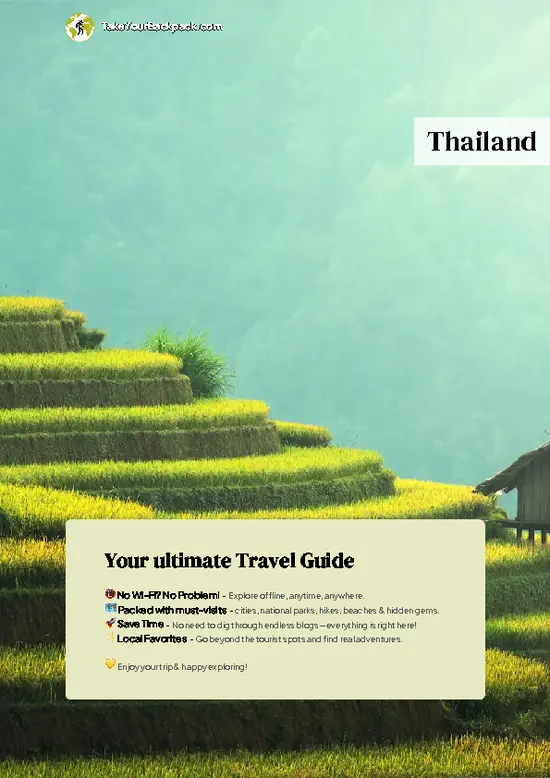
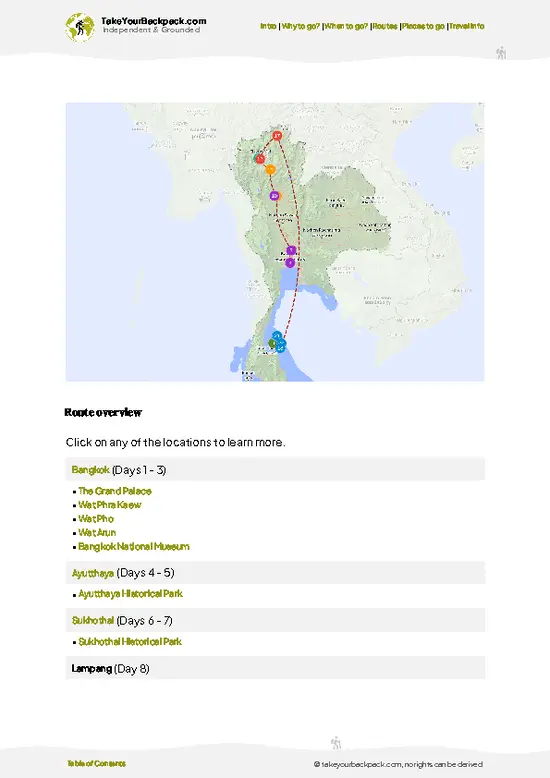
example page 0 from our offline Travel Guide for Thailand
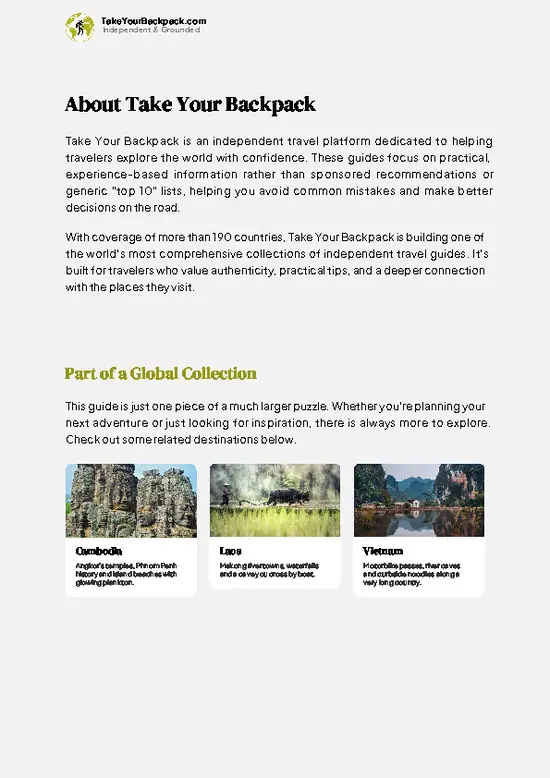
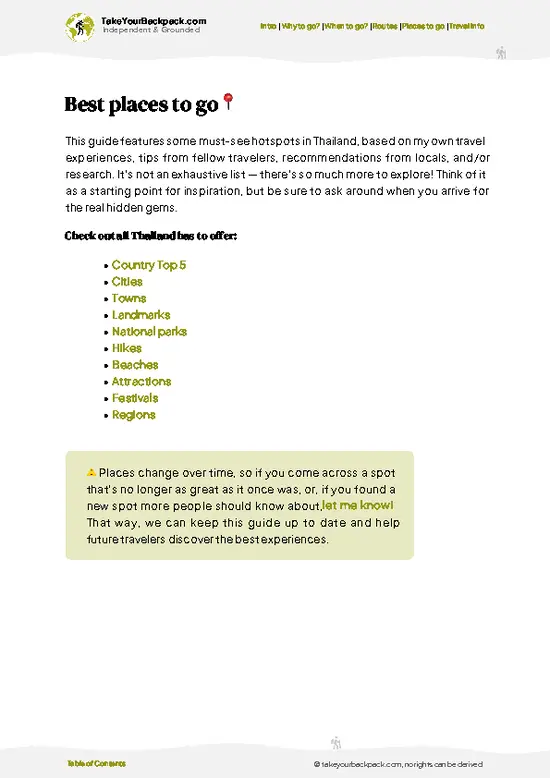
example page 1 from our offline Travel Guide for Thailand
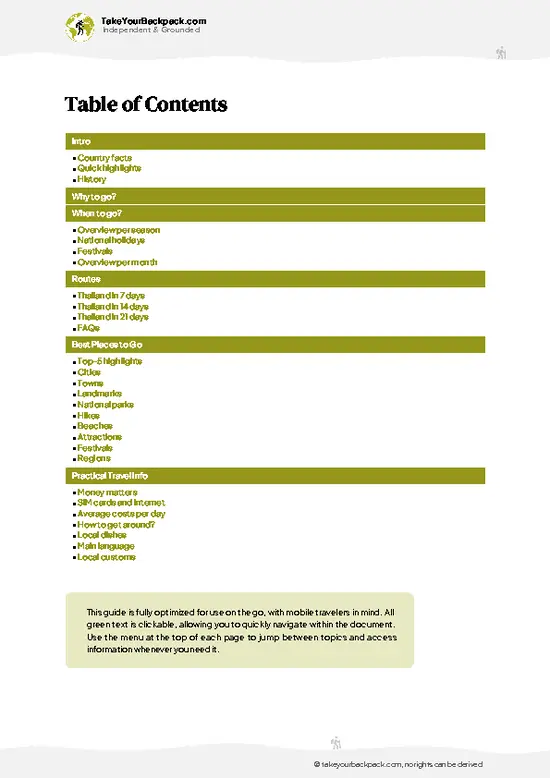
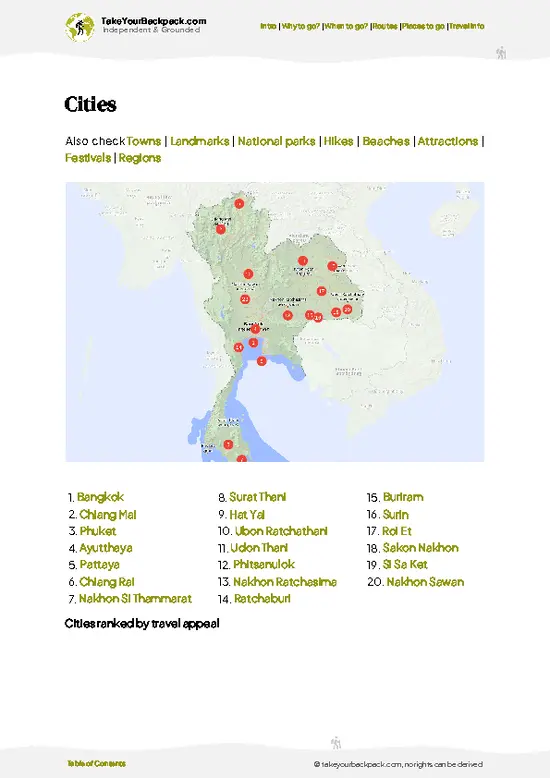
example page 2 from our offline Travel Guide for Thailand
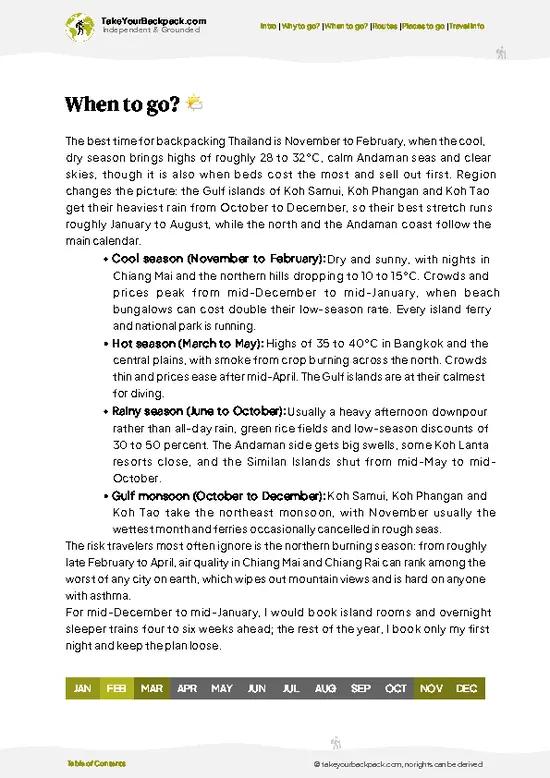
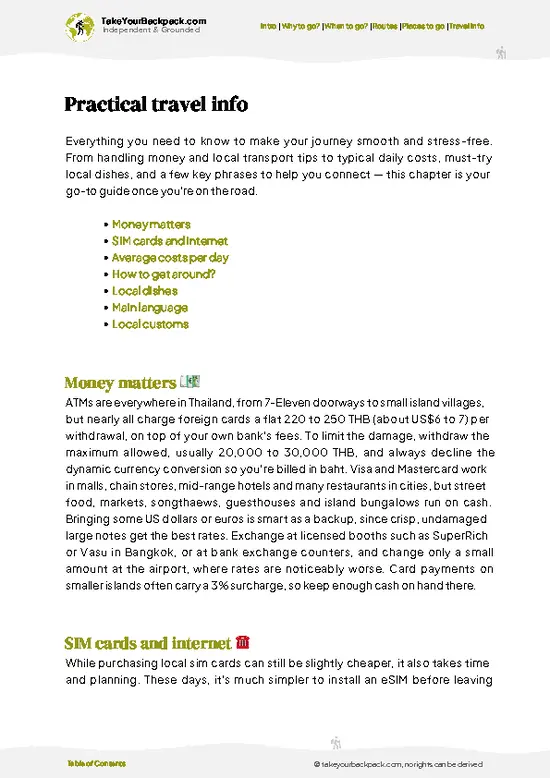
example page 3 from our offline Travel Guide for Thailand
example page 4 from our offline Travel Guide for Thailand
example page 5 from our offline Travel Guide for Thailand
example page 6 from our offline Travel Guide for Thailand
example page 7 from our offline Travel Guide for Thailand
The digital guide (510 pages) contains:
139 highlights, ranked by travel appeal
Optimized 7, 14 & 21-day travel routes
Cities, national parks, landmarks, beaches
How to get around
Offline-friendly for travel without Wi-Fi
👉 Click to see all 30+ guide features

📅 Plan smarter in minutes, not weeks
Month by month travel advice
Festivals & national holidays
Budget expectations

🗺️ Go to the right places, skip the overrated ones
Honest pros & cons of destinations
Top hikes, parks & viewpoints
Lesser-known places most travelers miss
Clear “worth it vs skip it” guidance

🛏️ Travel smoothly without rookie mistakes
Best areas to stay
Transport systems explained simply
Common scams & safety advice
SIM cards, money & practical tips

🌍 Understand the country, not just visit it
Culture & traditions
52 Essential phrases & customs
Festivals worth planning around
Traveler-friendly historical context
Insights that make places more meaningful

📱 Built for real travel conditions
Fully downloadable PDF
Works completely offline
Optimized for phone use
Useful in remote areas & buses
Everything in one place
Save weeks of stressful planning
Get instant access to your full guide. 30‑day money-back guarantee.


By proceeding you agree to our terms.
Sent to your inbox immediately after payment • 100% Secure Checkout
Best Backpacking Travel Advisor 2025 tourism awardBest Backpacking
Travel Advisor
2025
What others say about Take Your Backpack Guides:
⭐⭐⭐⭐⭐
Fantastic, amazing amount of information!
⭐⭐⭐⭐⭐
My goodness this is amazing, it's what I've been looking for hats off too you!
⭐⭐⭐⭐⭐
I think this is absolutely BRILLIANT
⭐⭐⭐⭐
Very complete and informative. It's still missing places, but I gotta to commend you
⭐⭐⭐⭐⭐
This is truly amazing, thank you, can't wait to explore it with my kids!
⭐⭐⭐⭐⭐
Awesome resource, thank you!
⭐⭐⭐⭐⭐
This is amazing! Can't wait to explore the ones I haven't seen
⭐⭐⭐⭐
I love this! Well done, great idea.
⭐⭐⭐⭐⭐
Thanks for taking the time to make this gem!
⭐⭐⭐⭐⭐
This might be the best website I've ever seen.
⭐⭐⭐⭐⭐
Congratulations, and thank you so much for your work; it's incredibly valuable.
⭐⭐⭐⭐
In all seriousness I think you did a great job pointing out the important spots
⭐⭐⭐⭐⭐
10/10 very good
⭐⭐⭐⭐⭐
As someone who's only just starting to visit regularly this is awesome, thank you.
⭐⭐⭐⭐
Thank you very much! I'm going to visit my dad, it's going to be very useful!
⭐⭐⭐⭐⭐
This is really cool! We'll be travelling for the first time and this definitely come in handy.
⭐⭐⭐⭐⭐
You are now our minister of culture, congratulations 👨‍💼
⭐⭐⭐⭐⭐
Just wanted to tell you that this is a pearl! Going to follow your recommendations.
⭐⭐⭐⭐⭐
This is so cool. I'll definitely be using the resource for my travels soon.
⭐⭐⭐⭐⭐
This is very impressive! Good work.
⭐⭐⭐⭐⭐
This is an amazing and informative site. Very well done!

🛏️ Where to stay?Where to Stay in Thailand

Yes, hostels and budget accommodation are plentiful across Thailand, concentrated in backpacker and transit hubs such as Khao San Road, Sukhumvit and Silom in Bangkok, Old City and Nimmanhaemin in Chiang Mai, and beach towns like Patong, Kata/Karon on Phuket and Chaweng, Lamai on Koh Samui.
Khao San and Patong deliver the cheapest beds and nonstop nightlife but are noisy and very touristy; Sukhumvit and Silom give the best transit links and a mix of nightlife with higher prices; Chiang Mai Old City is compact, temple-close and quieter at night while Nimmanhaemin has more cafes and slightly pricier rooms; Kata/Karon and Lamai are calmer beach options with better swimming and family-friendly … read more 👉
Yes, hostels and budget accommodation are plentiful across Thailand, concentrated in backpacker and transit hubs such as Khao San Road, Sukhumvit and Silom in Bangkok, Old City and Nimmanhaemin in Chiang Mai, and beach towns like Patong, Kata/Karon on Phuket and Chaweng, Lamai on Koh Samui.
Khao San and Patong deliver the cheapest beds and nonstop nightlife but are noisy and very touristy; Sukhumvit and Silom give the best transit links and a mix of nightlife with higher prices; Chiang Mai Old City is compact, temple-close and quieter at night while Nimmanhaemin has more cafes and slightly pricier rooms; Kata/Karon and Lamai are calmer beach options with better swimming and family-friendly evenings compared with party-heavy Chaweng.
Choose by priority: pick Khao San/Patong/Chaweng for social, budget party scenes; Sukhumvit/Silom for transport convenience and variety; Chiang Mai Old City for culture and quiet; Kata/Karon/Lamai for relaxed beach time to avoid noise and overpriced central hostels.

If you enjoy meeting fellow travelers, consider choosing hostels with high ratings for atmosphere. On the other hand, if you prefer having your own space, a hotel might be a better option.

ThailandMore of Thailand

👋 Meet the founderWho’s Behind Take Your Backpack?

Johan, backpacker and founder of TakeYourBackpackHi, I’m Johan (Netherlands 🇳🇱), the creator of TakeYourBackpack. Over the past decade, I’ve backpacked through 80+ countries across six continents, gaining extensive experience with independent travel, long-term trips, and overland routes.

This site is built on a combination of firsthand travel experience and carefully curated insights from other backpackers. Many guides are based on places I’ve personally visited, while others bring together tips, observations, and practical advice shared by trusted travelers I’ve met along the way.

The goal is to provide realistic, experience-driven guidance — not generic itineraries — so you can explore destinations with better context, clearer expectations, and more confidence.

Get full Thailand guide •
Instant download • 139 highlights • Full Offline guide