

The Trilithon Up Close: The Sheer Scale
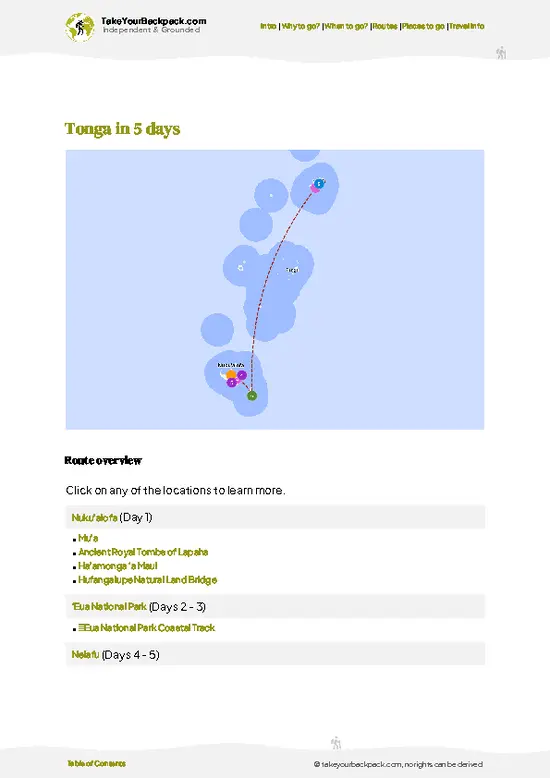
Forget the filtered Instagram shots—standing under the Haʻamonga ʻa Maui, you realize just how massive these coral limestone slabs are. Each upright is over five meters tall and weighs in at around 30 to 40 tons. No ropes, no cranes, no modern machinery—just raw human ingenuity from the 13th century. The trilithon isn’t just a photo op; it’s a physical confrontation with the limits of ancient engineering. You feel small, and that’s the point.
Theories and Legends: Maui’s Gate or Royal Calendar?
You’ll hear two stories. The first: the demigod Maui hauled these stones from ‘Uvea (Wallis Island) as a sort of cosmic prank. The second: it’s a royal gateway, possibly a solar calendar, built by King Tuʻitatui. The truth? No one knows for sure, and that’s half … read more 👉
The Trilithon Up Close: The Sheer Scale
Forget the filtered Instagram shots—standing under the Haʻamonga ʻa Maui, you realize just how massive these coral limestone slabs are. Each upright is over five meters tall and weighs in at around 30 to 40 tons. No ropes, no cranes, no modern machinery—just raw human ingenuity from the 13th century. The trilithon isn’t just a photo op; it’s a physical confrontation with the limits of ancient engineering. You feel small, and that’s the point.
Theories and Legends: Maui’s Gate or Royal Calendar?
You’ll hear two stories. The first: the demigod Maui hauled these stones from ‘Uvea (Wallis Island) as a sort of cosmic prank. The second: it’s a royal gateway, possibly a solar calendar, built by King Tuʻitatui. The truth? No one knows for sure, and that’s half the fun. The mystery is tangible. Locals will tell you their version, and you’ll walk away with your own. This isn’t a museum with tidy labels—this is living myth, still debated on the grass.
Zero Commercialization: No Ticket Booths, No Tchotchkes
You won’t find a gift shop, a fence, or even a snack stand. The Haʻamonga sits in an open field, accessible 24/7, with nothing but the wind and the occasional rooster for company. It’s refreshingly raw. You can walk right up, touch the stones, and feel the salt air. There’s no crowd control because, honestly, there’s rarely a crowd. This is the anti-tourist-trap: no lines, no hustle, just you and the stones.
Royal Tombs and Ancient Pathways
A short walk from the trilithon, you’ll find the langi—royal tombs built from the same coral blocks. These stepped burial mounds are a reminder that you’re standing in the heart of Tonga’s ancient capital. The area is dotted with remnants of stone walkways and platforms, all whispering of a time when this was the seat of kings. If you’re the type who likes to wander and imagine, this is your playground.
Sunrise and Shadow Play
If you’re up for an early start, sunrise at Haʻamonga is worth the lost sleep. The way the first light slices through the lintel, casting long shadows across the grass, is quietly dramatic. There’s no crowd jostling for the perfect shot—just you, the stones, and the slow reveal of a new day. It’s a rare chance to experience a world-class archaeological site in total peace.
Spotted a mistake or missing something? Contact us.

 Best Backpacking

 Hi, I’m Johan (Netherlands 🇳🇱), the creator of TakeYourBackpack. Over the past 3 decades, I’ve backpacked through 90+ countries across six continents, gaining extensive experience with independent travel, long-term trips, and overland routes.