×

Tunisia🇹🇳 | landmarksDougga, Thuggahilltop ruins, Roman theater, ancient temples | things to do and best time to go

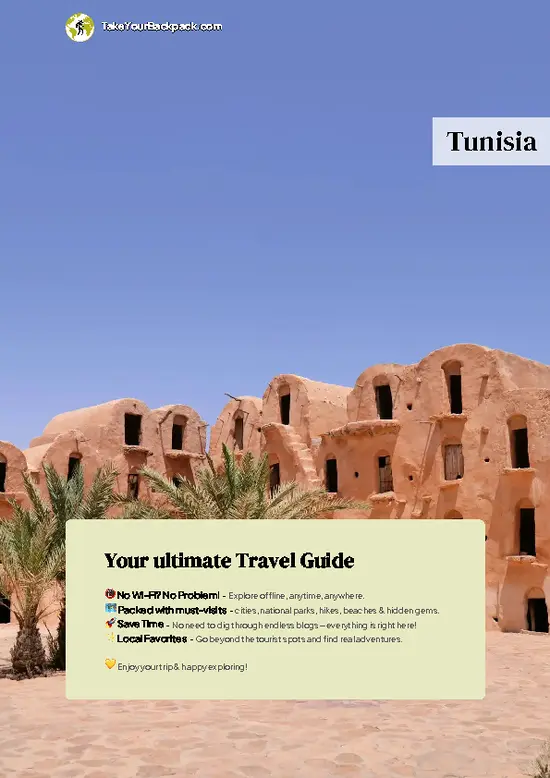
Explore Chott el JeridExplore Ksar Ouled Soltane

Backpacking in Dougga, Thugga
UNESCO World Heritage site
🏆 Top pickunique site ranked #3
By Johan Kruseman 🇳🇱 | Updated June 5, 2026

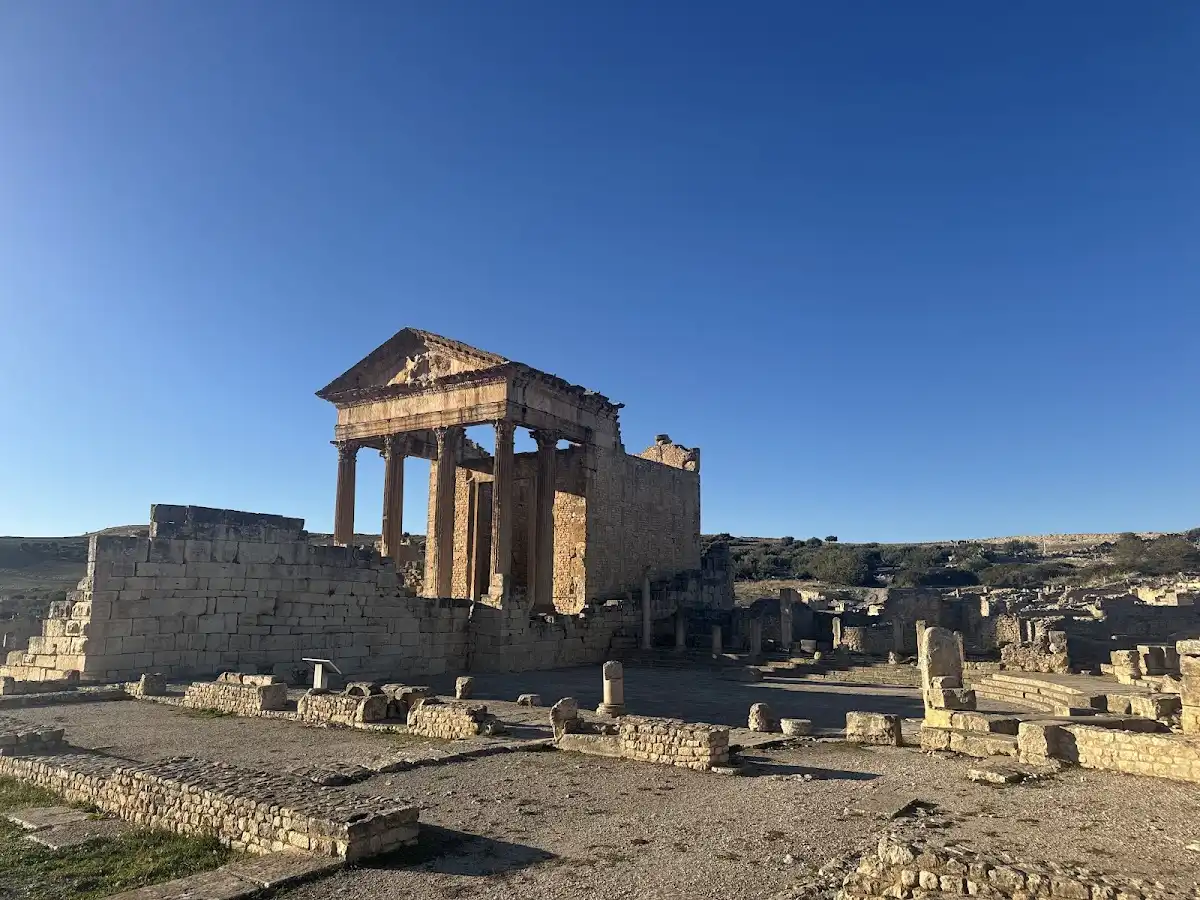
Forget the Instagram fantasy: Dougga isn’t some secret, untouched ruin where you’ll have the Roman world to yourself. Yes, you’ll dodge a few tour buses and, if you hit a weekend, a handful of local families picnicking among the columns. But here’s the real magic—Dougga, perched on a breezy hilltop in northern Tunisia, is the rare UNESCO site that actually feels ancient, not staged. The scale is wild: temples, theaters, and mosaics sprawled across a sun-bleached plateau, with olive groves rolling out in every direction. It’s not cheap by Tunisian standards, but you’re paying for the privilege of wandering a Roman city with barely a rope or sign in sight. Getting here is a mission—public transport is patchy, and the last stretch is a dusty, winding road—but that’s half the adventure. The payoff? Photos that look like movie sets, and a vibe that’s more Indiana Jones than Instagram influencer.

Discover everything you want to know in the 📖 Tunisia Travel Guide.


Get your Tunisia guide
97 ranked highlights, routes & tips, works offline (372 pages)
Loading the map 🌍
CLICK TO FILTER
cities
towns
villages
landmarks
national parks
hikes
beaches
attractions
festivals
regions
SHOW COUNTRY’S BESTSHOW ALL

✨ Why go?
Ranked #3 unique site in Tunisia
Reasons people choose to visit here

Dougga, or Thugga, is a must-see for backpackers who crave authenticity over Instagram filters. Sure, it’s a UNESCO World Heritage site, but don’t let that fool you into thinking it’s just another tourist trap. The crowds here are manageable, especially if you visit early in the morning or late in the afternoon. You’ll find yourself wandering through well-preserved Roman ruins that whisper stories of a time long gone.

The cost is a steal; entry fees are low, and you can easily spend a few hours exploring without breaking the bank. What sets Dougga apart is its uniqueness—the sheer scale of the site, from the grand theater to the intricate mosaics, is jaw-dropping.

It fits perfectly into a broader route through Tunisia, making it a natural stop between Tunis and Kairouan. Pair it with a … read more 👉
Dougga, or Thugga, is a must-see for backpackers who crave authenticity over Instagram filters. Sure, it’s a UNESCO World Heritage site, but don’t let that fool you into thinking it’s just another tourist trap. The crowds here are manageable, especially if you visit early in the morning or late in the afternoon. You’ll find yourself wandering through well-preserved Roman ruins that whisper stories of a time long gone.

The cost is a steal; entry fees are low, and you can easily spend a few hours exploring without breaking the bank. What sets Dougga apart is its uniqueness—the sheer scale of the site, from the grand theater to the intricate mosaics, is jaw-dropping.

It fits perfectly into a broader route through Tunisia, making it a natural stop between Tunis and Kairouan. Pair it with a visit to the nearby Berber villages for a taste of local life. This isn’t just a pit stop; it’s a chance to connect with history and culture in a way that feels genuine and rewarding.
Want to include Dougga, Thugga in your Tunisia route?
Create a personalized Tunisia itinerary that includes Dougga, Thugga and the places that fit your trip — based on your travel style, budget, and available time. Get your route in seconds.

Generate my trip

💡 HighlightsEssential experiences to have while visiting Dougga, Thugga

  • Roman theatre — Exceptionally intact and atmospheric, this stone theatre gives you a real sense of Roman civic life and opens onto sweeping views of the surrounding hills. Walk the tiers, imagine the crowd, and the echo of performances still feels alive.
  • Capitoline Temple (Capitol) — A high, well-preserved temple podium and columned façade that mark Dougga’s religious and political heart. Its scale and placement show how a provincial town tried to mirror imperial Rome in miniature.
  • Numidian mausoleum — A distinctly local, pre-Roman funerary monument with a different silhouette from the temples around it. That mix of indigenous and Roman funerary styles is one of Dougga’s signature contrasts.
  • Forum and market complex — The civic center where business, justice and social life met: colonnades,
read more 👉
  • Roman theatre — Exceptionally intact and atmospheric, this stone theatre gives you a real sense of Roman civic life and opens onto sweeping views of the surrounding hills. Walk the tiers, imagine the crowd, and the echo of performances still feels alive.
  • Capitoline Temple (Capitol) — A high, well-preserved temple podium and columned façade that mark Dougga’s religious and political heart. Its scale and placement show how a provincial town tried to mirror imperial Rome in miniature.
  • Numidian mausoleum — A distinctly local, pre-Roman funerary monument with a different silhouette from the temples around it. That mix of indigenous and Roman funerary styles is one of Dougga’s signature contrasts.
  • Forum and market complex — The civic center where business, justice and social life met: colonnades, altars and commercial stalls leave a clear imprint of daily life in an active provincial town.
  • Domestic quarters and mosaics — Scattered houses with surviving floor plans and decorative fragments give a peek into private life—room layouts, small courtyards and the occasional mosaic tile that survived the centuries.
  • Rich inscriptions and reliefs — Dougga is an epigrapher’s dream: public inscriptions, tomb texts and dedications document local elites, municipal organization and the town’s long interaction with Rome. They really bring names and stories back into view.
  • Landscape and solitude — Sit on a wall and you’ll see why Dougga feels special: olive terraces, ridgelines and an open, rural setting that make the ruins feel isolated and cinematic. It’s one of those places where the setting amplifies the archaeology.
Spotted a mistake or missing something? Contact us.

Things to do near Dougga, Thugga

Ratings based on Tripadvisor reviews. When you book through this link, you support our work at no extra cost to you.

🌤️ When to go?Seasonal considerations and timing


  • Weather: Summers in Dougga scorch, often hitting 35-40°C (95-104°F), making midday exploration brutal. Winters are mild and pleasant, hovering around 10-15°C (50-59°F), perfect for wandering ruins without melting or freezing.

  • Temperature: Spring and autumn offer the sweet spot—daytime temps in the low 20s Celsius (68-75°F), cool evenings, and no sweat-drenched discomfort. Avoid July and August unless you’re a heat masochist.

  • Daylight Hours: Peak daylight stretches from April to September, giving you 12-14 hours to soak in the site. Winter days shrink to about 10 hours, which can rush your visit if you’re pacing yourself.

  • Crowds: Dougga isn’t a tourist magnet like Carthage or El Jem, but spring and autumn weekends see a spike in local visitors. Weekdays in shoulder seasons are your
read more 👉

  • Weather: Summers in Dougga scorch, often hitting 35-40°C (95-104°F), making midday exploration brutal. Winters are mild and pleasant, hovering around 10-15°C (50-59°F), perfect for wandering ruins without melting or freezing.

  • Temperature: Spring and autumn offer the sweet spot—daytime temps in the low 20s Celsius (68-75°F), cool evenings, and no sweat-drenched discomfort. Avoid July and August unless you’re a heat masochist.

  • Daylight Hours: Peak daylight stretches from April to September, giving you 12-14 hours to soak in the site. Winter days shrink to about 10 hours, which can rush your visit if you’re pacing yourself.

  • Crowds: Dougga isn’t a tourist magnet like Carthage or El Jem, but spring and autumn weekends see a spike in local visitors. Weekdays in shoulder seasons are your best bet for near-solitude.

  • Seasonal Activities: The site itself is static, but local festivals in nearby towns peak in spring and autumn, adding cultural flavor if you time it right. Summer offers little beyond the ruins themselves.

  • Price Fluctuations: Entry fees stay stable year-round, but accommodation nearby can spike during Tunisian holidays and festival periods. Booking ahead in spring and autumn avoids last-minute price gouging.


Pro-tip: Aim for late March to early June or September to early November—cool temps, manageable crowds, and a chance to catch local life beyond the ruins.


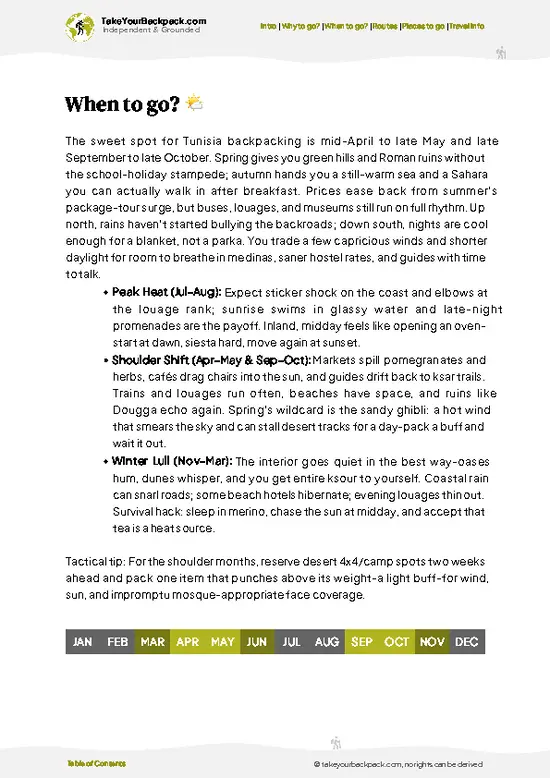
source: climatestotravel.comJANJanuary: highly recommended for travelingFEBFebruary: highly recommended for travelingMARMarch: excellent for travelingAPRApril: excellent for travelingMAYMay: excellent for travelingJUNJune: highly recommended for travelingJULJuly: fair for travelingAUGAugust: fair for travelingSEPSeptember: excellent for travelingOCTOctober: excellent for travelingNOVNovember: highly recommended for travelingDECDecember: highly recommended for traveling
tunisia-unique-site-dougga-thugga
© Google |

✈️ The backpacker research shortcutTunisia Travel Guide

An offline-friendly backpacking guide with optimized travel routes, ranked highlights, transport advice, and the best areas to stay.
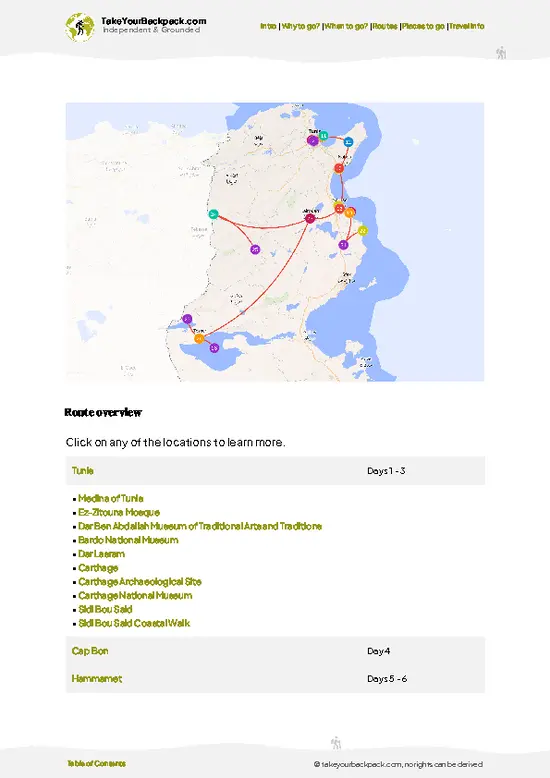
example page 0 from our offline Travel Guide for Tunisia
example page 1 from our offline Travel Guide for Tunisia
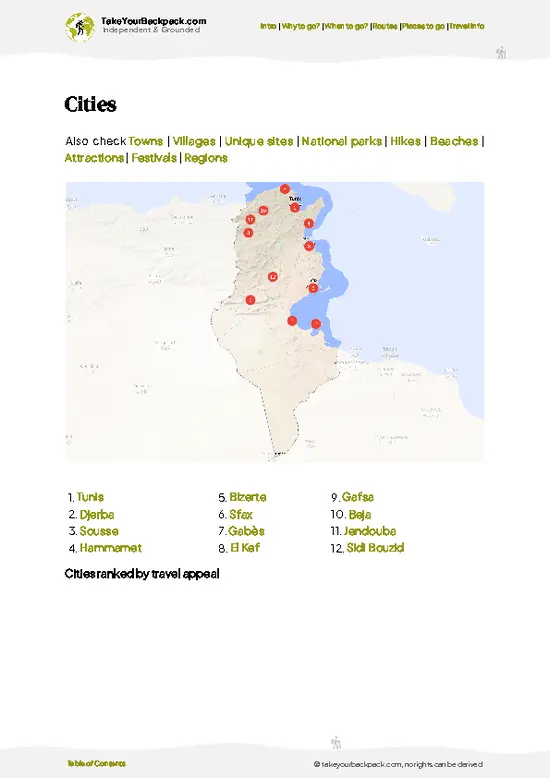
example page 2 from our offline Travel Guide for Tunisia
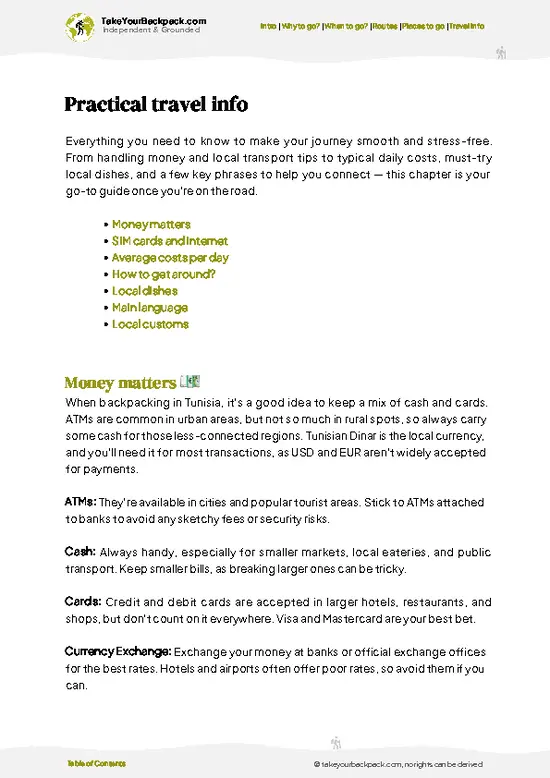
example page 3 from our offline Travel Guide for Tunisia
example page 4 from our offline Travel Guide for Tunisia
example page 5 from our offline Travel Guide for Tunisia
example page 6 from our offline Travel Guide for Tunisia
example page 7 from our offline Travel Guide for Tunisia
The digital guide (372 pages) contains:
97 highlights, ranked by travel appeal
Optimized 5, 10 & 15-day travel routes
Cities, national parks, landmarks, beaches
How to get around
Offline-friendly for travel without Wi-Fi
👉 Click to see all 30+ guide features

📅 Plan smarter in minutes, not weeks
Month by month travel advice
Festivals & national holidays
Budget expectations

🗺️ Go to the right places, skip the overrated ones
Honest pros & cons of destinations
Top hikes, parks & viewpoints
Lesser-known places most travelers miss
Clear “worth it vs skip it” guidance

🛏️ Travel smoothly without rookie mistakes
Best areas to stay
Transport systems explained simply
Common scams & safety advice
SIM cards, money & practical tips

🌍 Understand the country, not just visit it
Culture & traditions
52 Essential phrases & customs
Festivals worth planning around
Traveler-friendly historical context
Insights that make places more meaningful

📱 Built for real travel conditions
Fully downloadable PDF
Works completely offline
Optimized for phone use
Useful in remote areas & buses
Everything in one place
Save weeks of stressful planning
Get instant access to your full guide. 30‑day money-back guarantee.


By proceeding you agree to our terms.
Sent to your inbox immediately after payment • 100% Secure Checkout
Best Backpacking Travel Advisor 2025 tourism awardBest Backpacking
Travel Advisor
2025
What others say about Take Your Backpack Guides:
⭐⭐⭐⭐⭐
Fantastic, amazing amount of information!
⭐⭐⭐⭐⭐
My goodness this is amazing, it's what I've been looking for hats off too you!
⭐⭐⭐⭐⭐
I think this is absolutely BRILLIANT
⭐⭐⭐⭐
Very complete and informative. It's still missing places, but I gotta to commend you
⭐⭐⭐⭐⭐
This is truly amazing, thank you, can't wait to explore it with my kids!
⭐⭐⭐⭐⭐
Awesome resource, thank you!
⭐⭐⭐⭐⭐
This is amazing! Can't wait to explore the ones I haven't seen
⭐⭐⭐⭐
I love this! Well done, great idea.
⭐⭐⭐⭐⭐
Thanks for taking the time to make this gem!
⭐⭐⭐⭐⭐
This might be the best website I've ever seen.
⭐⭐⭐⭐⭐
Congratulations, and thank you so much for your work; it's incredibly valuable.
⭐⭐⭐⭐
In all seriousness I think you did a great job pointing out the important spots
⭐⭐⭐⭐⭐
10/10 very good
⭐⭐⭐⭐⭐
As someone who's only just starting to visit regularly this is awesome, thank you.
⭐⭐⭐⭐
Thank you very much! I'm going to visit my dad, it's going to be very useful!
⭐⭐⭐⭐⭐
This is really cool! We'll be travelling for the first time and this definitely come in handy.
⭐⭐⭐⭐⭐
You are now our minister of culture, congratulations 👨‍💼
⭐⭐⭐⭐⭐
Just wanted to tell you that this is a pearl! Going to follow your recommendations.
⭐⭐⭐⭐⭐
This is so cool. I'll definitely be using the resource for my travels soon.
⭐⭐⭐⭐⭐
This is very impressive! Good work.
⭐⭐⭐⭐⭐
This is an amazing and informative site. Very well done!

🛏️ Where to stay?Where staying makes the most sense

Staying near Dougga, or Thugga as some call it, can be a mixed bag. The site itself is a marvel, but the surrounding areas can feel a bit sparse. Here’s the real scoop: head to the nearby town of Béja. It’s a solid base for backpackers. You’ll find a blend of local charm and a few budget-friendly digs. The vibe is laid-back, and you’ll meet fellow travelers over mint tea or a plate of brik.

Another option is to look at the village of Testour. It’s a bit quieter but offers a genuine slice of Tunisian life. The locals are friendly, and you might even score a home-cooked meal if you’re lucky. Plus, … read more 👉
Staying near Dougga, or Thugga as some call it, can be a mixed bag. The site itself is a marvel, but the surrounding areas can feel a bit sparse. Here’s the real scoop: head to the nearby town of Béja. It’s a solid base for backpackers. You’ll find a blend of local charm and a few budget-friendly digs. The vibe is laid-back, and you’ll meet fellow travelers over mint tea or a plate of brik.

Another option is to look at the village of Testour. It’s a bit quieter but offers a genuine slice of Tunisian life. The locals are friendly, and you might even score a home-cooked meal if you’re lucky. Plus, it’s just a short ride to Dougga, making it easy to explore the ruins without the tourist crush.

Don’t expect luxury; these spots are about authenticity. Safety is generally good, but keep your wits about you, especially at night. The key is to embrace the local culture. Engage with the people, and you’ll find that the real magic of Dougga isn’t just in the stones but in the stories shared over a simple meal.

👛 Costs (as of 5 June 2025)Typical daily expenses

Visiting Dougga, Thugga in Tunisia can be a rewarding experience, but it’s essential to know what to expect in terms of costs.
  • Entry Fee: The entrance fee is around €8 to €10. This gives you access to the site, which is one of the best-preserved Roman ruins in North Africa. It’s worth every cent, but be prepared for the occasional crowd during peak tourist season.
  • Transportation: Getting to Dougga can vary. If you’re coming from Tunis, expect to pay about €5 to €10 for a bus or shared taxi. A private taxi will set you back around €50. The journey is scenic, but public transport can be packed, especially on weekends.
  • Guided Tours: If you want a deeper understanding of the site, consider a guided tour. Prices range from €20 to €50, depending on the guide’s expertise and whether it includes transportation.
read more 👉
Visiting Dougga, Thugga in Tunisia can be a rewarding experience, but it’s essential to know what to expect in terms of costs.
  • Entry Fee: The entrance fee is around €8 to €10. This gives you access to the site, which is one of the best-preserved Roman ruins in North Africa. It’s worth every cent, but be prepared for the occasional crowd during peak tourist season.
  • Transportation: Getting to Dougga can vary. If you’re coming from Tunis, expect to pay about €5 to €10 for a bus or shared taxi. A private taxi will set you back around €50. The journey is scenic, but public transport can be packed, especially on weekends.
  • Guided Tours: If you want a deeper understanding of the site, consider a guided tour. Prices range from €20 to €50, depending on the guide’s expertise and whether it includes transportation. This can enhance your experience, especially if you’re keen on the historical context.
  • Food and Drink: There are limited options near the site. A meal at a local café will cost you about €5 to €15. Bring snacks and water to avoid overpriced tourist traps. Pack a picnic if you want to enjoy the views without breaking the bank.
  • Souvenirs: If you’re looking to take home a piece of Tunisia, budget around €5 to €20 for local crafts. Just be cautious of overly touristy shops; seek out local artisans for authentic items.

Understanding these costs will help you plan better and enjoy the real magic of Dougga without any surprises.
⚠️ Prices can change and everyone travels differently, so take this as a rough guide. Hope it helps you plan your adventure!

Other Tunisian landmarks near Dougga, Thugga

Explore more nearby:

  • Bulla Regia—underground villas, mosaic floors, Punic-Roman ruins| 44 km away
  • Les Aiguilles—jagged rock spires, coastal cliffs, wind-carved formations| 73 km away
  • Roman Water Temple—arched cisterns, spring-fed pools, stone basins| 82 km away

💡 Not sure where to go next?
Create a personalized itinerary for Tunisia including Dougga, Thugga and the places that fit your trip.

Generate my itinerary

👉 Discover all landmarks

Or checkout all Tunisia has to offer (think cities, towns, villages, national parks, hikes, beaches, festivals)
Country photo of Tunisia

We 💚 feedbackIs it worth it?

If you’re heading to Dougga, brace yourself for the crowds. It’s popular for a reason, but don’t let that deter you. The real magic lies in the details—the intricate carvings on the Capitol, the haunting echoes in the amphitheater, and the wildflowers that peek through ancient stones. A surprise? The locals are genuinely warm and eager to share stories. Just be ready for the heat; it can be relentless. Embrace it, and you’ll find a connection to history that’s worth every step.

✍️ Help improve this page!
The information on this page is based on in-depth research, insights shared by experienced travelers, and feedback from the local travel community in Tunisia. While every effort is made to keep the information accurate and current, conditions can change — so if you spot anything incorrect or outdated, please get in touch.


🙋‍♂️ Give feedback

👋 Meet the founderWho’s Behind Take Your Backpack?

Johan, backpacker and founder of TakeYourBackpackHi, I’m Johan (Netherlands 🇳🇱), the creator of TakeYourBackpack. Over the past decade, I’ve backpacked through 80+ countries across six continents, gaining extensive experience with independent travel, long-term trips, and overland routes.

This site is built on a combination of firsthand travel experience and carefully curated insights from other backpackers. Many guides are based on places I’ve personally visited, while others bring together tips, observations, and practical advice shared by trusted travelers I’ve met along the way.

The goal is to provide realistic, experience-driven guidance — not generic itineraries — so you can explore destinations with better context, clearer expectations, and more confidence.

Get full Tunisia guide •
Instant download • 97 highlights • Full Offline guide