×

Tunisia🇹🇳 | best landmarksDiscover the 12 Best landmarks Across Tunisia

Tunisia is a treasure trove of unique sites that reflect its rich tapestry of history, culture, and natural beauty. From the ancient ruins of Carthage to the stunning landscapes of the Sahara, each site offers a different flavor of the country. The scale and visitor experience can vary dramatically; some places are bustling with tourists, while others provide a more intimate encounter with local life.

Timing matters—certain sites shine in specific seasons, impacting budget and accessibility. For backpackers, choosing the right destination can enhance your cultural immersion and ease of travel. Understanding these nuances will help you navigate Tunisia’s offerings, ensuring your journey is both rewarding and authentic.

By Johan Kruseman 🇳🇱 | Updated June 13, 2026
Explore the best national parks in Tunisia

Why go?What Makes Them Special

In Tunisia, unique sites matter not just for their beauty but for their cultural and historical significance. This country is a crossroads of civilizations, where Phoenician, Roman, and Arab influences converge. Unlike many destinations that flaunt their Instagrammable spots, Tunisia offers layers of history that require a bit of digging. The archaeological sites here are not just remnants; they tell stories of trade, conquest, and daily life that shaped the Mediterranean.

However, the trade-offs are real. Many of these sites are tucked away in less accessible areas, meaning travelers might spend more time on the road than at the site itself. The peak tourist seasons can lead to overcrowding, turning serene ruins into bustling marketplaces. Timing your visit is crucial; early mornings or … read more 👉
In Tunisia, unique sites matter not just for their beauty but for their cultural and historical significance. This country is a crossroads of civilizations, where Phoenician, Roman, and Arab influences converge. Unlike many destinations that flaunt their Instagrammable spots, Tunisia offers layers of history that require a bit of digging. The archaeological sites here are not just remnants; they tell stories of trade, conquest, and daily life that shaped the Mediterranean.

However, the trade-offs are real. Many of these sites are tucked away in less accessible areas, meaning travelers might spend more time on the road than at the site itself. The peak tourist seasons can lead to overcrowding, turning serene ruins into bustling marketplaces. Timing your visit is crucial; early mornings or late afternoons can offer a more intimate experience, but that often means sacrificing sleep.

Tunisia’s climatic conditions also play a role. Summers can be sweltering, making exploration exhausting. Conversely, the mild winters can be ideal for wandering, but some sites may have limited access. Understanding these nuances is essential for anyone looking to truly appreciate what Tunisia has to offer. The journey here is about more than just seeing; it’s about connecting with a rich tapestry of history and culture that deserves your time and attention.
How the List Was Created
The list of best unique sites in Tunisia is created based on history or culture, wow factor, atmosphere, quirks, and memorability. If you feel a unique site is missing in this list, please let us know.

When to go?Timing Your Visit for the Best Experience

Seasonality plays a crucial role in experiencing Tunisia’s unique sites. The country boasts a Mediterranean climate, which means hot, dry summers and mild, wet winters. Summer, particularly July and August, brings sweltering heat, making outdoor exploration a sweaty endeavor. Crowds flock to popular sites during this peak season, leading to long lines and inflated prices.

Optimal months for visiting are typically April to June and September to October. During these shoulder seasons, the weather is pleasantly warm, and the tourist traffic is manageable. This is when the real magic happens; fewer crowds mean a more intimate experience with the sites. However, be prepared for occasional rain in spring and the lingering heat in early fall.

Winter can be a mixed bag. While temperatures drop, … read more 👉
Seasonality plays a crucial role in experiencing Tunisia’s unique sites. The country boasts a Mediterranean climate, which means hot, dry summers and mild, wet winters. Summer, particularly July and August, brings sweltering heat, making outdoor exploration a sweaty endeavor. Crowds flock to popular sites during this peak season, leading to long lines and inflated prices.

Optimal months for visiting are typically April to June and September to October. During these shoulder seasons, the weather is pleasantly warm, and the tourist traffic is manageable. This is when the real magic happens; fewer crowds mean a more intimate experience with the sites. However, be prepared for occasional rain in spring and the lingering heat in early fall.

Winter can be a mixed bag. While temperatures drop, many sites may have limited access or reduced hours. Some attractions might even close for maintenance, so planning is essential.

Trade-offs abound. Visiting during peak season guarantees vibrant energy but at the cost of serenity and budget. The shoulder seasons offer a sweet spot of moderate weather and fewer tourists, but be aware that some cultural events may be less frequent. Understanding these seasonal dynamics can transform a trip from a crowded slog into a genuine adventure.

unique site hoppingSuggested Travel Strategies

Regional Clustering

Grouping sites by region is key to maximizing time and minimizing frustration. Start in the north with Tunis and Carthage, then head south to the ancient ruins of Dougga and the charming town of Bizerte. This route allows for a natural flow, reducing backtracking and keeping the travel time manageable.

Timing Your Visits

Allocate at least two to three hours for major sites like the Bardo Museum or the ruins of Carthage. Smaller stops, like local markets or cafes, can be quick pit stops, but don’t rush them; they’re often where the real magic happens.

Common Pitfalls

Many travelers underestimate the time needed to navigate between sites. Tunisia’s roads can be unpredictable, and public transport isn’t always reliable. Avoid the mistake of cramming too many stops into … read more 👉

Regional Clustering

Grouping sites by region is key to maximizing time and minimizing frustration. Start in the north with Tunis and Carthage, then head south to the ancient ruins of Dougga and the charming town of Bizerte. This route allows for a natural flow, reducing backtracking and keeping the travel time manageable.

Timing Your Visits

Allocate at least two to three hours for major sites like the Bardo Museum or the ruins of Carthage. Smaller stops, like local markets or cafes, can be quick pit stops, but don’t rush them; they’re often where the real magic happens.

Common Pitfalls

Many travelers underestimate the time needed to navigate between sites. Tunisia’s roads can be unpredictable, and public transport isn’t always reliable. Avoid the mistake of cramming too many stops into one day; it’s better to savor a few locations than to sprint through a dozen.

Trade-offs and Flexibility

Consider the balance between speed and depth. A fast-paced trip might hit all the highlights, but it often sacrifices the immersive experiences that make travel worthwhile. Budget travelers may opt for local transport, which can be an adventure in itself, but be prepared for delays. Prioritize comfort when possible; a little extra cash for a private taxi can save hours of waiting.

The ListTop landmarks of Tunisia

1 Amphitheatre of El Jem

colossal stone arena, Roman engineering, tiered seating

Stand in the vast amphitheatre where ancient crowds once gathered, and trace the scale of Roman spectacle in North Africa.

2 Medina of Tunis

labyrinthine alleys, souks, traditional courtyard houses

Navigate a dense network of narrow streets lined with workshops, mosques, and homes reflecting centuries of urban life.

tunisia-unique-site-medina-of-tunis
© Google |

3 Dougga, Thugga

hilltop ruins, Roman theater, ancient temples

Wander through a sprawling archaeological site set above olive groves, with panoramic views and remarkably intact structures.

tunisia-unique-site-dougga-thugga
© Google |

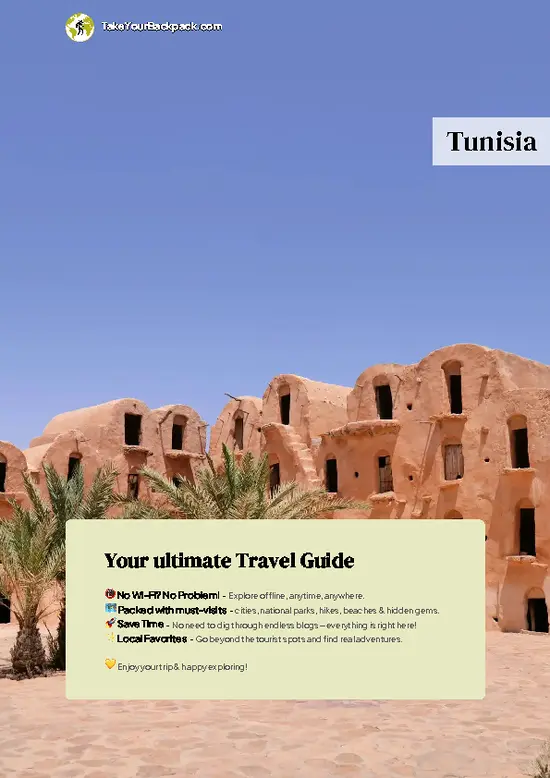
4 Ksar Ouled Soltane

granary vaults, Berber architecture, stacked ghorfas

Climb through multi-level storage chambers once used by desert communities, and observe the ingenuity of earthen construction.

5 Chott el Jerid

salt flats, mirage landscapes, seasonal water pools

Cross a shimmering expanse where the horizon blurs, and witness surreal salt patterns shaped by wind and sun.

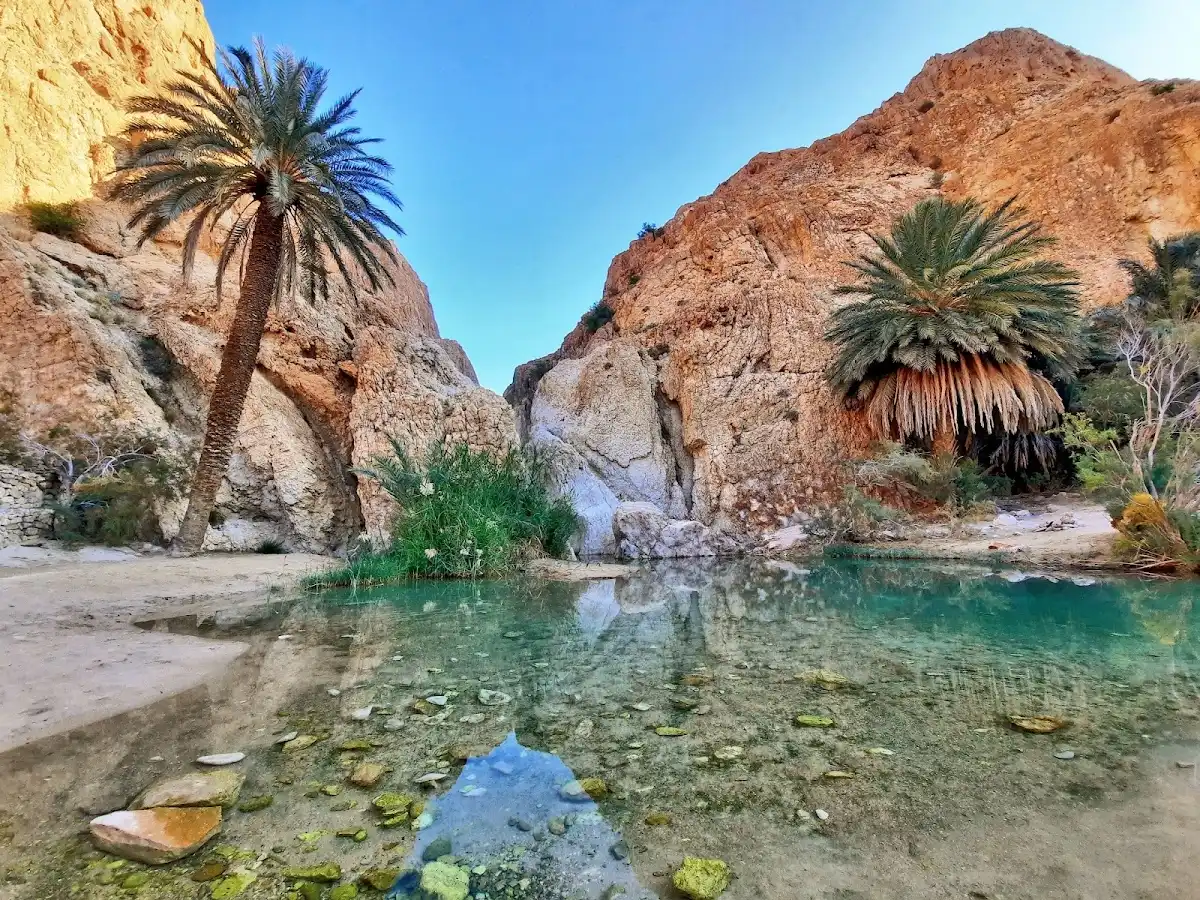
6 Chebika Oasis

palm groves, mountain springs, cliffside village

Follow trails through a lush oasis fed by clear water, and rest in the shade of date palms beneath rugged cliffs.

tunisia-unique-site-chebika-oasis
© Google |

7 Bulla Regia

underground villas, mosaic floors, Punic-Roman ruins

Descend into subterranean homes carved to escape the heat, and examine intricate mosaics preserved beneath the surface.

tunisia-unique-site-bulla-regia
© Google |

8 Ez-Zitouna Mosque

central prayer hall, scholarly library, marble columns

Step into a spiritual and intellectual center, where architectural details reveal layers of religious and academic history.

tunisia-unique-site-ez-zitouna-mosque
© Google |

9 Ruins of Sufetula

forum remains, triple-arched gate, Byzantine basilicas

Survey a crossroads of empires, where Roman and Byzantine structures stand side by side in a landscape of scattered stones.

tunisia-unique-site-ruins-of-sufetula
© Google |

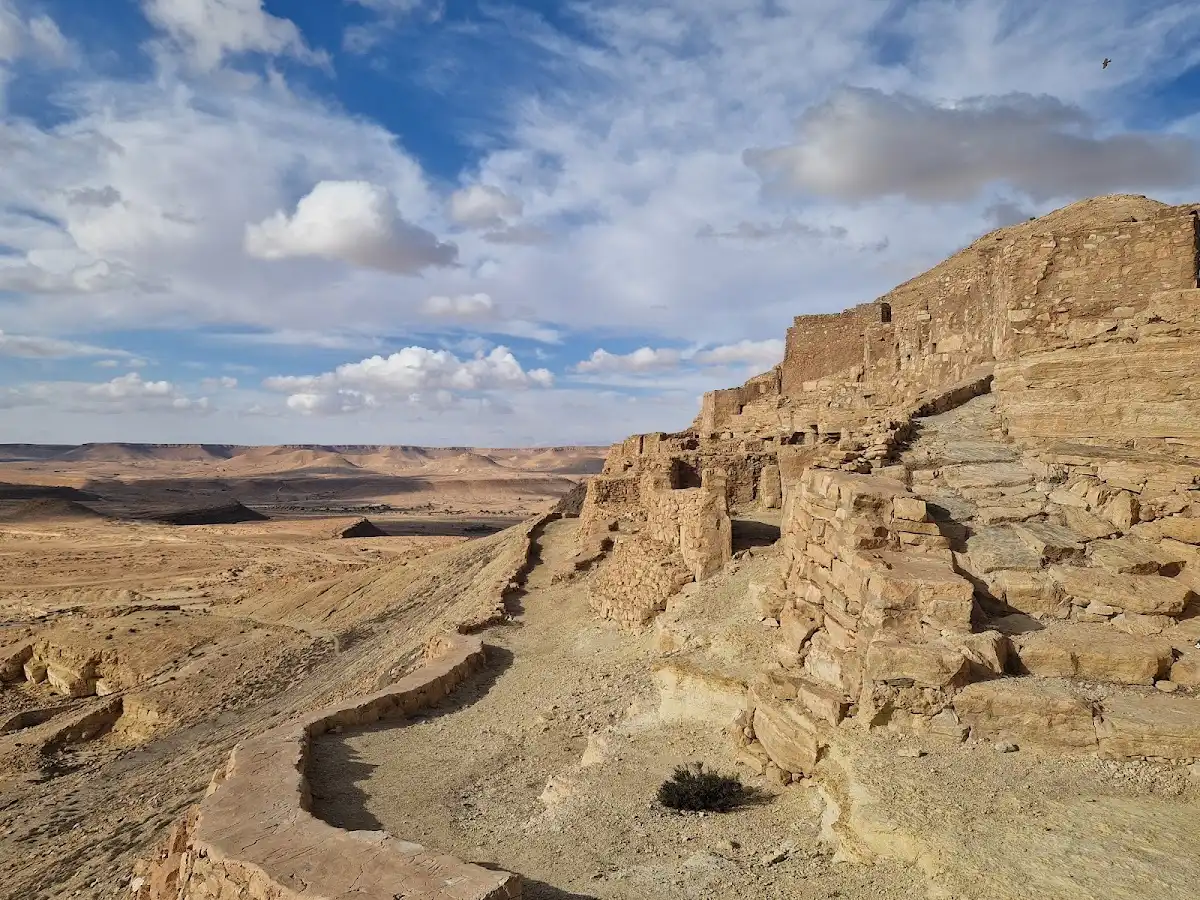
10 Kals’a Guermessa

hilltop ksar, abandoned dwellings, panoramic desert views

Climb to a deserted settlement perched above the plains, and explore remnants of communal life shaped by arid surroundings.

tunisia-unique-site-kalsa-guermessa
© Google |

11 Les Aiguilles

jagged rock spires, coastal cliffs, wind-carved formations

Hike along a wild shoreline where dramatic stone pillars rise from the sea, sculpted by centuries of wind and waves.

12 Ghorfa

vaulted storage rooms, mudbrick construction, communal granaries

Inspect interconnected chambers once used for grain storage, and see how local communities adapted to harsh desert conditions.

Loading the map 🌍

Expert viewInsights from Locals and Experts

Significance

Tunisia is a treasure trove of unique sites, each with its own story. From ancient ruins to vibrant souks, the country offers a rich tapestry of history and culture. The challenge? Sifting through the Instagram hype to find the real magic. You’ll encounter crowds at the more popular spots, especially during peak tourist season. Expect to share your selfies with a few hundred other eager travelers. But don’t let that deter you; the authentic experiences often lie just off the beaten path.

Access Constraints

Getting around Tunisia can feel like a game of musical chairs. Public transport is available, but it’s not always reliable. Buses and trains can be slow, and taxis might not always be your best bet unless you’re fluent in negotiation. Renting a car offers flexibility but … read more 👉

Significance

Tunisia is a treasure trove of unique sites, each with its own story. From ancient ruins to vibrant souks, the country offers a rich tapestry of history and culture. The challenge? Sifting through the Instagram hype to find the real magic. You’ll encounter crowds at the more popular spots, especially during peak tourist season. Expect to share your selfies with a few hundred other eager travelers. But don’t let that deter you; the authentic experiences often lie just off the beaten path.

Access Constraints

Getting around Tunisia can feel like a game of musical chairs. Public transport is available, but it’s not always reliable. Buses and trains can be slow, and taxis might not always be your best bet unless you’re fluent in negotiation. Renting a car offers flexibility but comes with its own set of challenges, like navigating local driving styles that can best be described as “enthusiastic.” Plan for some delays and be ready to embrace the chaos.

Crowd Patterns

Timing is everything. If you want to avoid the throngs, aim for early mornings or late afternoons. Midday is when the sun is at its peak, and so are the crowds. Weekdays are generally quieter than weekends, especially at popular sites. If you’re willing to venture to lesser-known spots, you might find yourself alone with the echoes of history. Just remember, the quieter the site, the more you’ll need to engage with the locals to truly understand its significance.

Combining Sites

Realistically, you can visit about three to five unique sites in a day, depending on their proximity and your stamina. Some sites are close enough to combine, while others require a bit of travel time. Factor in the time it takes to soak in the atmosphere—because rushing through a site is like trying to enjoy a fine wine in one gulp. Prioritize based on your interests: history buffs might want to cluster archaeological sites, while culture seekers might prefer a mix of markets and museums.

Planning and Prioritizing

Start with a rough idea of what you want to see. Are you drawn to ancient ruins, or do you crave the hustle of local markets? Make a list, but be flexible. Tunisia’s charm often lies in the unexpected. If you stumble upon a local festival or a street musician, don’t hesitate to veer off your plan. The best experiences often come from spontaneity.

Budget and Effort

Expect to spend a moderate amount on entry fees, transportation, and food. While some sites are free, others can charge a bit more, especially those with extensive preservation efforts. Street food is a delicious and budget-friendly option, but always check for cleanliness. Effort-wise, be prepared for some walking. Many sites require a bit of a trek, and the heat can be relentless. Hydration is key; carry water and snacks to keep your energy up.

Safety and Cultural Considerations

Tunisian culture is warm and welcoming, but it’s essential to respect local customs. Dress modestly, especially in rural areas and religious sites. Be aware of your surroundings, as petty crime can occur in crowded areas. Engaging with locals can enhance your experience, but approach conversations with respect and curiosity.

In the end, Tunisia is a land of contrasts, where the absurdities of travel become part of the adventure. Embrace the grind, laugh at the hiccups, and you’ll find the gold hidden in the chaos.

✈️ The backpacker research shortcutTunisia Travel Guide

An offline-friendly backpacking guide with optimized travel routes, ranked highlights, transport advice, and the best areas to stay.
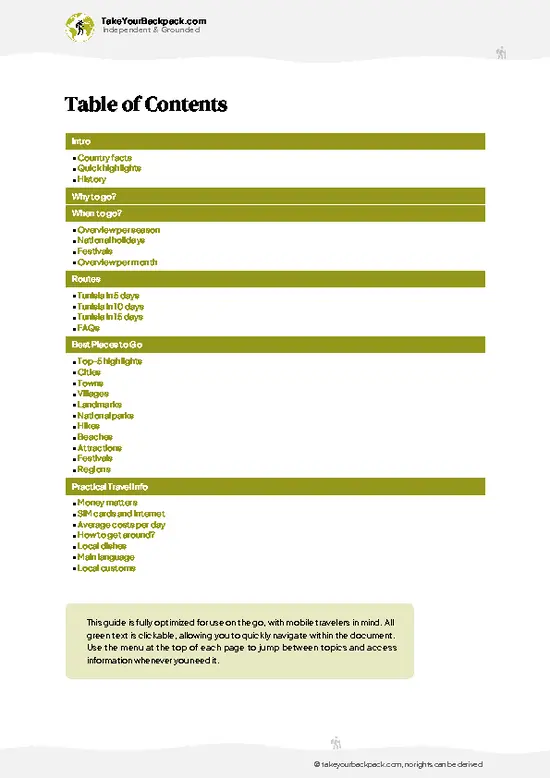
example page 0 from our offline Travel Guide for Tunisia
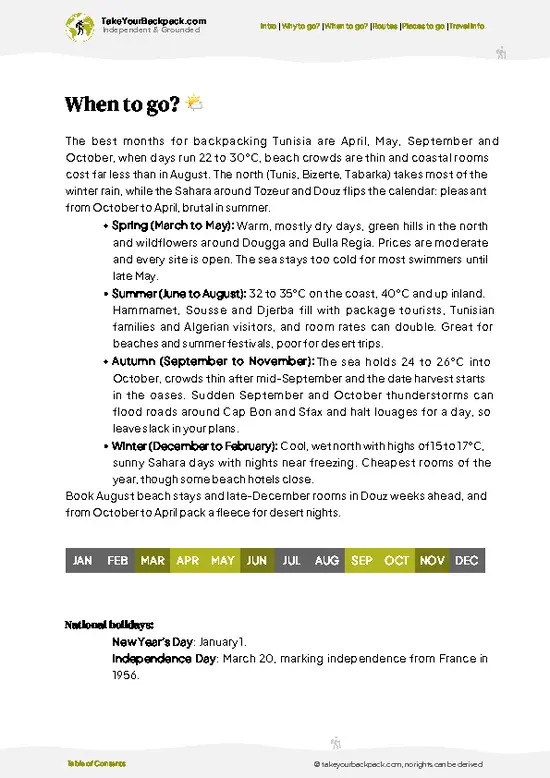
example page 1 from our offline Travel Guide for Tunisia
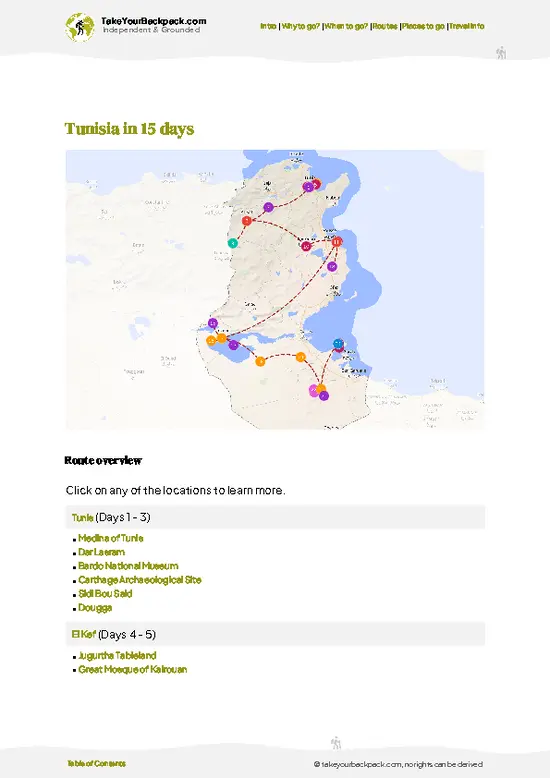
example page 2 from our offline Travel Guide for Tunisia
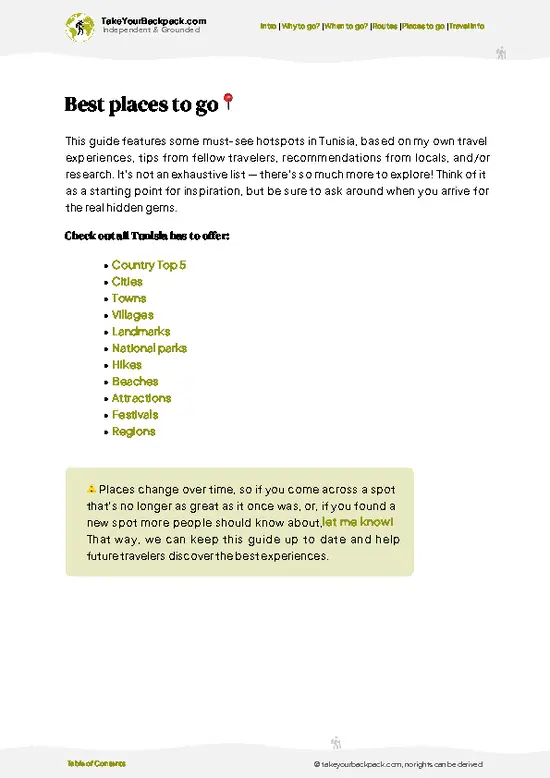
example page 3 from our offline Travel Guide for Tunisia
example page 4 from our offline Travel Guide for Tunisia
example page 5 from our offline Travel Guide for Tunisia
example page 6 from our offline Travel Guide for Tunisia
example page 7 from our offline Travel Guide for Tunisia
The digital guide (372 pages) contains:
97 highlights, ranked by travel appeal
Optimized 5, 10 & 15-day travel routes
Cities, national parks, landmarks, beaches
How to get around
Offline-friendly for travel without Wi-Fi
👉 Click to see all 30+ guide features

📅 Plan smarter in minutes, not weeks
Month by month travel advice
Festivals & national holidays
Budget expectations

🗺️ Go to the right places, skip the overrated ones
Honest pros & cons of destinations
Top hikes, parks & viewpoints
Lesser-known places most travelers miss
Clear “worth it vs skip it” guidance

🛏️ Travel smoothly without rookie mistakes
Best areas to stay
Transport systems explained simply
Common scams & safety advice
SIM cards, money & practical tips

🌍 Understand the country, not just visit it
Culture & traditions
52 Essential phrases & customs
Festivals worth planning around
Traveler-friendly historical context
Insights that make places more meaningful

📱 Built for real travel conditions
Fully downloadable PDF
Works completely offline
Optimized for phone use
Useful in remote areas & buses
Everything in one place
Save weeks of stressful planning
Get instant access to your full guide. 30‑day money-back guarantee.


By proceeding you agree to our terms.
Sent to your inbox immediately after payment • 100% Secure Checkout
Best Backpacking Travel Advisor 2025 tourism awardBest Backpacking
Travel Advisor
2025
What others say about Take Your Backpack Guides:
⭐⭐⭐⭐⭐
Fantastic, amazing amount of information!
⭐⭐⭐⭐⭐
My goodness this is amazing, it's what I've been looking for hats off too you!
⭐⭐⭐⭐⭐
I think this is absolutely BRILLIANT
⭐⭐⭐⭐
Very complete and informative. It's still missing places, but I gotta to commend you
⭐⭐⭐⭐⭐
This is truly amazing, thank you, can't wait to explore it with my kids!
⭐⭐⭐⭐⭐
Awesome resource, thank you!
⭐⭐⭐⭐⭐
This is amazing! Can't wait to explore the ones I haven't seen
⭐⭐⭐⭐
I love this! Well done, great idea.
⭐⭐⭐⭐⭐
Thanks for taking the time to make this gem!
⭐⭐⭐⭐⭐
This might be the best website I've ever seen.
⭐⭐⭐⭐⭐
Congratulations, and thank you so much for your work; it's incredibly valuable.
⭐⭐⭐⭐
In all seriousness I think you did a great job pointing out the important spots
⭐⭐⭐⭐⭐
10/10 very good
⭐⭐⭐⭐⭐
As someone who's only just starting to visit regularly this is awesome, thank you.
⭐⭐⭐⭐
Thank you very much! I'm going to visit my dad, it's going to be very useful!
⭐⭐⭐⭐⭐
This is really cool! We'll be travelling for the first time and this definitely come in handy.
⭐⭐⭐⭐⭐
You are now our minister of culture, congratulations 👨‍💼
⭐⭐⭐⭐⭐
Just wanted to tell you that this is a pearl! Going to follow your recommendations.
⭐⭐⭐⭐⭐
This is so cool. I'll definitely be using the resource for my travels soon.
⭐⭐⭐⭐⭐
This is very impressive! Good work.
⭐⭐⭐⭐⭐
This is an amazing and informative site. Very well done!

🛏️ Where to stay?Where to Stay in Tunisia

Yes — hostels and budget accommodation are widely available in Tunisia, concentrated in Tunis (Medina and Ville Nouvelle), Sousse (Medina and waterfront), Hammamet, Djerba, with smaller backpacker options in Tozeur and Kairouan.
Medina areas put you within historic highlights and cheap local food but expect narrow streets, basic rooms and limited nightlife; Ville Nouvelle and Sousse waterfront offer easier transport, more social hostels and livelier evenings at slightly higher rates; Hammamet and Djerba are quieter beach bases with seasonal service drops and fewer cheap beds outside high season.
Budget places usually mean communal bathrooms, simple cleaning standards and crowded summer months, … read more 👉
Yes — hostels and budget accommodation are widely available in Tunisia, concentrated in Tunis (Medina and Ville Nouvelle), Sousse (Medina and waterfront), Hammamet, Djerba, with smaller backpacker options in Tozeur and Kairouan.
Medina areas put you within historic highlights and cheap local food but expect narrow streets, basic rooms and limited nightlife; Ville Nouvelle and Sousse waterfront offer easier transport, more social hostels and livelier evenings at slightly higher rates; Hammamet and Djerba are quieter beach bases with seasonal service drops and fewer cheap beds outside high season.
Budget places usually mean communal bathrooms, simple cleaning standards and crowded summer months, so book early in peak season, carry cash, and bring a light sleeping liner and mosquito protection to avoid common small-trip mistakes.

If you enjoy meeting fellow travelers, consider choosing hostels with high ratings for atmosphere. On the other hand, if you prefer having your own space, a hotel might be a better option.

TunisiaMore of Tunisia

👋 Meet the founderWho’s Behind Take Your Backpack?

Johan, backpacker and founder of TakeYourBackpackHi, I’m Johan (Netherlands 🇳🇱), the creator of TakeYourBackpack. Over the past decade, I’ve backpacked through 80+ countries across six continents, gaining extensive experience with independent travel, long-term trips, and overland routes.

This site is built on a combination of firsthand travel experience and carefully curated insights from other backpackers. Many guides are based on places I’ve personally visited, while others bring together tips, observations, and practical advice shared by trusted travelers I’ve met along the way.

The goal is to provide realistic, experience-driven guidance — not generic itineraries — so you can explore destinations with better context, clearer expectations, and more confidence.

Get full Tunisia guide •
Instant download • 97 highlights • Full Offline guide