v2.webp)
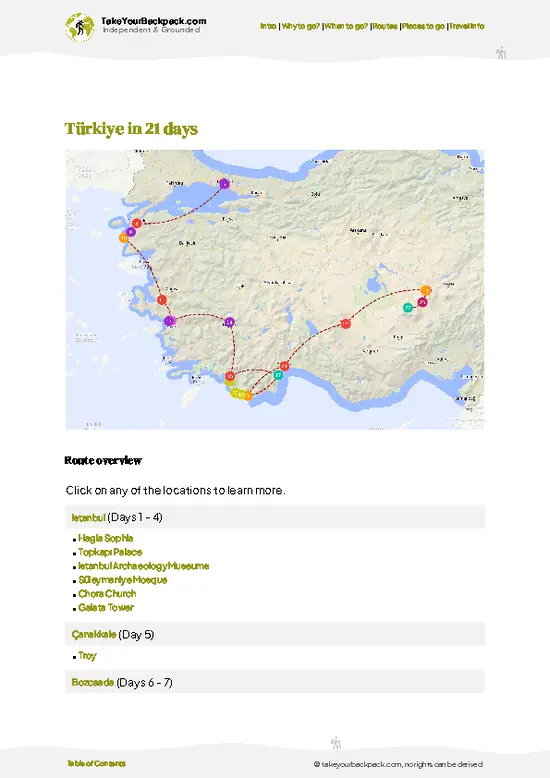
- The Gala Lagoon (the main lake) — A shallow, brackish lagoon that shapes the whole park: wide reflective water, changing colours through the day, and long shallow edges where you can watch birds or splash through ankle-deep mudflats. Great for quiet photography and easy shoreline wandering.
- Reedbeds and marshes — Dense reed belts ring parts of the lagoon and create a classic wetland soundtrack. They’re full of life: nesting birds, frogs, and insects. Walk the paths at dawn to catch the reedbeds waking up—best for bird song and unexpected small wildlife encounters.
- Migratory birdwatching spots — Gala is on a migration route, so in spring and autumn you’ll see big flocks of waterfowl and waders stopping over. Expect herons, egrets, terns and other waterbirds; on lucky days you might spot
- The Gala Lagoon (the main lake) — A shallow, brackish lagoon that shapes the whole park: wide reflective water, changing colours through the day, and long shallow edges where you can watch birds or splash through ankle-deep mudflats. Great for quiet photography and easy shoreline wandering.
- Reedbeds and marshes — Dense reed belts ring parts of the lagoon and create a classic wetland soundtrack. They’re full of life: nesting birds, frogs, and insects. Walk the paths at dawn to catch the reedbeds waking up—best for bird song and unexpected small wildlife encounters.
- Migratory birdwatching spots — Gala is on a migration route, so in spring and autumn you’ll see big flocks of waterfowl and waders stopping over. Expect herons, egrets, terns and other waterbirds; on lucky days you might spot flocks wheeling low over the water. Binoculars and patience pay off.
- Salt marshes and traditional salt pans — The park’s salt-influenced areas host a different palette of plants and birds, and there are still traces of small-scale salt-making around the edges. The flat, mosaic landscape is great for minimalist photos and for noticing tiny, specialised wildlife.
- Sandy shores and dune fringes — Where the lagoon meets land you’ll find little sandy stretches and low dunes. They’re simple, peaceful spots for a late-afternoon rest, wildflowers in spring, and unobstructed sunset views across the water.
- Short hiking and cycling loops — There are several easy trails that circle parts of the lake and connect hides and viewpoints. They’re not brutal treks—more relaxed loops that let you hop from a lookout to a reedbed to a shore in a couple of hours. Good for day packs and camera gear.
- Observation hides & viewpoints (my personal favorite) — Low, purpose-built hides and a few raised viewpoints let you get incredibly close to waterbirds without disturbing them. I love sitting in a hide as the light shifts and birds go about their business—one of those quiet, meditative travel moments.
- Boat trips to small islets and coves — If available locally, short boat rides change the perspective completely: mirrored water, reed-lined bays, and access to island edges where birds congregate. Even a 30-60 minute trip makes the park feel much bigger and wilder.
Spotted a mistake or missing something? Contact us.

Gallipoli Tour from Çanakkale - Lunch Included

Gallipoli ANZAC Battlefields Tour from Canakkale

2 Days 1 Night Gallipoli & Troy Tour from ıstanbul (New Museum of Troy Included)

Full Day Troy & Gallipoli Tour ( From Canakkale )

Troy and Gallipoli Day Trip from Canakkale

Gallipoli Tour from Eceabat, Canakkale

Combined Troy and Gallipoli Tour from Canakkale with onwards transfer to Istanbul

Daily Gallipoli Tour from Istanbul with lunch

Private Anzac Trail Tour Walk In Their Footsteps


 Best Backpacking
.jpg) Hi, I’m Johan (Netherlands 🇳🇱), the creator of TakeYourBackpack. Over the past 3 decades, I’ve backpacked through 90+ countries across six continents, gaining extensive experience with independent travel, long-term trips, and overland routes.
Hi, I’m Johan (Netherlands 🇳🇱), the creator of TakeYourBackpack. Over the past 3 decades, I’ve backpacked through 90+ countries across six continents, gaining extensive experience with independent travel, long-term trips, and overland routes.