×

Türkiye🇹🇷 | attractionsMuseum of Turkish and Islamic Artscarpets, calligraphy, Seljuk ceramics | things to do and best time to go

Explore Istanbul Archaeology MuseumsExplore Rahmi M. Koc Museum

Backpacking in Museum of Turkish and Islamic Arts
👌 Worth visitingattraction ranked #16
By Johan Kruseman 🇳🇱 | Updated May 16, 2026

A guard’s shoes squeak on polished stone as you lean in, nose almost brushing the glass, tracing the gold-threaded script of a centuries-old Qur’an. The air smells faintly of old leather and dust, and the hush is so deep you can hear your own heartbeat.

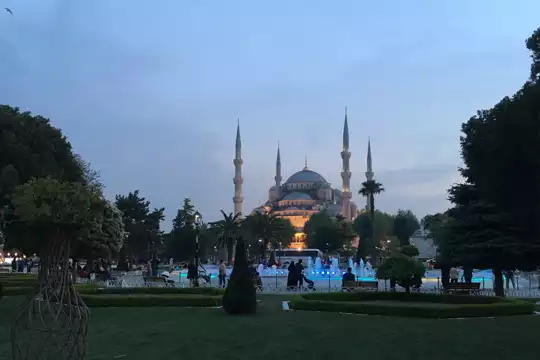
The Museum of Turkish and Islamic Arts sits right on Sultanahmet Square in Istanbul, a stone’s throw from the Blue Mosque. Here’s the truth: it’s not the selfie-magnet that Hagia Sophia is, but that’s its secret weapon. You dodge the tour bus mobs, pay a fair (not cheap) entry, and get hit with a time-capsule of carpets, calligraphy, and relics that actually feel personal. The wow-factor is quieter—no domes or gold mosaics, but a slow-burn awe as you realize you’re walking through the living room of empires. If you want adrenaline, look elsewhere. But if you want to feel the pulse of Turkish history without elbowing through a crowd, this is your spot.

Discover everything you want to know in the 📖 Türkiye Travel Guide.
Loading the map 🌍
CLICK TO FILTER
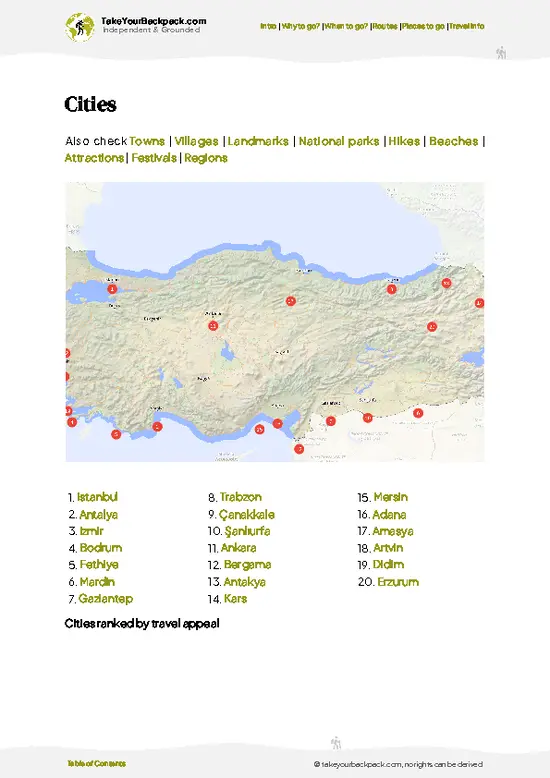
cities
towns
villages
landmarks
national parks
hikes
beaches
attractions
festivals
regions
SHOW COUNTRY’S BESTSHOW ALL

✨ Why go?
Ranked #16 attraction in Türkiye
Reasons people choose to visit here

The Museum of Turkish and Islamic Arts in Türkiye isn’t just another stop on the tourist checklist—it’s a heavyweight cultural milestone. Sure, it draws crowds, especially in peak season, and the entry fee isn’t pocket change for a backpacker. But here’s the kicker: this place packs centuries of history into one compact, jaw-dropping space. You’re not just looking at artifacts; you’re stepping into the soul of Turkish identity, from intricate calligraphy to stunning carpets that tell stories older than most countries. It’s a rare spot where the effort to navigate the crowds and cost pays off with a deep, authentic connection to Türkiye’s layered past—no filters needed.
Want to include Museum of Turkish and Islamic Arts in your Türkiye route?
Create a personalized Türkiye itinerary that includes Museum of Turkish and Islamic Arts and the places that fit your trip — based on your travel style, budget, and available time. Get your route in seconds.

Generate my trip

💡 HighlightsMust-see experiences and standout moments

The Carpet and Kilim Gallery
Forget the souvenir shop knock-offs. Here, you’re face-to-face with centuries-old carpets that were once status symbols, diplomatic gifts, and even coded messages. The colors are still punchy, the patterns hypnotic, and the scale—some are room-sized—makes you realize why these textiles were prized across empires. If you want to understand why Turkish carpets are more than just floor decor, this is your crash course.

The Calligraphy Hall
This isn’t just pretty handwriting. The museum’s collection of Qur’anic manuscripts and imperial decrees is a masterclass in how the written word can become art. The gold leaf, the inky flourishes, the sheer patience it took—these pieces are a reminder that, for centuries, calligraphy was the Instagram of the Islamic world: status, … read more 👉
The Carpet and Kilim Gallery
Forget the souvenir shop knock-offs. Here, you’re face-to-face with centuries-old carpets that were once status symbols, diplomatic gifts, and even coded messages. The colors are still punchy, the patterns hypnotic, and the scale—some are room-sized—makes you realize why these textiles were prized across empires. If you want to understand why Turkish carpets are more than just floor decor, this is your crash course.

The Calligraphy Hall
This isn’t just pretty handwriting. The museum’s collection of Qur’anic manuscripts and imperial decrees is a masterclass in how the written word can become art. The gold leaf, the inky flourishes, the sheer patience it took—these pieces are a reminder that, for centuries, calligraphy was the Instagram of the Islamic world: status, beauty, and identity, all in one stroke.

The Wooden Artifacts Room
Ottoman woodworking is criminally underrated. Here, you’ll find doors, pulpits, and panels carved with such precision that you’ll start to question your own DIY skills. The geometric patterns and inlaid mother-of-pearl details are a tactile history lesson—proof that even everyday objects were crafted with obsessive care.

The Ethnographic Displays
Skip the dry textbook version of Turkish life. These rooms are packed with costumes, coffee sets, and ceremonial gear that tell you how people actually lived, celebrated, and survived. It’s the closest you’ll get to time travel without a DeLorean. This one’s my personal favorite—it’s messy, human, and full of surprises.

The Museum Building Itself
You’re not just in any gallery; you’re inside the former palace of Ibrahim Pasha, a grand vizier with a taste for drama. The architecture is a living artifact—arches, courtyards, and a sense of scale that reminds you Istanbul was once the center of the world.
Spotted a mistake or missing something? Contact us.
Things to do around Museum of Turkish and Islamic Arts

Ratings based on Tripadvisor reviews. When you book through this link, you support our work at no extra cost to you.

🌤️ When to go?Choosing the right time of year


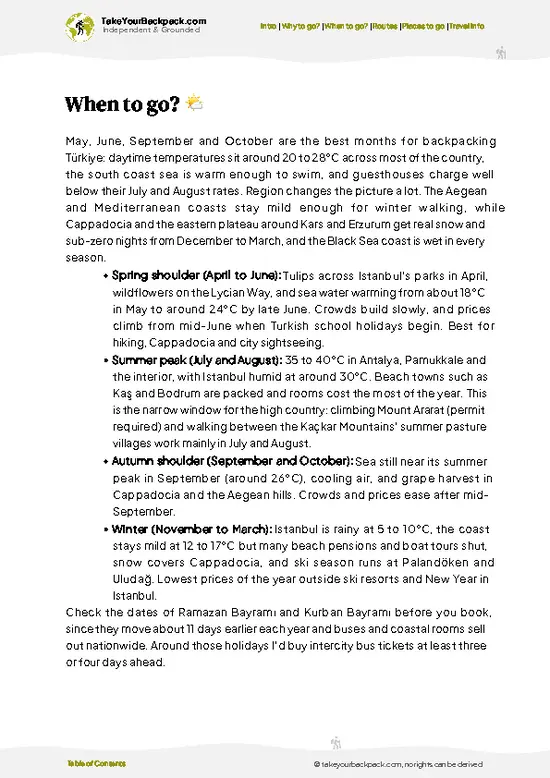
  • Weather: The best weather hits between April and June or September and October. Expect mild temperatures, around 15-25°C (59-77°F), perfect for wandering without sweating buckets or freezing your fingers off.

  • Temperature: July and August can scorch you with highs near 35°C (95°F), making museum visits less enjoyable. Winters dip to 5°C (41°F) or below, which can be chilly but manageable indoors.

  • Daylight Hours: Long days from May to August give you more time to explore, but the crowds swell accordingly. Shorter days in winter mean less time but fewer tourists.

  • Crowds: Peak tourist season is June through August. The museum gets busy, and lines can test your patience. Off-peak months like November or March offer a quieter, more intimate experience.

  • Seasonal Activities: Spring and
read more 👉

  • Weather: The best weather hits between April and June or September and October. Expect mild temperatures, around 15-25°C (59-77°F), perfect for wandering without sweating buckets or freezing your fingers off.

  • Temperature: July and August can scorch you with highs near 35°C (95°F), making museum visits less enjoyable. Winters dip to 5°C (41°F) or below, which can be chilly but manageable indoors.

  • Daylight Hours: Long days from May to August give you more time to explore, but the crowds swell accordingly. Shorter days in winter mean less time but fewer tourists.

  • Crowds: Peak tourist season is June through August. The museum gets busy, and lines can test your patience. Off-peak months like November or March offer a quieter, more intimate experience.

  • Seasonal Activities: Spring and fall bring cultural festivals nearby, adding layers to your visit. Winter is quieter but watch for occasional closures or reduced hours.

  • Price Fluctuations: Entrance fees stay mostly stable year-round, but accommodation and flights spike in summer. Visiting shoulder seasons saves money and hassle.


Pro-tip: Aim for late April or early October—cool weather, manageable crowds, and a richer vibe without the tourist circus.


source: climatestotravel.comJANJanuary: fair for travelingFEBFebruary: fair for travelingMARMarch: good for travelingAPRApril: excellent for travelingMAYMay: excellent for travelingJUNJune: highly recommended for travelingJULJuly: fair for travelingAUGAugust: fair for travelingSEPSeptember: excellent for travelingOCTOctober: excellent for travelingNOVNovember: good for travelingDECDecember: fair for traveling
when-to-go

✈️ The backpacker research shortcutTürkiye Travel Guide

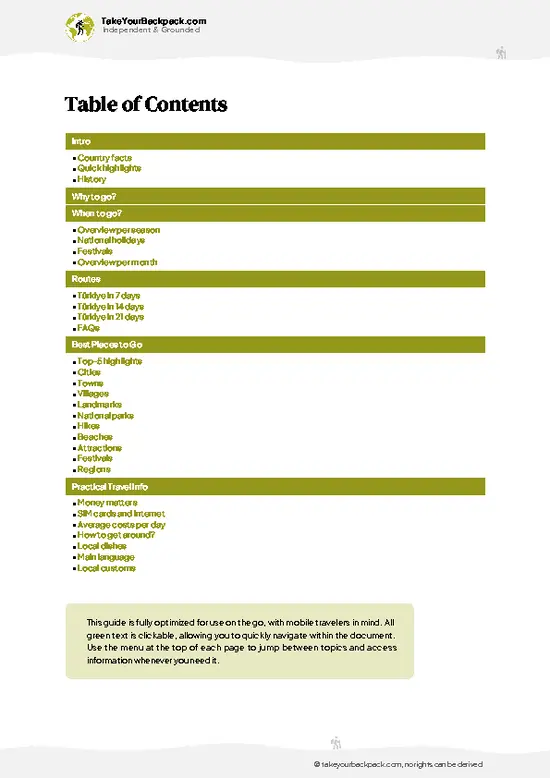
An offline-friendly backpacking guide with optimized travel routes, ranked highlights, transport advice, and the best areas to stay.
example page 0 from our offline Travel Guide for Türkiye
example page 1 from our offline Travel Guide for Türkiye
example page 2 from our offline Travel Guide for Türkiye
example page 3 from our offline Travel Guide for Türkiye
example page 4 from our offline Travel Guide for Türkiye
example page 5 from our offline Travel Guide for Türkiye
example page 6 from our offline Travel Guide for Türkiye
example page 7 from our offline Travel Guide for Türkiye
The digital guide (483 pages) contains:
142 highlights, ranked by travel appeal
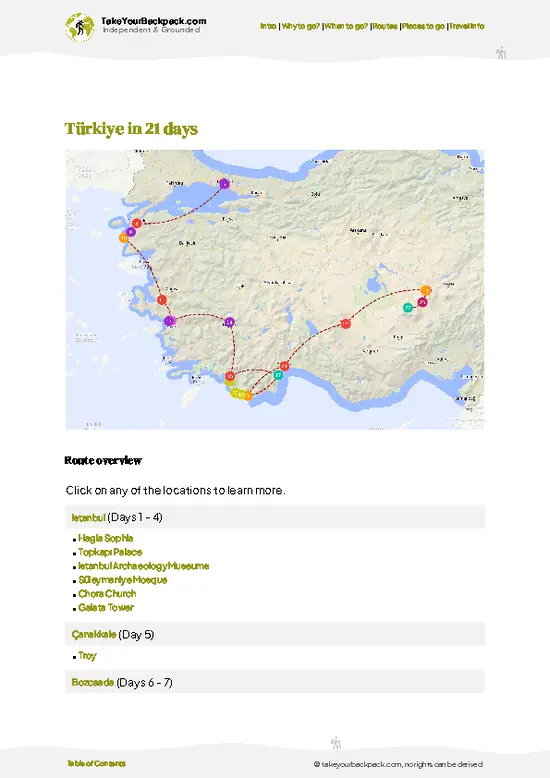
Optimized 7, 14 & 21-day travel routes
Cities, national parks, landmarks, beaches
How to get around
Offline-friendly for travel without Wi-Fi
👉 Click to see all 30+ guide features

📅 Plan smarter in minutes, not weeks
Month by month travel advice
Festivals & national holidays
Budget expectations

🗺️ Go to the right places, skip the overrated ones
Honest pros & cons of destinations
Top hikes, parks & viewpoints
Lesser-known places most travelers miss
Clear “worth it vs skip it” guidance

🛏️ Travel smoothly without rookie mistakes
Best areas to stay
Transport systems explained simply
Common scams & safety advice
SIM cards, money & practical tips

🌍 Understand the country, not just visit it
Culture & traditions
52 Essential phrases & customs
Festivals worth planning around
Traveler-friendly historical context
Insights that make places more meaningful

📱 Built for real travel conditions
Fully downloadable PDF
Works completely offline
Optimized for phone use
Useful in remote areas & buses
Everything in one place
Save weeks of stressful planning
Get instant access to your full guide. 30‑day money-back guarantee.


By proceeding you agree to our terms.
Sent to your inbox immediately after payment • 100% Secure Checkout
Best Backpacking Travel Advisor 2025 tourism awardBest Backpacking
Travel Advisor
2025
What others say about Take Your Backpack Guides:
⭐⭐⭐⭐⭐
Fantastic, amazing amount of information!
⭐⭐⭐⭐⭐
My goodness this is amazing, it's what I've been looking for hats off too you!
⭐⭐⭐⭐⭐
I think this is absolutely BRILLIANT
⭐⭐⭐⭐
Very complete and informative. It's still missing places, but I gotta to commend you
⭐⭐⭐⭐⭐
This is truly amazing, thank you, can't wait to explore it with my kids!
⭐⭐⭐⭐⭐
Awesome resource, thank you!
⭐⭐⭐⭐⭐
This is amazing! Can't wait to explore the ones I haven't seen
⭐⭐⭐⭐
I love this! Well done, great idea.
⭐⭐⭐⭐⭐
Thanks for taking the time to make this gem!
⭐⭐⭐⭐⭐
This might be the best website I've ever seen.
⭐⭐⭐⭐⭐
Congratulations, and thank you so much for your work; it's incredibly valuable.
⭐⭐⭐⭐
In all seriousness I think you did a great job pointing out the important spots
⭐⭐⭐⭐⭐
10/10 very good
⭐⭐⭐⭐⭐
As someone who's only just starting to visit regularly this is awesome, thank you.
⭐⭐⭐⭐
Thank you very much! I'm going to visit my dad, it's going to be very useful!
⭐⭐⭐⭐⭐
This is really cool! We'll be travelling for the first time and this definitely come in handy.
⭐⭐⭐⭐⭐
You are now our minister of culture, congratulations 👨‍💼
⭐⭐⭐⭐⭐
Just wanted to tell you that this is a pearl! Going to follow your recommendations.
⭐⭐⭐⭐⭐
This is so cool. I'll definitely be using the resource for my travels soon.
⭐⭐⭐⭐⭐
This is very impressive! Good work.
⭐⭐⭐⭐⭐
This is an amazing and informative site. Very well done!

🛏️ Where to stay?Where staying makes the most sense

The Museum of Turkish and Islamic Arts sits smack in the heart of Sultanahmet, the undeniable tourist hub of Istanbul. Yes, it’s packed—expect crowds and the inevitable selfie sticks. But here’s the thing: staying in Sultanahmet means you’re steps away from the city’s oldest soul, with ancient mosques, bustling bazaars, and street vendors hawking everything from simit to spices. For backpackers, this area is a no-brainer. It’s safe, walkable, and buzzing with fellow travelers, making it easy to swap stories over cheap tea or a shared meal. If you want to dive into Istanbul’s layered history without … read more 👉
The Museum of Turkish and Islamic Arts sits smack in the heart of Sultanahmet, the undeniable tourist hub of Istanbul. Yes, it’s packed—expect crowds and the inevitable selfie sticks. But here’s the thing: staying in Sultanahmet means you’re steps away from the city’s oldest soul, with ancient mosques, bustling bazaars, and street vendors hawking everything from simit to spices. For backpackers, this area is a no-brainer. It’s safe, walkable, and buzzing with fellow travelers, making it easy to swap stories over cheap tea or a shared meal. If you want to dive into Istanbul’s layered history without wasting time on transport, this is your base. Just brace yourself for the tourist tide and embrace the energy—it’s part of the city’s raw charm.

👛 Costs (as of 4 February 2026)Money, prices, and spending tips

The entrance fee for the Museum of Turkish and Islamic Arts is approximately USD5. Additional costs may include guided tours or audio guides, which can range from USD3 to USD5. There are no significant extra charges once inside the museum.

source: muze.gov.tr
⚠️ Prices can change and everyone travels differently, so take this as a rough guide. Hope it helps you plan your adventure!

Other Turkish attractions near Museum of Turkish and Islamic Arts

Explore more nearby:


💡 Not sure where to go next?
Create a personalized itinerary for Türkiye including Museum of Turkish and Islamic Arts and the places that fit your trip.

Generate my itinerary

👉 Discover all attractions

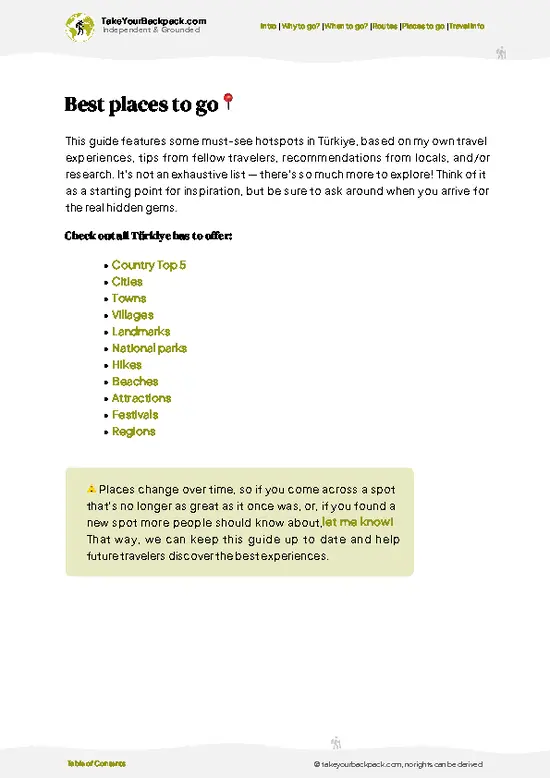
Or checkout all Türkiye has to offer (think cities, towns, villages, national parks, hikes, beaches, festivals)
Country photo of Türkiye

We 💚 feedbackParting advice and final tips

The Museum of Turkish and Islamic Arts isn’t your typical crowded tourist stop—it’s a deep dive into centuries of craftsmanship that hits you with quiet power. But heads up: it can feel a bit cramped and under-lit, which dulls some of the intricate details. Still, if you want to connect with Turkey’s soul beyond the usual hustle, this place delivers.

✈️ When did I visit Türkiye?
In May 2017 I was backpacking through Turkey from the South, making it up north along the coast, ending in Istanbul.

✍️ Help improve this page!
The information on this page is based on my own backpacking experience in Türkiye, supplemented with up-to-date research and feedback from other travelers. Travel details can change, so if you notice anything outdated or incomplete, feel free to let me know.


🙋‍♂️ Give feedback

👋 Meet the founderWho’s Behind Take Your Backpack?

Johan, backpacker and founder of TakeYourBackpackHi, I’m Johan (Netherlands 🇳🇱), the creator of TakeYourBackpack. Over the past decade, I’ve backpacked through 80+ countries across six continents, gaining extensive experience with independent travel, long-term trips, and overland routes.

This site is built on a combination of firsthand travel experience and carefully curated insights from other backpackers. Many guides are based on places I’ve personally visited, while others bring together tips, observations, and practical advice shared by trusted travelers I’ve met along the way.

The goal is to provide realistic, experience-driven guidance — not generic itineraries — so you can explore destinations with better context, clearer expectations, and more confidence.

Get full Türkiye guide •
Instant download • 142 highlights • Full Offline guide